
High tides, low tides, coefficients
Tide times
For shore fishing, a walk across to an island, a stroll on the sands or the GR34: choose your port, the times are those of the Shom, the official tide service.
- 49
- Ports
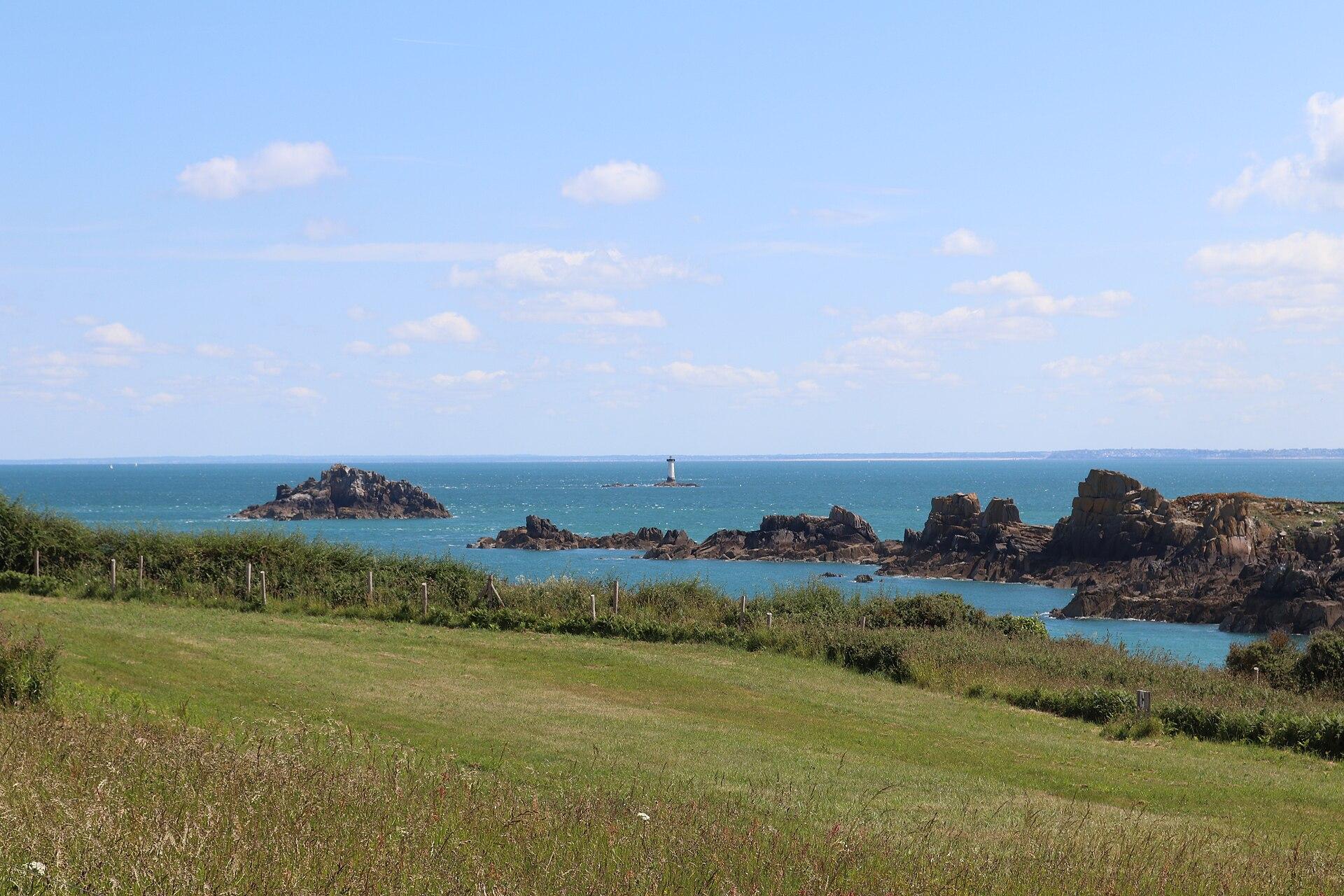
© Thérèse Gaigé · CC BY-SA 4.0 · Wikimedia Commons
Ille-et-Vilaine
Côtes-d’Armor
Finistère
- Locquirec
- Anse de PrimelPlougasnou
- Roscoff
- L’Aber Wrac’hLandéda
- PortsallPloudalmézeau
- Baie de Lampaul (Île d’Ouessant)Ouessant
- Le Conquet
- Brest
- Camaret-sur-Mer
- MorgatCrozon
- Douarnenez
- Audierne (Quai Pelletan)Audierne
- Saint-GuénoléPenmarch
- Le GuilvinecGuilvinec
- LesconilPlobannalec-Lesconil
- Loctudy
- Bénodet
- Concarneau
- Port Manec’hNévez
Morbihan
Loire-Atlantique
Reading the tide times
- The coefficient runs from 20 to 120: 45 is an average neap tide, 70 an average tide, 95 an average spring tide. The higher it is, the further the sea goes out: those are the days for shore fishing.
- The sea takes about six hours to go from low to high tide, and it rises faster in the middle of the tide than at the start and the end.
- These are predictions: according to the Shom, the real height can differ by several tens of centimetres, especially when atmospheric pressure is low.
- To walk across to an island or islet, set off as the tide goes out and come back well before low tide: the sea comes back fast over flat sands.