Museum
Écomusée de la Bintinais
Rennes · Ille-et-Vilaine
The former Écomusée du Pays de Rennes: a large 19-hectare historic farm on the edge of the city, with a museum, 21 old breeds, nearly 120 apple varieties and bocage. Free entry.
- Suggested time
- 2 h 30 to 3 hours, half a day with the family
- Type of place
- Ecomuseum, historic farm and conservatory of old breeds
- Atmosphere
- Rural and family-friendly, between an old farm, meadows and bocage, on the edge of the city
- Getting there
- Route de Châtillon-sur-Seiche, south of Rennes. By metro: line A to Triangle (towards La Poterie from the station), then a 15-minute walk via Avenue des Pays-Bas and the allotments, or bus 61 to the Hil/Bintinais stop. By car: the southern ring road, exits Porte de l’Alma or Porte du Blosne, then follow signs to the Écomusée; parking on site, with spaces along the road if it is full. By bike: a cycle path from Le Blosne, but bikes are not allowed on the site.
Who this place suits
- With family
- 10/10
- As a couple
- 8/10
- With friends
- 8/10
- Solo
- 9/10
- With a dog
- 1/10
- Reduced mobility
- 8/10
These scores are calculated from what the page records: official rating, facilities, difficulty, duration and location. They are a guide, not a substitute for contacting the venue, especially about accessibility.
About
The Écomusée de la Bintinais, long known as the Écomusée du Pays de Rennes, occupies a real historic farm south of the city, a few minutes from the metro. Opened in 1987 and awarded the Musée de France label in 2003, it tells, on the very spot, how Rennes and its countryside lived together for five centuries. Over 19 hectares, you go from a 1,200 m² museum to meadows, hedges, crops, orchards and herds of old breeds. Entry is free. The estate is mentioned as early as 1440, as a manor. Divided into the Grande and Petite Bintinais at the end of the 17th century, it belonged to town owners who rented it to farmers and kept a home for their stays in the country. Reunited in 1897, the two farms covered more than 62 hectares, about ten times the average farm in Ille-et-Vilaine. They mainly produced milk, vegetables and cider, up to 100,000 litres a year, for a city that drank a great deal of it. In return, the city supplied the manure that fertilised the fields. After 1950, Rennes gradually took over the land: 62 hectares, then 33, then about fifteen in the early 1980s. The last farmer retired in 1982, and the farm became an ecomuseum five years later. The museum follows this story: the growth of the city on maps, the lives of owners, farmers and servants, the double-arched wardrobes of the Rennes area, earth building, tools and cider. Two farmers’ interiors, from 1866 and 1901, have been recreated from inventories drawn up after death. Outside, the ecomuseum is a living conservatory. More than 200 breeding animals from 21 old breeds of Brittany and western France are raised here: the Coucou de Rennes hen, which the ecomuseum helped save in the late 1980s, the Noire de Janzé, Bretonne Pie Noir, Froment du Léon, Armoricaine and Nantaise cattle, the Breton horse, the Cotentin donkey, the Ouessant sheep, the Fossés goat and the Blanc de l’Ouest pig. It is not a zoo: the animals move between plots with the seasons. The conservation orchard, planted from 1987 after surveys in the Rennes countryside, brings together nearly 120 varieties of cider and eating apples, along with pear, cherry and quince trees. The fields show crops of the past, buckwheat, old wheats, flax and hemp, and the hedges keep their ragosses, the pollarded oaks typical of the Rennes bocage. A new permanent exhibition is planned for 2027.
What you will see
- A real 19-hectare historic farm on the edge of Rennes, a Musée de France with free entry.
- More than 200 animals from 21 old breeds of Brittany and western France, including the Coucou de Rennes hen.
- Bretonne Pie Noir, Froment du Léon, Armoricaine and Nantaise cattle, the Breton horse, Ouessant sheep and Fossés goats.
- A conservation orchard of nearly 120 apple varieties, with pear, cherry and quince trees.
- A 1,200 m² museum on five centuries of history between Rennes and its countryside.
- Two recreated farmers’ interiors, from 1866 and 1901, based on inventories drawn up after death.
Show 4 more pointsHide
- The history of cider, the farm’s main product: up to 100,000 litres a year.
- Old crops, buckwheat, flax, hemp and forgotten wheats, and a bocage of ragosses, the pollarded oaks of the Rennes area.
- A very accessible site: wheelchairs and folding seats on loan, braille and easy-read booklets, sign language tours.
- A 15-minute walk from Triangle metro station.
Practical information
- Address
- Route de Châtillon-sur-Seiche, 35200 Rennes
- Public transport
- Metro A to Triangle, then a 15-minute walk, or bus 61 to Hil/Bintinais
- Parking
- On site; spaces along the road if it is full
- Pets
- Not allowed on the site
- Accessibility
- Wheelchairs and folding seats on loan, benches, easy-read booklet, braille booklet on loan, occasional sign language and tactile tours; a large estate
- Best time
- April to September for the park and the animals; late summer and autumn for the orchard; winter for the museum
Tips on the spot
- Opening hours: from 1 October to 31 March, Tuesday to Friday 9 am to 12 pm and 2 pm to 6 pm, Saturday 2 pm to 6 pm, Sunday 2 pm to 7 pm; from 1 April to 30 September, Tuesday to Friday 9 am to 6 pm, Saturday 2 pm to 6 pm, Sunday 2 pm to 7 pm. Closed on Mondays and public holidays. Last entry 30 minutes before closing.
- Free entry: museum, park, orchards and animals. There was no temporary exhibition in 2026: the team is preparing a new permanent exhibition for 2027.
- Pets are not allowed anywhere on the site, even on a lead, because of the farm animals.
- Since January 2026, bikes, scooters and balance bikes are not allowed on the estate: leave them at the entrance.
- It is not a zoo: the animals are often out in the plots, not in the buildings. Do not feed them, do not go into the enclosures, and do not expect to see every breed on every visit.
Show 6 more tipsHide
- With children, start with the animals and the orchard, then go into the museum: alternating outside and inside works better than a long visit of the rooms at the start.
- Picnics are allowed from April to September, with tables in the park. There is no restaurant on site.
- In strong winds, the park may close because of the trees and hedges: check if there is a weather warning.
- In summer, some plots have little shade: bring water and a hat. In heavy rain, allow more time for the museum.
- Come in autumn for the orchard and the apples.
- Wheelchairs and folding seats are on loan at reception, with benches in the park and braille and easy-read booklets. The estate is large: allow extra time if walking is difficult.
Frequently asked questions
Are the Écomusée de la Bintinais and the Écomusée du Pays de Rennes the same place?
Yes. Écomusée de la Bintinais is the current name; Écomusée du Pays de Rennes is still widely used. It is on Route de Châtillon-sur-Seiche, south of Rennes.
What are the opening hours?
From 1 October to 31 March: Tuesday to Friday 9 am to 12 pm and 2 pm to 6 pm, Saturday 2 pm to 6 pm, Sunday 2 pm to 7 pm. From 1 April to 30 September: Tuesday to Friday 9 am to 6 pm, Saturday 2 pm to 6 pm, Sunday 2 pm to 7 pm. Closed on Mondays and public holidays; last entry 30 minutes before closing.
How much time should I allow?
2 h 30 to 3 hours for a full visit. With young children, 1 h 30 to 2 hours is enough; half a day with a picnic, from April to September, works very well.
Is it a zoo?
No. It is a conservatory of old domestic breeds. The animals often live out in the plots and move with the seasons and care needs, so you will not see them all on every visit. Feeding them or entering the enclosures is not allowed.
Why is the Coucou de Rennes hen so important here?
This farm breed from the Rennes area nearly died out after the Second World War. The ecomuseum played a major role in saving it from the late 1980s, and several producers now raise it again.
Is it a real farm?
Yes. The estate is mentioned as early as 1440. Reunited in 1897, the Grande and Petite Bintinais covered more than 62 hectares, a very large farm for the time. Farming stopped in 1982 and the museum opened in 1987, on the site itself.
See also all the museums in Brittany.
Stay in Rennes
Places to stay that are still available, with current prices, compared across the main booking platforms.
Partner link: a booking made from this map may earn us a commission, at no extra cost to you.
Read in the journal
- ChristmasWhat to do in Rennes during the Christmas holidaysThe Christmas market on the Mail, the Christmas village on Place du Parlement, the “Fourmis” exhibition, the ice rink and the Lices market: our ideas for the 2026 Christmas holidays in Rennes.
- SeasonWhat to do in Rennes during the All Saints’ holidaysThe “Fourmis” exhibition at Les Champs Libres, the Fééries circus, Stunfest, Halloween at the farm and at the museum, the Lices market: our ideas for All Saints’ 2026 in Rennes.
- City guideWhat to do in Rennes: the complete guideThe half timbered old town, the Parliament of Brittany, Les Champs Libres, the Lices market, the Thabor and the forest of Brocéliande: what to do in Rennes and the surrounding area.
Traveller reviews
Nobody has reviewed this place yet.
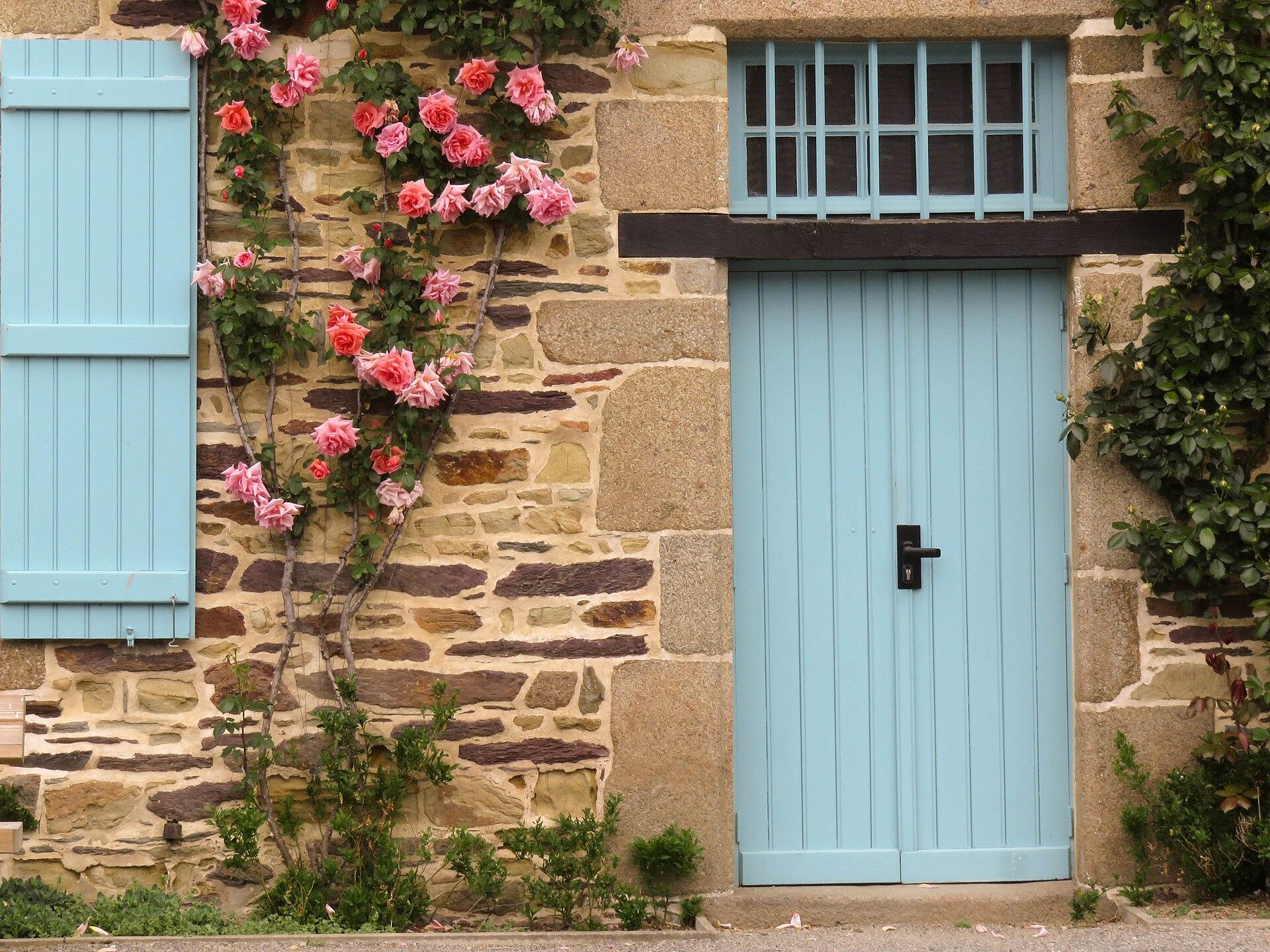
Photograph: Lepsyleon · CC BY-SA 4.0 · Wikimedia Commons