
Village
Saint-Jacut-de-la-Mer
Saint-Jacut-de-la-Mer · Côtes-d’Armor
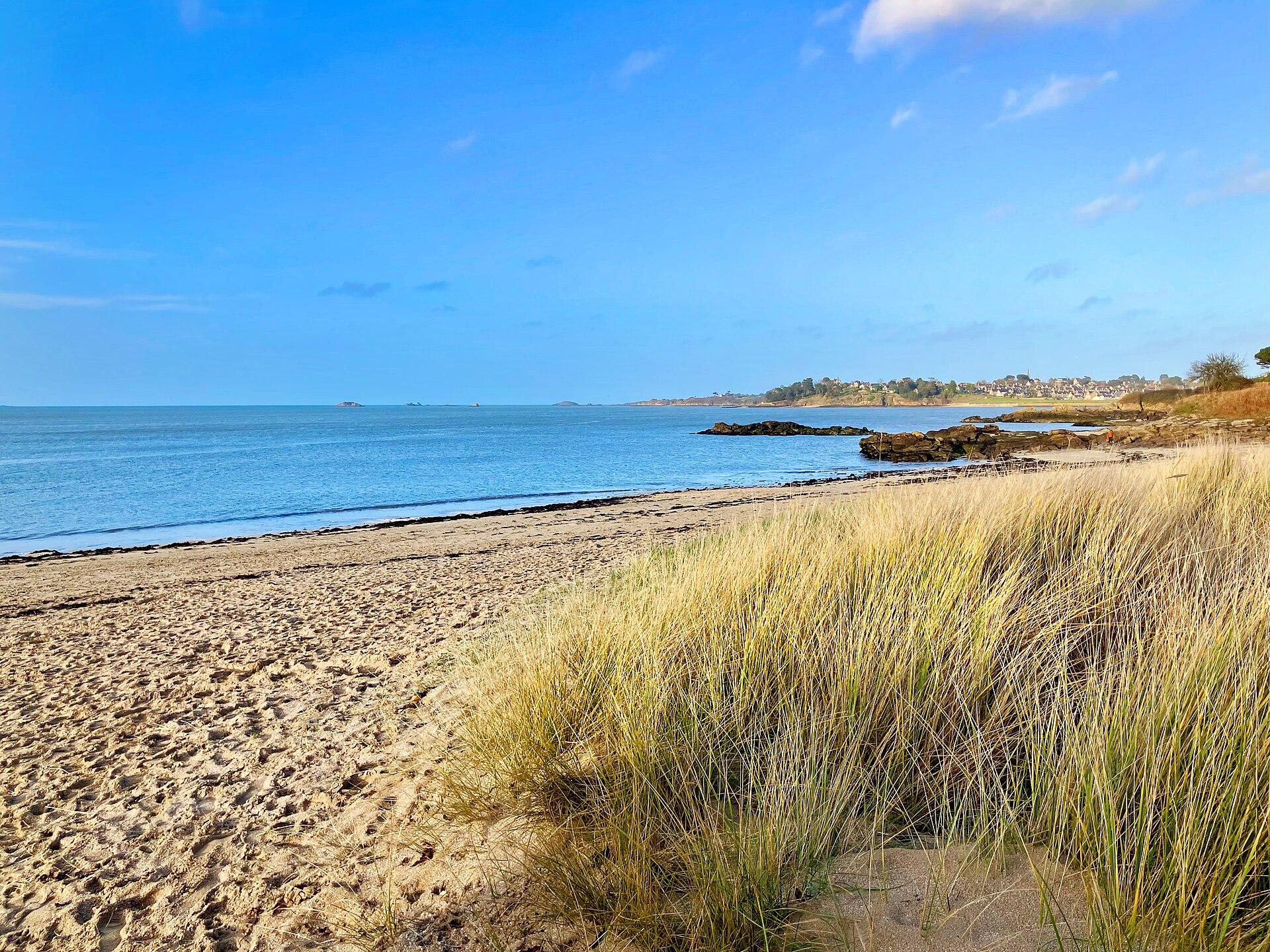
Saint-Jacut-de-la-Mer stretches its old fishing village between eleven beaches, two bays and the Ébihens archipelago, reachable on foot only at low tide.
- Suggested time
- Half a day minimum, a full day with the Ébihens or the walk around the two bays
- Type of place
- Fishermen’s peninsula with eleven beaches
- Atmosphere
- Island, salty, peaceful and wild
- Getting there
- On the Emerald Coast between Lancieux and Saint-Cast. By road, or BreizhGo buses depending on the lines. The centre and beaches are easy to explore on foot or by bike.
Who this place suits
- With family
- 10/10
- As a couple
- 10/10
- With friends
- 10/10
- Solo
- 10/10
- With a dog
- 7/10
- Reduced mobility
- 6/10
These scores are calculated from what the page records: official rating, facilities, difficulty, duration and location. They are a guide, not a substitute for contacting the venue, especially about accessibility.
About
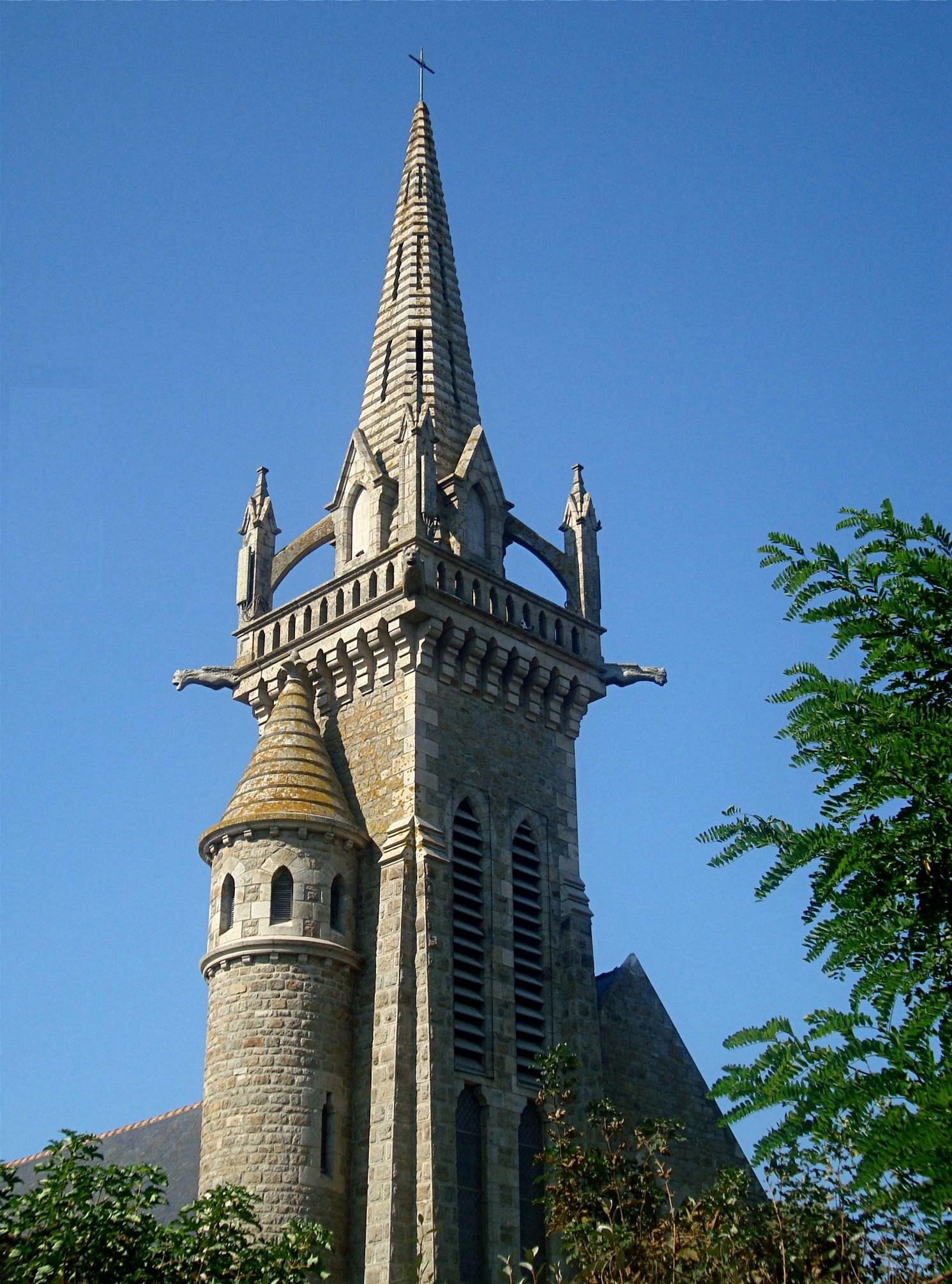
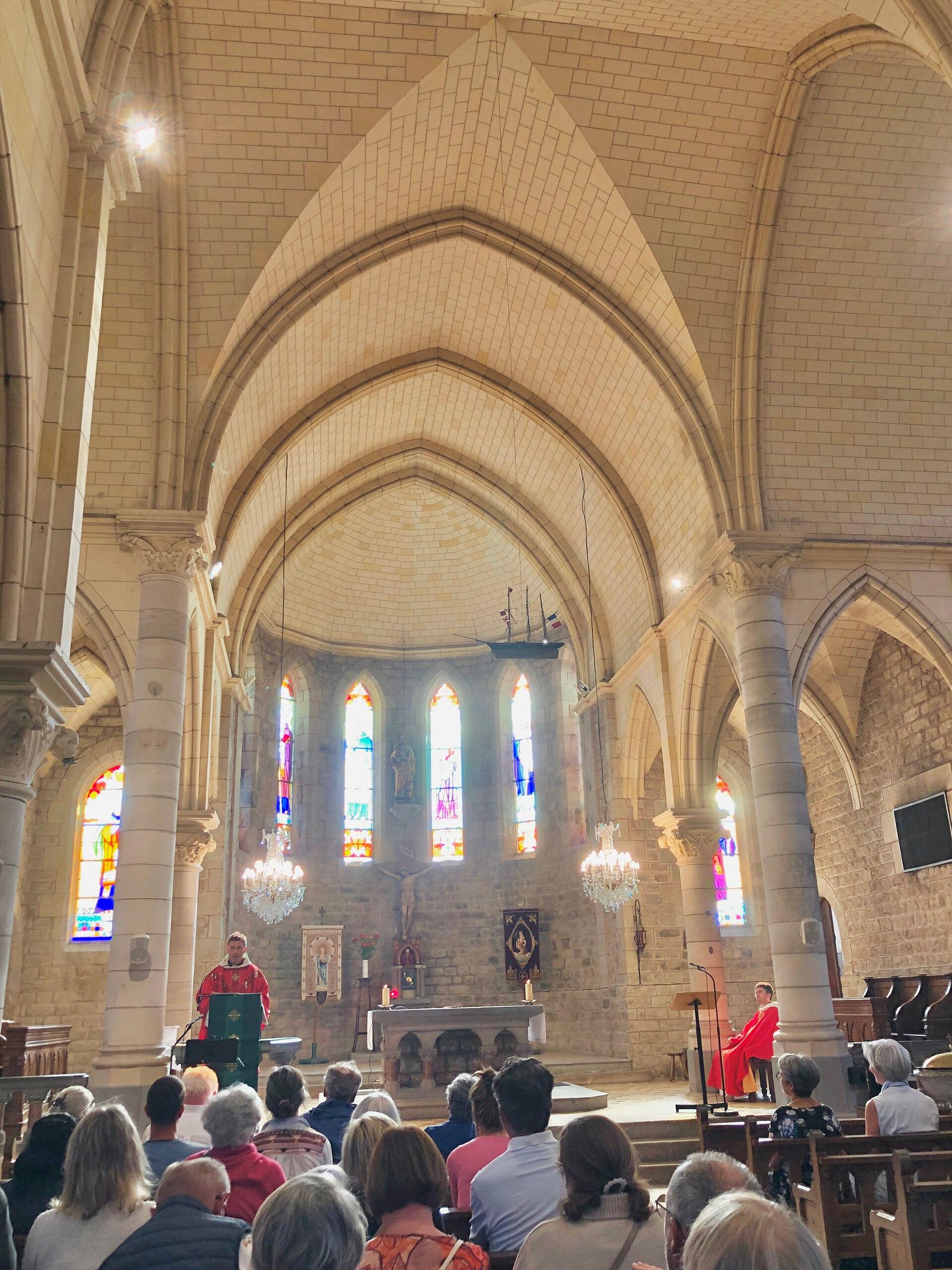
Saint-Jacut-de-la-Mer is a place where the tide constantly transforms the landscape. A former island that became a peninsula, the village long lived from fishing. Today, its flower-filled lanes, little harbours and above all its eleven beaches give it an atmosphere that is both maritime and seaside. The Benedictine abbey, founded according to tradition in the 5th century by Saint Jacut, still occupies a large three-hectare property by the sea. Its buildings now host stays and gatherings, while the gardens invite you to stroll. The highlight remains the Ébihens archipelago. At low tide, a strip of sand lets you walk to the main 20-hectare island from the Pointe du Chevet or Le Rougeret. The Tour Garangeau, built between 1694 and 1697 as part of Vauban’s defensive system, overlooks the site. The crossing requires a strict check of the tide times. To explore the peninsula without going to the island, the Entre-deux-Baies trail is an easy 12.2 km loop.
What you will see
- The village and beaches are freely accessible; the Ébihens only at low tide, within safe times.
- Nickname: the peninsula of 11 beaches.
- Abbey: a monastery founded according to tradition in the 5th century, with gardens of about 3 hectares by the sea.
- Ébihens: the main island covers about 20 hectares.
- Tour Garangeau: built between 1694 and 1697 on Vauban’s orders to protect the archipelago.
- Hiking: the Entre-deux-Baies trail, 12.2 km, easy.
Show 5 more pointsHide
- Saint-Jacut was an island before becoming a peninsula; the monastery shaped the village for centuries, and fishing became the main living for many families.
- The peninsula later developed as a seaside resort, with its eleven beaches as its main attraction, and water sports have grown a lot.
- Maritime heritage is showcased through tours and trips on traditional boats.
- Not to be missed: the Pointe du Chevet, the Ébihens archipelago, the Tour Garangeau, Le Rougeret beach, Les Haas beach, the abbey and its gardens, the harbour of La Houle Causseul, the Maison du Pêcheur, the eleven beaches, the Entre-deux-Baies trail.
- Recommended: walk a loop through the village early in the morning, go out to the Pointe du Chevet, walk to the Ébihens only within the recommended tide window and allow two hours on the island, do the Entre-deux-Baies trail, try a water sport at Le Rougeret, and board a traditional boat to see the peninsula from the sea.
Practical information
- Getting there
- On the Emerald Coast between Lancieux and Saint-Cast. By road, or BreizhGo buses depending on the lines. The centre and beaches are easy to explore on foot or by bike
- Food
- Fish, seafood, oysters and a picnic facing the bays suit the spirit of the peninsula perfectly
- Parking
- Parking in the village, in high demand in summer
- Pets
- Banned on the beaches from 1 May to 30 September and banned on the Île des Ébihens
- Accessibility
- Several beaches and parts of the village are easy to reach, but the crossing to the Ébihens and the coastal path are not suitable for everyone
- With family
- An excellent family destination with beaches, water sports and exploring the foreshore
- Safety
- Never improvise the crossing to the Ébihens. Always check the official times and respect the latest return time
- Best time
- May to September for water sports. The Ébihens depend above all on the tide and the weather
- Photography
- The Pointe du Chevet gives the best view of the Ébihens. The beaches take on remarkable colours on a rising tide in sunshine
- Nearby
- Lancieux, Saint-Briac-sur-Mer, Saint-Cast-le-Guildo, Fort La Latte
Tips on the spot
- Arrive before 10 am in high season for fewer people; late afternoon is also calmer.
- Use the official car parks and finish on foot; on market days or big events, allow more time to park.
- Wear good shoes for cobbles, quays, paths and steps.
- Start at the tourist office or an interpretation trail if there is one; guided tours give a much richer reading of local history.
- Check the opening times of monuments and activities on the day; in winter, some close earlier.
Show 5 more tipsHide
- Take time for the side streets and small details.
- Respect the residents in the most photographed streets, and never block a private entrance for a photo.
- Have lunch early or late to find a table more easily in high season.
- In autumn, the low light and fewer visitors can be excellent.
- Allow half a day minimum, a full day with the Ébihens or the walk around the two bays.
Frequently asked questions
How much time should I allow?
Half a day minimum, a full day with the Ébihens or the walk around the two bays.
Is the visit free?
Exploring outdoors is free. Some monuments, museums, tours and activities are paid.
What makes it special?
Walking around a peninsula almost entirely lined with beaches, then having the exceptional experience of walking out to the Ébihens when the sea goes out.
What is the atmosphere like?
Island, salty, peaceful and wild.
When is the best time to come?
May to September for water sports. The Ébihens depend above all on the tide and the weather.
What are the must-sees?
The Pointe du Chevet, the Ébihens archipelago, the Tour Garangeau, Le Rougeret beach, Les Haas beach, the abbey and its gardens, the harbour of La Houle Causseul and the Maison du Pêcheur.
Stay in Saint-Jacut-de-la-Mer
Places to stay that are still available, with current prices, compared across the main booking platforms.
Partner link: a booking made from this map may earn us a commission, at no extra cost to you.
Read in the journal
- ChristmasWhat to do in Côtes-d’Armor during the Christmas holidaysDinan in winter, scallops, the birds of the bay and Cap Fréhel in the wind: our ideas for the 2026 Christmas holidays in Côtes-d’Armor.
- SeasonWhat to do in Côtes-d’Armor at All Saints’Pink granite, Cap Fréhel, Bréhat, the scallop season and castles: our ideas for the 2026 All Saints’ holidays in Côtes-d’Armor.
- Winter holidaysWhat to do in Côtes-d’Armor in FebruaryPink granite in the wind, Cap Fréhel, Dinan, scallops and spring tides in the Bay of Saint-Brieuc: our ideas for the February 2027 holidays.
Traveller reviews
Nobody has reviewed this place yet.
Photographs: Wayne77 · CC BY-SA 3.0 · Wikimedia Commons · Rundvald · CC BY-SA 4.0 · Wikimedia Commons