
Museum
Nantes History Museum
Nantes · Loire-Atlantique
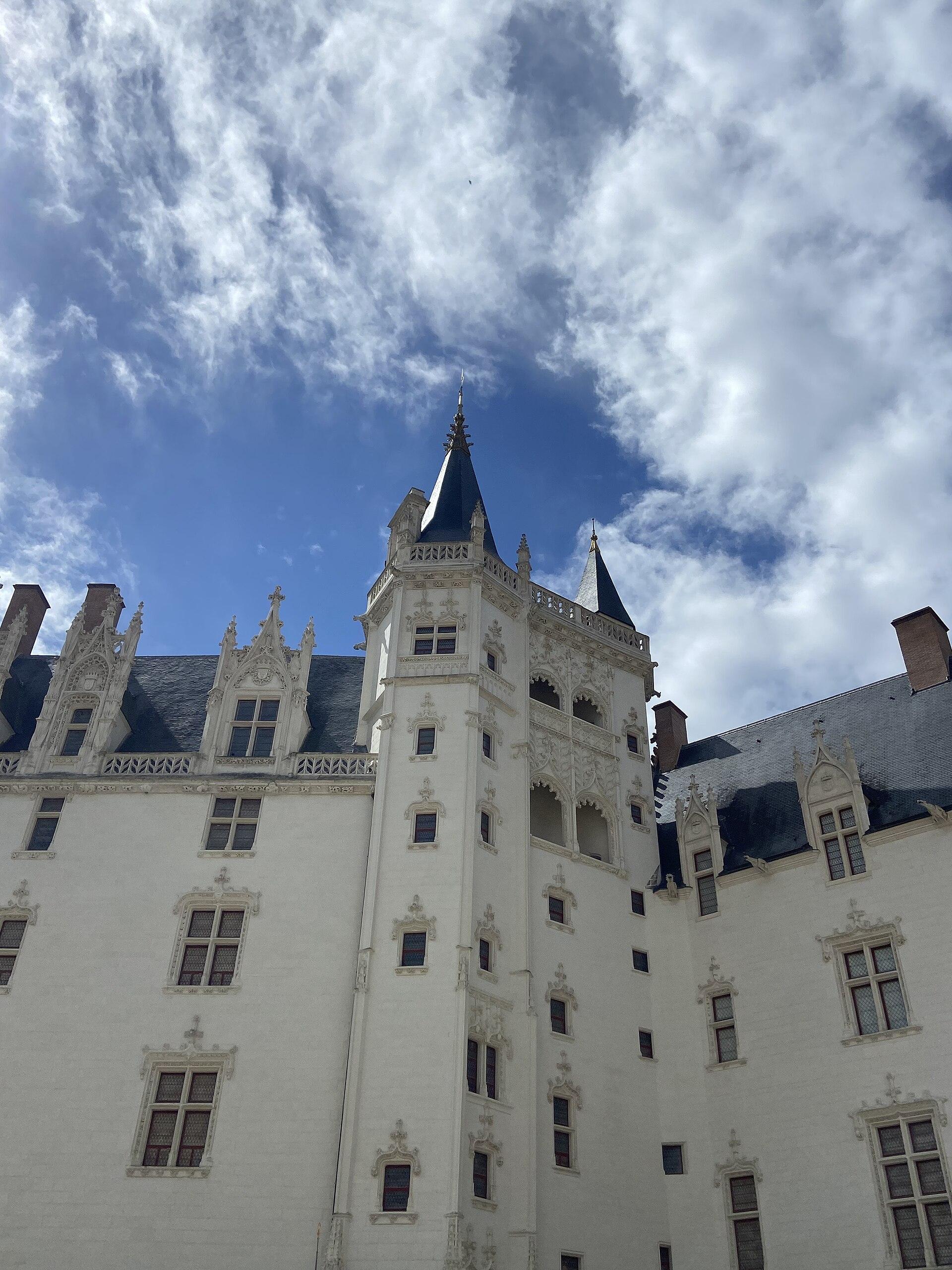
In the Château des Ducs de Bretagne, 32 rooms and about 1,150 objects tell the story of Nantes: Brittany, the Loire, the Atlantic slave trade, the port, industry and the world wars.
- Suggested time
- 2 h 30 to 3 hours for the whole museum, longer with the castle and ramparts
- Type of place
- Museum of urban history in the Château des Ducs de Bretagne
- Atmosphere
- Historic and immersive, between contemporary rooms and the architecture of the Château des Ducs de Bretagne
- Getting there
- Château des Ducs de Bretagne, Place Marc Elder, in central Nantes, a few minutes’ walk from the station.
Who this place suits
- With family
- 9/10
- As a couple
- 9/10
- With friends
- 9/10
- Solo
- 10/10
- With a dog
- 1/10
- Reduced mobility
- 8/10
These scores are calculated from what the page records: official rating, facilities, difficulty, duration and location. They are a guide, not a substitute for contacting the venue, especially about accessibility.
About
The Nantes History Museum occupies the Château des Ducs de Bretagne, a major monument in the city centre and the former residence of the Dukes of Brittany. Behind the ramparts, a contemporary route of 32 rooms traces the evolution of Nantes from its origins to today’s metropolis. About 1,150 objects are on show in the permanent route, from a collection of nearly 40,000 pieces. The museum was designed around a historical narrative rather than only around the collections available. The first rooms tell the story of the castle, Nantes and Brittany up to the 17th century, then the city’s relationship with the Loire, the estuary and the ocean. A major section is devoted to the Atlantic slave trade and colonial slavery. Nantes was the leading French slave-trading port in the 18th century. The museum holds more than 700 objects and documents linked to this history. The route then covers the French Revolution, followed by the colonial and industrial port of the 19th century. The biscuit factories, shipyards and big industries show how the modern city was built. The two world wars also have important rooms. A large collection drive launched in 2008 brought about 1,500 objects and archives into the collections. The museum is open from 10 am to 6 pm, Tuesday to Sunday. Entry to the collections and exhibition costs €9 full price.
What you will see
- 32 rooms in the Château des Ducs de Bretagne.
- About 1,150 objects on show, from nearly 40,000 pieces held.
- The history of the castle, the dukes and Nantes.
- Nantes and its relationship with the Loire, the port and the Atlantic.
- A major section on the Atlantic slave trade and colonial slavery.
- More than 700 objects and archives linked to the slave trade and slavery.
Show 4 more pointsHide
- Industrial Nantes: shipyards, biscuit factories and companies.
- Rooms devoted to the two world wars.
- About 1,500 objects and archives collected since 2008 around the wars.
- The castle courtyard and ramparts, free to visit.
Practical information
- Address
- Château des Ducs de Bretagne, Place Marc Elder, 44000 Nantes
- Pets
- Animals not allowed in the rooms, except guide or assistance dogs.
- Accessibility
- A museum with the Tourisme & Handicap label, with an adapted route and lifts.
Tips on the spot
- Outside summer: museum and exhibitions from 10 am to 6 pm, closed on Mondays.
- In July and August: open from 10 am to 7 pm every day.
- 2026 prices: €9 full price and €5 reduced.
- Under-18s get in free.
- The first Sunday of the month is free from September to June.
Show 5 more tipsHide
- Allow about 3 hours for the full route.
- The sections on the slave trade and slavery are essential.
- The courtyard and ramparts are free to visit.
- The museum is largely accessible to people with reduced mobility.
- Animals are not allowed in the rooms, except guide or assistance dogs.
Frequently asked questions
Where is the Nantes History Museum?
Inside the Château des Ducs de Bretagne.
How much does entry cost?
In 2026, €9 full price and €5 reduced.
What are the opening hours?
Outside summer, from 10 am to 6 pm, Tuesday to Sunday.
How much time should I allow?
About 3 hours for the full route.
Does the museum cover the Atlantic slave trade?
Yes, it is one of the main sections of the route.
Why is Nantes important in this history?
Nantes was the leading French port involved in the Atlantic slave trade in the 18th century.
See also all the museums in Brittany.
Stay in Nantes
Places to stay that are still available, with current prices, compared across the main booking platforms.
Partner link: a booking made from this map may earn us a commission, at no extra cost to you.
Read in the journal
- SeasonWhat to do in Nantes during the All Saints’ holidaysThe Utopiales, the Machines de l’île, the Château des ducs, Trentemoult and the markets: our ideas for enjoying Nantes during the 2026 All Saints’ holidays.
- City guideWhat to do in Nantes: the complete guideThe Machines de l’île, the Château des ducs de Bretagne, the green line of Le Voyage à Nantes, Trentemoult, the Talensac market and the vineyards: what to do in and around Nantes.
- Winter holidaysWhat to do in Nantes during the February holidaysThe Château des ducs, the Machines de l’île, museums, the Jardin des Plantes and spring tides in La Baule or Pornic: our ideas for the February 2027 holidays in Nantes.
Traveller reviews
Nobody has reviewed this place yet.
Photograph: Céramiquelover charette56 · CC0 · Wikimedia Commons