Lighthouse
Cap Fréhel Lighthouse
Plévenon · Côtes-d’Armor
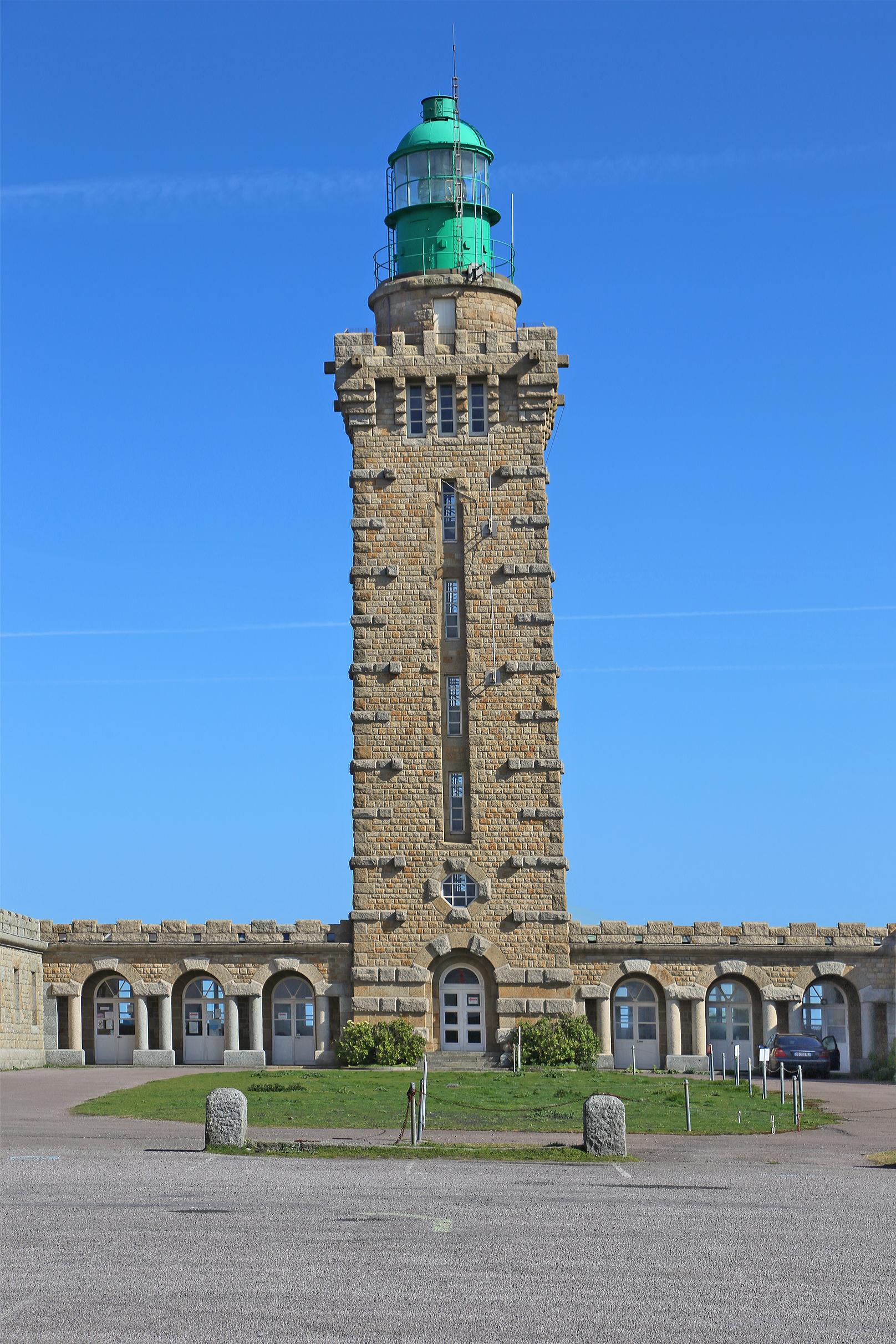
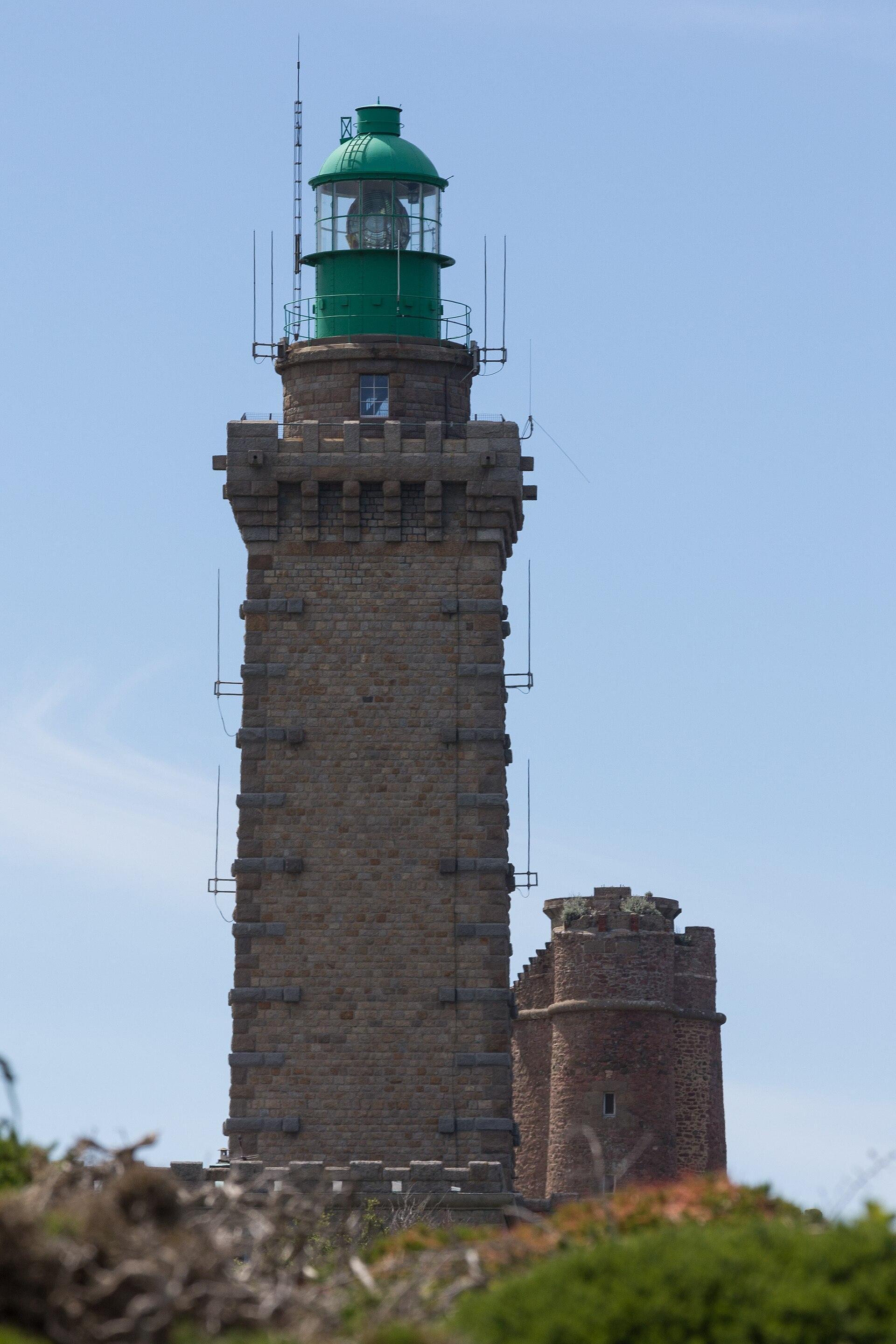
A 32.85 m square tower rebuilt after 1944, with a white light visible 29 nautical miles away, among the cliffs and heathland of Cap Fréhel.
- Suggested time
- 1 h 30 to 3 h, or half a day with a walk to Fort La Latte
- Type of place
- Major lighthouse open to visitors, listed as a historic monument
- Atmosphere
- Grandiose, natural, historic and panoramic
- Getting there
- Cap Fréhel, Plévenon. Grand Site car park nearby. The lighthouse is open to the public on set dates, and visits after the light is switched on may be offered in summer.
Who this place suits
- With family
- 9/10
- As a couple
- 9/10
- With friends
- 8/10
- Solo
- 9/10
- With a dog
- 7/10
- Reduced mobility
- 5/10
These scores are calculated from what the page records: official rating, facilities, difficulty, duration and location. They are a guide, not a substitute for contacting the venue, especially about accessibility.
About
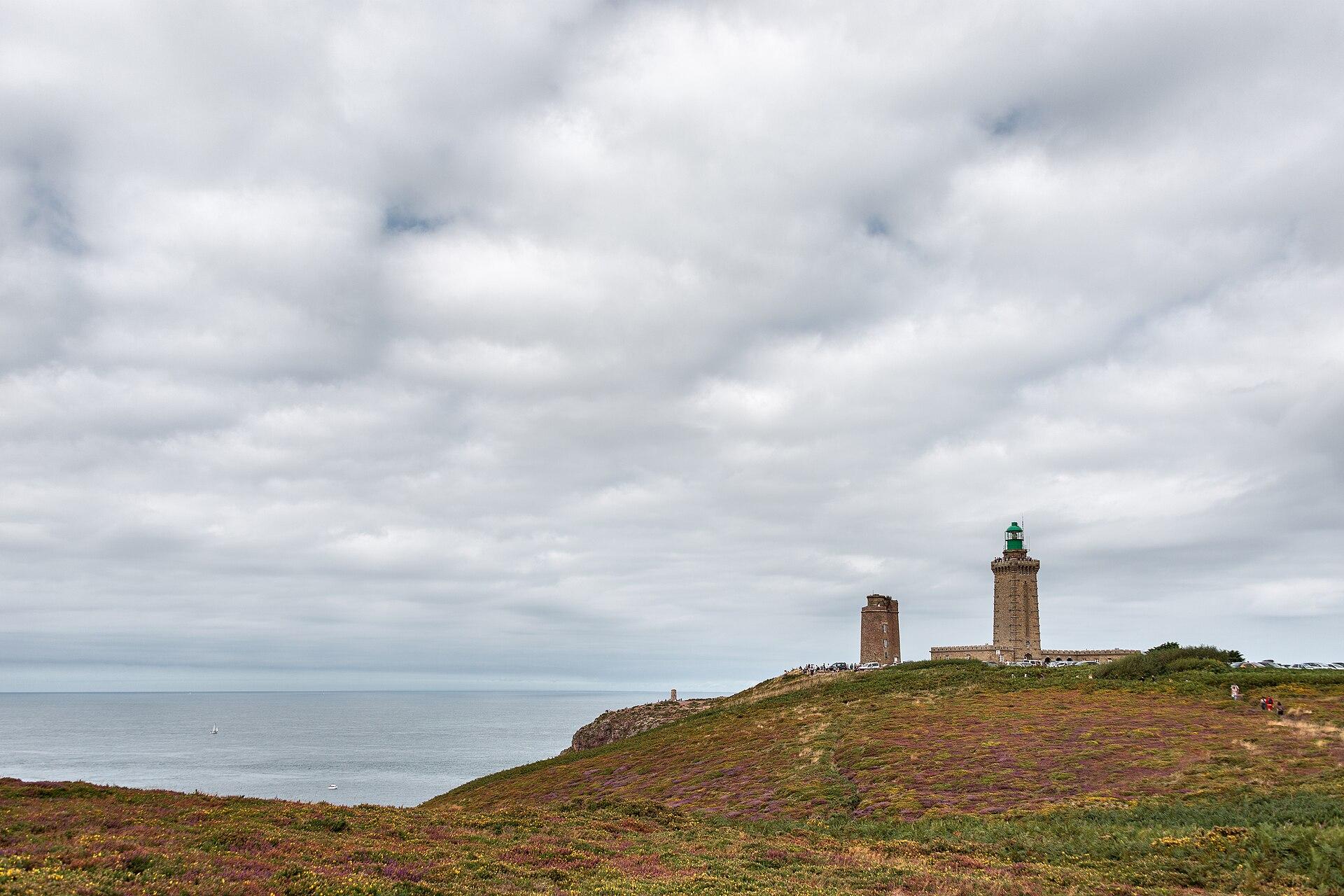
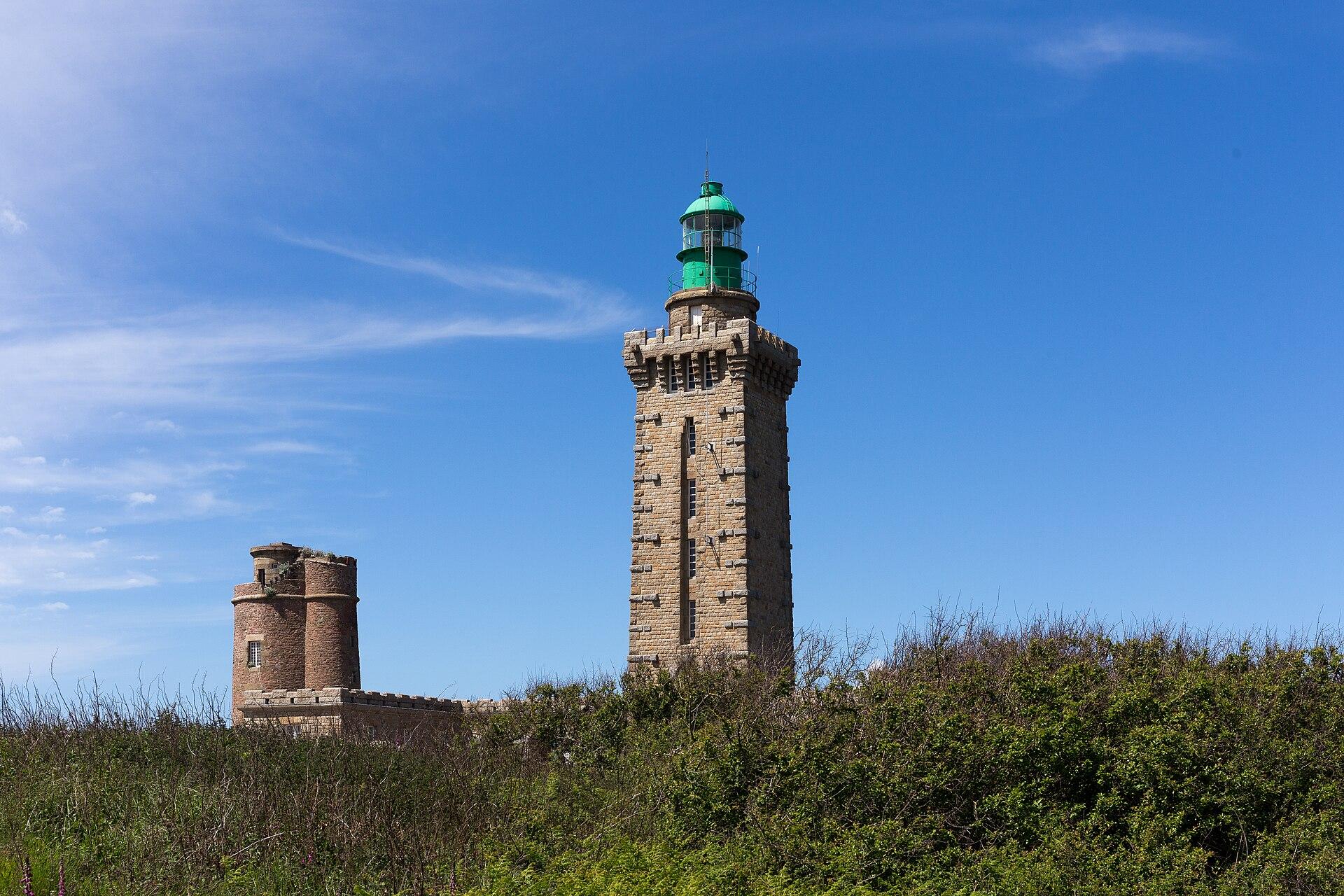
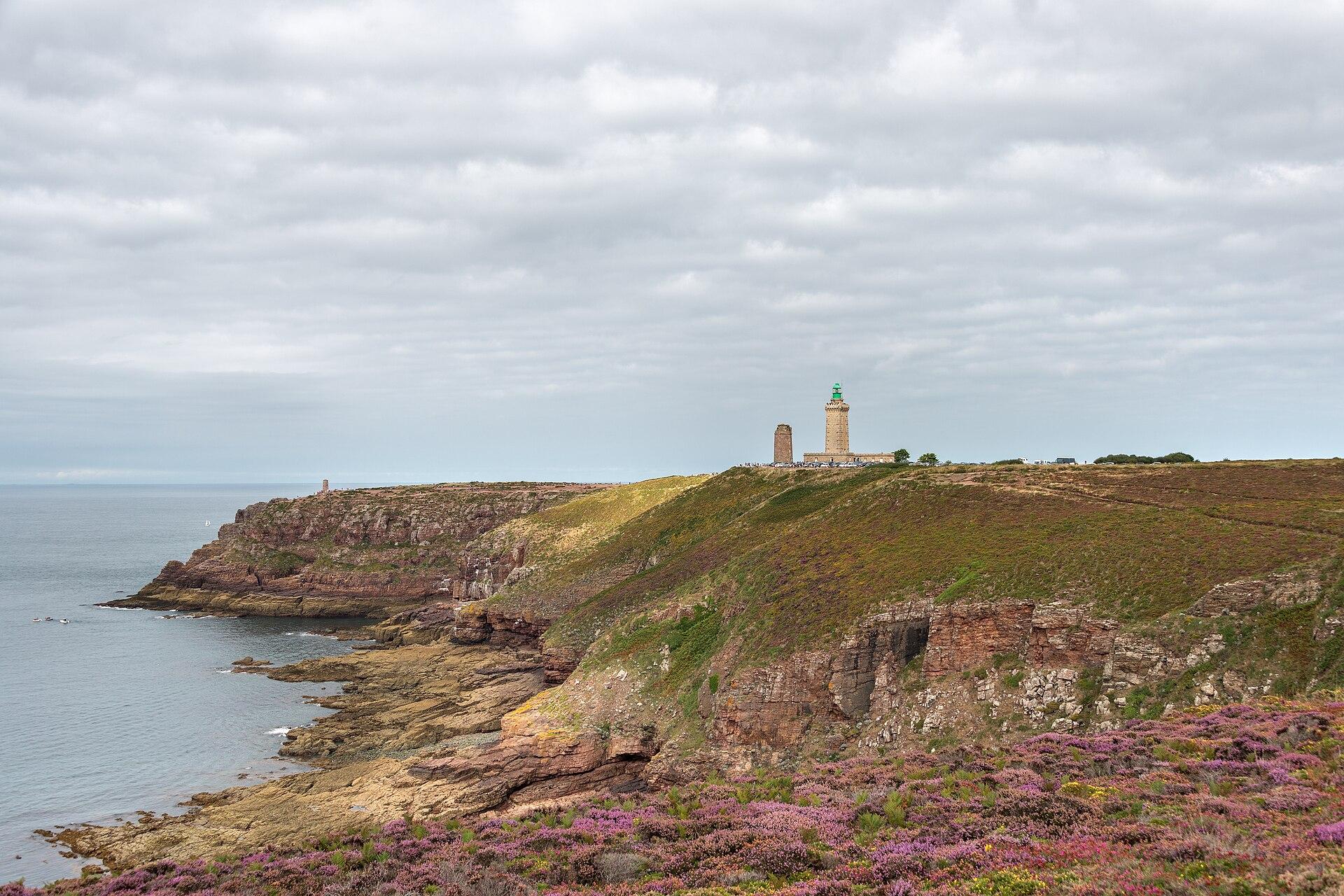
Cap Fréhel brings several generations of lighthouses together in a single landscape. A first beacon is recorded around 1650. After an inspection by Vauban, a tower designed by Garengeau was lit in 1702, and it can still be seen today. In the 19th century, growing sea traffic led to the building of a new octagonal tower, designed by Léonce Reynaud and lit in 1847. This second tower was destroyed by German troops on 11 August 1944. The old 1702 tower then went back into service for a while, until the current lighthouse was completed. Rebuilding began in 1947 under the architect Yves Hémar, and the light of the third lighthouse was switched on on 1 July 1950. The square tower is 32.85 metres high. Its white light gives two grouped flashes every ten seconds and can be seen 29 nautical miles away. Listed as a historic monument since 2011 and open to the public, the lighthouse stands in a landscape of pink sandstone cliffs, heathland and open sea that is reason enough to come. The climb helps you understand how far the cape juts out between the bay of Saint-Brieuc and the Saint-Malo roadstead. The site is also linked to the GR34 and to Fort La Latte, so it can be the highlight of a half day or a whole day.
What you will see
- Height: 32.85 m.
- Light: two grouped white flashes every 10 seconds, visible 29 nautical miles away.
- Optics: rotating, four panels, 0.50 m focal length; 250 W lamp.
- In service since 1 July 1950, remotely monitored by the Phares et Balises team in Saint-Malo.
- Around 1650: the first known beacon on the cape.
- 1694: Vauban recommends building a real tower.
Show 7 more pointsHide
- 1702: the tower built by Garengeau is lit.
- 1847: the second tower, by Léonce Reynaud, is lit.
- 5 June 1903: the current rhythm of two flashes every ten seconds is adopted.
- 11 August 1944: the 19th century lighthouse is destroyed.
- 1947: rebuilding begins; 1 July 1950: the current lighthouse is lit.
- 23 May 2011: listed as a historic monument.
- Families: an excellent family site, rich in nature and heritage. Whether children can climb the lighthouse depends on their age, how comfortable they are on stairs and the rules of the day.
Practical information
- Getting there
- Cap Fréhel, Plévenon. Grand Site car park nearby. The lighthouse is open to the public on set dates, and visits after the light is switched on may be offered in summer
- Parking
- Paid parking all year; disabled spaces available, with free parking for disabled badge holders.
- Pets
- Rules vary with the natural areas and the season. Keep dogs on a lead and stay away from nesting areas
- Accessibility
- Disabled parking spaces, wheelchair access to the foot of the lighthouse along a path (the climb up the tower is not accessible).
- Safety
- Very high cliffs exposed to the wind. Strictly follow barriers and paths. Never go near the edge for a photo
- Best time
- Clear weather, morning or late afternoon; the lighthouse opens in season.
- Photography
- The tower looks best with the heathland, the old 1702 tower or the cliffs. Late afternoon light brings out the pink sandstone and the relief
- Nearby
- Fort La Latte, the GR34, Anse des Sévignés, Plévenon, Sables-d’Or-les-Pins, Cap d’Erquy
Tips on the spot
- Check the opening times on the day: openings can be seasonal or cancelled because of the weather.
- Allow 1 h 30 to 3 h, or half a day with the walk to Fort La Latte, so the visit is more than a photo stop.
- Check the weather and above all the wind, which can make a coastal site much less comfortable.
- On the cliffs, stay behind the barriers and on the paths, even if a better photo angle seems close.
- In summer, come early in the morning or late in the day, when the site is less busy.
Show 7 more tipsHide
- In winter, expect it to feel much colder than the forecast because of the wind and sea spray.
- A wide-angle lens works well here, to show the lighthouse with the cliffs and the heathland.
- Bring binoculars to see the architectural details without leaving the permitted areas.
- Look for the differences between the current tower and the old 1702 tower nearby.
- Respect the vegetation and the nesting areas: the site is protected.
- For sunset, plan your way back before dark: the site has no lighting.
- Prices, opening times and evening visits can change from one season to the next.
Frequently asked questions
Can you visit Cap Fréhel Lighthouse?
Yes, during its opening times. It is on Cap Fréhel, in Plévenon, with the Grand Site car park nearby. Visits after the light is switched on may be offered in summer.
How much time should I allow?
1 h 30 to 3 h, or half a day with a walk to Fort La Latte.
What makes the site special?
You climb a major lighthouse while discovering an outstanding natural site and more than three centuries of history of guiding ships.
What is the atmosphere like?
Grandiose, natural, historic and panoramic.
Is the site free?
Looking at the lighthouse from outside can be free, but the visit inside and some facilities are paid, depending on the calendar.
When is the best time for photos?
The tower looks best with the heathland, the old 1702 tower or the cliffs. Late afternoon light brings out the pink sandstone and the relief.
Stay in Plévenon
Places to stay that are still available, with current prices, compared across the main booking platforms.
Partner link: a booking made from this map may earn us a commission, at no extra cost to you.
Read in the journal
- ChristmasWhat to do in Côtes-d’Armor during the Christmas holidaysDinan in winter, scallops, the birds of the bay and Cap Fréhel in the wind: our ideas for the 2026 Christmas holidays in Côtes-d’Armor.
- SeasonWhat to do in Côtes-d’Armor at All Saints’Pink granite, Cap Fréhel, Bréhat, the scallop season and castles: our ideas for the 2026 All Saints’ holidays in Côtes-d’Armor.
- RankingThe most beautiful beaches in Côtes-d’ArmorSaint-Guirec and Trestraou in Perros-Guirec, Coz-Pors, the Plage Bonaparte, Val-André and Cap d’Erquy: our selection of the most beautiful beaches in Côtes-d’Armor.
Traveller reviews
Nobody has reviewed this place yet.
Photographs: W. Bulach · CC BY-SA 4.0 · Wikimedia Commons · Giorgio Galeotti · CC BY 4.0 · Wikimedia Commons · Pymouss · CC BY-SA 4.0 · Wikimedia Commons