
Village
Camaret-sur-Mer
Camaret-sur-Mer · Finistère
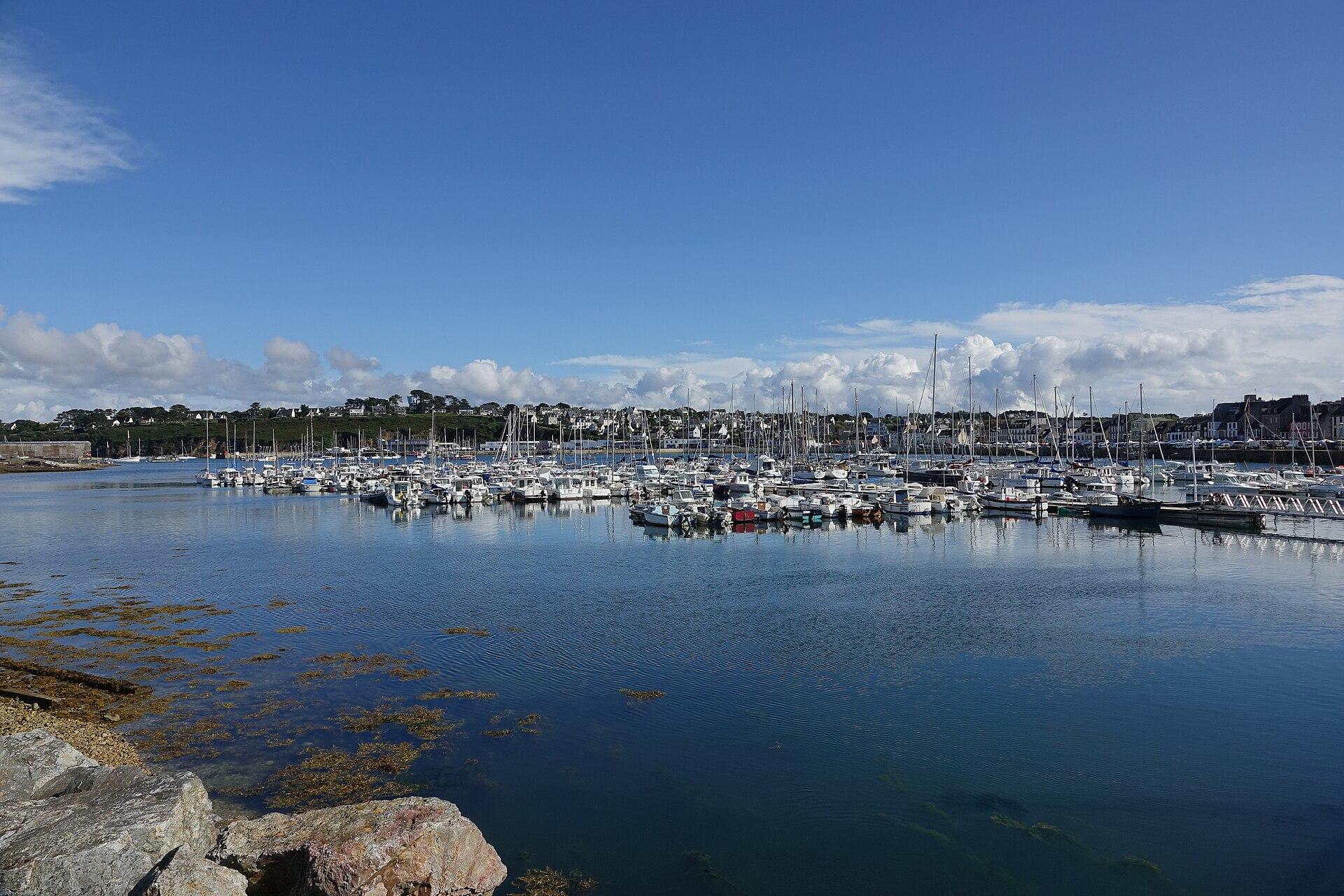
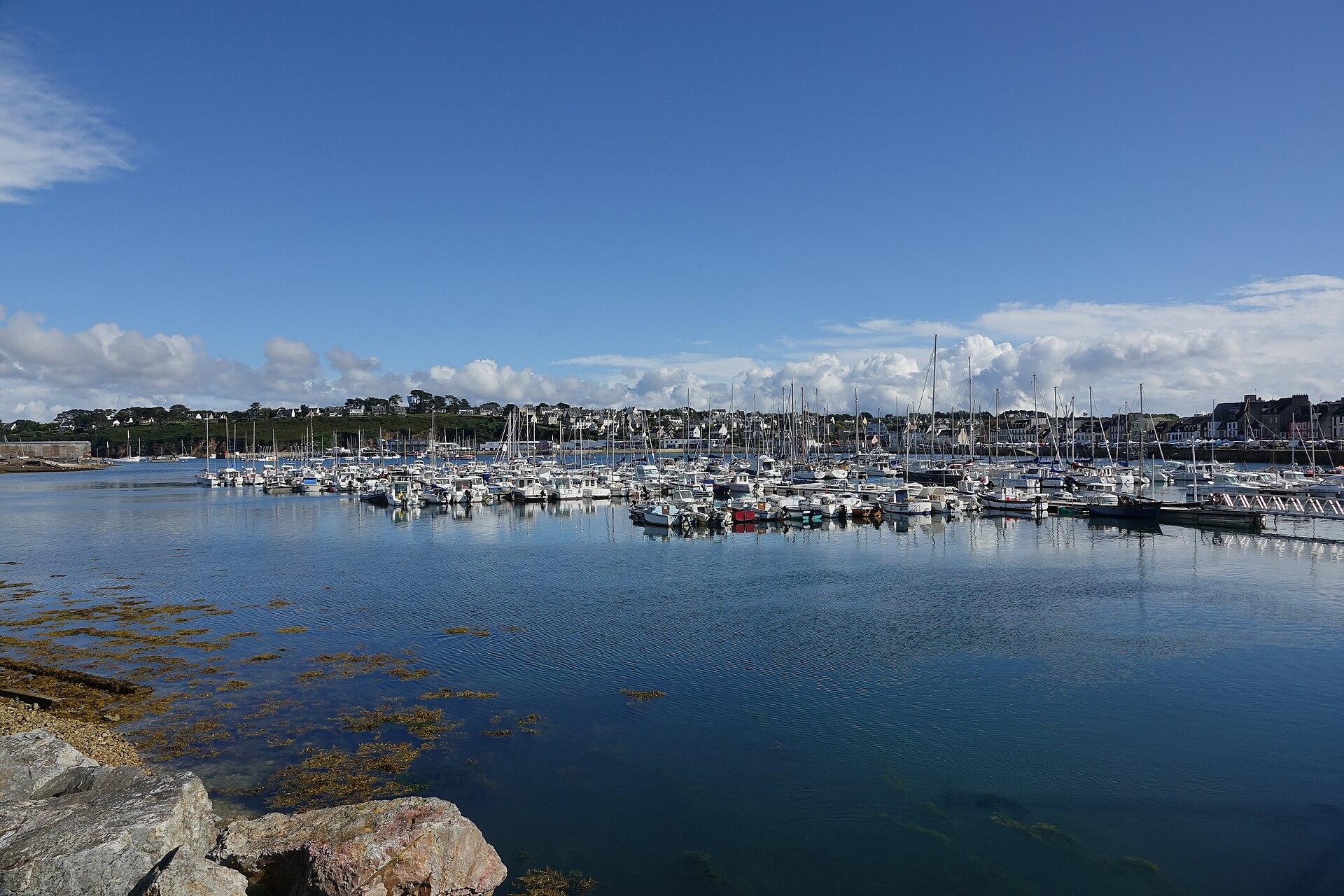
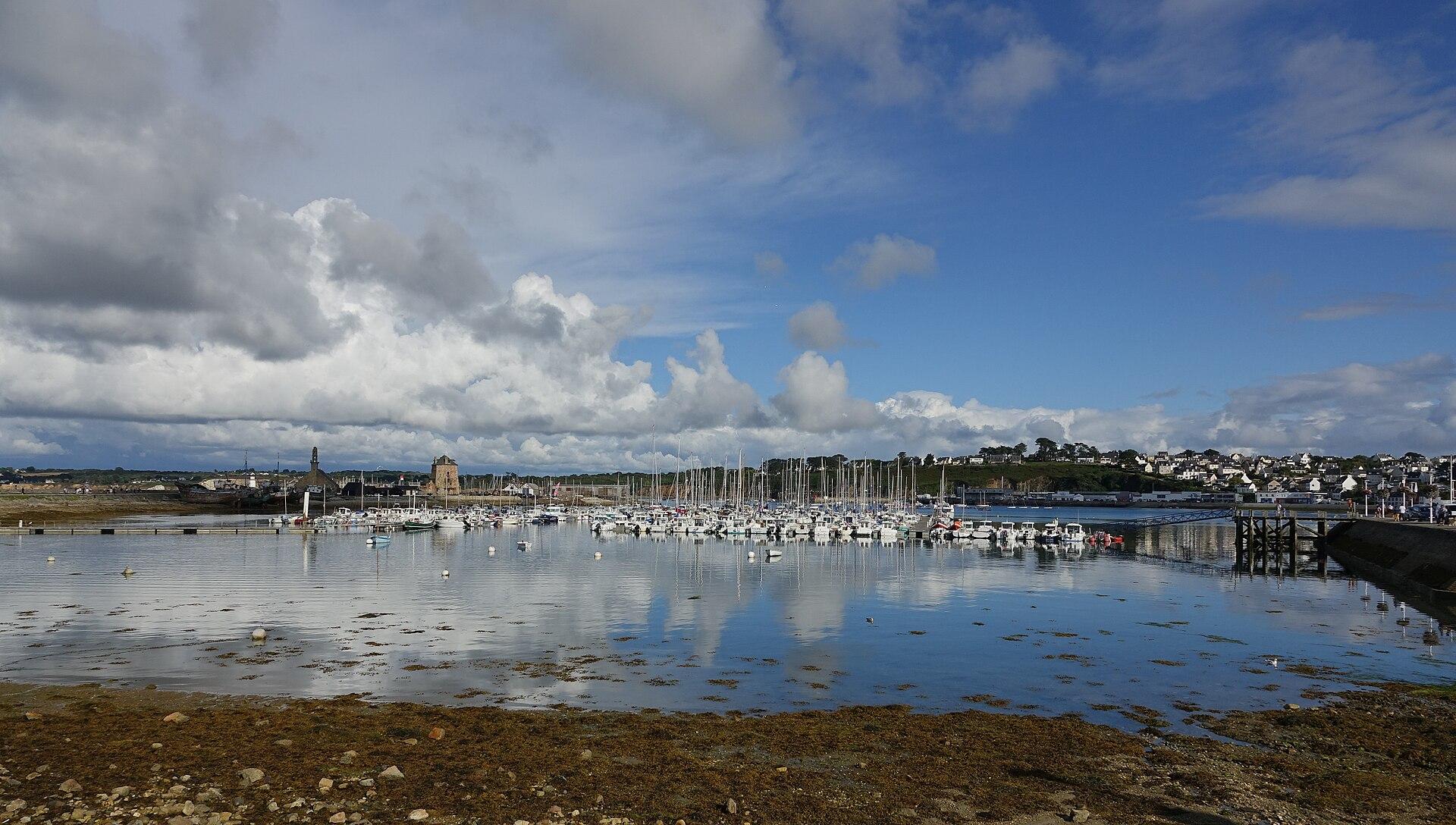
At the tip of the Crozon peninsula, Camaret-sur-Mer combines a characterful harbour, the UNESCO-listed Tour Vauban, the chapel of Notre-Dame-de-Rocamadour, the Lagatjar standing stones and cliffs open to the Iroise Sea.
- Suggested time
- Half a day minimum, ideally a full day with Lagatjar and the Pointe de Pen-Hir
- Type of place
- Characterful harbour and maritime town on the Crozon peninsula
- Atmosphere
- Maritime, artistic, historic and wild
- Getting there
- West of the Crozon peninsula, by road via Crozon. The harbour, the Sillon and the Tour Vauban are explored on foot. A car or bike is useful for Lagatjar, Pen-Hir and the sites further away.
Who this place suits
- With family
- 10/10
- As a couple
- 10/10
- With friends
- 9/10
- Solo
- 10/10
- With a dog
- 8/10
- Reduced mobility
- 6/10
These scores are calculated from what the page records: official rating, facilities, difficulty, duration and location. They are a guide, not a substitute for contacting the venue, especially about accessibility.
About
Camaret-sur-Mer offers one of the most complete visits on the Crozon peninsula. The harbour is first of all the heart of the visit, with its quays, old fishermen’s houses, boats and long maritime history. On the Sillon stand the chapel of Notre-Dame-de-Rocamadour and the Tour Vauban, also called the Tour Dorée, part since 2008 of the Fortifications of Vauban serial site on the UNESCO World Heritage list. The chapel remains closely linked to sailors and keeps the memory of the Battle of Trez Rouz in 1694. Further on, the Lagatjar megalithic alignments recall a much older occupation of the area. Camaret is also inseparable from crayfish fishing, boatbuilding, sea rescue and the many artists drawn by the light of the roadstead. The visit then benefits from leaving the harbour for the Pointe de Pen-Hir, the Tas de Pois and the cliffs of the west coast. This mix of heritage, megaliths, military history and seascape explains why Camaret can easily fill a whole day.
What you will see
- Free access to the harbour and outdoor areas; the Tour Vauban and cultural sites depend on opening times.
- UNESCO: the Tour Vauban has been part of the World Heritage Fortifications of Vauban since 2008.
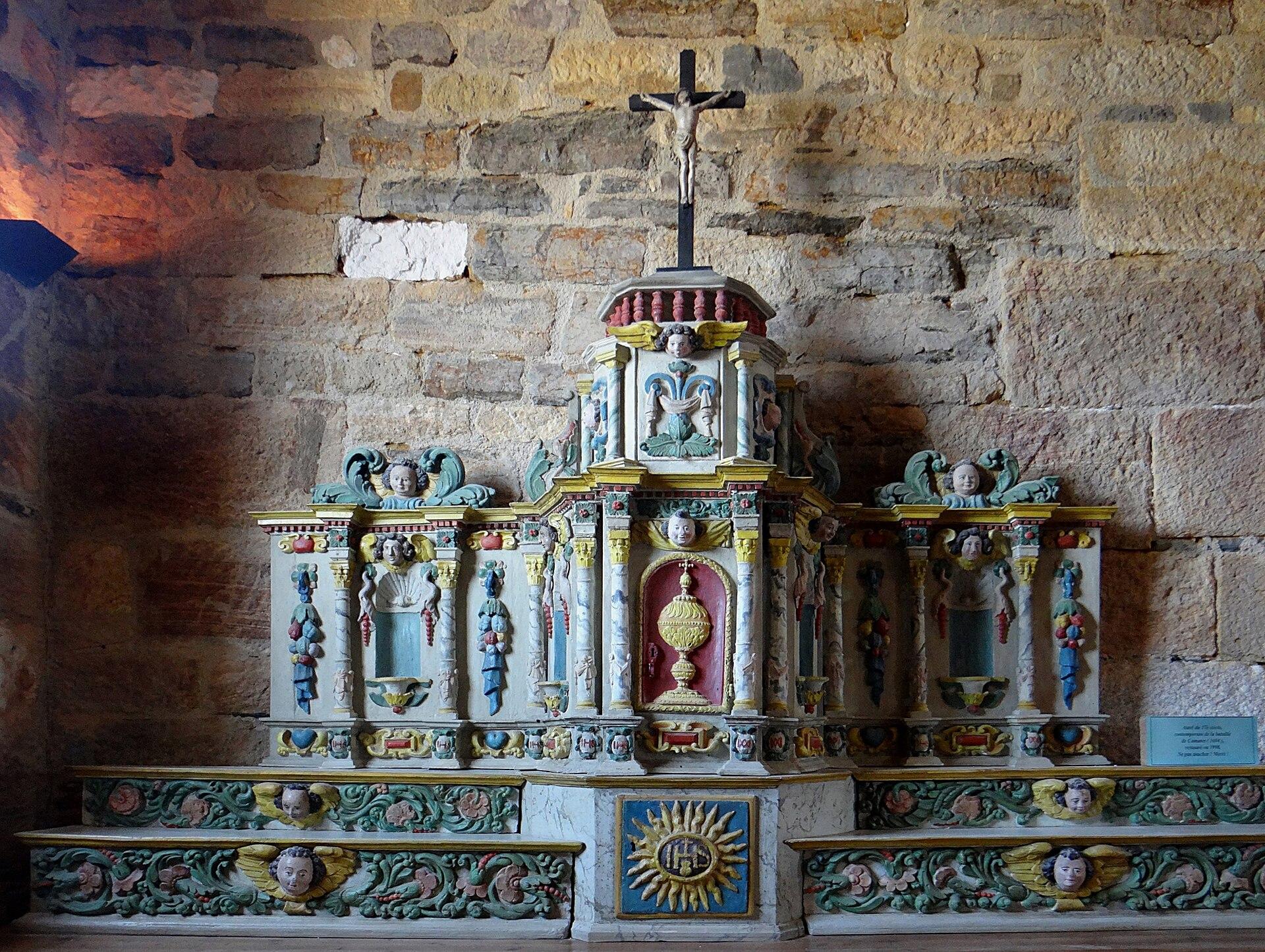
- Chapel: Notre-Dame-de-Rocamadour, a sailors’ sanctuary on the Sillon.
- Megaliths: the Lagatjar alignments.
- Harbour: a marina and former fishing port.
- SNSM: a sea rescue station founded in 1867.
Show 7 more pointsHide
- Camaret’s maritime vocation is old and still shapes the harbour today.
- The Tour Vauban was built as part of the defensive system designed to protect the roadstead of Brest.
- The chapel is closely linked to sailors and local memory; the Battle of Trez Rouz in 1694 holds an important place in the site’s history.
- Fishing, especially for crayfish, deeply shaped Camaret’s economy and identity, as did boatbuilding and the shipyards on the harbour front.
- Many painters and artists were drawn by Camaret’s light and landscapes.
- Not to be missed: the Tour Vauban, the chapel of Notre-Dame-de-Rocamadour, the Sillon, the harbour quays, the Lagatjar alignments, the Pointe de Pen-Hir, the Tas de Pois, the Battle of the Atlantic Memorial, the old boat graveyard, the seafront, the artists’ galleries and studios.
- Recommended: start on the quays and walk slowly across the Sillon, visit the Tour Vauban when it is open, go into the chapel of Notre-Dame-de-Rocamadour, look at the old boats and traces of maritime history, make a detour to the Lagatjar alignments, head to Pen-Hir late in the day for the cliffs and the Tas de Pois, and walk part of the GR34.
Practical information
- Getting there
- West of the Crozon peninsula, by road via Crozon. The harbour, the Sillon and the Tour Vauban are explored on foot. A car or bike is useful for Lagatjar, Pen-Hir and the sites further away
- Food
- Enjoy fish, seafood, crêpes and peninsula produce. The harbour restaurants are the most obvious place for a break
- Parking
- Via the centre or the harbour of Camaret-sur-Mer; parking is tighter in summer and on sunny weekends
- Pets
- An easy outdoor walk with a dog on a lead. Check the rules for monuments and protected areas
- Accessibility
- The harbour and the Sillon are easier to reach than some natural sites. The cliffs and Lagatjar can have uneven ground
- With family
- A very good family destination, with the harbour, the Tour Vauban, the megaliths and wide open spaces. At Pen-Hir, keep a constant eye on children
- Landscape
- The gateway to Pen-Hir and the Tas de Pois
- Safety
- The quays are easy to walk, but the Pen-Hir cliffs are very exposed. Respect the barriers and stay well back from the edge in strong wind or swell
- Best time
- April to October for the visits and long days. June and September are an excellent compromise between light and crowds
- Photography
- The best shots bring together the Tour Vauban, the chapel and the harbour. Pen-Hir is spectacular late in the day. At Lagatjar, choose low light to give the stones relief
- Nearby
- The Pointe de Pen-Hir, the Tas de Pois, Crozon
Tips on the spot
- Arrive before 10 am in high season for fewer people; late afternoon is also calmer.
- Use the official car parks and finish on foot; on market days or big events, allow more time to park.
- Wear good shoes for cobbles, quays, paths and steps.
- Start at the tourist office or an interpretation trail if there is one; guided tours give a much richer reading of local history.
- Check the opening times of monuments and activities on the day; in winter, some close earlier.
Show 7 more tipsHide
- Take time for the side streets and small details.
- Respect the residents in the most photographed streets, and never block a private entrance for a photo.
- Have lunch early or late to find a table more easily in high season.
- In autumn, the low light and fewer visitors can be excellent.
- Allow half a day minimum, ideally a full day with Lagatjar and the Pointe de Pen-Hir.
- Arrive before 10 am in high season.
- For a full day, add Crozon.
Frequently asked questions
How much time should I allow?
Half a day minimum, ideally a full day with Lagatjar and the Pointe de Pen-Hir.
Is the visit free?
Exploring outdoors is free. Some monuments, museums, tours and activities are paid.
What makes it special?
Going from an old maritime harbour to a world-famous Vauban site, then on to the megaliths and the great landscapes of the Pointe de Pen-Hir.
What is the atmosphere like?
Maritime, artistic, historic and wild.
When is the best time to come?
April to October for the visits and long days. June and September are an excellent compromise between light and crowds.
What are the must-sees?
The Tour Vauban, the chapel of Notre-Dame-de-Rocamadour, the Sillon, the harbour quays, the Lagatjar alignments, the Pointe de Pen-Hir, the Tas de Pois and the Battle of the Atlantic Memorial.
Stay in Camaret-sur-Mer
Places to stay that are still available, with current prices, compared across the main booking platforms.
Partner link: a booking made from this map may earn us a commission, at no extra cost to you.
Read in the journal
- ChristmasWhat to do in Finistère during the Christmas holidaysChristmas at Trévarez, the Quimper Christmas village, Locronan lit up, Océanopolis and wild headlands: our ideas for the 2026 Christmas holidays in Finistère.
- DepartmentWhat to do in FinistèreThe tip of Brittany, from the Pays des Abers to the Bay of Concarneau: lighthouses, coves and towns of character.
- SeasonWhat to do in Finistère during the All Saints’ holidaysThe Pointe du Raz, Océanopolis, the Huelgoat forest, spring tides and the legends of the Monts d’Arrée: our ideas for All Saints’ 2026 in Finistère.
Traveller reviews
Nobody has reviewed this place yet.
Photographs: Gzen92 · CC BY-SA 4.0 · Wikimedia Commons · Wayne77 · CC BY-SA 4.0 · Wikimedia Commons · Unukorno · CC BY 4.0 · Wikimedia Commons