Department
What to do in Finistère
The tip of Brittany, from the Pays des Abers to the Bay of Concarneau: lighthouses, coves and towns of character.
8 min read
Finistère comes from the Latin finis terrae, the end of the land, and the Breton name says the same thing: Penn-ar-Bed, the end of the world. It is the westernmost department in France, and the one with the longest coastline in France: one thousand two hundred and seventy three kilometres of coast, and one thousand four hundred and thirty including the islands, spread over a hundred and eighteen coastal municipalities.
It is divided into two worlds that nothing prepares to resemble each other. The north, around Brest and the Abers, is battered by the winds and cut into deep rias. The south, from Douarnenez to Concarneau, is gentler and more sheltered, with sandy beaches and clearer water.
Lighthouses found nowhere else
The Iroise Sea has the greatest concentration of lighthouses in the world. The reason is simple: it is one of the most dangerous passages in Europe, and the Fromveur, between Ouessant and Molène, carries the fastest current on the continent, eight to ten knots. La Jument, Kéréon, Ar-Men: these are the lighthouses of hell, so called because they stand in the open sea and their keepers stayed there for weeks.
The lighthouses of Finistère
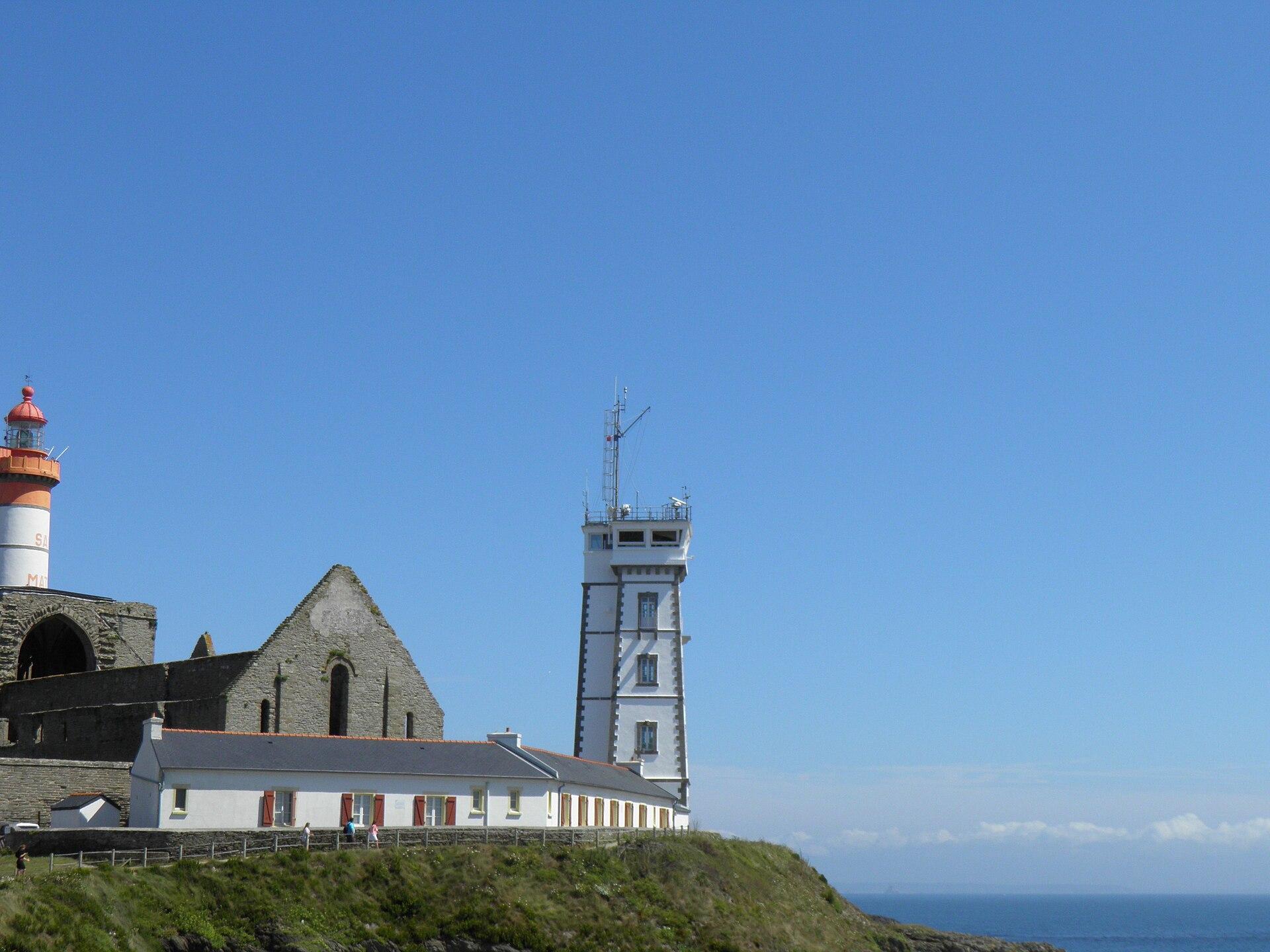 LighthouseSaint-Mathieu LighthousePlougonvelin · 1 h 30 to 3 h, more with the memorial and a stretch of the GR34A 37 m tower lit in 1835, 163 steps, a white flash every 15 seconds and an exceptional view over the Iroise Sea, among the ruins of the abbey.
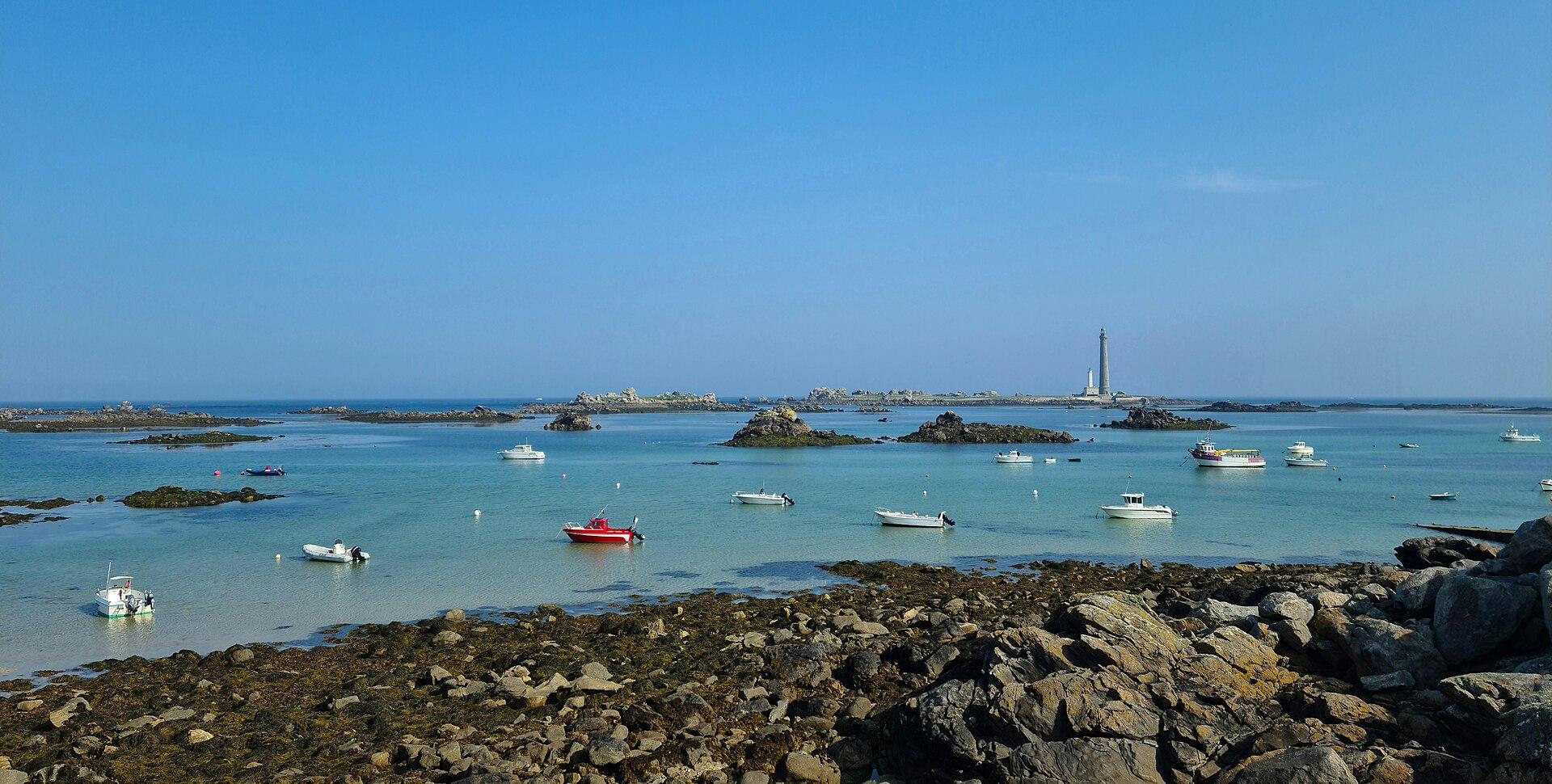 LighthouseÎle Vierge LighthousePlouguerneau · 2 hours to half a day, depending on the option.The tallest lighthouse in Europe and the tallest cut-stone lighthouse in the world, 82.50 m and 397 steps, closed to climbing in 2026 for restoration.
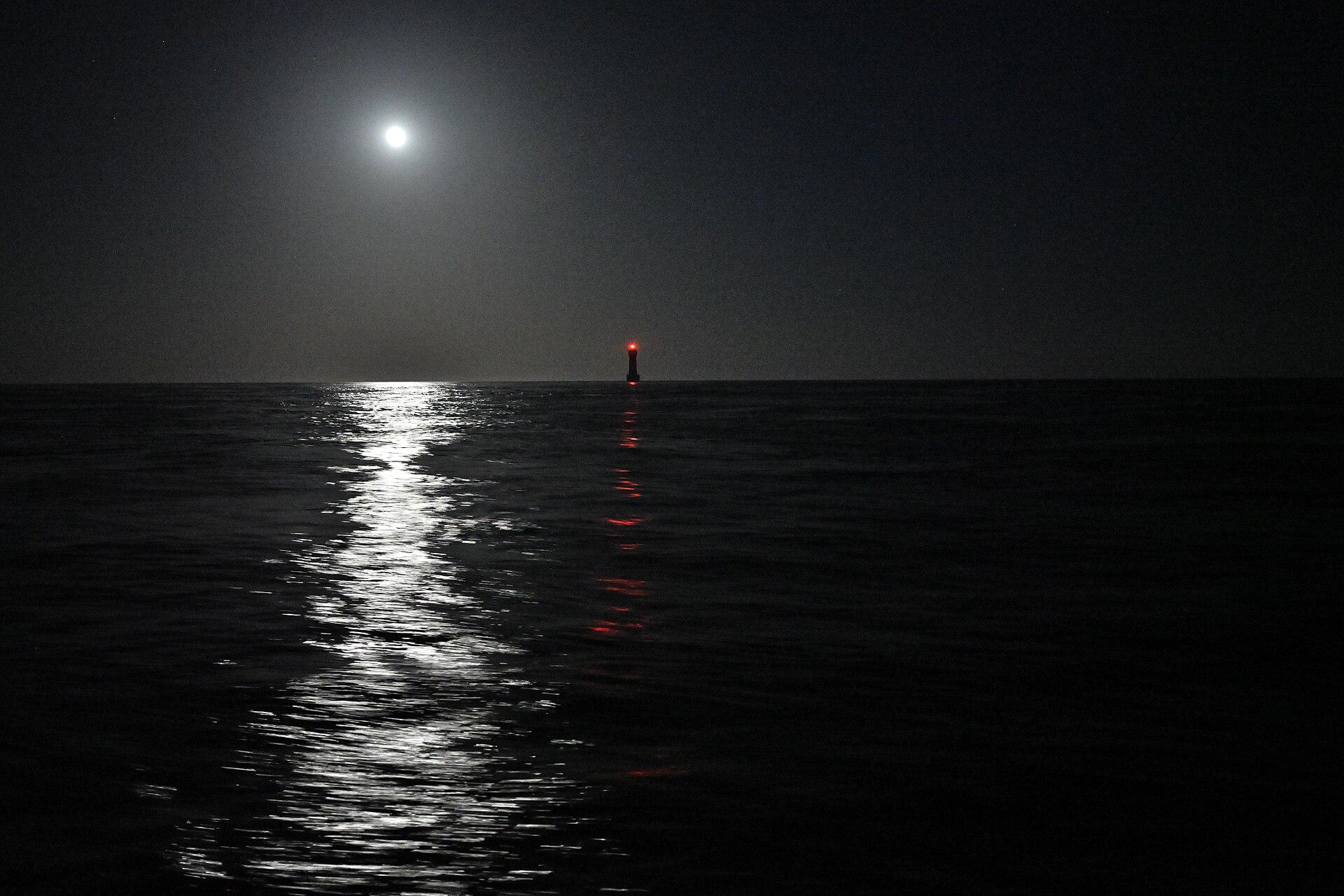 LighthouseLa Jument LighthouseOuessant · Depends on the viewpoint or the boat trip.A legendary 47.40 m lighthouse at sea, built from 1904 to 1911 on the Ar Gazeg reef, with a red light of three flashes and a current range of 10 nautical miles.
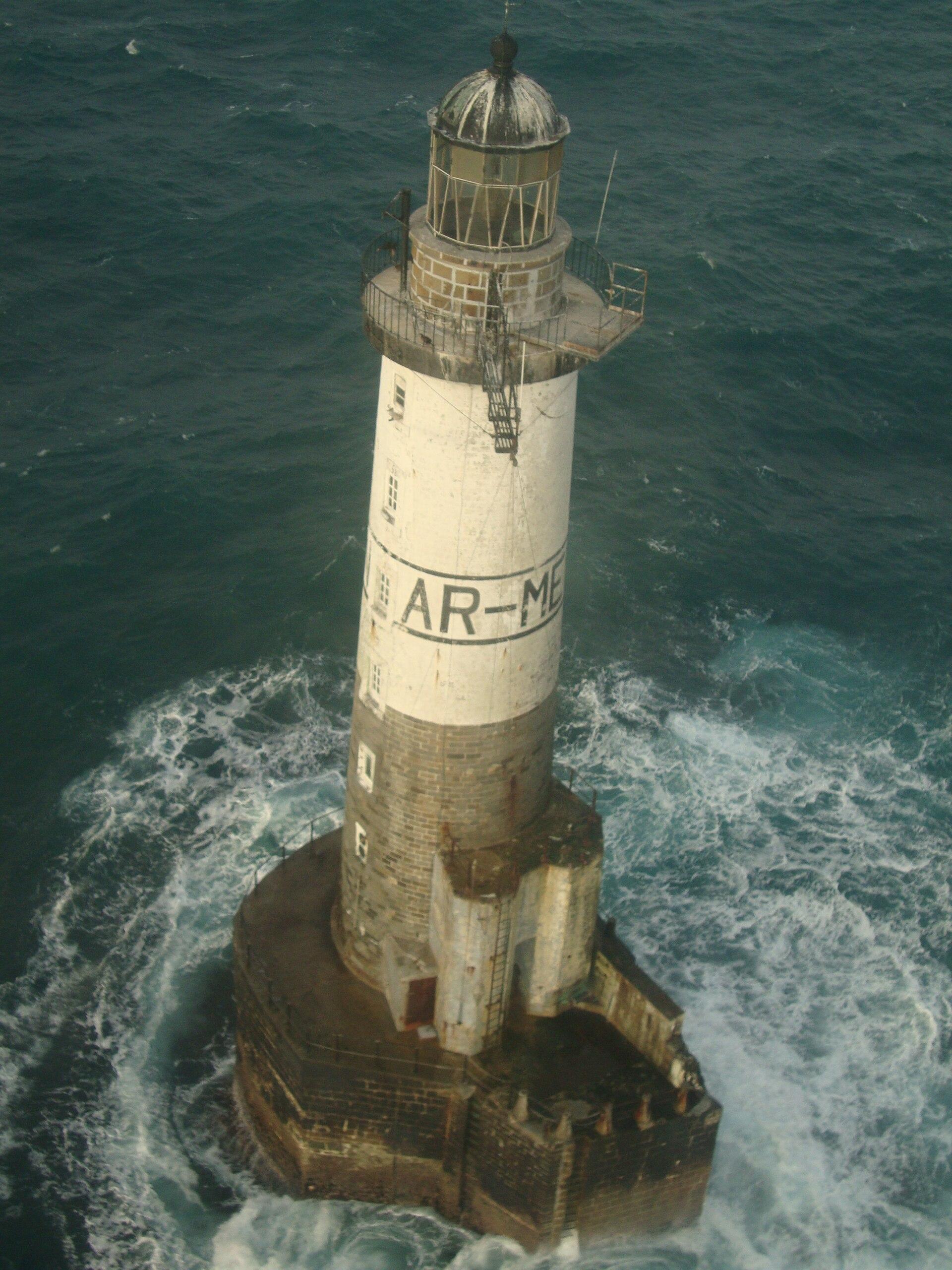 LighthouseAr-Men LighthouseChaussée de Sein · Depends on the boat trip.A legendary lighthouse out at sea, built on the Chaussée de Sein between 1867 and 1881, 37 m high and listed as a historic monument.
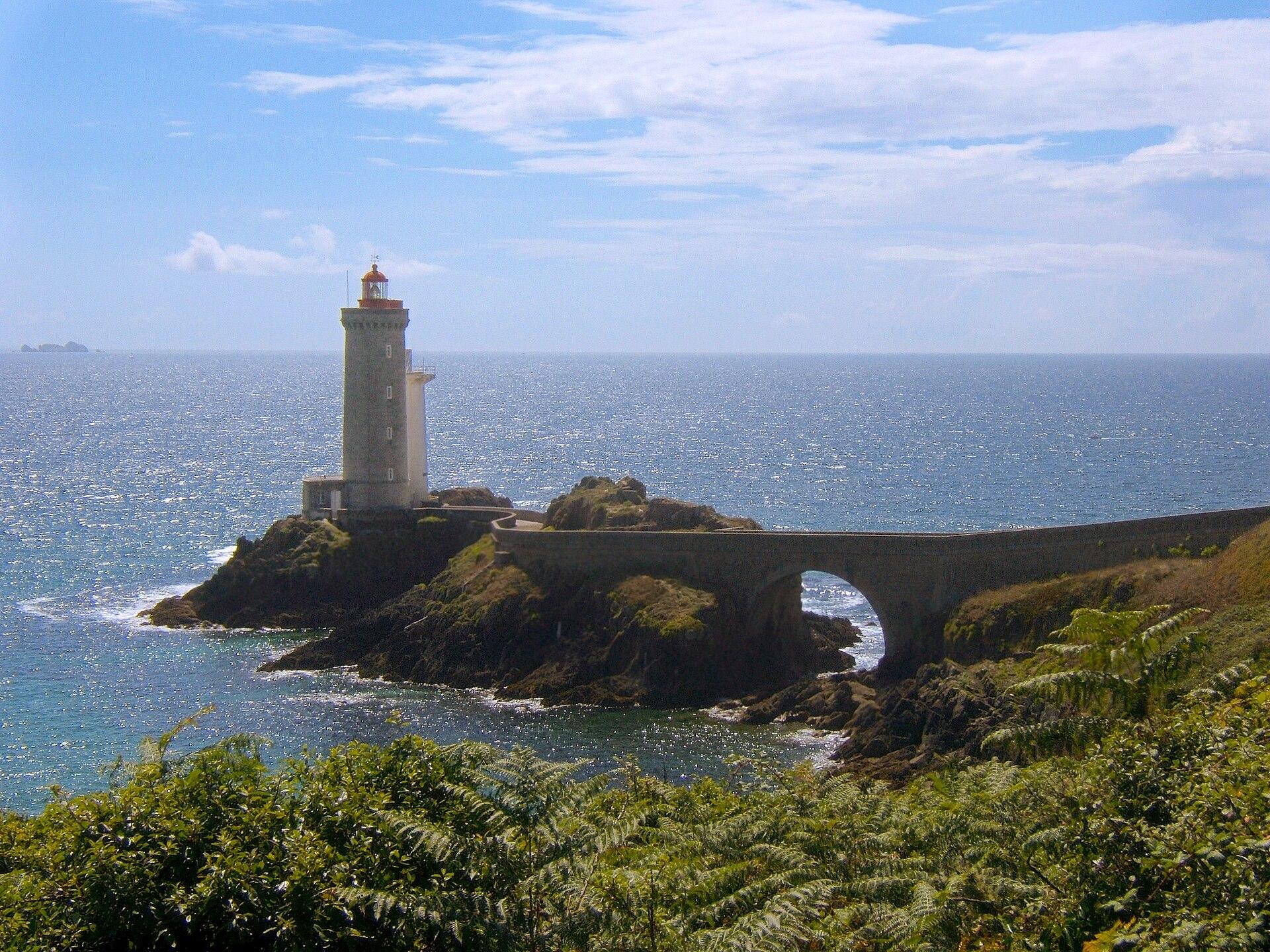 LighthousePetit Minou LighthousePlouzané · 45 min to 1 h 30, more with a coastal walk or the beachA 26-metre tower linked to the land by a stone bridge, in service since 1848 and aligned with the Portzic to guide ships into the Brest roadstead.
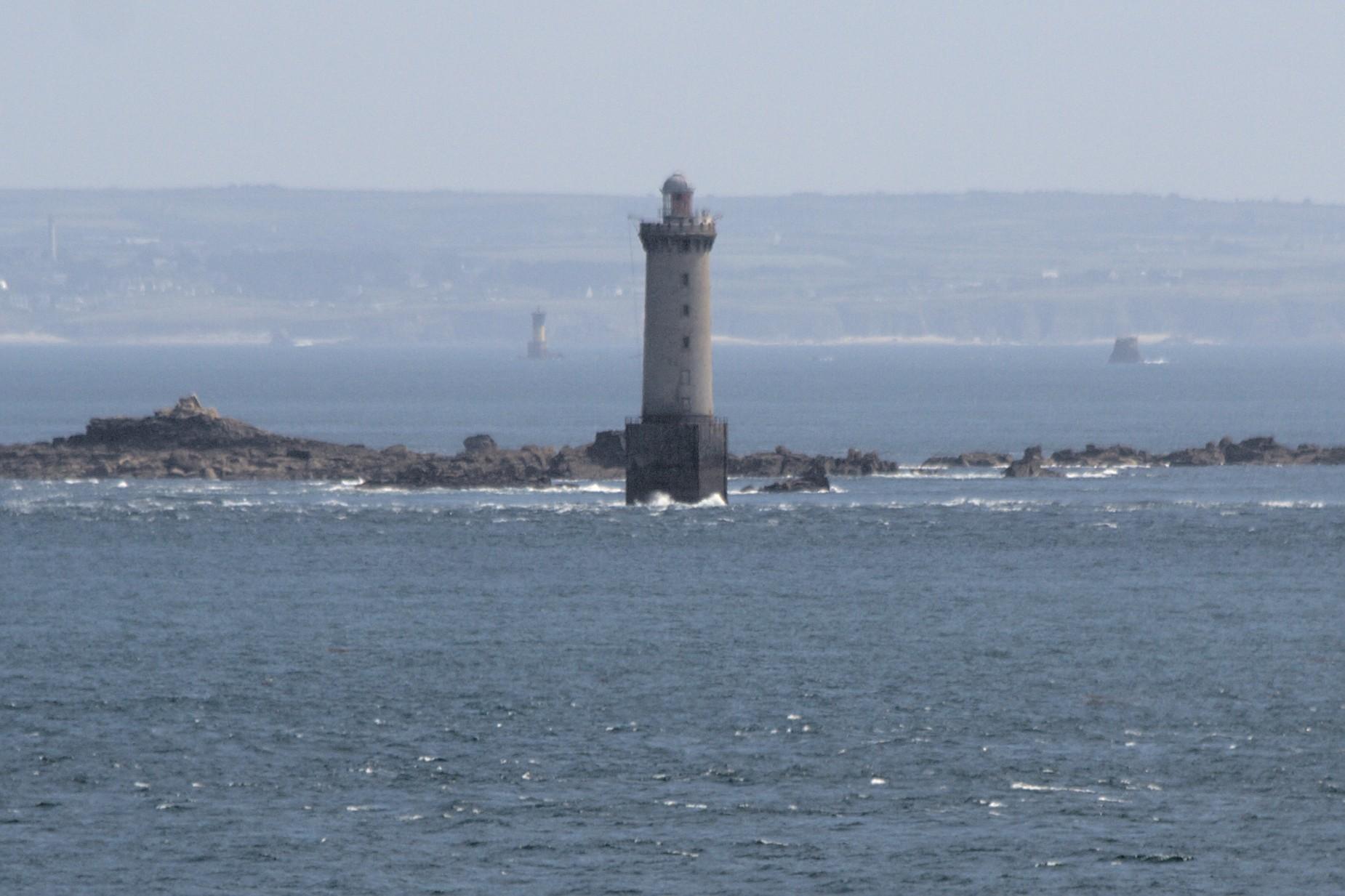 LighthouseKéréon LighthouseMer d’Iroise · Depends on the boat trip.A 45 m lighthouse at sea in the Fromveur passage, in service since 1916, famous for its exceptional interior and listed as a historic monument.
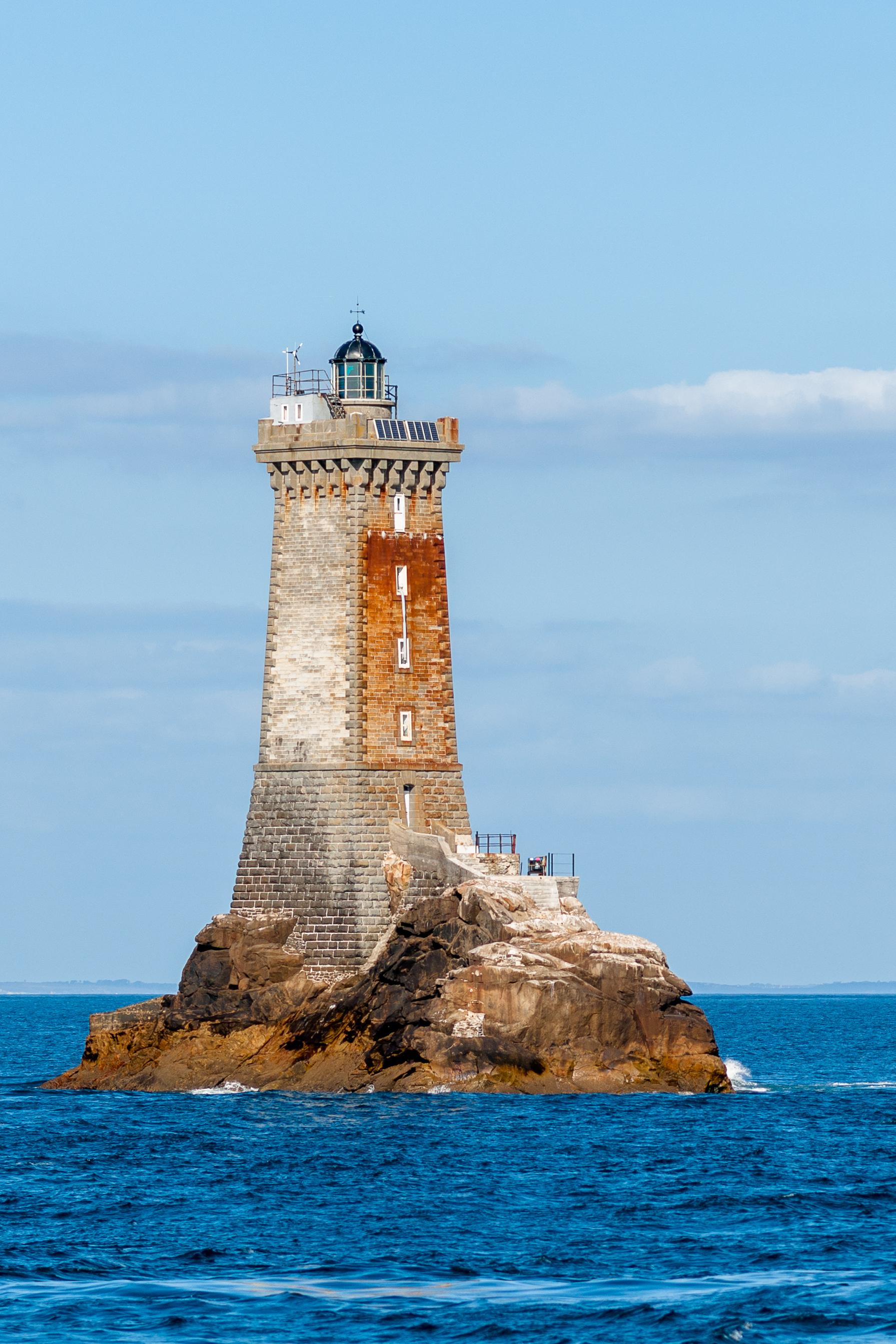 LighthouseLa Vieille LighthousePointe du Raz · 30 to 60 minutes from the Pointe du Raz viewpoints.A 27 m lighthouse at sea built from 1882 to 1887 on Gorlebella, with 120 steps, a sector light and one of the most famous keeper histories in France.
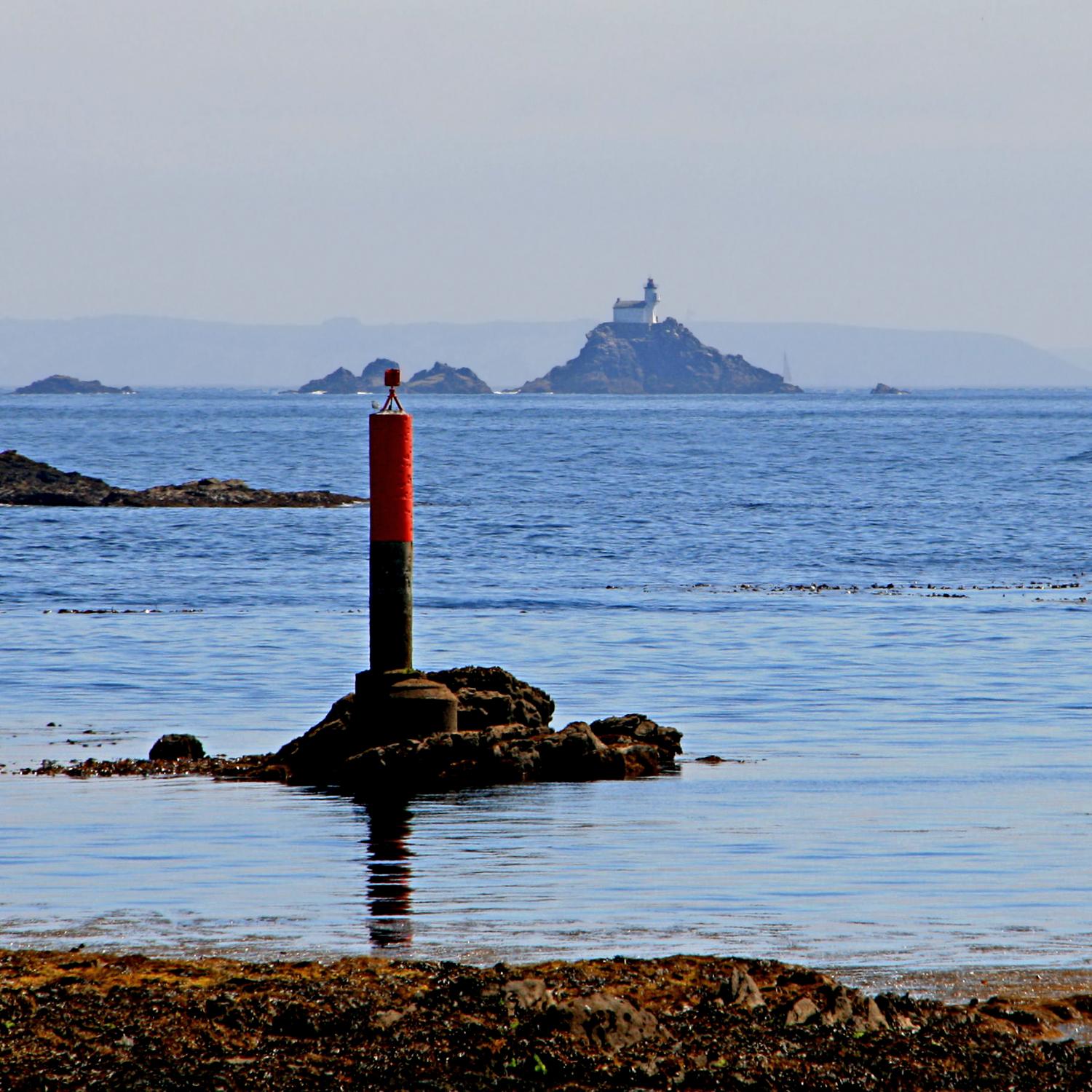 LighthouseTévennec LighthouseRaz de Sein · 30 minutes to 1 hour from a viewpoint, longer as part of a hike on the Cap SizunA 15 m lighthouse with keeper’s house in the Raz de Sein, first lit in 1875, automated as early as 1910 and surrounded by one of the most famous stories among Breton lighthouses.
Towns and villages
Locronan and its granite square, Concarneau and its walled town, Douarnenez and its Port-musée: Finistère has kept entire ensembles, often because they stayed off the main roads. Quimper, the prefecture, keeps its medieval centre around its twin spired cathedral.
Villages and heritage of Finistère
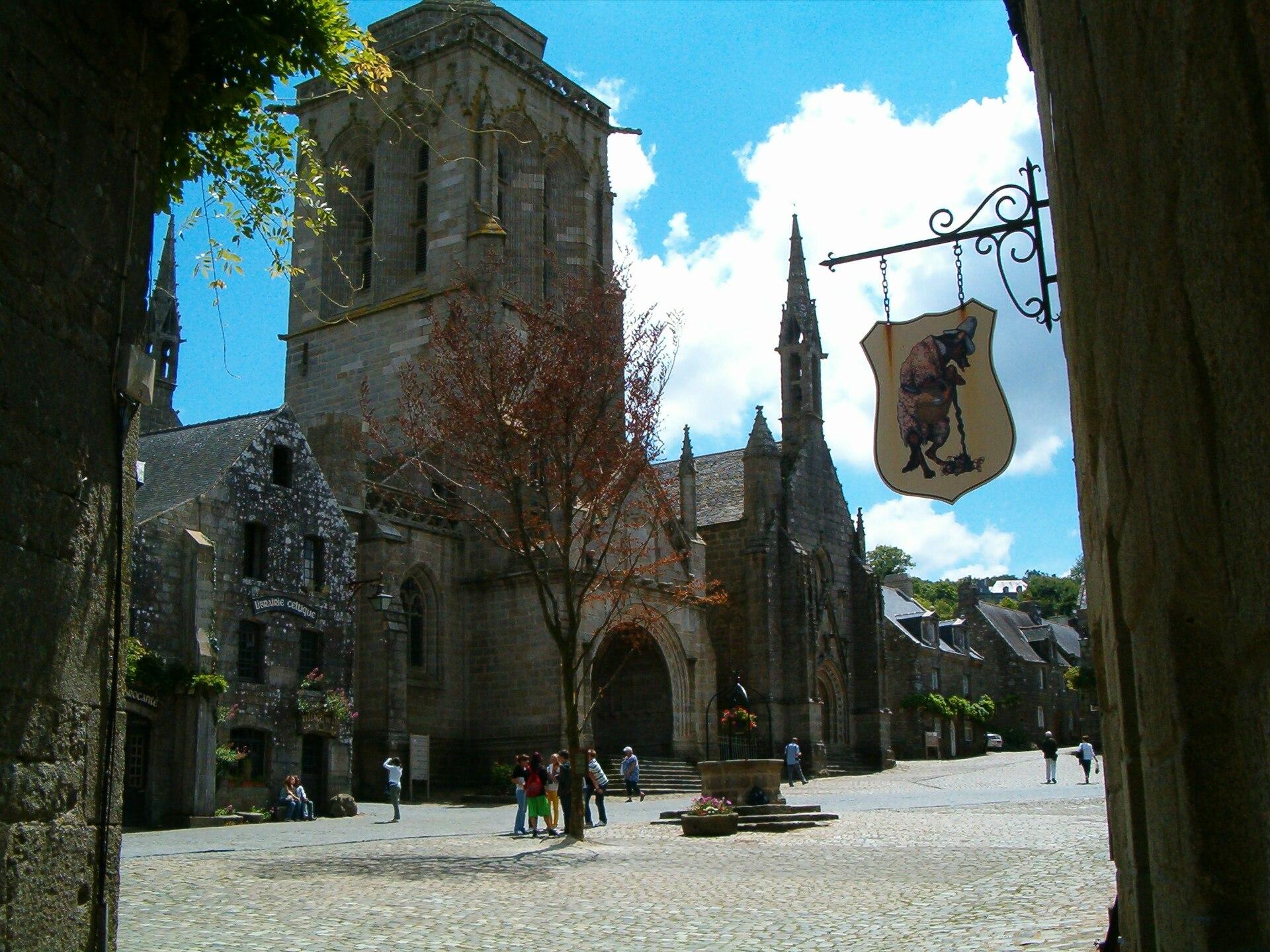 VillageLocronanLocronan · 2 hours to half a day, a full day with a hike or DouarnenezLocronan lines up granite mansions, cobbles, a Gothic church and art workshops around an almost untouched square, the legacy of a town made rich by sailcloth and the Troménie.
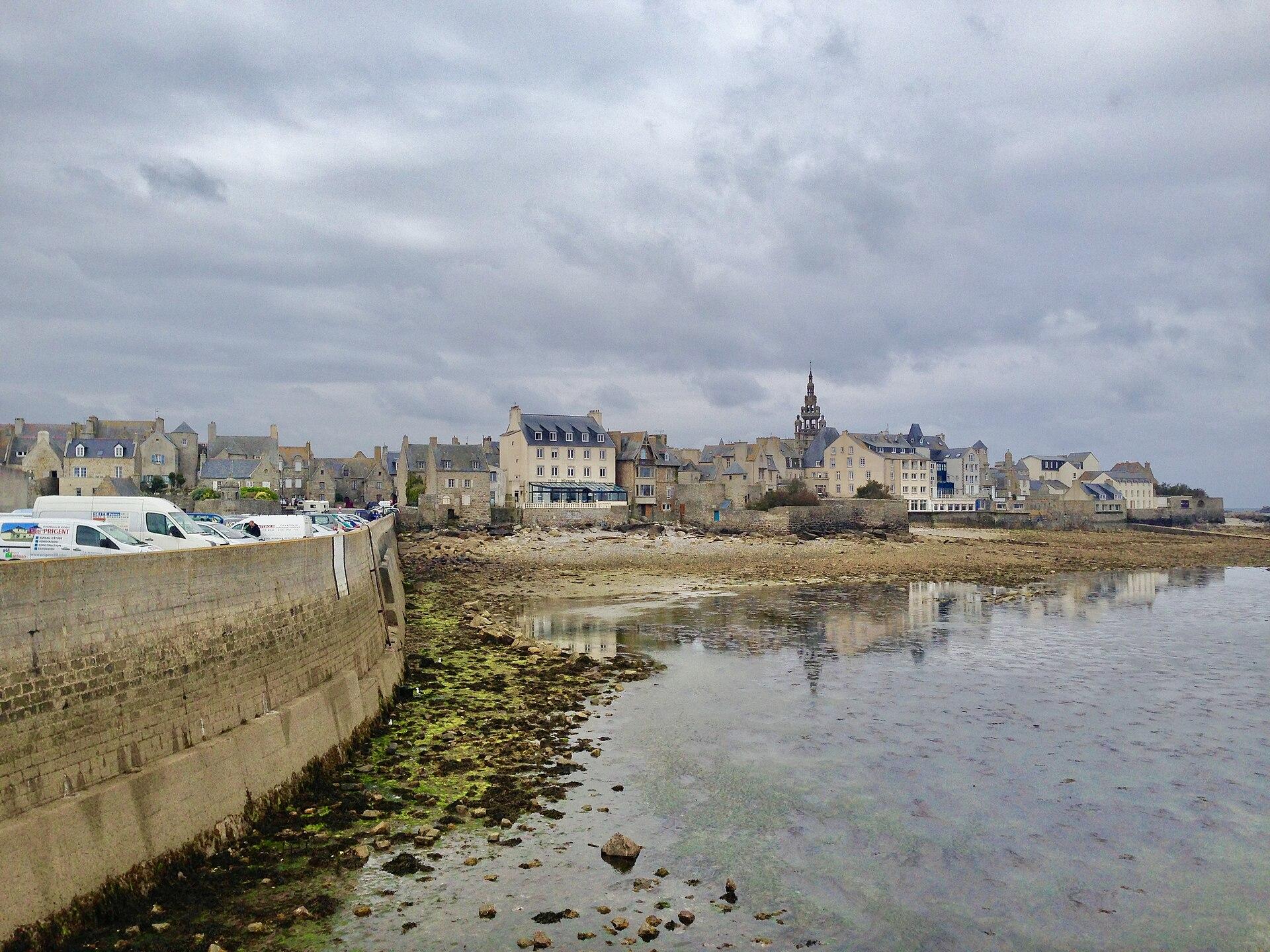 VillageRoscoffFinistère · Half a day minimum, a full day with the exotic garden or the Île de BatzRoscoff combines an old harbour, granite shipowners’ houses, a Flamboyant church, an exotic garden and boats to the Île de Batz, in the unique maritime light of north Finistère.
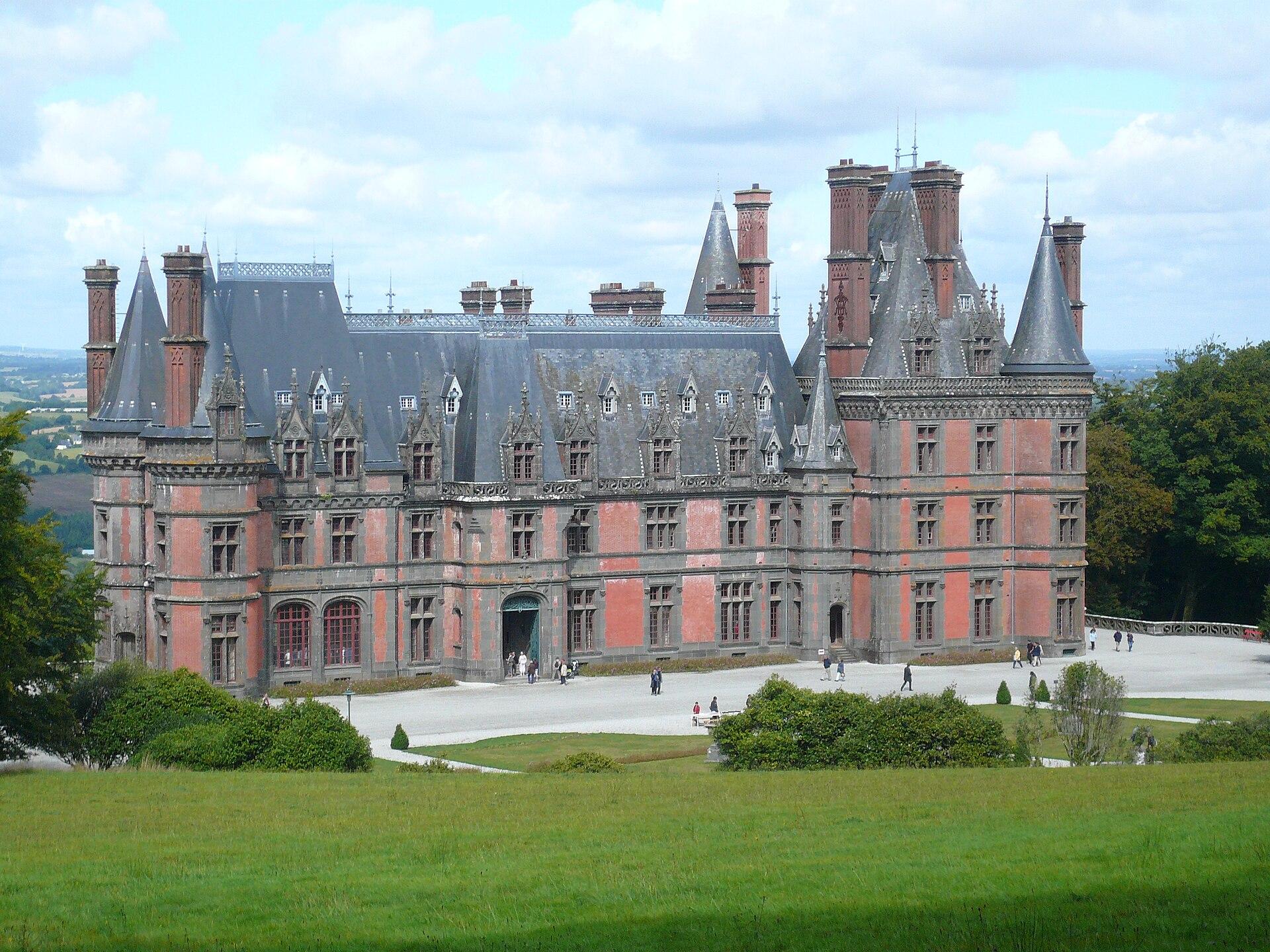 CastleChâteau de TrévarezSaint-Goazec · 2 h 30 to 3 h 30In Saint-Goazec, Trévarez is a Belle Époque château of pink brick and stone, surrounded by a vast park with the Jardin remarquable label and marked by the bombing of 1944.
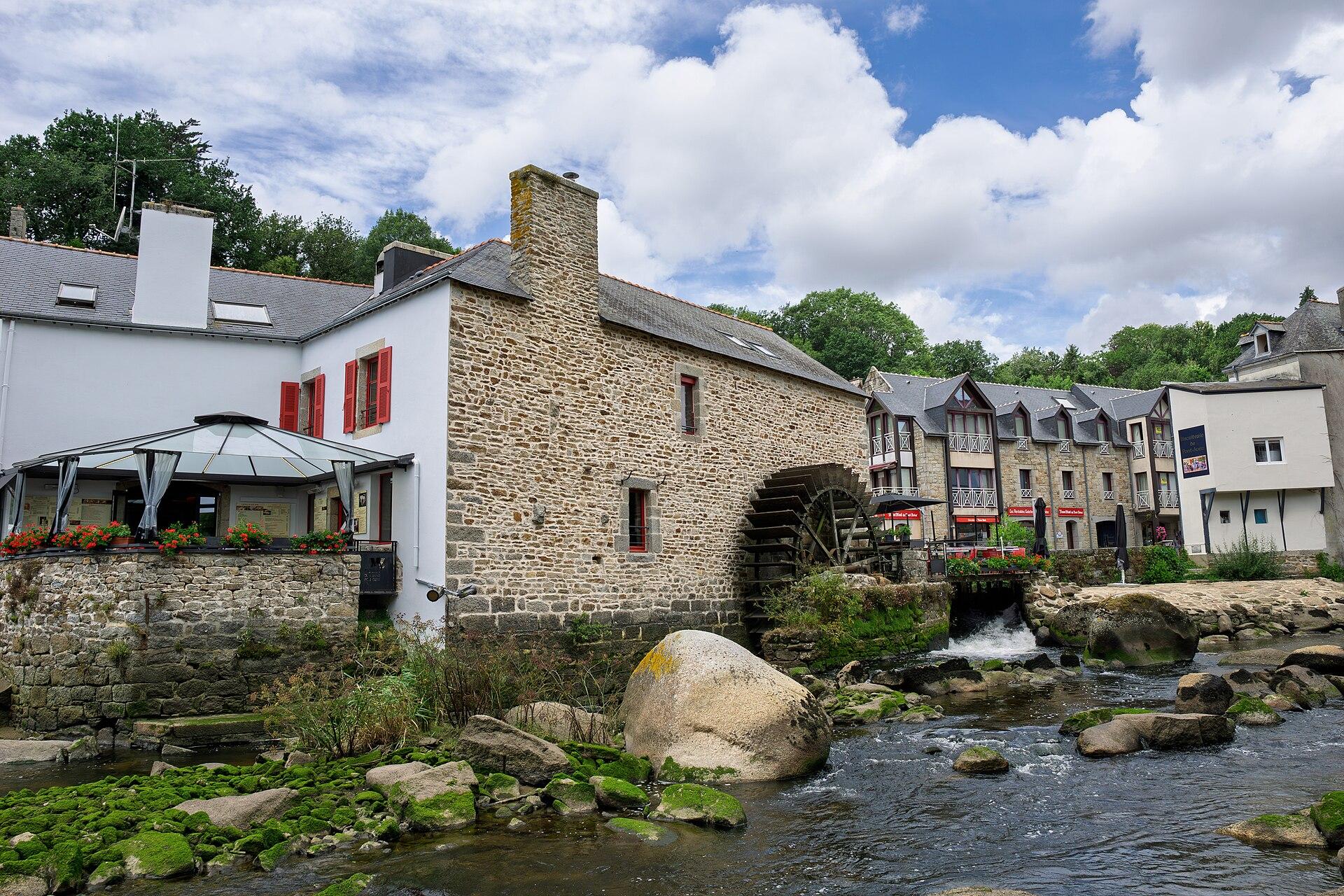 VillagePont-AvenPont-Aven · Half a day minimum, a full day with the museum, the Bois d’Amour and the galleriesPont-Aven brings together a river, mills, flowery footbridges, galleries and the memory of Gauguin, in a small town that has become one of Brittany’s great places for art.
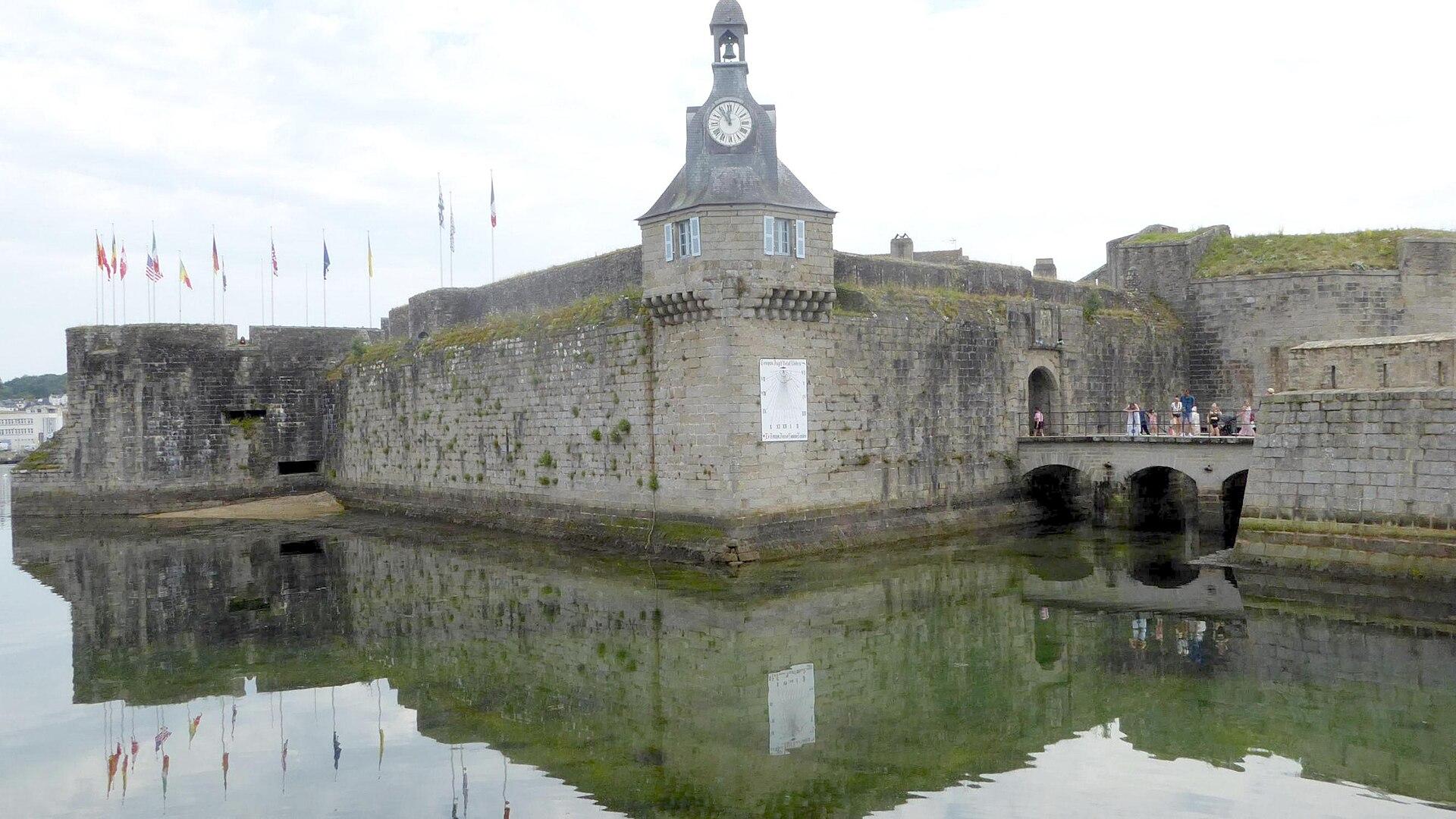 Heritage siteVille Close de ConcarneauConcarneau · An hour and a half to two hoursA fortified islet set in the middle of Concarneau’s harbours, ringed by granite ramparts, pedestrian and still lived in.
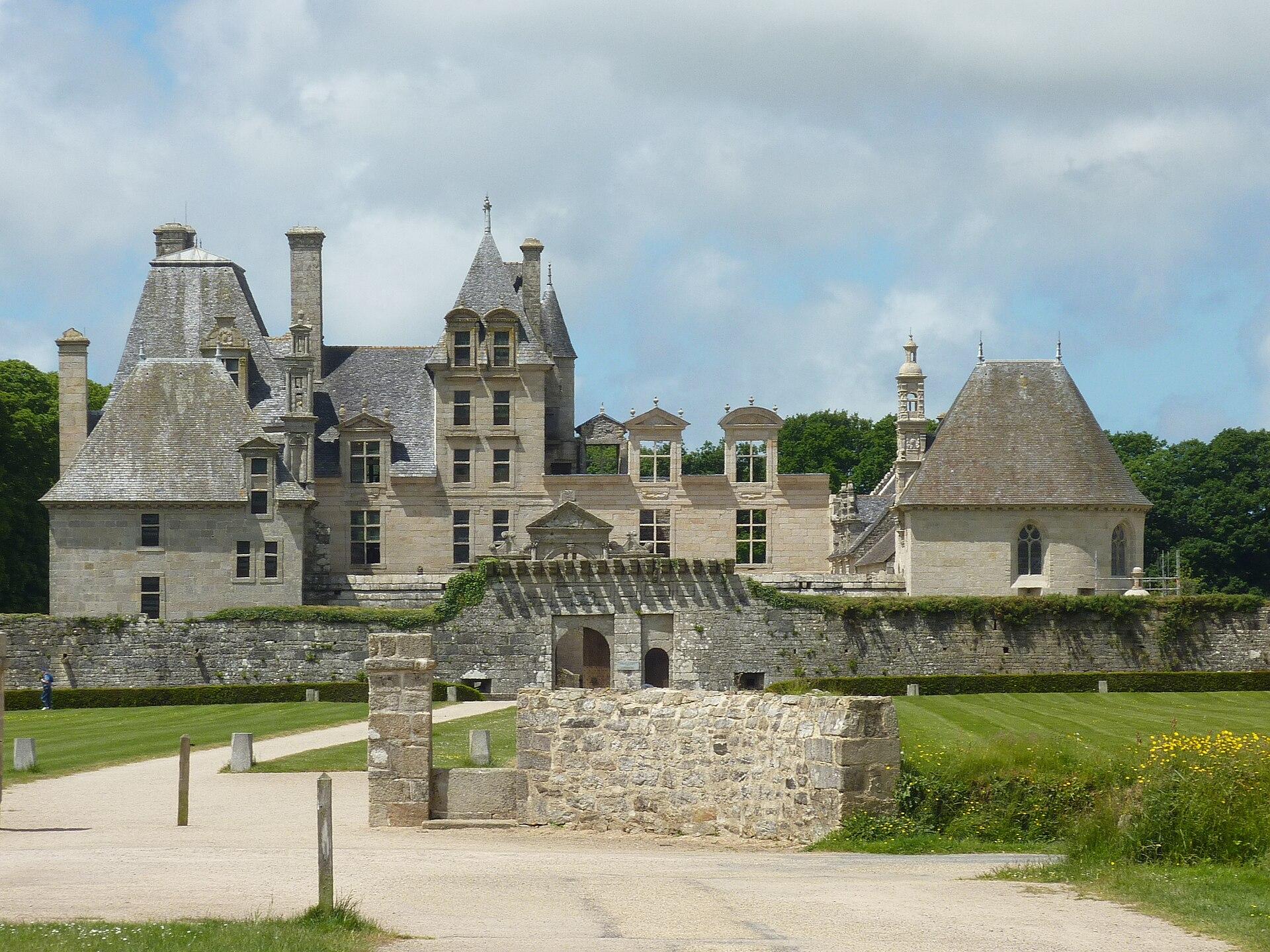 CastleChâteau de KerjeanSaint-Vougay · 2 to 2 h 30In Saint-Vougay, Kerjean combines a great Renaissance mansion with a fortified enclosure, dry moats and an ambitious cultural programme.
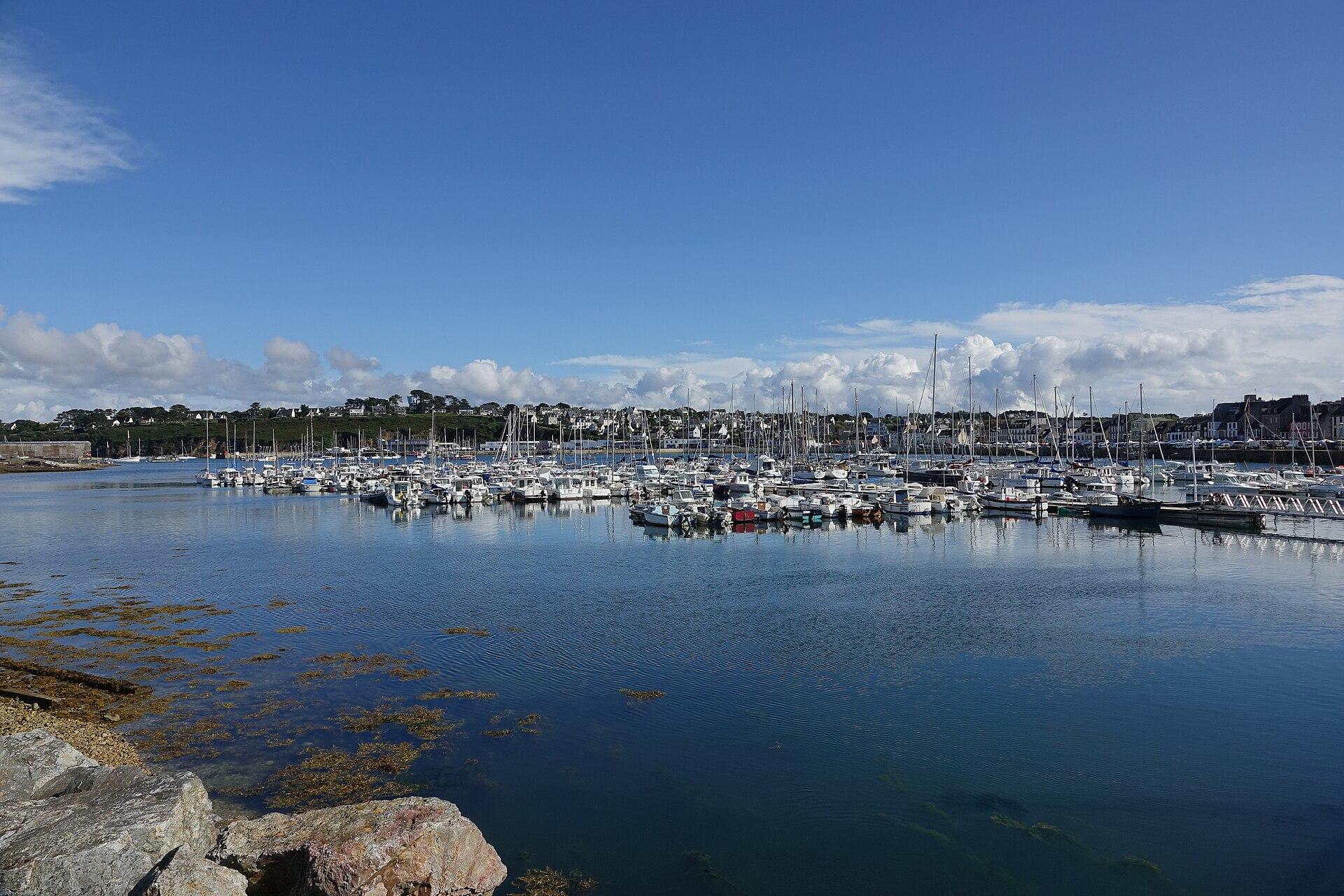 VillageCamaret-sur-MerCamaret-sur-Mer · Half a day minimum, ideally a full day with Lagatjar and the Pointe de Pen-HirAt the tip of the Crozon peninsula, Camaret-sur-Mer combines a characterful harbour, the UNESCO-listed Tour Vauban, the chapel of Notre-Dame-de-Rocamadour, the Lagatjar standing stones and cliffs open to the Iroise Sea.
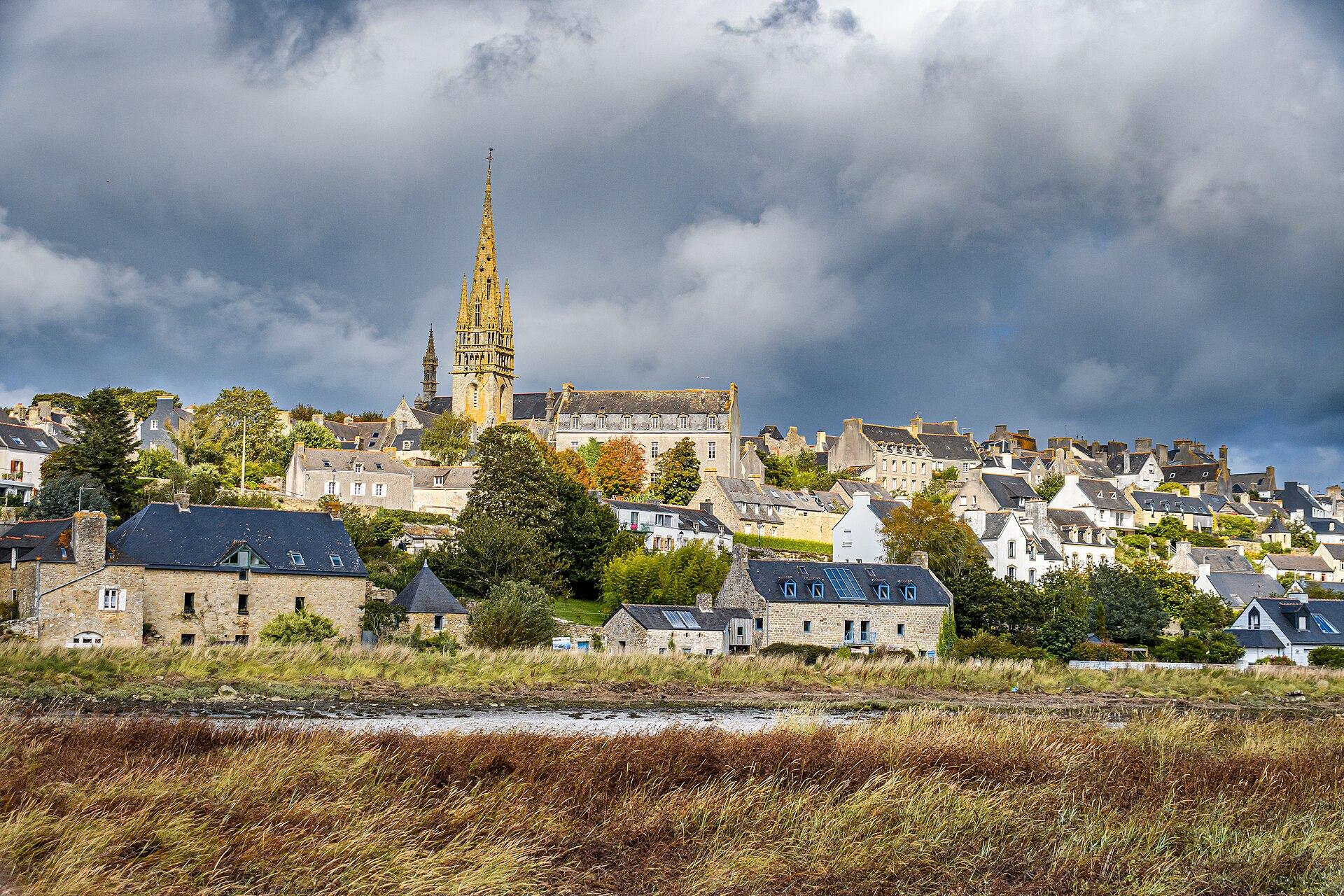 VillagePont-CroixPont-Croix · 1 h 30 to 3 hours, half a day with the banks of the GoyenPont-Croix stacks its stone lanes above the Goyen, around the imposing collegiate church of Notre-Dame de Roscudon and a remarkably well-preserved group of old houses.
The beaches
The most beautiful are in the south and in the Bay of Morlaix, where the sand is white and the water takes on a colour you do not expect at this latitude. The west coast, between the Pointe Saint-Mathieu and the Pointe du Raz, is made for the spectacle more than for swimming.
The beaches of Finistère
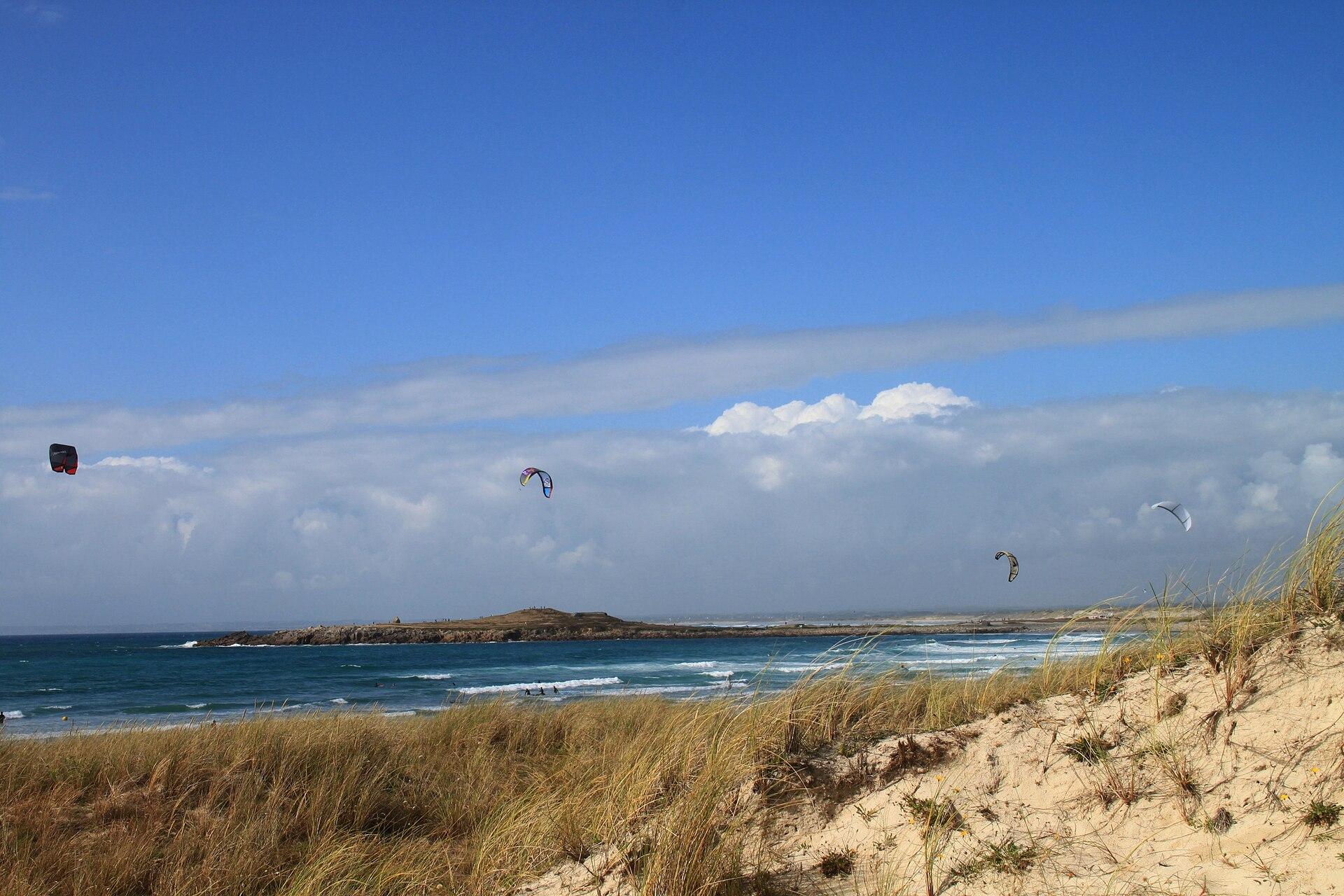 BeachLa Torche BeachPlomeur · 3 hours to a full dayIn Plomeur, La Torche stretches about 2 km of white sand facing due west in a Natura 2000 site, with world-famous surfing, lifeguarded swimming in summer, surf schools, the GR34 and strong currents.
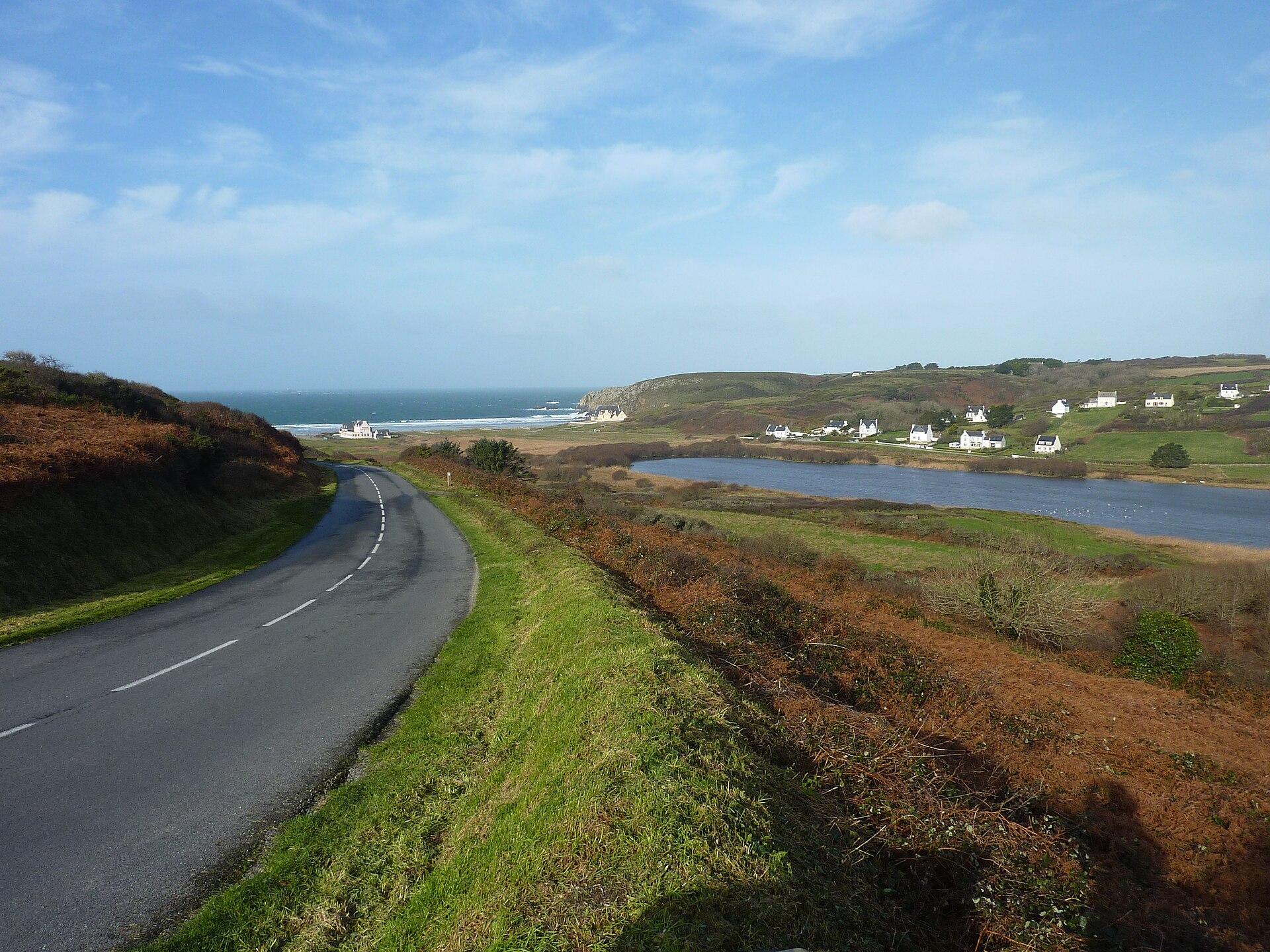 BeachBaie des TrépassésCléden-Cap-Sizun · 2 to 5 hours, a full day with a hikeBetween the Pointe du Raz and the Pointe du Van, the Baie des Trépassés is a huge sandy beach exposed to the Atlantic, known for surfing, its waves, its panorama and swimming that calls for real care.
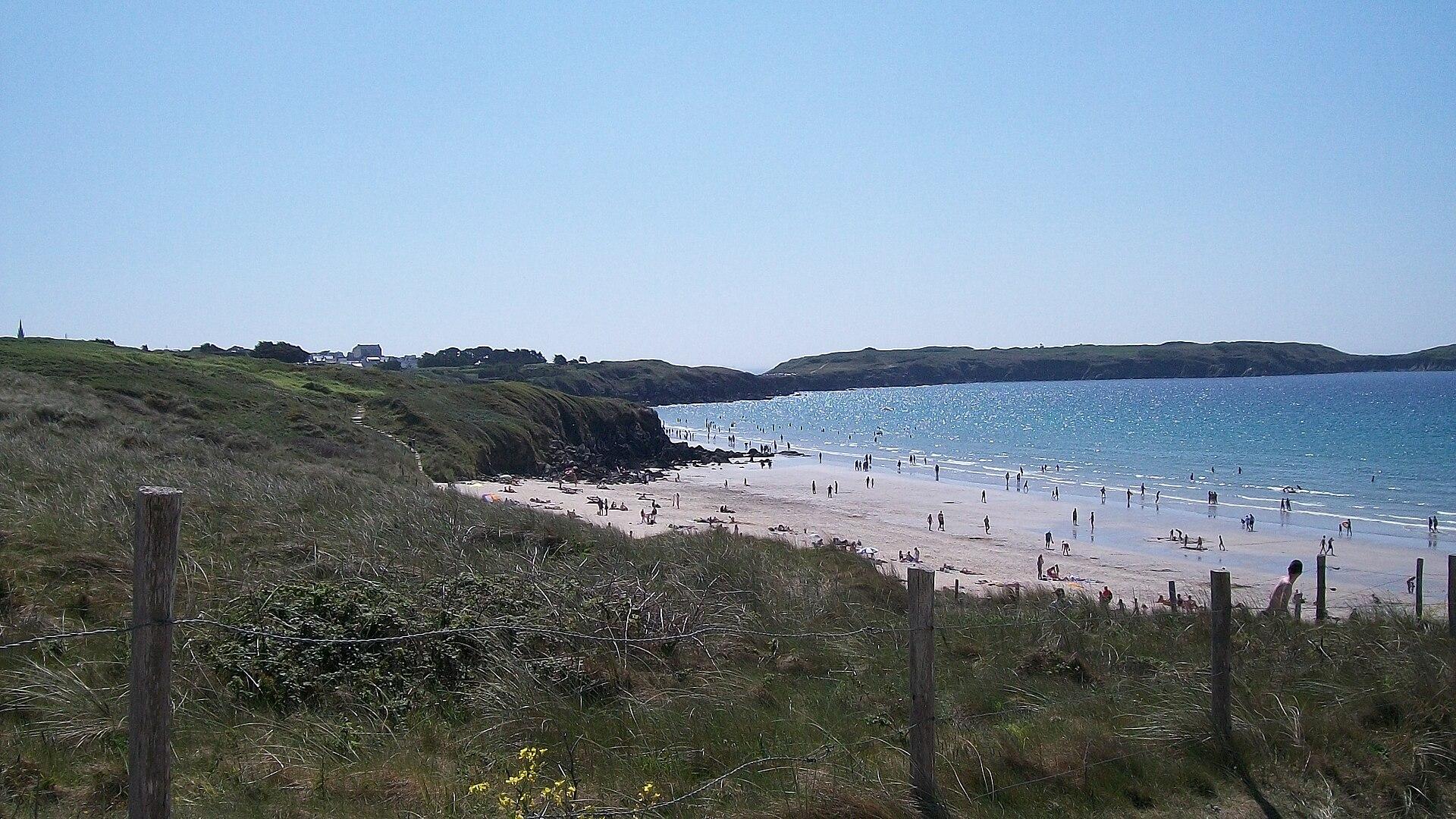 BeachPlage des Blancs SablonsLe Conquet · 3 hours to a full dayIn Le Conquet, Les Blancs Sablons is a huge beach of pale sand facing the Iroise Sea, with a Blue Flag, much loved for swimming, walking, surfing and wide open spaces.
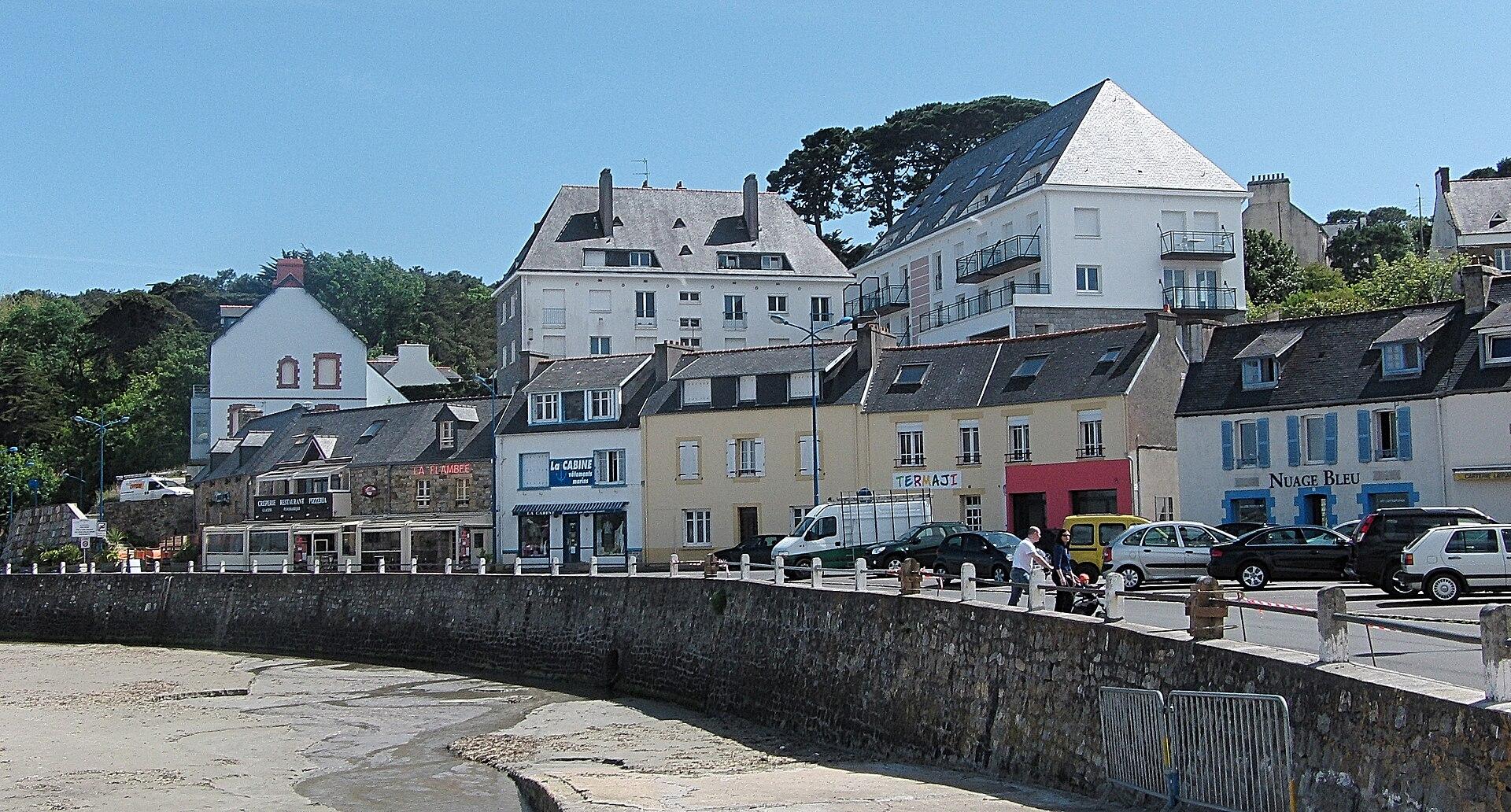 BeachPlage de MorgatCrozon · 3 hours to a full dayIn Crozon, Morgat brings together several family beach areas in a sheltered cove on the bay of Douarnenez, with wheelchair access, Tiralos, a marina, restaurants, a sailing centre and excellent water quality in 2025.
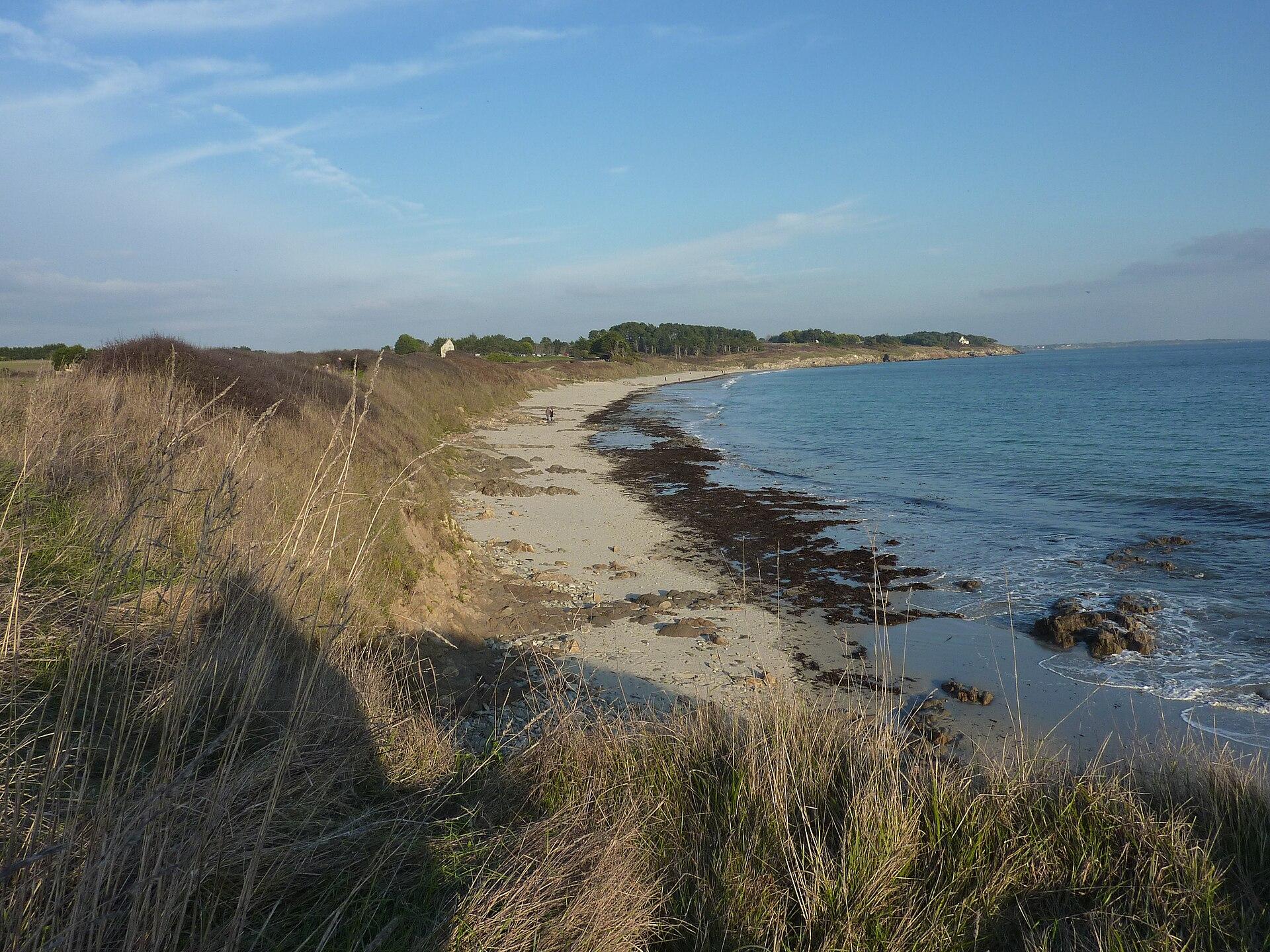 BeachPlage de Tahiti, RaguénezNévez · 3 hours to a full dayIn Névez, Tahiti is the most spectacular end of the great Raguénez beach, with white sand, turquoise water, green cliffs, the GR34 and views of the Île de Raguénez and the Île Verte.
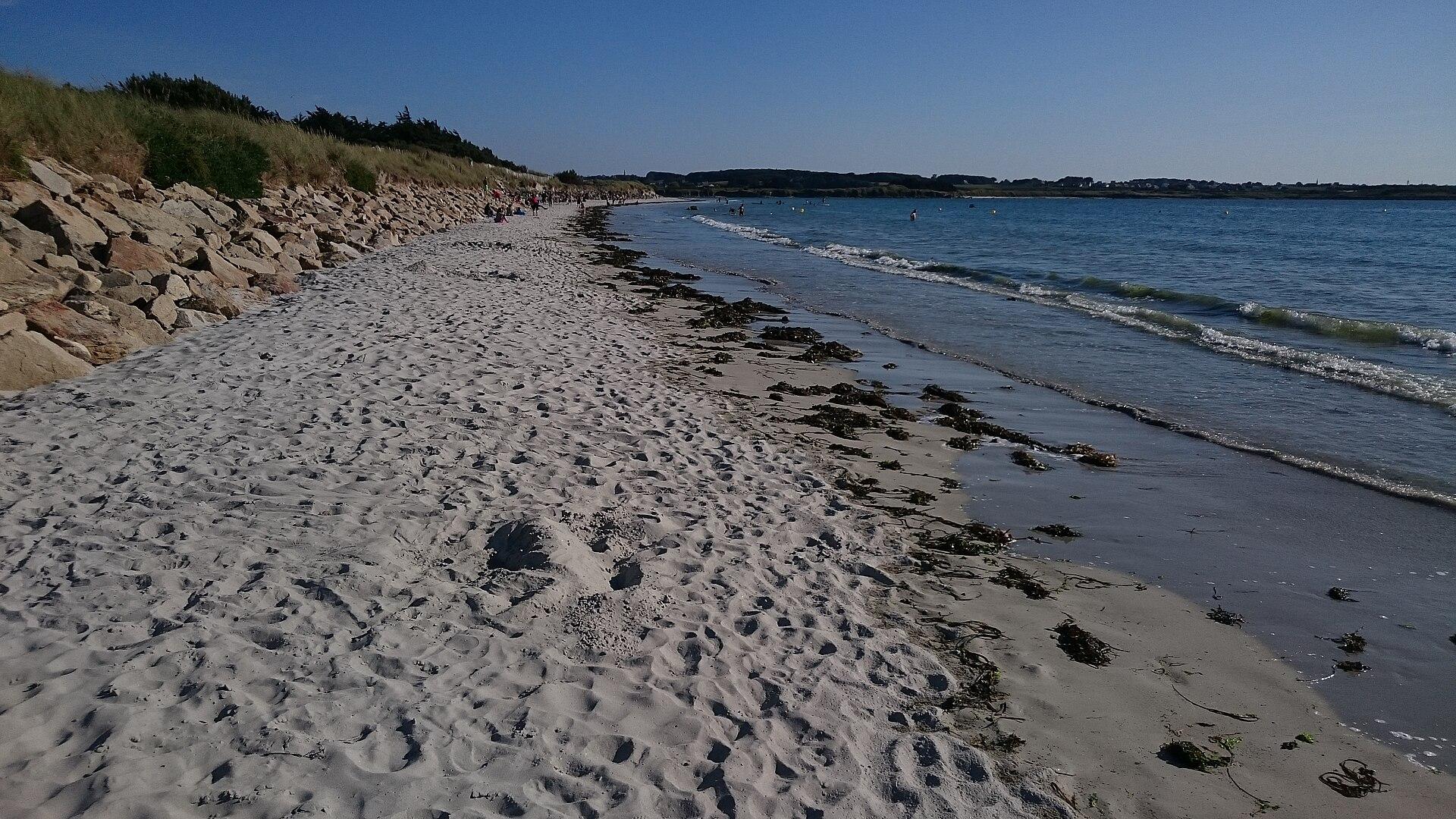 BeachLe Dossen BeachSantec · 3 hours to a full dayIn Santec, Le Dossen is the town’s great sporty and family beach, known for surfing, kitesurfing, long tides and walking out to the Île de Sieck at low tide.
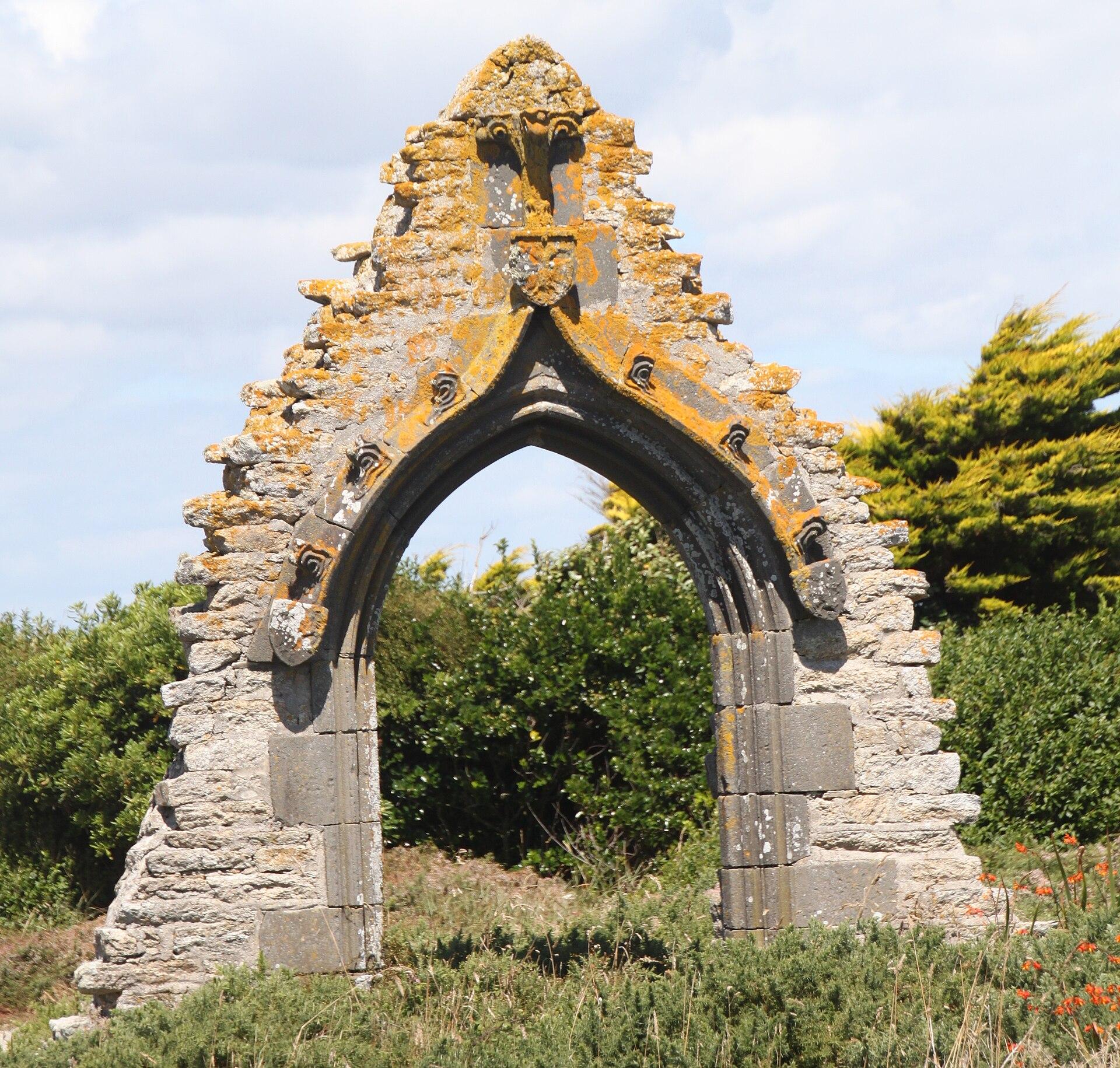 BeachPors Carn BeachPenmarc’h · 3 hours to a full dayIn Penmarc’h, Pors Carn opens the bay of Audierne with about 2 km of fine sand facing north-west, a protected natural setting much loved by surfers, lifeguarded in summer and with the Handiplage label.
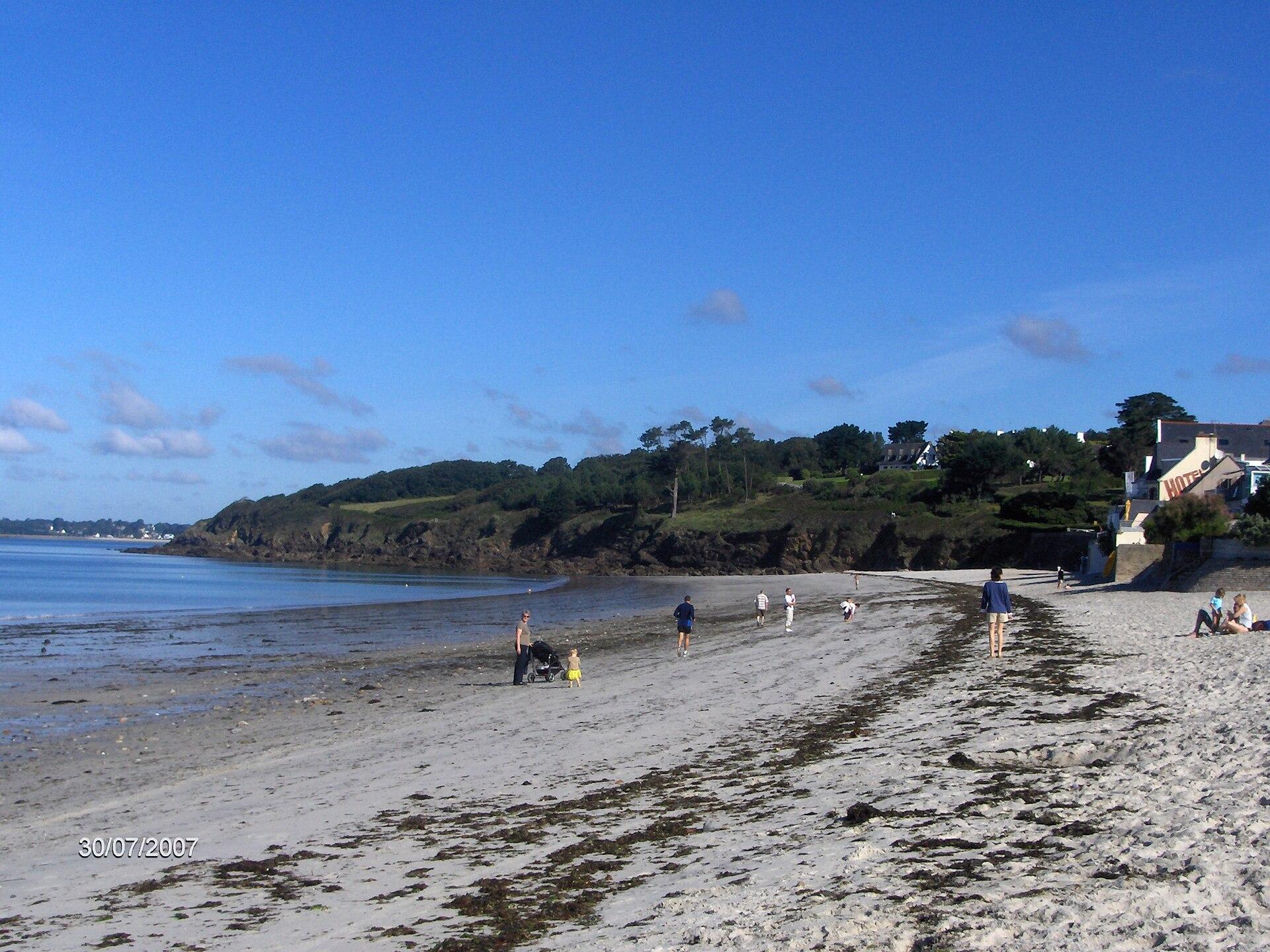 BeachPlage des Sables BlancsConcarneau · 3 hours to a full dayNorth of the town centre, Les Sables Blancs is Concarneau’s great family beach, lifeguarded in summer and accessible thanks to two Tiralos.
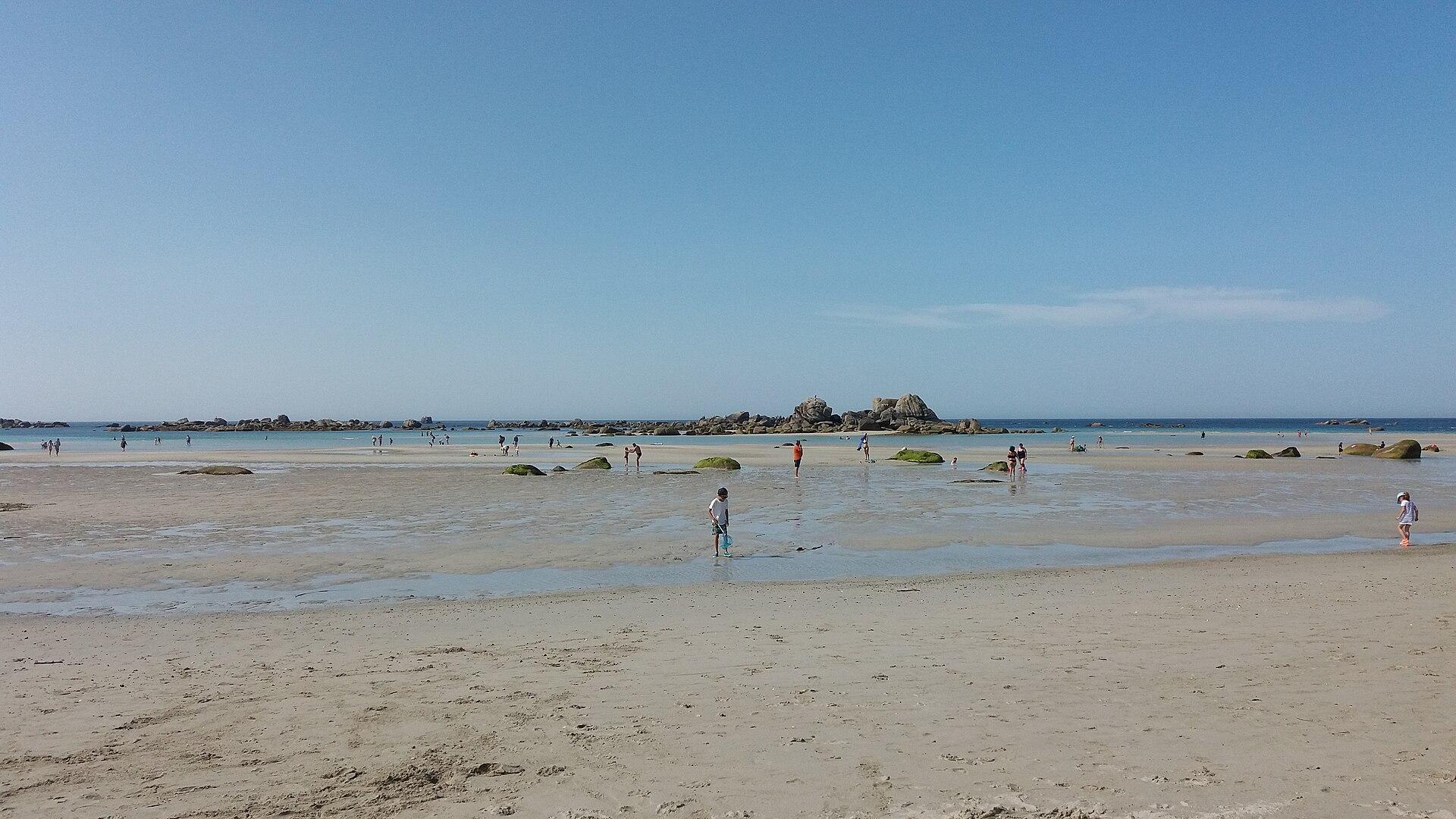 BeachPlage des AmietsCléder · 3 hours to a full dayIn Cléder, Les Amiets offers a vast beach of white sand, clear water, granite boulders and a very natural atmosphere, with strong appeal for families and landscape lovers.
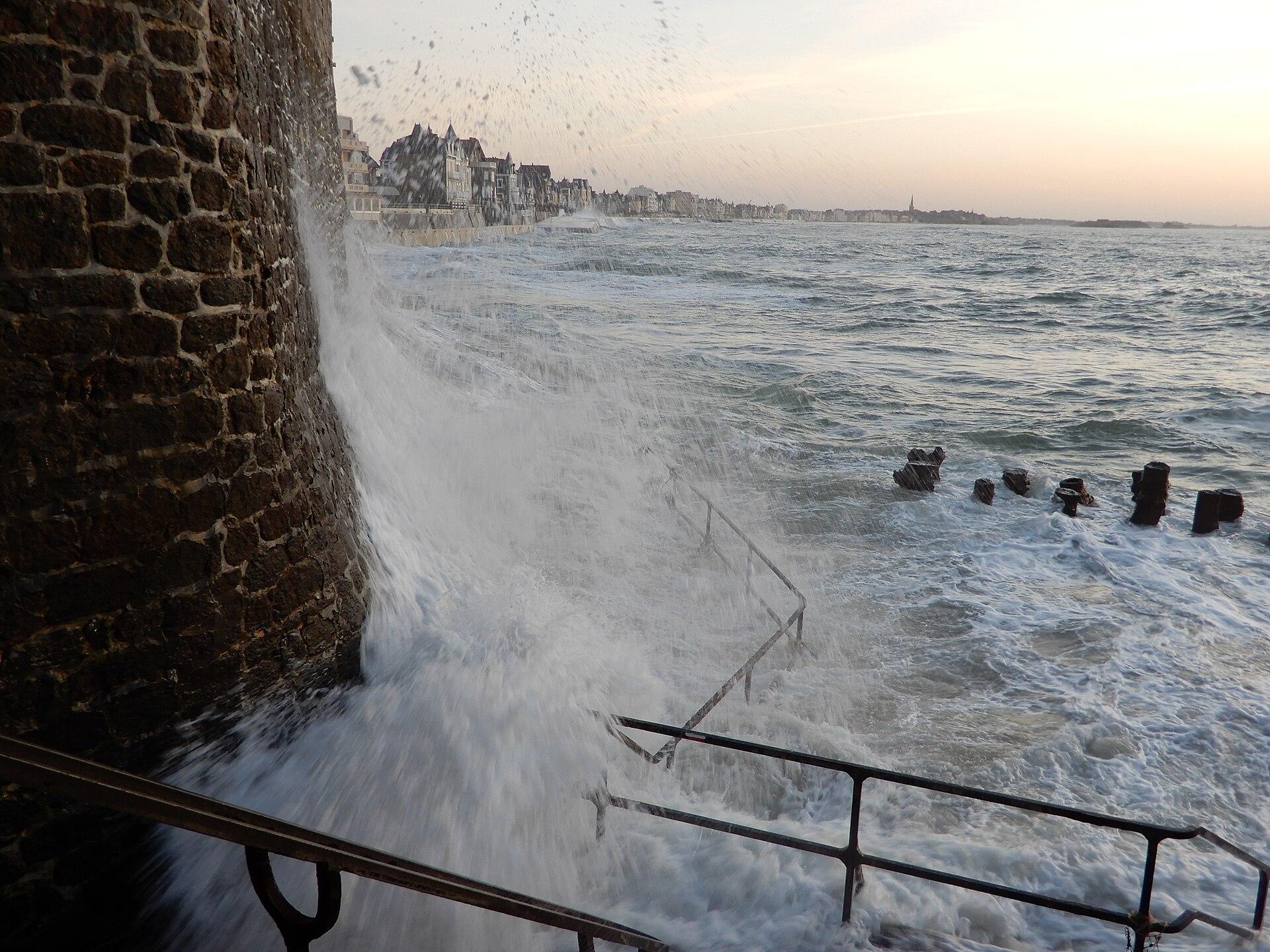 BeachPlage du Sillon, Grande Plage de l’Île-TudyÎle-Tudy · 3 hours to a full dayIn Île-Tudy, Le Sillon beach unrolls about 1 km of fine, south-facing sand, with lifeguarded swimming in summer, a sailing centre, a playground, picnic tables, a first-aid post and a Hippocampe beach wheelchair.
The islands
Ouessant, Molène, Sein: three islands inhabited all year round, one to two hours away by boat, and three different worlds. Sein is flat, one and a half metres above sea level on average and six metres at its highest point, which makes it vulnerable to storms and rising sea levels. Ouessant is high, windswept and surrounded by lighthouses. A day is not enough, but it is already a lot.
Where to stay
Campsites in Finistère
- CampsiteCamping Éco Luxe Les EmbrunsClohars-Carnoët · 3 to 7 nightsA 5-star campsite in Le Pouldu, two hundred metres from the beaches: a 4.5 hectare landscaped park, a heated indoor pool, a wellness area and upmarket cottages.
- CampsiteCamping du Port de PlaisanceClohars-Fouesnant · 1 night or moreNear Bénodet, this 12-hectare 5-star campsite has a 1,000 m² indoor Aquadôme, a heated outdoor water park and a wellness area.
- CampsiteCamping Le Cabellou PlageConcarneau · 1 night or moreIn Concarneau, facing the Belle Étoile beach, Le Cabellou Plage has a 2,000 m² water park and an indoor pool with balneotherapy.
- CampsiteCamping Sandaya l'Escale Saint-GillesBénodet · 1 night or moreIn Bénodet, this 5-star Sandaya campsite opens directly onto the Pointe Saint-Gilles beach, with an indoor water park, a spa and kids’ clubs.
- CampsiteYelloh! Village L’AtlantiqueFouesnant · 1 night or moreIn Mousterlin, facing the Glénan islands, this 10-hectare 5-star campsite has a 4,000 m² water park and direct access to the beach, 400 m away.
- CampsiteYelloh! Village L’Océan BretonPlobannalec-Lesconil · 1 night or moreIn Lesconil, on the Ster estuary, this 5-star campsite has two indoor pools, a wellness area and direct kayak launching.
- CampsiteYelloh! Village Les MouettesCarantec · 1 night or moreOn the bay of Morlaix, in Carantec, Les Mouettes is an 18-hectare 5-star campsite opened in 1972, with slides, balneotherapy and free kids’ clubs.
- CampsiteCamping de la TorchePlomeur · 1 night or moreIn Plomeur, the Camping de la Torche is 1.3 km from the ocean and the surf spot of the Pointe de la Torche, with a heated indoor pool.
Prices and opening dates change from one season to the next: check with the establishment.
Going further
Finistère, in the journal
- What to do in Finistère during the Christmas holidays
- What to do in Brest during the Christmas holidays
- What to do in Quimper during the Christmas holidays
- What to do in Finistère during the All Saints’ holidays
- What to do in Brest during the All Saints’ holidays
- What to do in Quimper during the All Saints’ holidays
- What to do in Brest: the complete guide
- What to do in Quimper: the complete guide