
Village
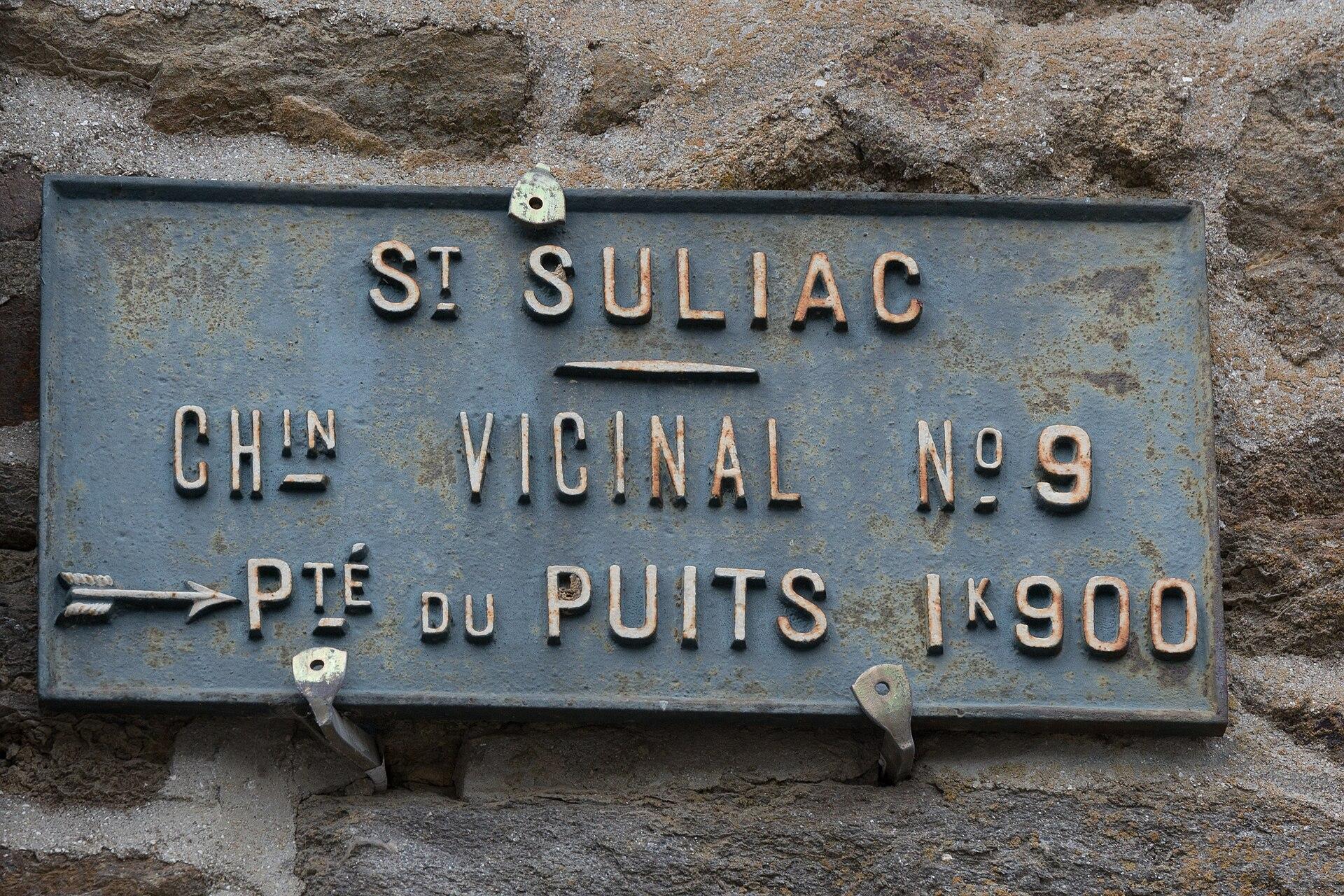
Saint-Suliac
Saint-Suliac · Ille-et-Vilaine
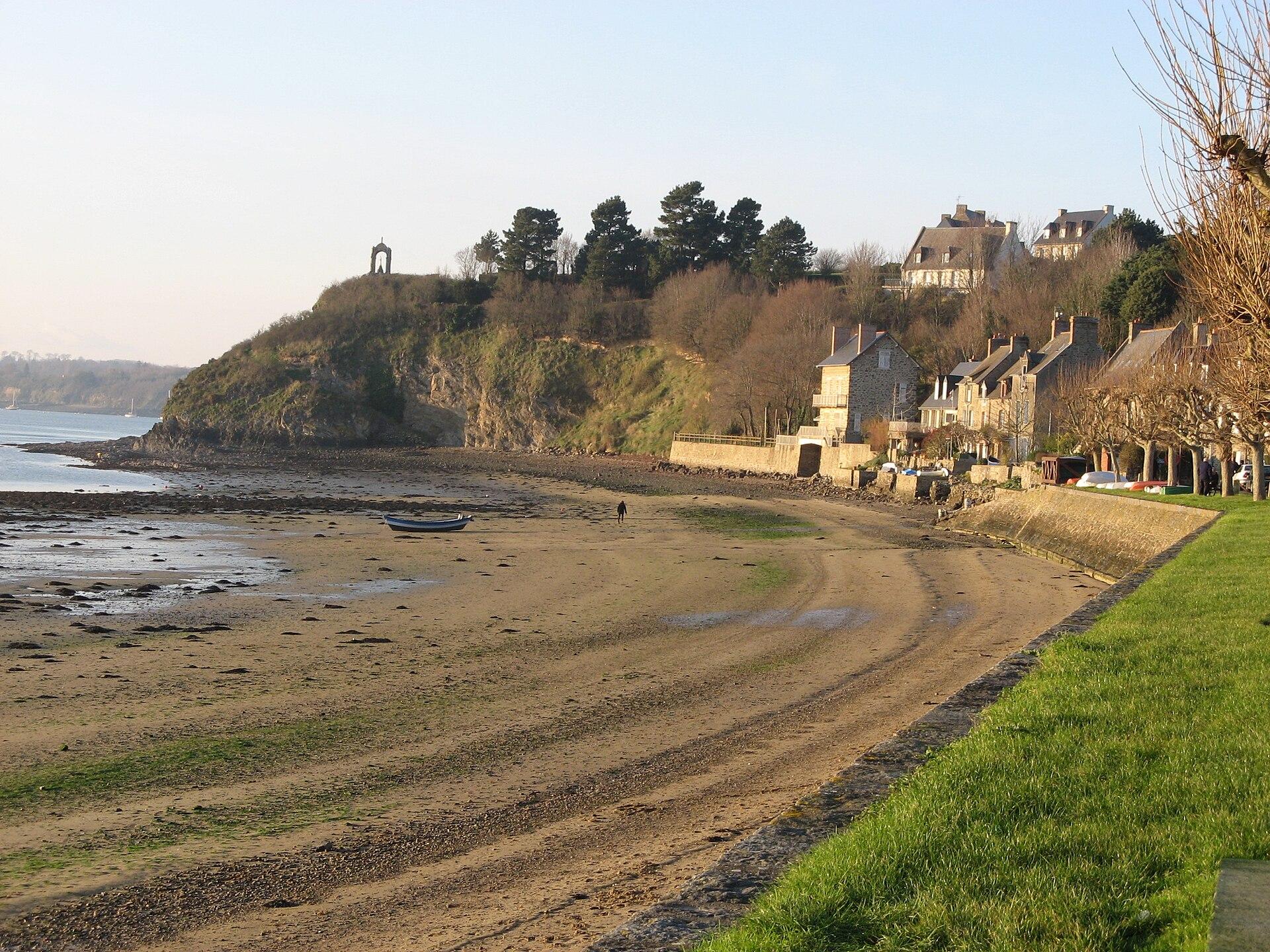
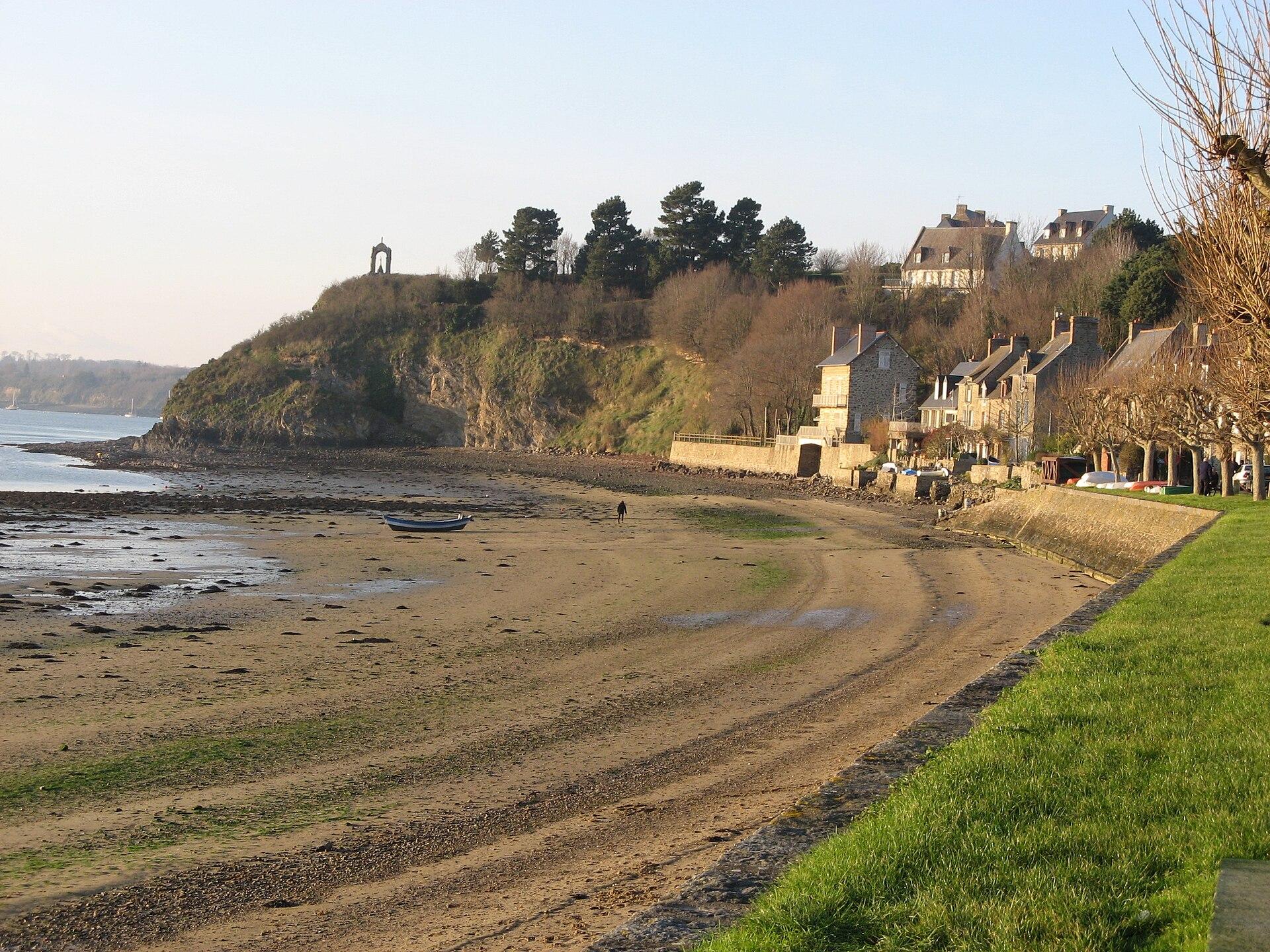
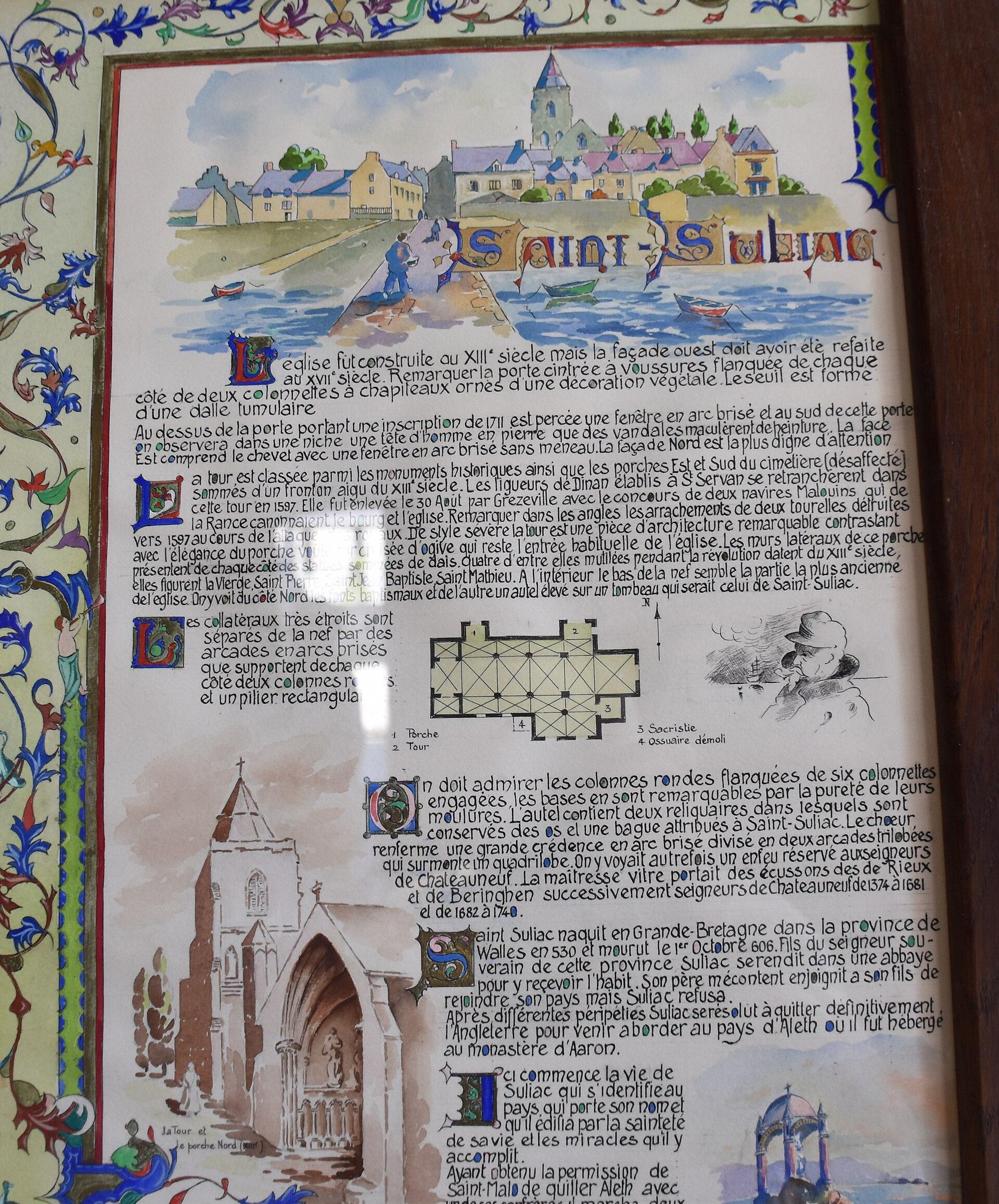
Saint-Suliac gathers its granite houses and flowery lanes around a small harbour on the Rance, overlooked by the Grainfollet oratory and the Mont Garrot.
- Suggested time
- 2 hours minimum, half a day to a full day with the Mont Garrot and the peninsula trail
- Type of place
- Plus Beau Village de France and former Newfoundland sailors’ village on the Rance
- Atmosphere
- Maritime, flowery, historic and contemplative
- Getting there
- About ten kilometres from Saint-Malo. Car parks at the entrance or around the village. The historic centre is explored on foot.
Who this place suits
- With family
- 10/10
- As a couple
- 10/10
- With friends
- 9/10
- Solo
- 10/10
- With a dog
- 9/10
- Reduced mobility
- 6/10
These scores are calculated from what the page records: official rating, facilities, difficulty, duration and location. They are a guide, not a substitute for contacting the venue, especially about accessibility.
About
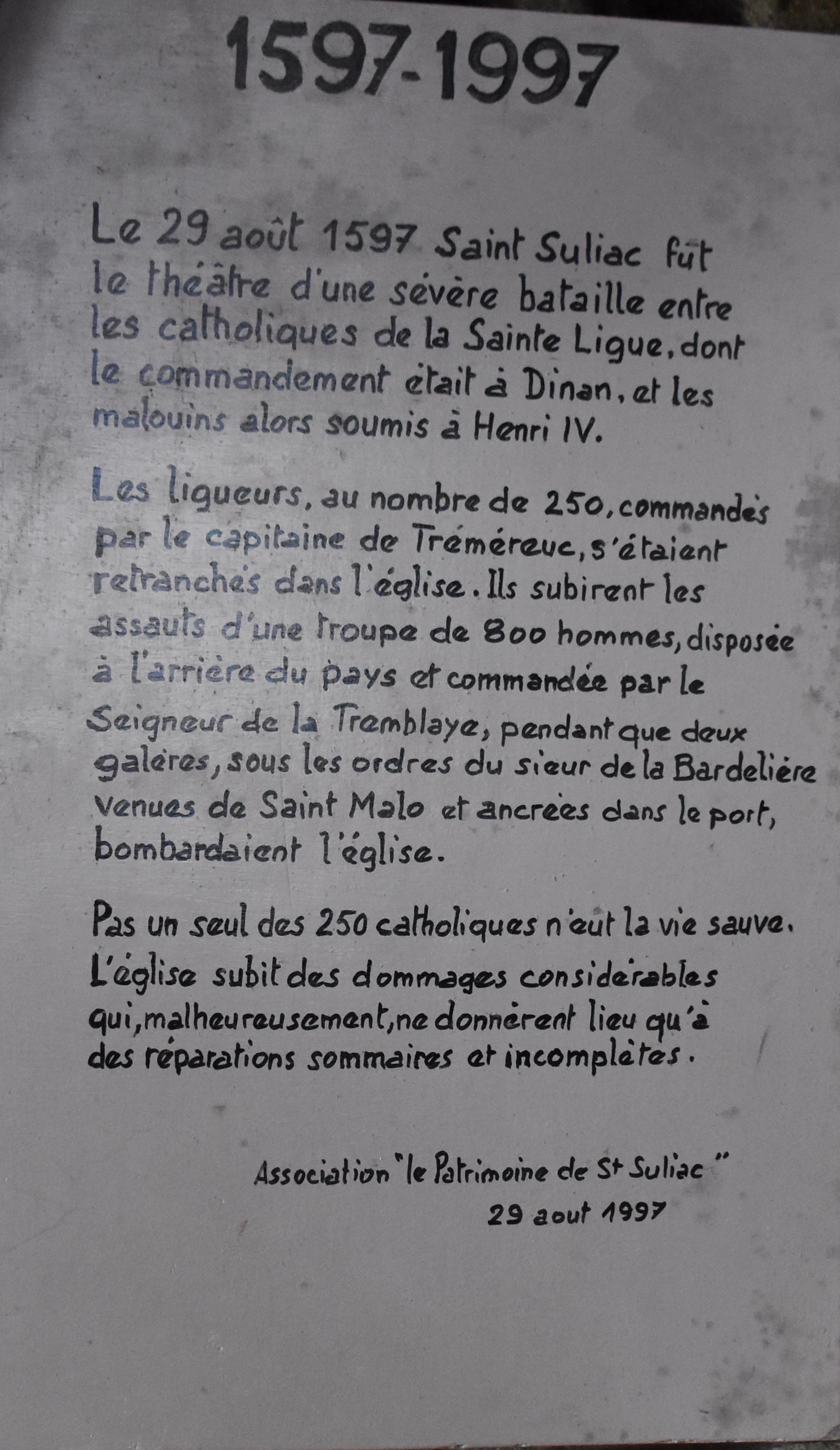
Saint-Suliac is one of the most harmonious villages on the banks of the Rance. Listed among Les Plus Beaux Villages de France, it keeps a centre of granite houses linked by narrow, flowery lanes. The harbour recalls its past of fishermen and Newfoundland sailors: in the 19th century, many men from the area sailed to the Newfoundland fishing banks. From the village, the Grainfollet oratory is a short climb richly rewarded by the view over the harbour and the estuary. Higher still, the Mont Garrot reaches 73 metres and offers a 360-degree panorama that, on a clear day, can stretch as far as Mont-Dol, Mont-Saint-Michel and Cézembre. Below lies the enclosure known as the Viking camp, protected as a historic monument but whose interpretation is still debated. The peninsula trail also leads to the Beauchet tide mill, the old salt pans, the Chablé standing stone and several natural headlands.
What you will see
- Free access to the village and trails.
- Mont Garrot: 73 m high.
- Oratory: Grainfollet, with a panorama over the harbour and the Rance.
- Viking camp: an enclosure protected as a historic monument since 1986, its interpretation still debated.
- Standing stone: Chablé, or Gargantua’s Tooth, about 5 m high.
- Hiking: the peninsula trail, with 10 points of interest.
Show 7 more pointsHide
- Maritime heritage: a former village of sailors and Newfoundland fishermen.
- The village grew up on the banks of the Rance around fishing and navigation, with granite houses forming a very tight-knit fabric.
- Saint-Suliac’s sailors took part in the great fishing campaigns; in the 19th century, crews sailed as far as the Newfoundland banks.
- A traditional boat called the Chippe was used locally until the 1940s.
- The Mont Garrot keeps traces of past occupation and winegrowing traditions, and the Chablé standing stone feeds the legend of Gargantua.
- Not to be missed: the lanes, the church, the harbour, the Grainfollet oratory, the Mont Garrot, the so-called Viking camp, the Beauchet tide mill, Gargantua’s Tooth, the old salt pans, the Mont Garrot vines, Vallion beach.
- Recommended: start early in the lanes, go down to the harbour, climb to Grainfollet, continue to the Mont Garrot, look for the Chablé standing stone, walk part of the peninsula trail, and come back to the harbour late in the day.
Practical information
- Getting there
- About ten kilometres from Saint-Malo. Car parks at the entrance or around the village. The historic centre is explored on foot
- Food
- Restaurants and small places around the village let you enjoy Rance produce and Breton cooking
- Parking
- Access via the centre or the harbour of Saint-Suliac; parking is tighter in summer and on sunny weekends
- Pets
- A pleasant outdoor walk with a dog on a lead
- Accessibility
- The harbour is more accessible than some lanes and climbs. The Mont Garrot requires walking on natural ground
- With family
- A very good family destination if the climb to the Mont Garrot suits the children’s pace
- Safety
- The climbs to Grainfollet and the Mont Garrot can be slippery in the rain. Take care on the paths along the Rance
- Best time
- May to September for the flowery lanes and long days. Sunset from Grainfollet is particularly beautiful
- Photography
- The Grainfollet oratory gives the most spectacular view of the harbour. The lanes are magnificent in the morning when the light catches the hollyhocks
- Nearby
- Saint-Malo, Dinan, La Ville-ès-Nonais
Tips on the spot
- Arrive before 10 am in high season for fewer people; late afternoon is also calmer.
- Use the official car parks and finish on foot; on market days or big events, allow more time to park.
- Wear good shoes for cobbles, quays, paths and steps.
- Start at the tourist office or an interpretation trail if there is one; guided tours give a much richer reading of local history.
- Check the opening times of monuments and activities on the day; in winter, some close earlier.
Show 6 more tipsHide
- Take time for the side streets and small details.
- Respect the residents in the most photographed streets, and never block a private entrance for a photo.
- Have lunch early or late to find a table more easily in high season.
- In autumn, the low light and fewer visitors can be excellent.
- Allow 2 hours minimum, half a day to a full day with the Mont Garrot and the peninsula trail.
- Climb to Grainfollet for sunset.
Frequently asked questions
How much time should I allow?
2 hours minimum, half a day to a full day with the Mont Garrot and the peninsula trail.
Is the visit free?
Exploring outdoors is free. Some monuments, tours, museums and activities are paid.
What makes it special?
Strolling through one of the Plus Beaux Villages de France, then climbing up to Grainfollet and the Mont Garrot to take in the whole Rance valley.
What is the atmosphere like?
Maritime, flowery, historic and contemplative.
When is the best time to come?
May to September for the flowery lanes and long days. Sunset from Grainfollet is particularly beautiful.
What are the must-sees?
The lanes, the church, the harbour, the Grainfollet oratory, the Mont Garrot, the so-called Viking camp, the Beauchet tide mill and Gargantua’s Tooth.
Stay in Saint-Suliac
Places to stay that are still available, with current prices, compared across the main booking platforms.
Partner link: a booking made from this map may earn us a commission, at no extra cost to you.
Read in the journal
- ChristmasWhat to do in Ille-et-Vilaine during the Christmas holidaysThe Rennes Christmas markets, Saint-Malo in winter, Cancale oysters, Vitré and Fougères: our ideas for the 2026 Christmas holidays in Ille-et-Vilaine.
- SeasonWhat to do in Ille-et-Vilaine during the All Saints’ holidaysThe Route du Rhum in Saint-Malo, Brocéliande for Samain, castles, the Lices market and Cancale oysters: our ideas for All Saints’ 2026 in Ille-et-Vilaine.
- RankingThe most beautiful beaches in Ille-et-VilaineThe Sillon and Bon-Secours in Saint-Malo, L’Écluse in Dinard, Longchamp, Saint-Briac and Cancale: the most beautiful beaches in Ille-et-Vilaine, on the Emerald Coast.
Traveller reviews
Nobody has reviewed this place yet.
Photographs: Ewan ar Born · CC BY-SA 3.0 · Wikimedia Commons · Pymouss · CC BY-SA 4.0 · Wikimedia Commons · Renhour48 · CC0 · Wikimedia Commons