Village
Châteaubriant
Châteaubriant · Loire-Atlantique
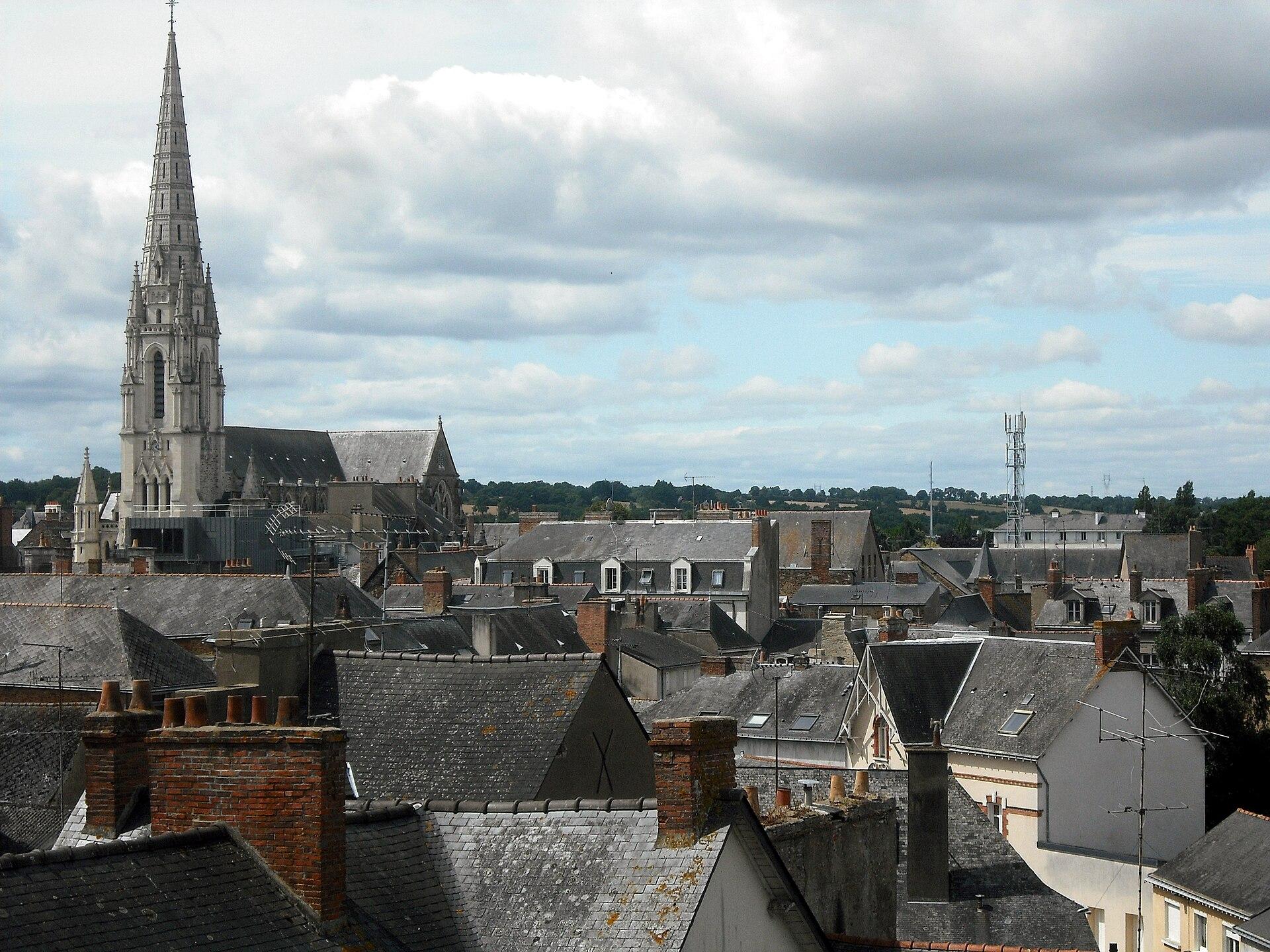
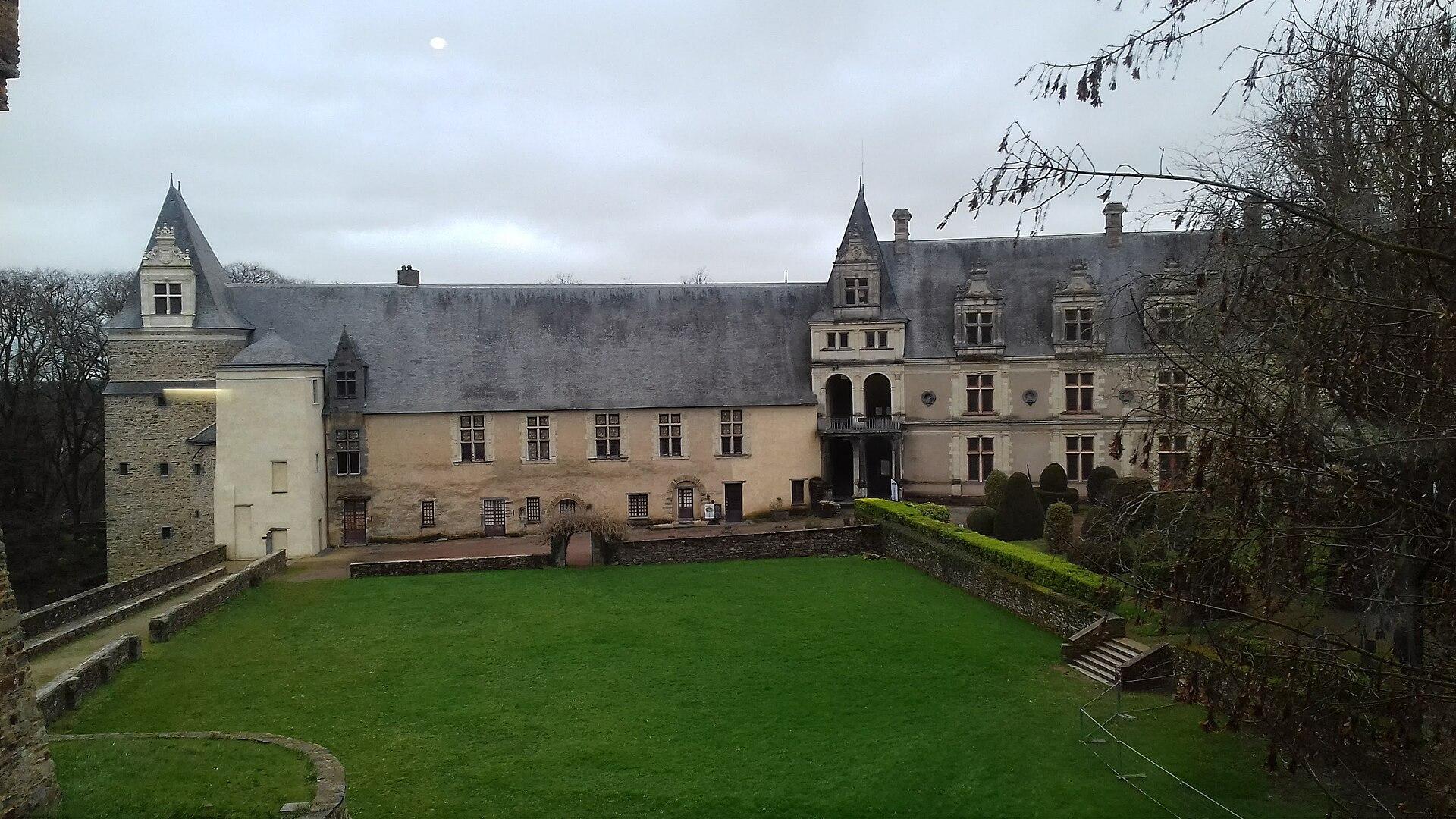
On Brittany’s historic border, Châteaubriant is built around a vast castle mixing the Middle Ages and the Renaissance, old lanes and a very lively weekly market.
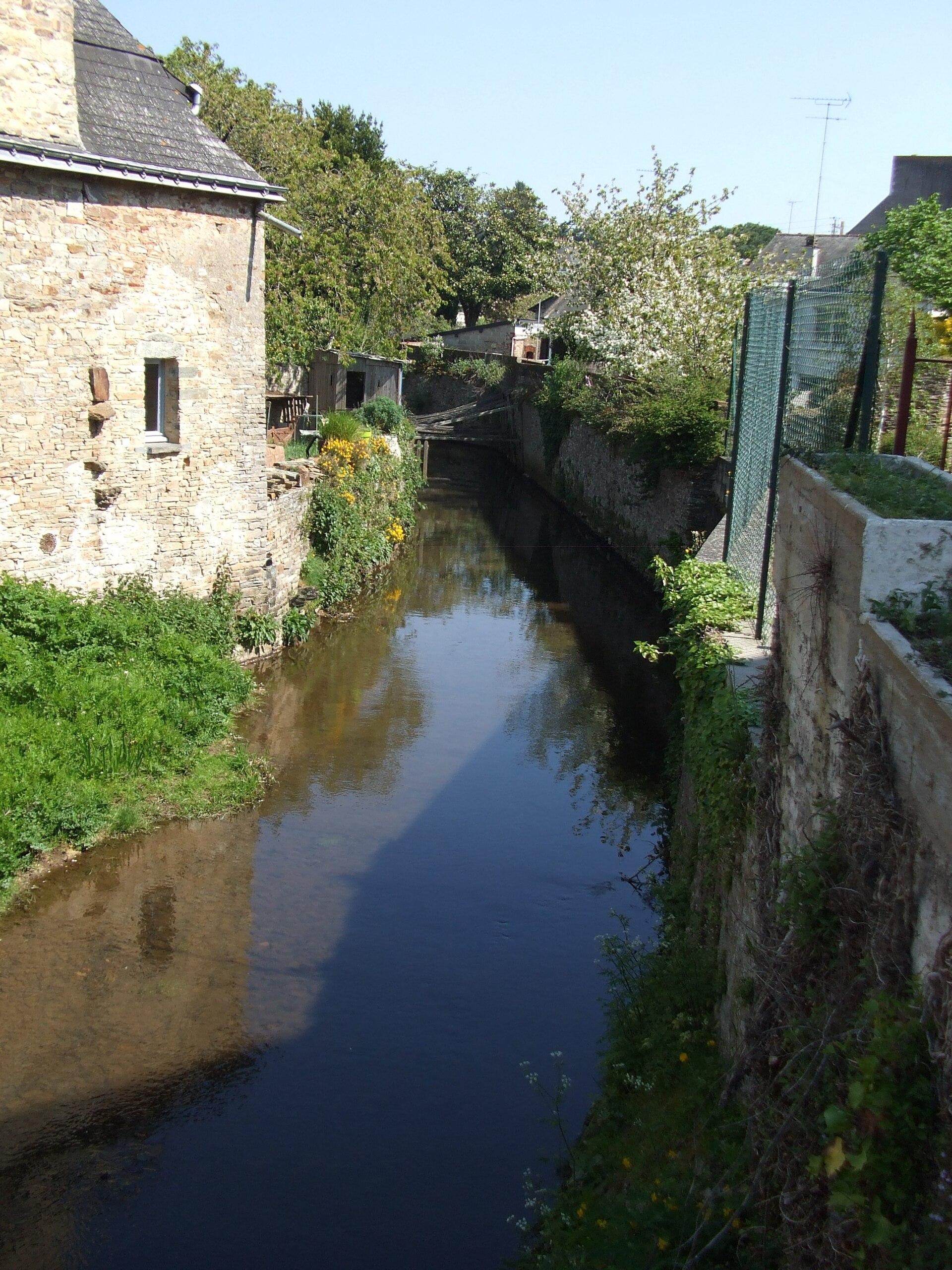
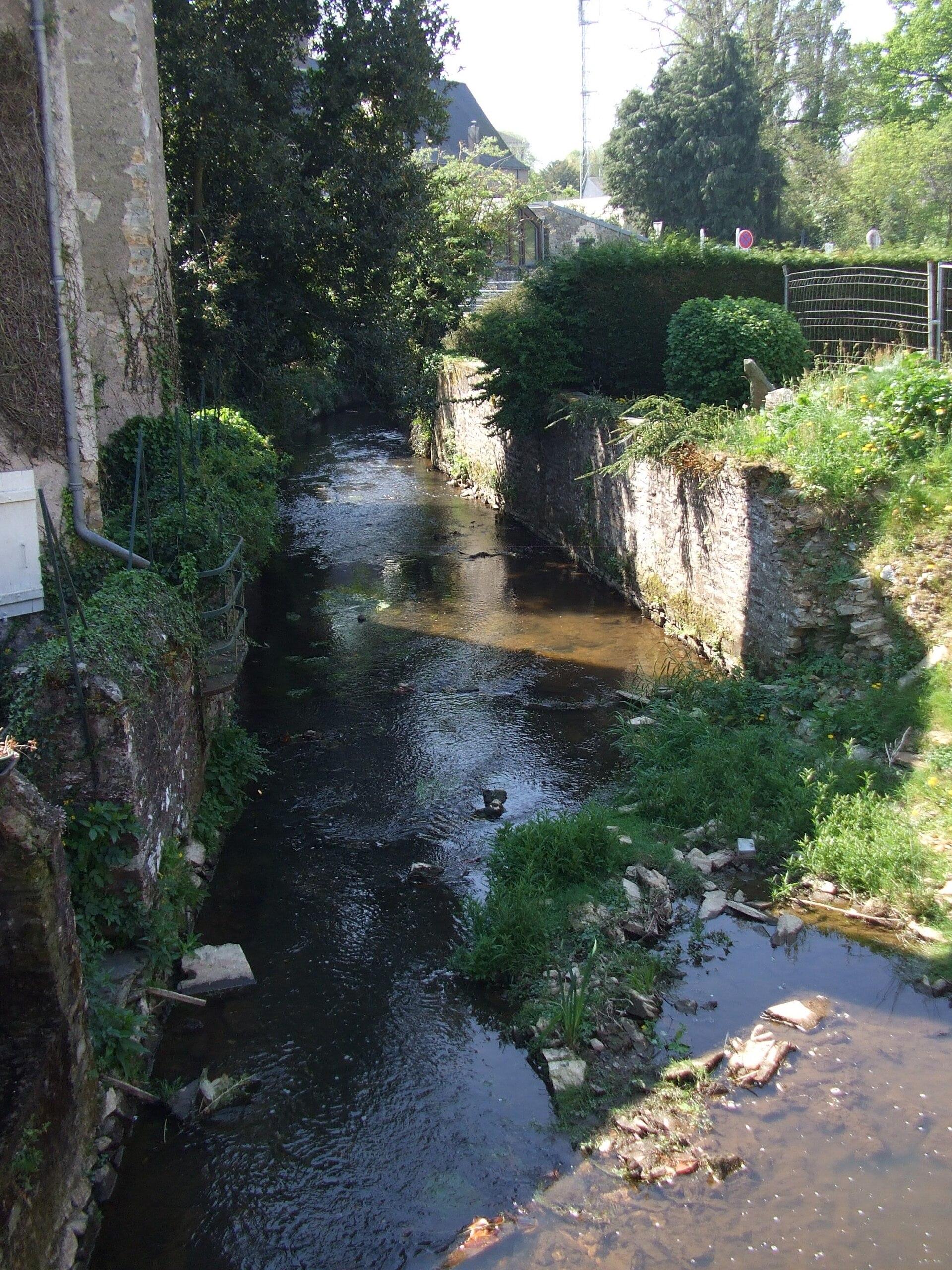
- Suggested time
- At least half a day, a full day with a guided tour of the castle and the market
- Type of place
- Historic town between a medieval fortress and the Renaissance
- Atmosphere
- Historic, lively, monumental and provincial
- Getting there
- In northern Loire-Atlantique, between Rennes and Nantes. The centre is easy to reach by car or by train depending on where you come from. The castle and the town centre are explored on foot.
Who this place suits
- With family
- 9/10
- As a couple
- 8/10
- With friends
- 8/10
- Solo
- 9/10
- With a dog
- 8/10
- Reduced mobility
- 7/10
These scores are calculated from what the page records: official rating, facilities, difficulty, duration and location. They are a guide, not a substitute for contacting the venue, especially about accessibility.
About
Châteaubriant is first and foremost a castle town. The huge fortified complex dominates the historic centre and lets you read several centuries of architecture, from medieval defences to Renaissance buildings. A former border stronghold of the Duchy of Brittany, the site holds a strategic position that explains how the town grew. The castle, owned by the département, is still the main monument, with gardens, courtyards, ruins, residential buildings and visitor trails. In summer 2026, the gardens were open free of charge from Wednesday to Sunday, with several guided tours every day. The town centre also keeps old lanes and façades and a strong market tradition. Every Wednesday morning, around 130 market traders liven up the centre, and another weekly market completes local life. Châteaubriant is also on La Régalante, the long cycle route between Nantes and Mont-Saint-Michel. The Promenade du Duc d’Aumale, the green spaces and the castle’s cultural programme make it easy to go from a heritage visit to a more relaxed stroll.
What you will see
- Visits: the centre is free to explore; the castle gardens are free at set times; guided tours are paid.
- Castle: a medieval and Renaissance complex.
- Gardens in summer 2026: Wednesday to Sunday, 9 am to 7.30 pm.
- Guided tours in summer 2026: 11 am, 2.30 pm and 4 pm, lasting 1 hour.
- Guided tour price: in 2026, €6 full price, €3 reduced.
- Wednesday market: around 130 market traders.
Show 14 more pointsHide
- Cycle route: La Régalante, between Nantes and Mont-Saint-Michel.
- Châteaubriant grew around a strategic fortress on the border of Brittany.
- The castle keeps major medieval structures.
- In the Renaissance, the site was transformed and enriched with new residential buildings.
- This mix is what makes the monument’s architecture so original today.
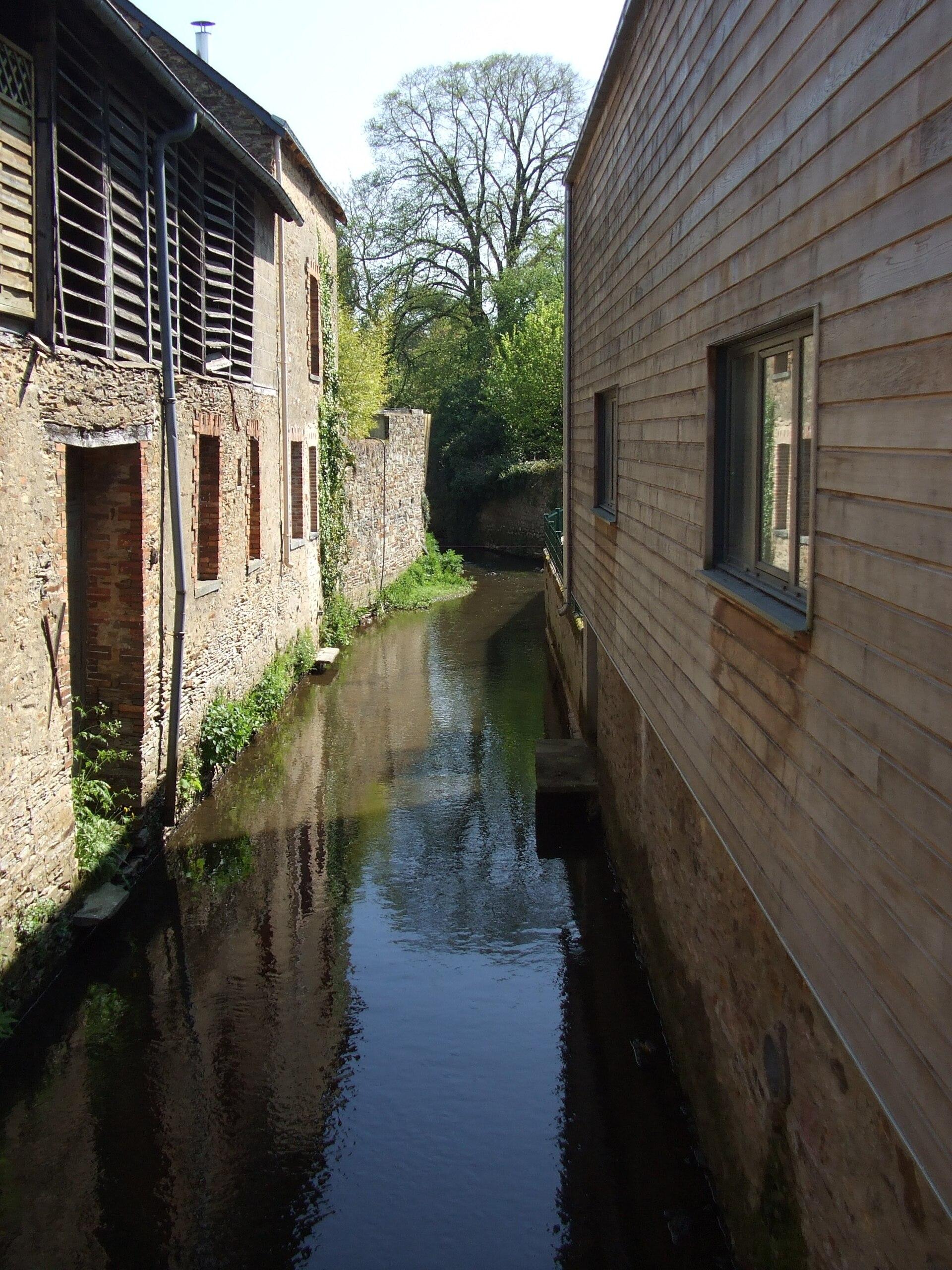
- The historic centre is organised around the castle approaches and the old shopping streets.
- The market remains a strong part of local life.
- The fairground and farm trade recall the importance of the rural area around the town.
- The castle regularly hosts exhibitions, workshops and shows.
- The Promenade du Duc d’Aumale is now a central place to relax.
- Heritage Days and the summer season bring a fuller programme.
- Combine with: La Régalante, the Forges de la Hunaudière, Louisfert, Sion-les-Mines, the Étang de Choisel.
- Not to be missed: the Château de Châteaubriant, the medieval courtyard, the Renaissance buildings, the castle gardens, the Promenade du Duc d’Aumale, the lanes of the centre, the Wednesday market, the Maison du Duc d’Aumale, the archaeology trail and the ramparts with views of the castle.
- Recommended: take the guided tour of the castle to understand how the two periods coexist, wander the gardens in late afternoon, come on a Wednesday morning for the big market, follow the Baludik archaeology trail, take a break on the Promenade du Duc d’Aumale, ride a section of La Régalante and catch a show or an exhibition when one is on.
Practical information
- Getting there
- In northern Loire-Atlantique, between Rennes and Nantes. The centre is easy to reach by car or by train depending on where you come from. The castle and the town centre are explored on foot
- Food
- The market is the place to discover producers and local specialities; the town also has classic restaurants around the centre
- Parking
- Parking in town; the castle and the centre are best on foot
- Pets
- A walk in the centre is possible. Check the rules of the castle and exhibitions before going in
- Accessibility
- Some exhibitions and parts of the castle are described as accessible. The age of the site may limit some routes
- With family
- A good family destination, with tours for children, archaeology activities and the castle’s large open spaces
- Safety
- No particular difficulties in the centre. The usual care on the castle’s stairs and ramparts
- Best time
- Spring to early autumn. Wednesday morning is ideal for combining the market and heritage. Summer has the fullest programme of tours
- Photography
- The contrast between the medieval fortifications and the Renaissance façades is the best subject. Late afternoon light works especially well in the courtyards and gardens
Tips on the spot
- Arrive before 10 am in high season for fewer people; late afternoon is also calmer.
- Use the official car parks and finish on foot; on market days or big events, allow more time to park.
- Wear good shoes for cobbles, quays, paths and steps.
- Start at the tourist office or an interpretation trail if there is one; guided tours give a much richer reading of local history.
- Check the opening times of monuments and activities on the day; in winter, some close earlier.
Show 7 more tipsHide
- Take time for the side streets and small details.
- Respect the residents in the most photographed streets, and never block a private entrance for a photo.
- Have lunch early or late to find a table more easily in high season.
- In autumn, the low light and fewer visitors can be excellent.
- Allow at least half a day, a full day with a guided tour of the castle and the market.
- Come on a Wednesday morning to combine the big market and the castle.
- Take the guided tour to understand the medieval and Renaissance parts of the castle.
Frequently asked questions
How much time should I allow?
At least half a day, a full day with a guided tour of the castle and the market.
Is the visit free?
The centre and the castle gardens are free to explore. Guided tours of the castle are paid.
What makes it special?
Exploring a castle that is exceptional for its layers of medieval and Renaissance architecture, then carrying on through the town centre and along the Promenade du Duc d’Aumale.
What is the atmosphere like?
Historic, lively, monumental and provincial.
When is the best time to come?
Spring to early autumn. Wednesday morning is ideal for combining the market and heritage. Summer has the fullest programme of tours.
What are the must-sees?
The Château de Châteaubriant, the medieval courtyard, the Renaissance buildings, the castle gardens, the Promenade du Duc d’Aumale, the lanes of the centre, the Wednesday market and the ramparts.
Stay in Châteaubriant
Places to stay that are still available, with current prices, compared across the main booking platforms.
Partner link: a booking made from this map may earn us a commission, at no extra cost to you.
Read in the journal
- ChristmasWhat to do in Loire-Atlantique during the Christmas holidaysLe Voyage en hiver and the Nantes Christmas market, Guérande and the wild coast, Clisson and the Brière: our ideas for the 2026 Christmas holidays in Loire-Atlantique.
- Winter holidaysWhat to do in Loire-Atlantique during the February holidaysThe Château des ducs and the Machines de l’île in Nantes, Guérande, the wild coast of Le Croisic and spring tides in Pornic: our ideas for the February 2027 holidays.
- DepartmentWhat to do in Loire-AtlantiqueNantes, La Baule, the Guérande salt marshes: the department with the most places in our guide, between the Loire and the Atlantic.
Traveller reviews
Nobody has reviewed this place yet.
Photographs: Oie blanche · CC BY-SA 3.0 · Wikimedia Commons · Chin844 · CC BY-SA 4.0 · Wikimedia Commons · Pj44300 · CC BY-SA 4.0 · Wikimedia Commons