Department
What to do in Loire-Atlantique
Nantes, La Baule, the Guérande salt marshes: the department with the most places in our guide, between the Loire and the Atlantic.
7 min read
Loire-Atlantique has not been part of the Brittany region since 1941, but it belongs to historic Brittany: Nantes was its capital, and the castle of the dukes still stands there. The debate on reunification comes back with every territorial reform. This guide treats it like the rest, because visitors make no difference, and they are right.
It is the department with the most places in our guide, six hundred and twenty one, and the most varied: a major city, a hundred and thirty kilometres of coast, salt marshes and vineyards.
Nantes
The Château des ducs de Bretagne, in the centre, houses the city’s history museum, and its ramparts can be walked for free. The Machines de l’île, on the former shipyards, are the attraction everyone knows: the twelve metre mechanical elephant carries fifty people.
The Passage Pommeraye, an 1843 shopping arcade on three levels linked by a monumental staircase, is worth the detour even if you buy nothing.
What to see in and around Nantes
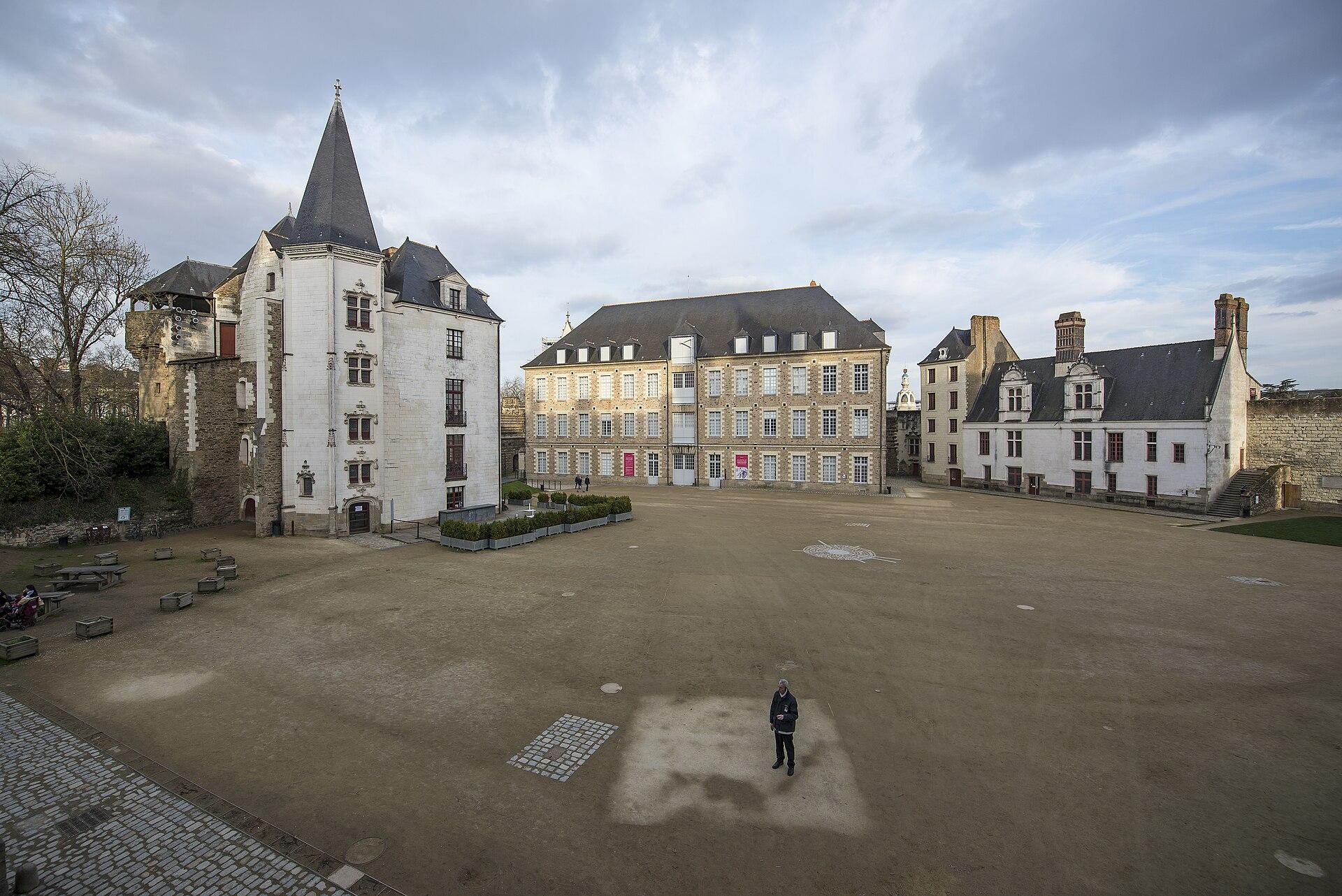 CastleChâteau des ducs de BretagneNantes · 2 h 30 to 3 h 30In the heart of Nantes, the Château des ducs de Bretagne combines medieval ramparts, a ducal palace in white tufa stone and a large museum devoted to the history of the city.
- RestaurantOmijaNantes · 2 to 3 hoursAt Omija, on rue Fouré in Nantes, Michelin-starred chef Romain Bonnet creates travel-inspired cuisine around five flavours: sweet, salty, sour, bitter and spicy. Fish, meat and vegetables from demanding producers meet Japanese and Korean inspirations and foraged wild plants, in blind tasting menus.
- RestaurantLes CadetsNantes · A mealIn Nantes, the Bernabé brothers run a Michelin-starred restaurant where a single menu, changed every week, follows the market gardeners and the coastal catch.
- RestaurantFreiaNantes · Varies with the menu, often 1 h 30 to 3 h; confirm with the restaurant.On the sixth floor of a Nantes building, Sarah Mainguy creates a unique gastronomic experience in the middle of a hanging garden. One Michelin star.
- RestaurantLuluRougetNantes · 2 to 3 hoursIn Nantes, Ludovic Pouzelgues creates inventive cuisine at LuluRouget, awarded one star in 2026. Produce from the Le Croisic and La Turballe fish auctions feeds surprise menus, while Les Intemporels menu brings back some of the chef’s signature creations.
- RestaurantL'Atlantide 1874 - Maison GuéhoNantes · 1 h 30 to 3 h, depending on the menu.In an 1874 manor house overlooking the Loire, Jean-Yves Guého brings together the elegance of a grand meal, refined seafood cuisine and an exceptional view over Nantes.
- RestaurantLe Manoir de la RégateNantes · 2 h to 3 h 15On the banks of the Erdre, Le Manoir de la Régate bears the mark of Mathieu and Anne-Charlotte Pérou: a one-star restaurant where local produce, ecological commitment and family memory meet very personal cooking.
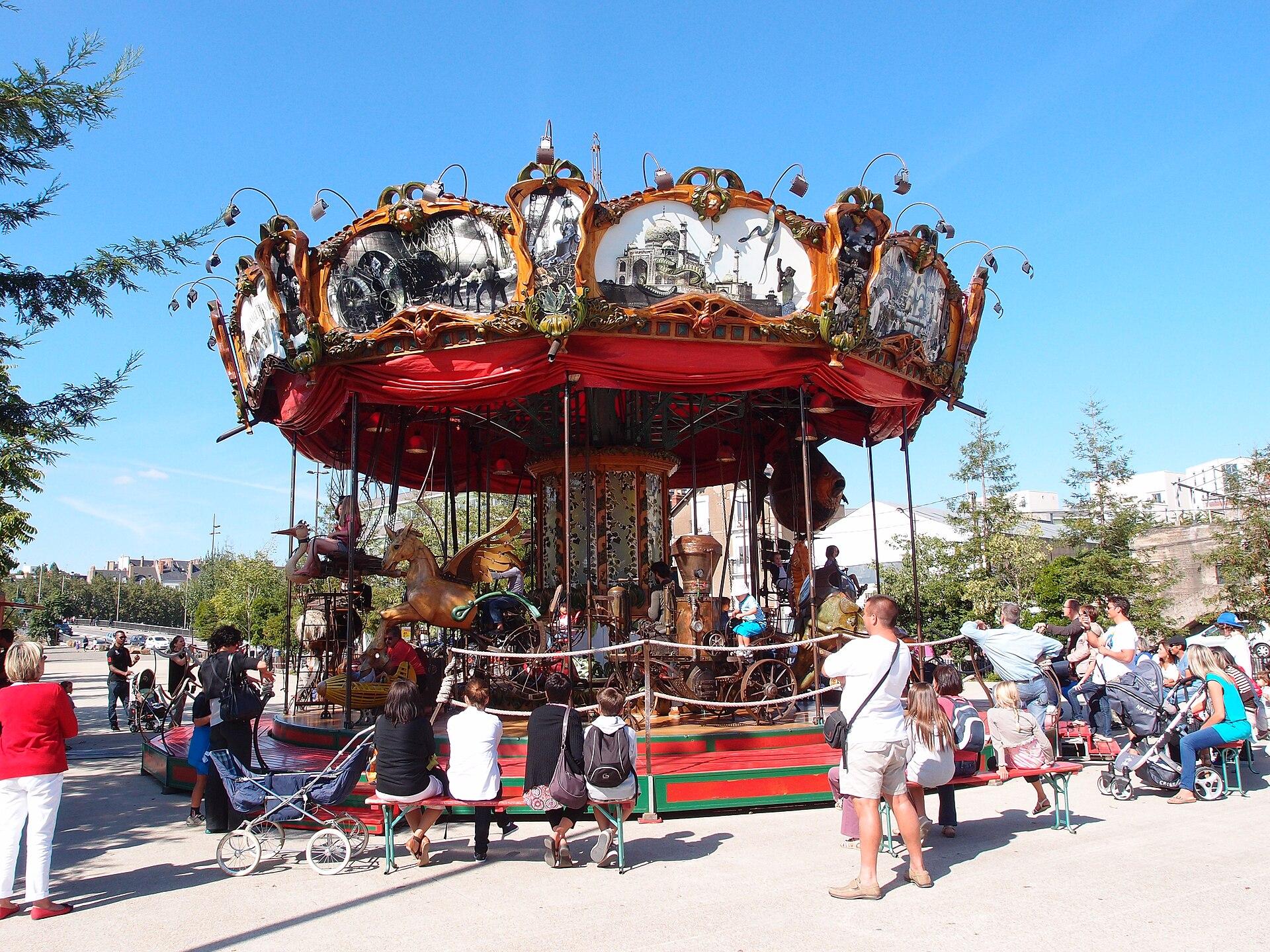 ActivityLes Machines de l’îleNantes · 2 to 3 hoursOn the Île de Nantes, Les Machines de l’île: the Machine Gallery, the Marine Worlds Carousel and the Great Elephant, under maintenance until the end of February 2027.
The coast
The Bay of La Baule stretches nine kilometres from Pornichet to Le Pouliguen, five of them continuous beach: one of the longest in Europe. To the west, the wild coast of Le Croisic and Batz-sur-Mer offers the opposite, rocks and coves battered by the west wind.
The beaches of Loire-Atlantique
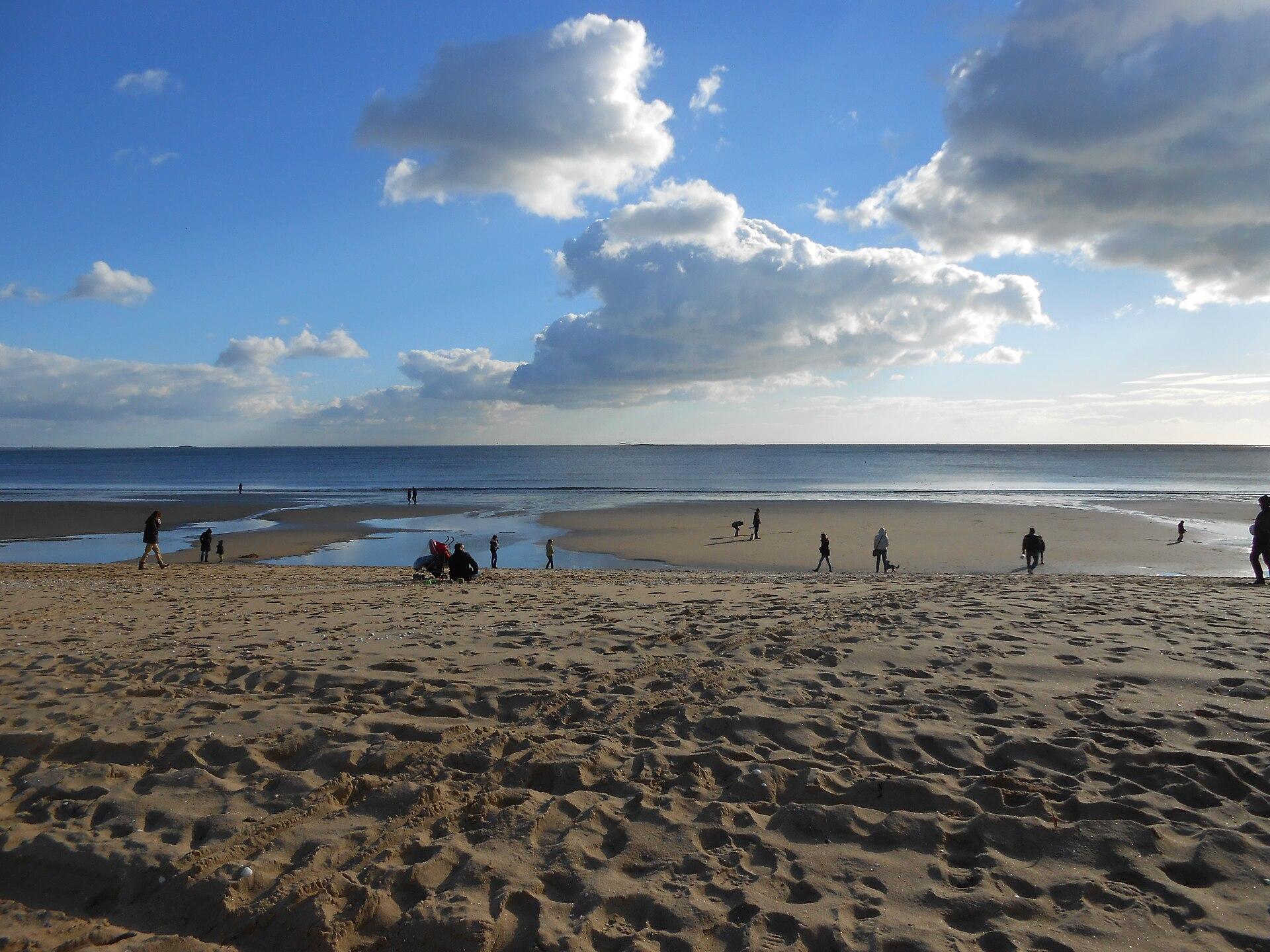 BeachLa Baule BeachLa Baule-Escoublac · 3 hours to a full day, longer to walk the whole bayFrom Pornichet to Le Pouliguen, the bay of La Baule stretches about 9 km of fine sand, with lifeguarded sections, beach clubs, water sports, walks, facilities for disabled visitors and water quality monitored all summer.
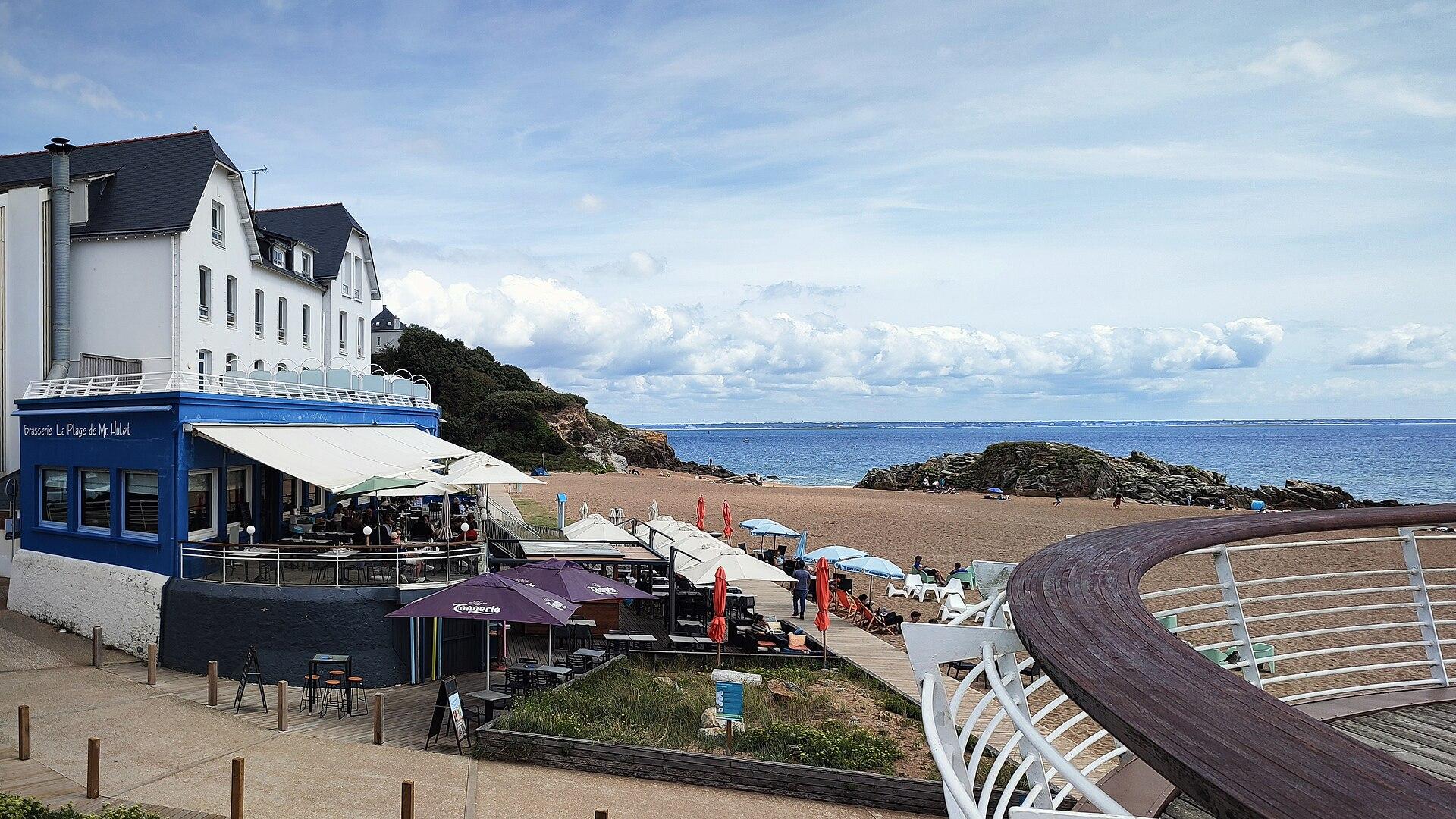 BeachPlage de Monsieur HulotSaint-Nazaire · 3 hours to a full dayIn Saint-Marc-sur-Mer, the Monsieur Hulot beach combines sand, a jetty, rocks, a historic hotel, a statue of Jacques Tati, the Blue Flag, summer lifeguards and two Tiralo beach wheelchairs.
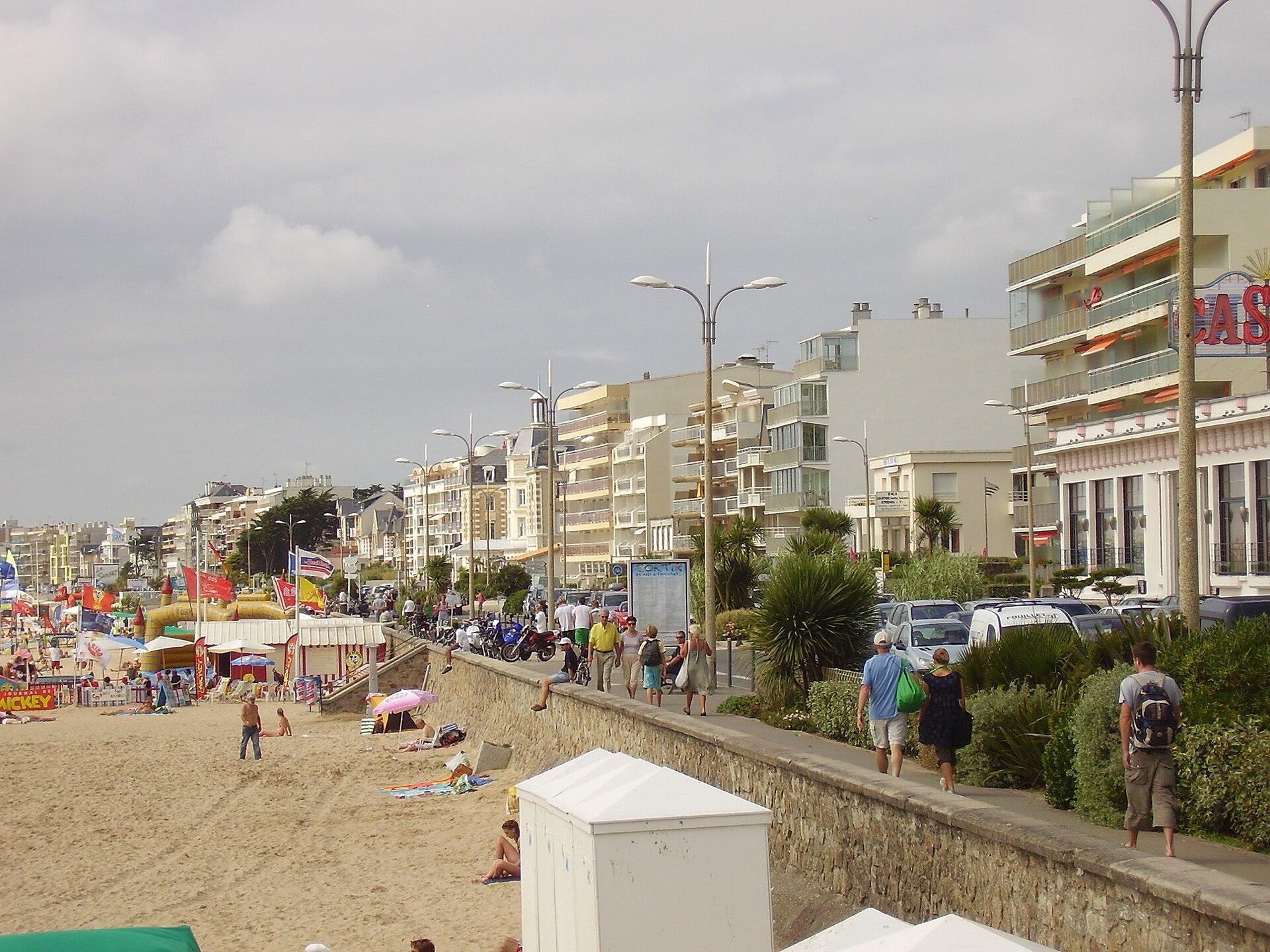 BeachPlage des LibrairesPornichet · 3 hours to a full dayIn Pornichet, Les Libraires is a large urban beach lifeguarded in summer, the only beach in Loire-Atlantique with the Handiplage level 4 label, with beach clubs, adapted access and a lively seafront.
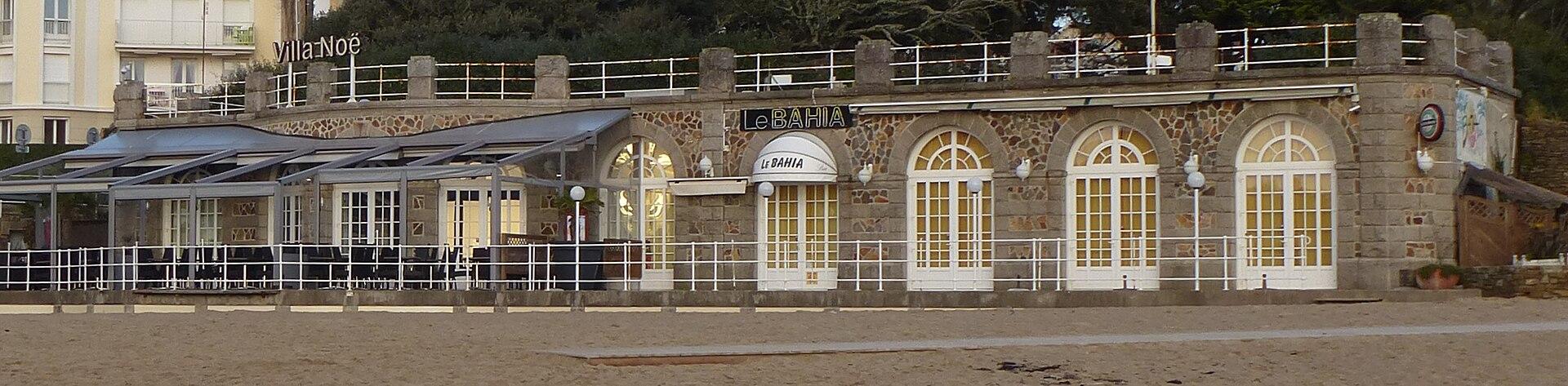 BeachPlage de la NoëveillardPornic · 3 hours to a full dayNext to the marina in Pornic, La Noëveillard is a lively urban beach of fine golden sand with historic beach huts, a beach club, the Blue Flag and the Handiplage label.
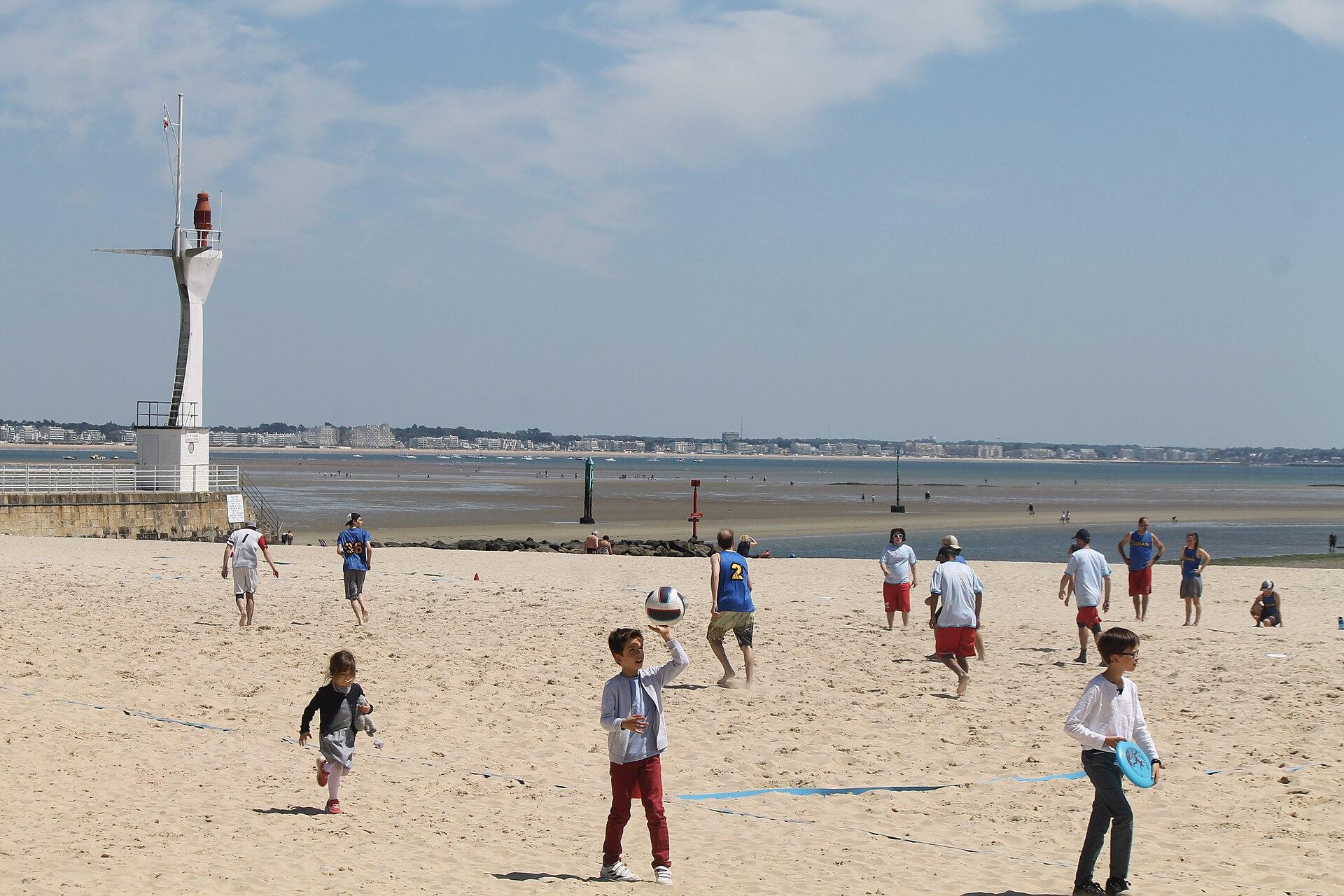 BeachPlage du NauLe Pouliguen · 3 hours to a full dayBetween the harbour jetty and the town hall of Le Pouliguen, Le Nau is a Blue Flag family beach, lifeguarded in summer and wheelchair accessible, with a Tiralo, showers, toilets, beach clubs, volleyball, beach huts and shore fishing at low tide.
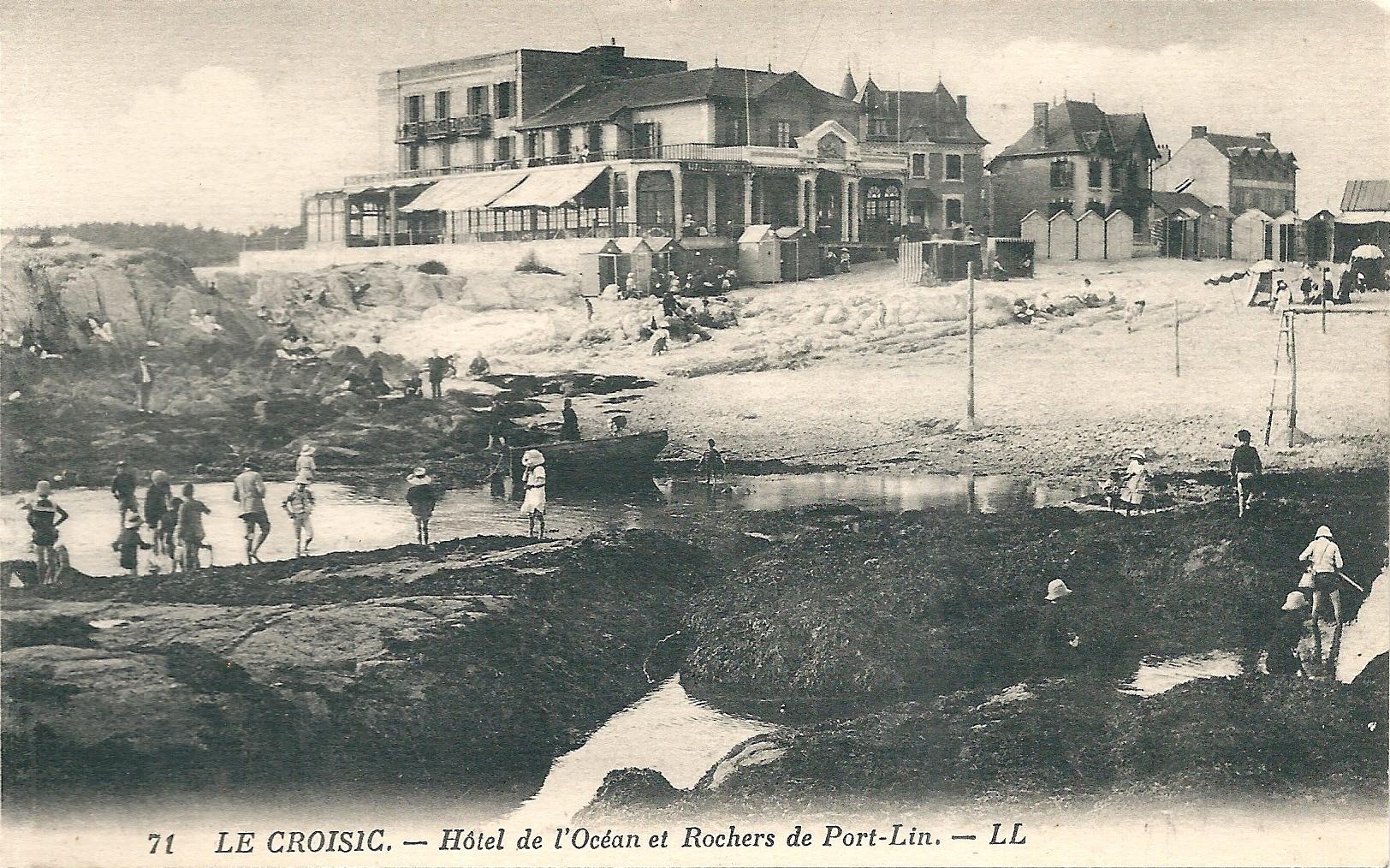 BeachPlage de Port-LinLe Croisic · 2 h 30 to a full dayIn Le Croisic, Port-Lin is the town’s main beach, a sandy cove lined with seaside villas, lifeguarded in season, with a kids’ club, showers, toilets and excellent water quality.
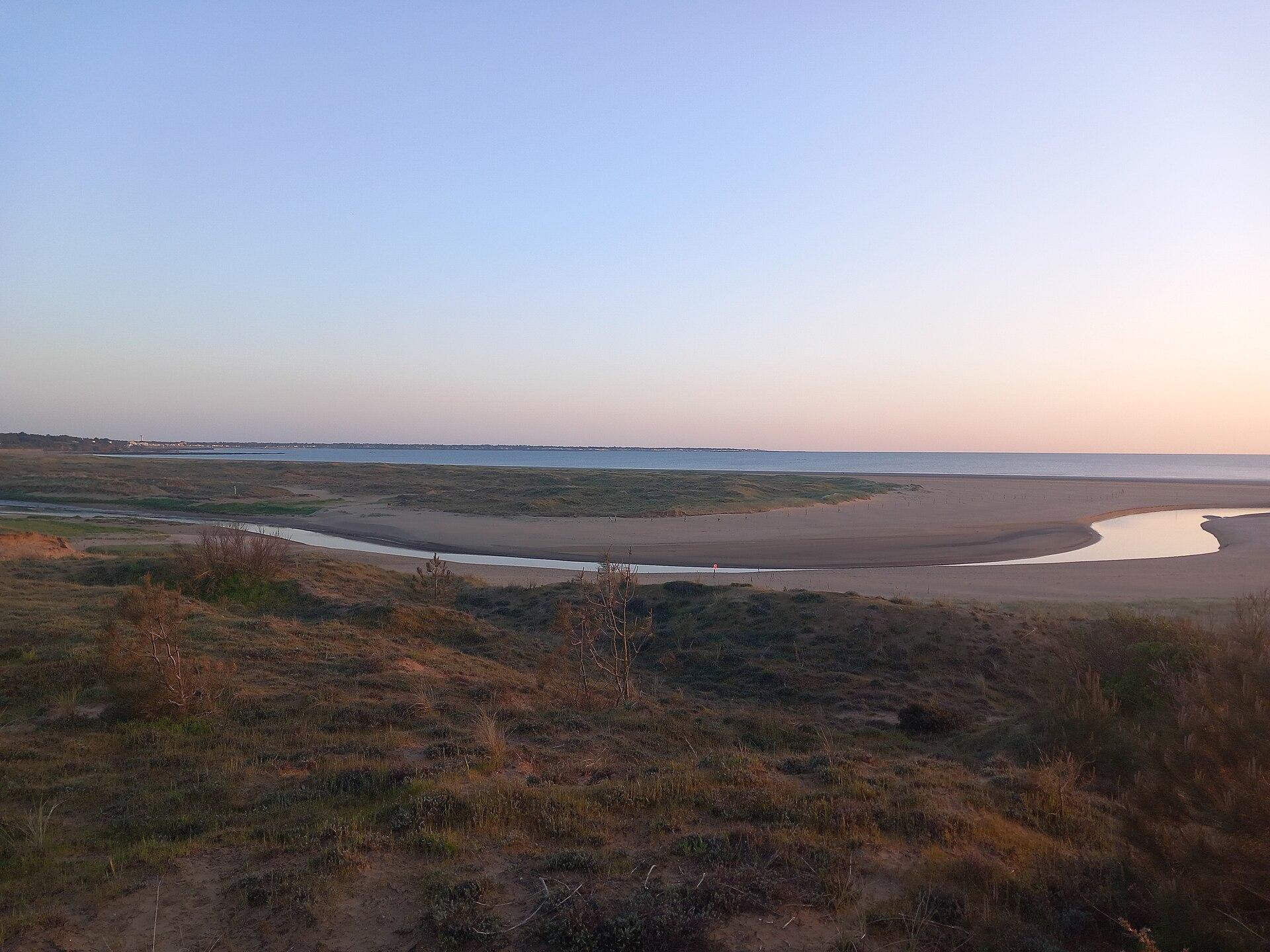 BeachPlage de l’OcéanSaint-Brevin-les-Pins · 3 hours to a full dayIn Saint-Brevin-les-Pins, the Plage de l’Océan offers fine sand, dunes, lifeguarded swimming in July and August, a Tiralo, a Hippocampe chair, a beach club, play areas, a water sports centre, restaurants and free parking.
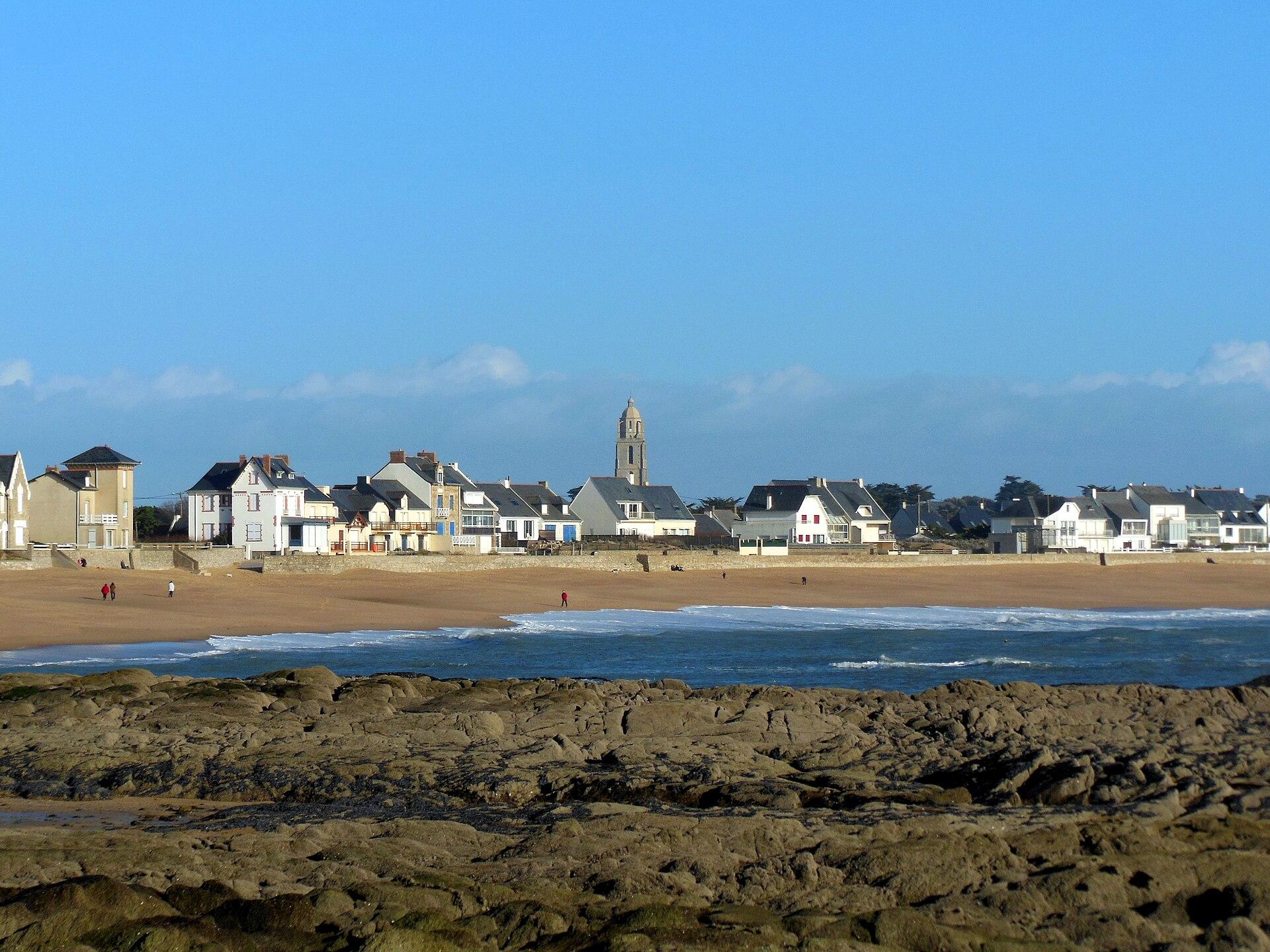 BeachPlage ValentinBatz-sur-Mer · 3 hours to a full dayIn Batz-sur-Mer, Valentin is the resort’s largest beach, with about 740 m of fine sand, summer lifeguards, places to eat, two toilet blocks, a sailing school, a wheelchair mat and amphibious chairs.
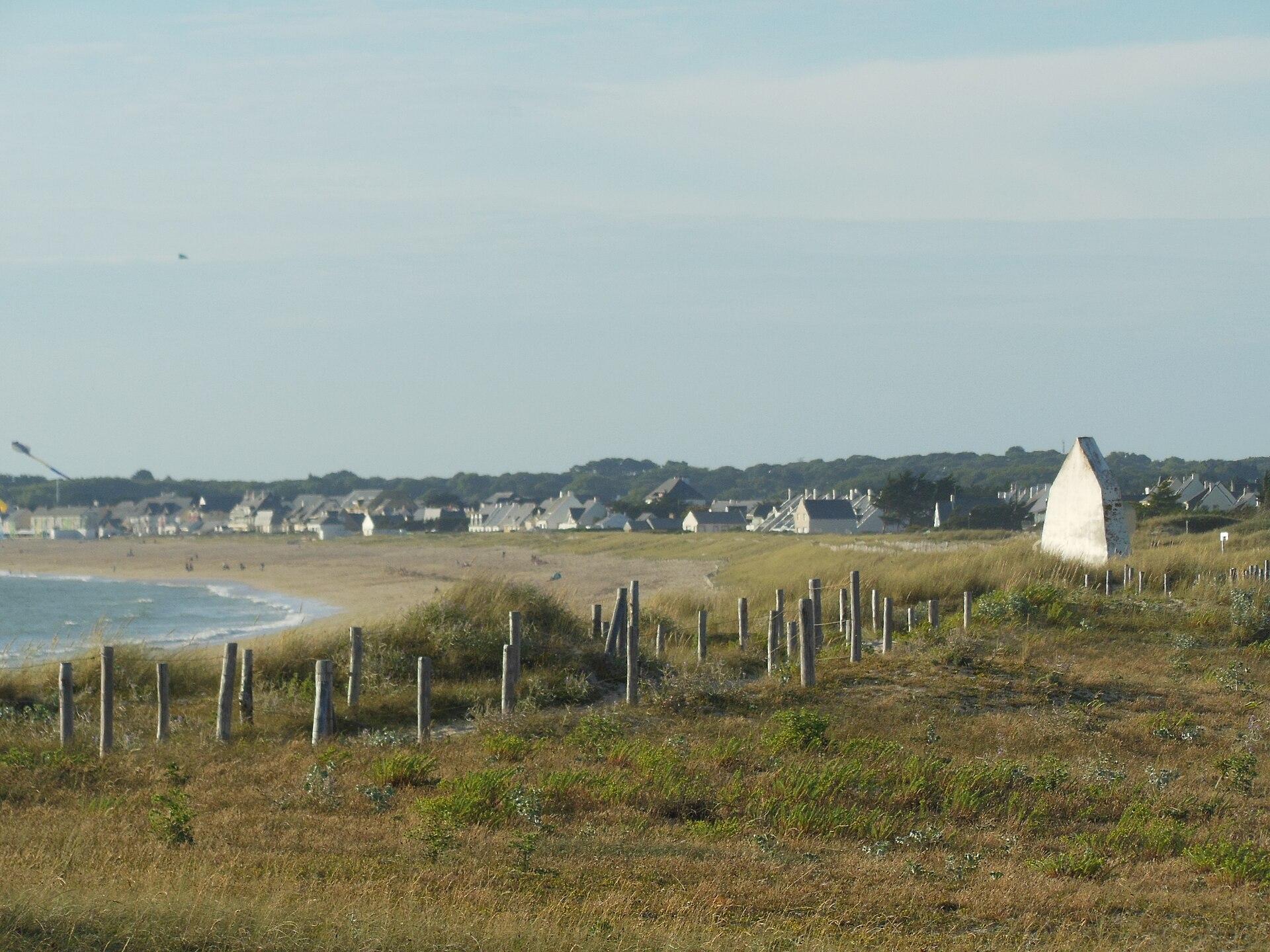 BeachPlage de Pen BronLa Turballe · 2 h 30 to a full dayIn La Turballe, Pen Bron extends the Grande Falaise beach to the Pointe de Pen Bron, with fine sand, Conservatoire du littoral dunes, a Blue Flag, free parking and no lifeguard.
 BeachGrande Plage de TharonSaint-Michel-Chef-Chef · 3 hours to a full dayIn Saint-Michel-Chef-Chef, the Grande Plage de Tharon stretches for more than a kilometre of fine sand, with summer lifeguards, a Tiralo, a beach club, a water sports centre, sand yachting, shore fishing, toilets and free parking.
Guérande and the salt marshes
The marshes cover two thousand hectares between Guérande and Le Croisic, and three hundred salt workers harvest the salt by hand as it has been done for twelve centuries. Each salt pan measures seventy square metres, in a land register unchanged since 1343. Fleur de sel is gathered from the surface with a lousse, which looks like a sieve and is slid under the film without touching the bottom; coarse salt is drawn from the bottom with a las. The season runs from June to September, and it is the only time you can see the work.
The medieval town of Guérande has kept its complete walls, four gates and six towers, over one point three kilometres.
The vineyards
Muscadet is made south east of Nantes, on eight thousand hectares of vines, one of the largest dry white wine areas in France. Clisson, on its edge, is a curiosity: ruined during the Vendée wars, it was rebuilt from 1798 on the Tuscan model by the Cacault brothers, two Nantes men back from Italy, and then by the sculptor Lemot. Curved tiles, thin bricks, round arches: you would think you were elsewhere, and it can be visited in half a day.
Villages and heritage
- CastleChâteau des ducs de BretagneNantes · 2 h 30 to 3 h 30In the heart of Nantes, the Château des ducs de Bretagne combines medieval ramparts, a ducal palace in white tufa stone and a large museum devoted to the history of the city.
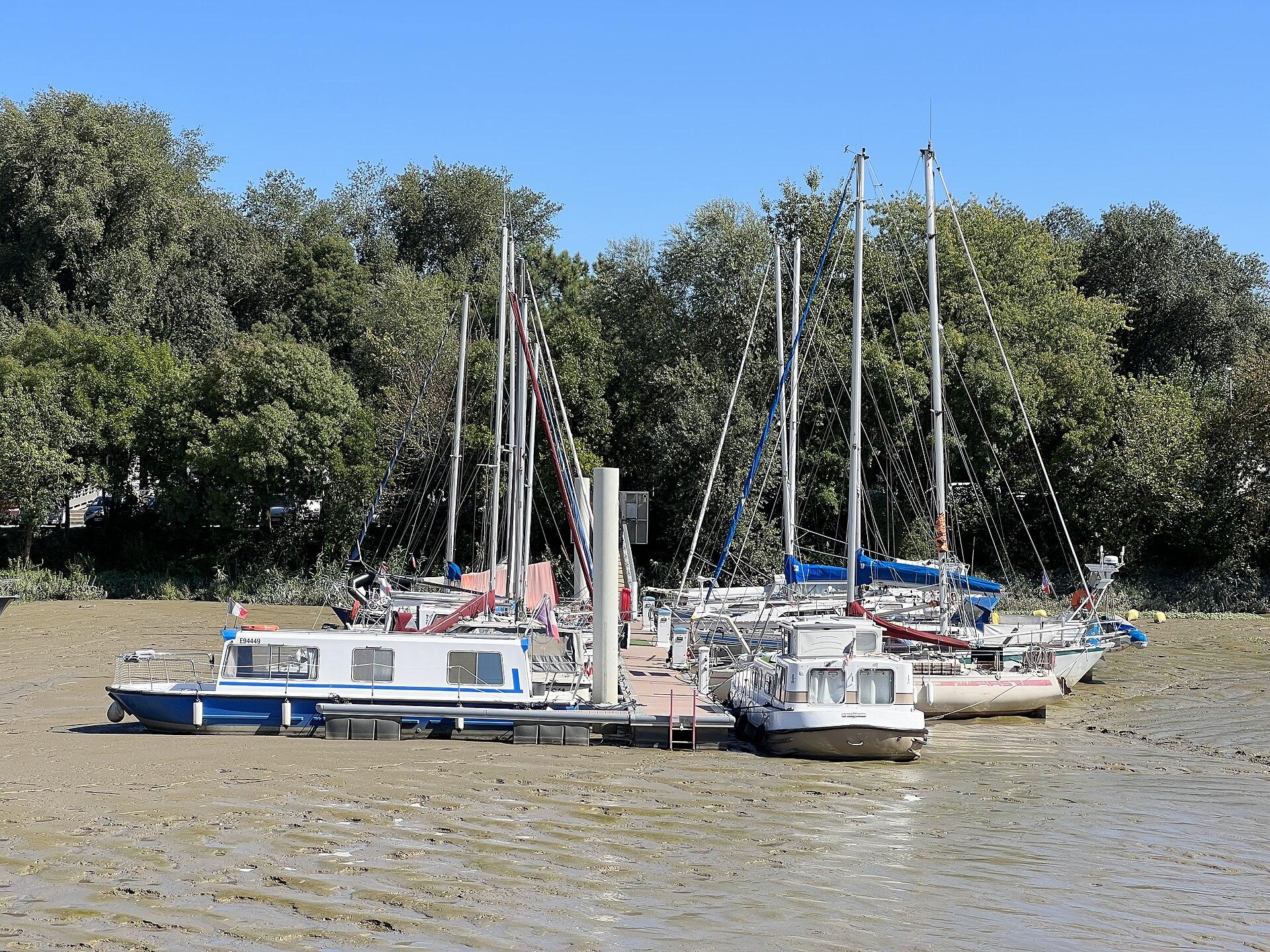 VillageTrentemoultRezé · 1 h 30 to 3 hours, half a day with lunch or combined with NantesFacing Nantes, Trentemoult unfolds a maze of colourful houses, narrow lanes, little gardens and terraces on the banks of the Loire, a few minutes away by Navibus.
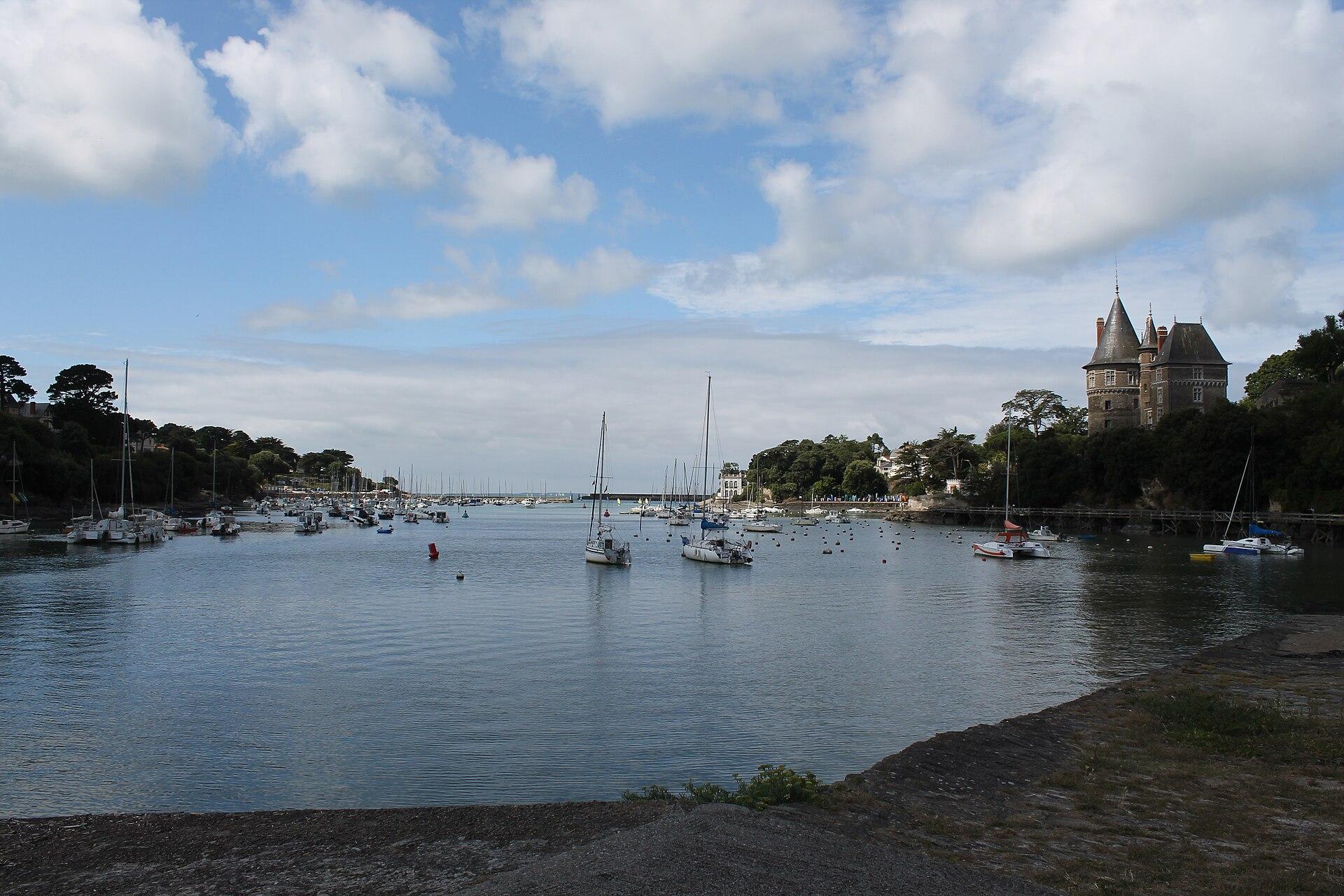 VillagePornicPornic · Half a day minimum, a full day with the coastal path and the beachPornic curls around an old harbour overlooked by its castle, among villas, coves, the customs officers’ path, fishing huts and famous treats such as La Fraiseraie.
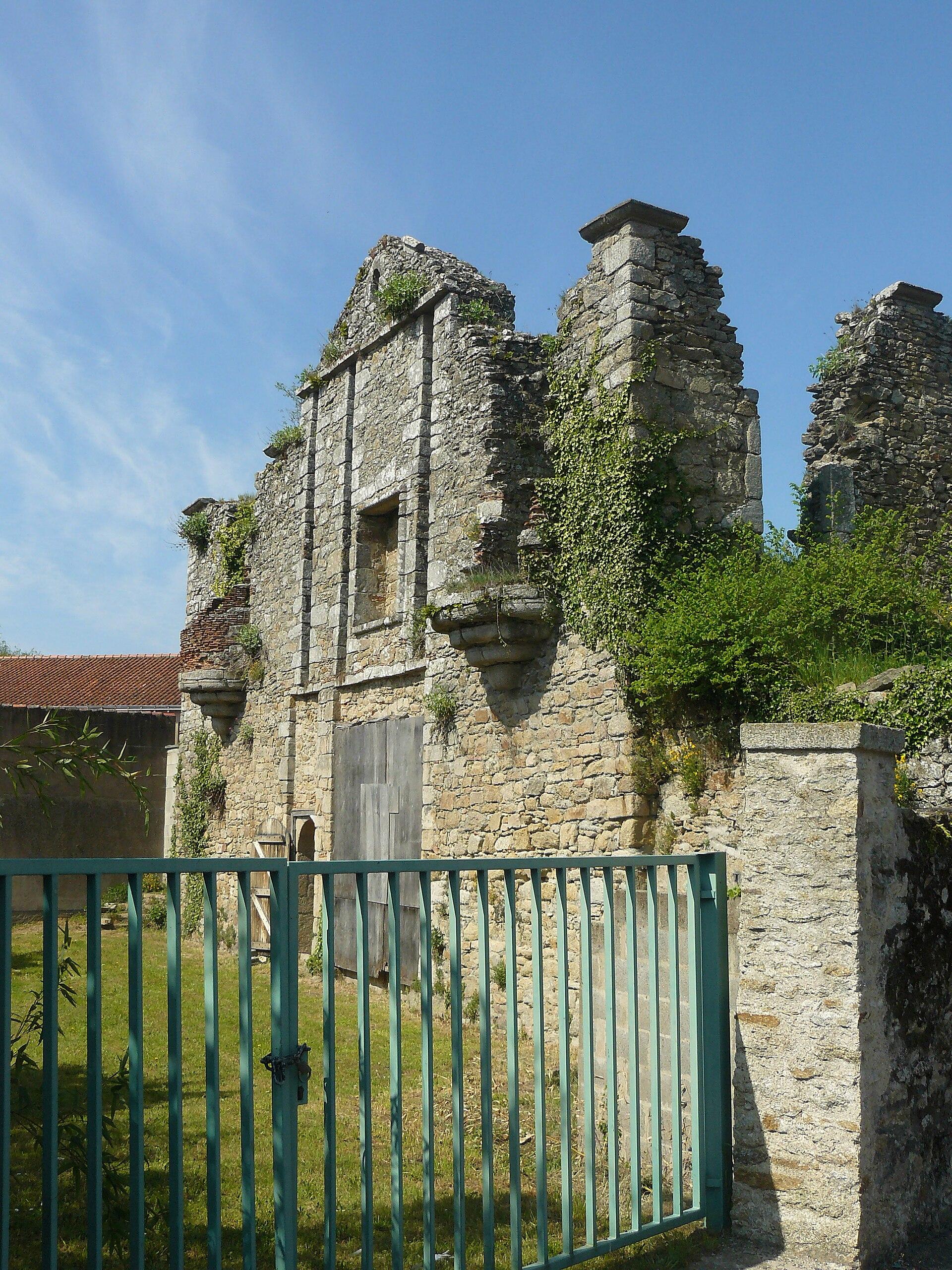 VillageClissonClisson · Half a day minimum, ideally a full day with La Garenne LemotWhere the Sèvre and the Moine meet, Clisson combines a medieval castle, old market halls, stone bridges, Italian-style facades and the Romantic park of La Garenne Lemot.
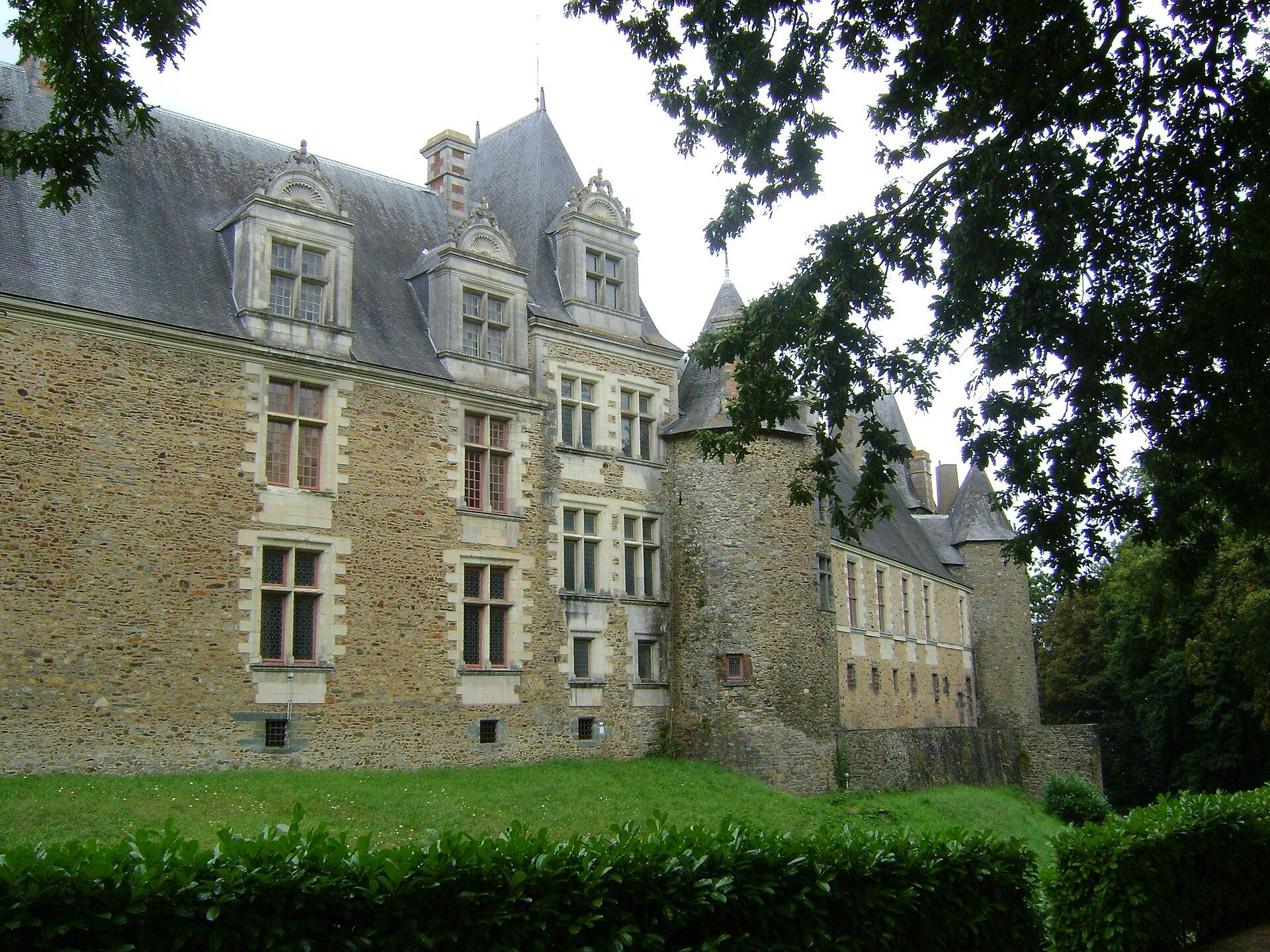 CastleChâteau de ChâteaubriantChâteaubriant · 1 h 30 to 2 hoursIn Châteaubriant, a fortress of the Marches stands beside an elegant Renaissance palace: two architectures and two eras on the same estate.
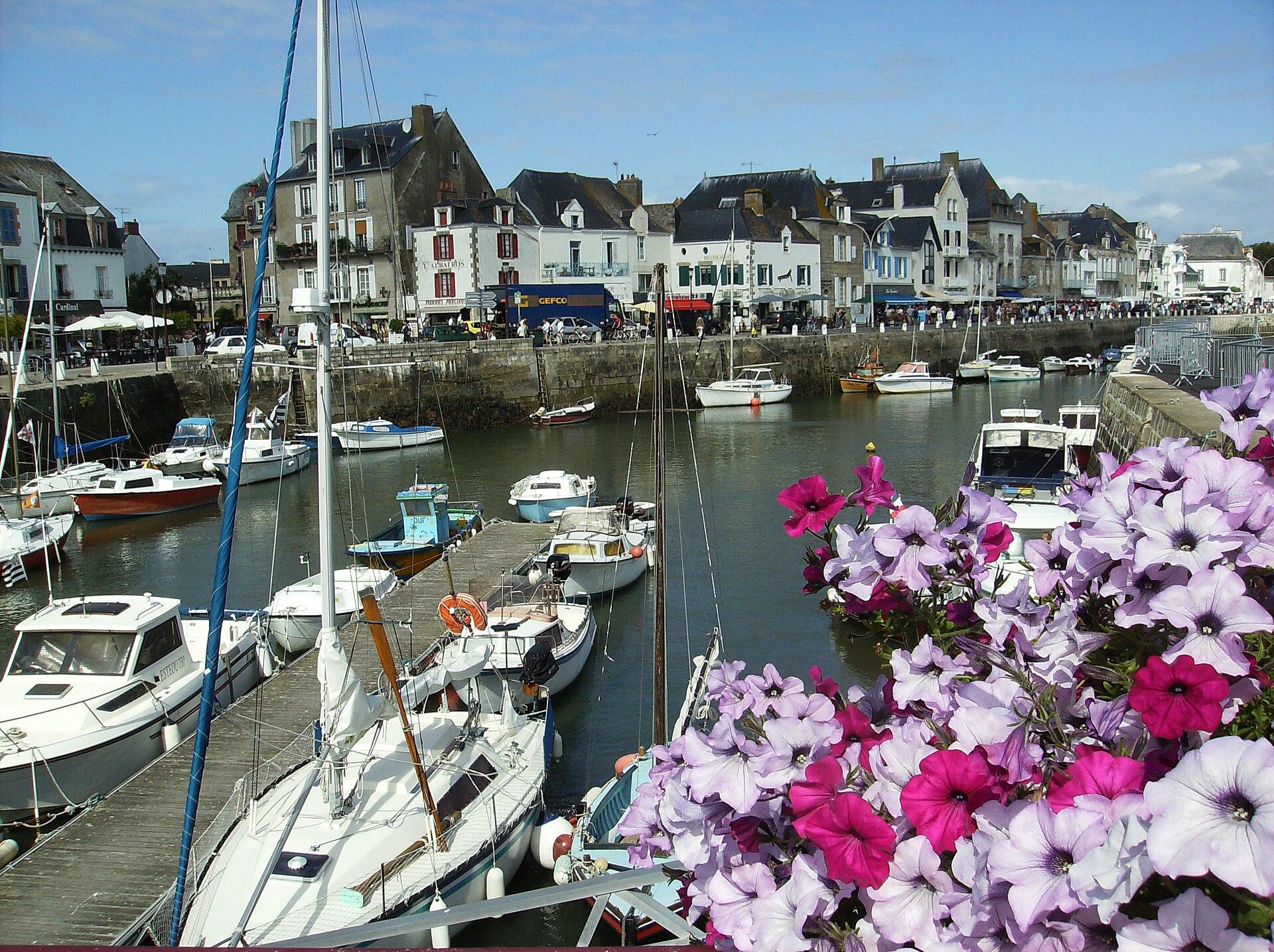 VillageLe CroisicLe Croisic · Half a day minimum, ideally a full day with the Côte Sauvage or the OcéariumLe Croisic combines an old harbour, shipowners’ houses, old lanes, the Océarium and a wild coast, on a peninsula where maritime heritage runs right out to the Atlantic rocks.
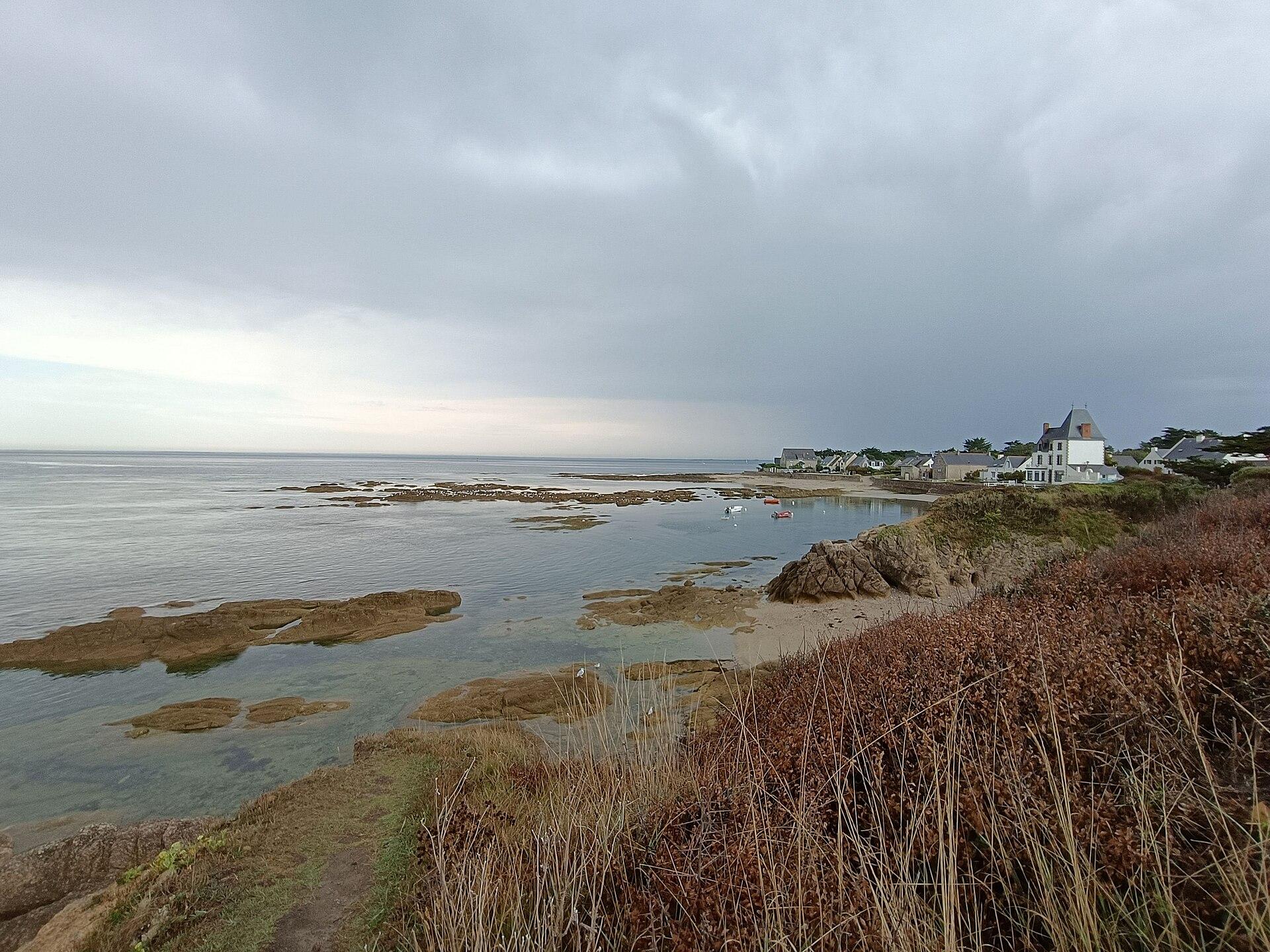 VillagePiriac-sur-MerPiriac-sur-Mer · 2 hours to half a day, a full day with the beach or the coastal pathAmong granite, hydrangeas and colourful shutters, Piriac-sur-Mer unfolds its alleys around a small sheltered harbour before reaching the rocky coast and the Pointe du Castelli.
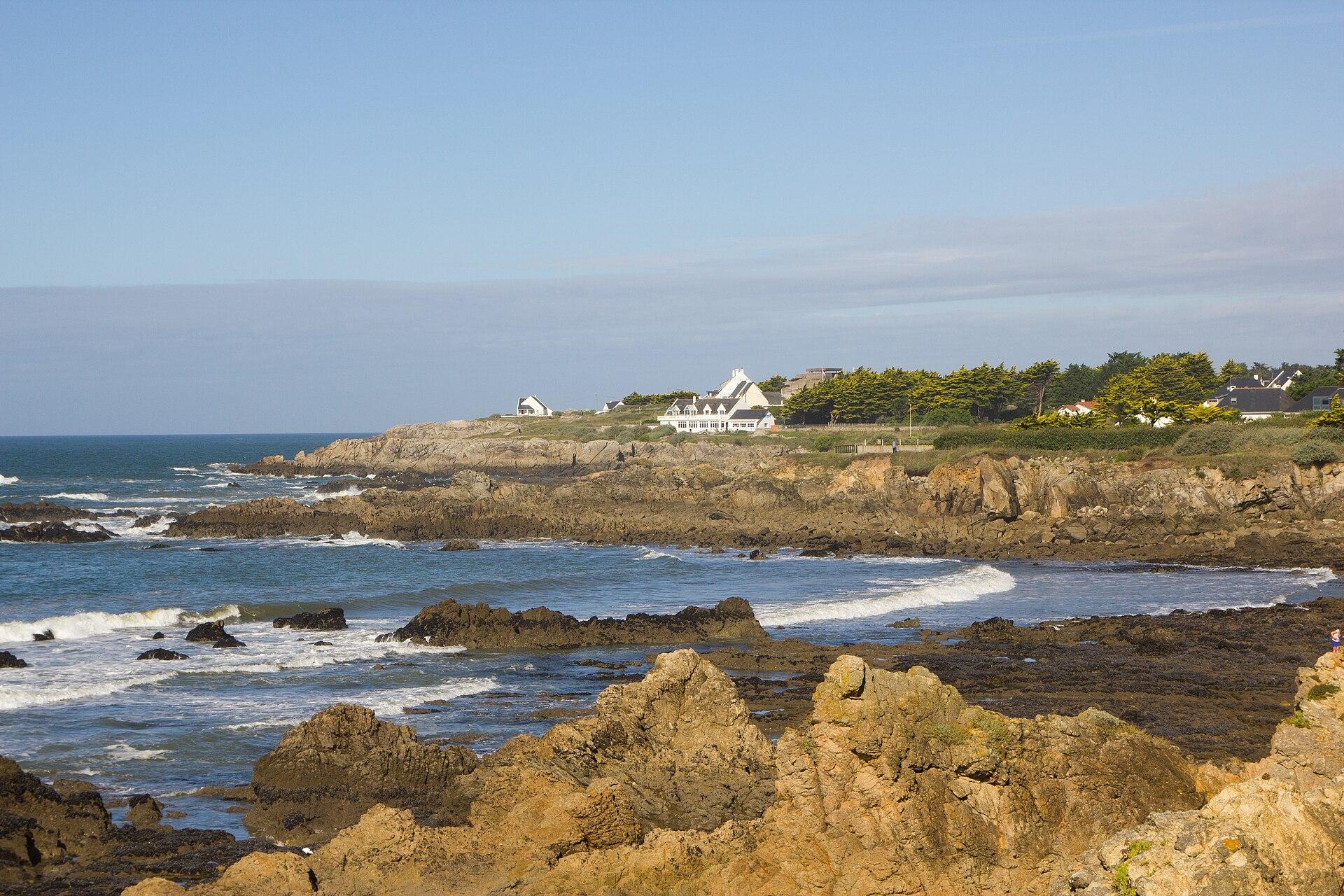 VillageBatz-sur-MerBatz-sur-Mer · At least half a day, ideally a full day to combine the centre, the marshes, the museum and the coastBetween the wild coast and the Guérande salt marshes, Batz-sur-Mer combines granite lanes, salt workers’ villages, the Saint-Guénolé tower, beaches and salt culture.
Where to stay
Campsites and hotels
- CampsiteCamping de L’OcéanLe Croisic · A week or several days to make the most of the facilities and Le CroisicAbout 200 m from the beach in Le Croisic, Camping de L’Océan brings together a 2,100 m² indoor and outdoor water park, a 400 m² spa area and a wide range of family accommodation.
- CampsiteCamping Sandaya Le FiefSaint-Brevin-les-Pins · 2 to 7 nightsA 5-star holiday village campsite in Saint-Brevin, eight hundred metres from the ocean: fifteen hundred square metres of pools, a thousand of them indoors, a spa, clubs for ages 0 to 17 and cottages for up to ten people.
- HotelCastel Marie-LouiseLa Baule · 1 night to several daysFacing the ocean in La Baule, the Castel Marie-Louise is a 5-star Barrière hotel with just 31 rooms and suites, in an elegant Belle Époque house with a gastronomic restaurant.See prices and bookPartner link Booking.com
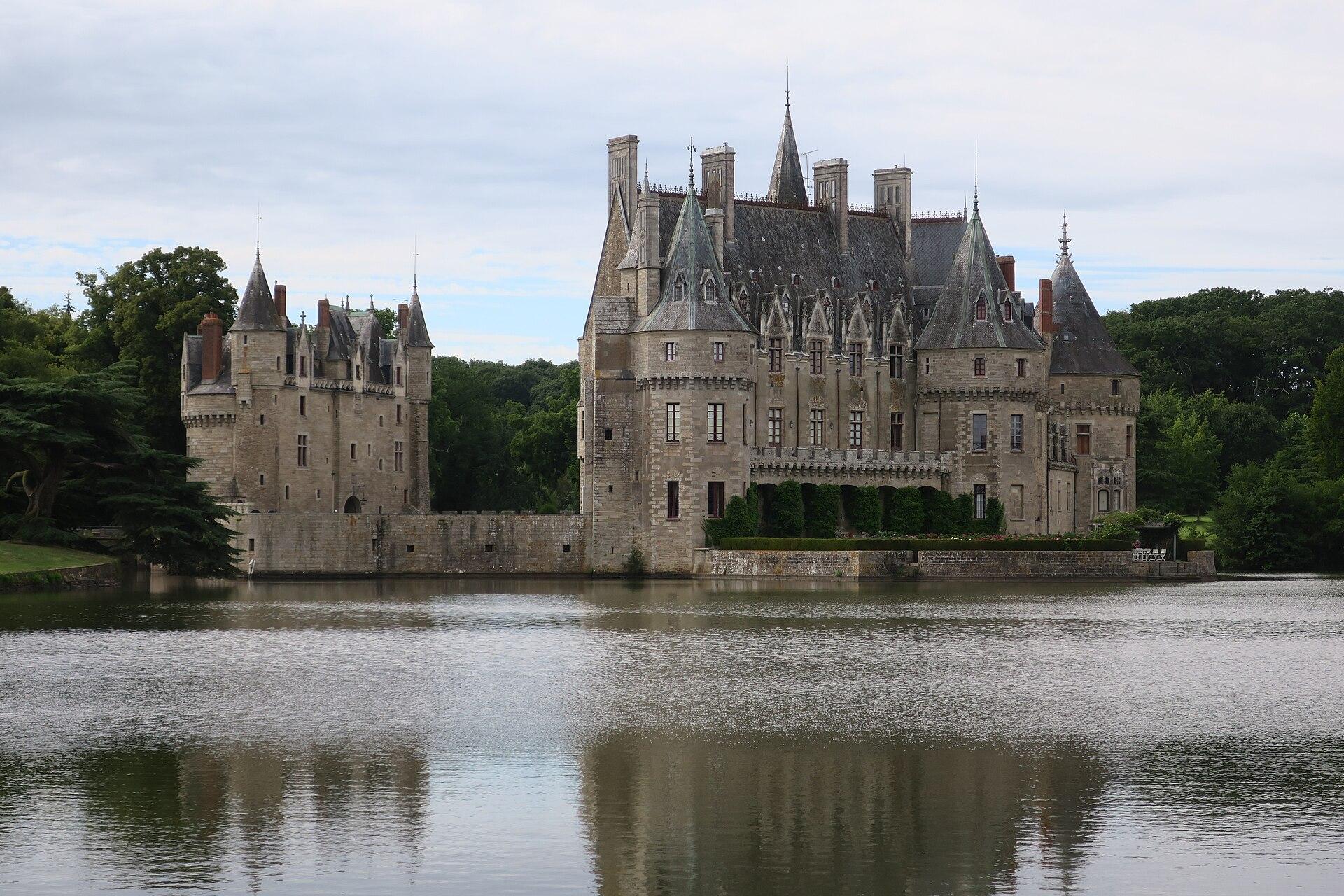 HotelDomaine de la BretescheMissillac · 1 night to a week or moreIn Missillac, the Domaine de la Bretesche is a 5-star Relais & Châteaux hotel in a 200-hectare estate, with rooms, villas and cottages, an 18-hole golf course, a spa, pools and a restaurant.See prices and bookPartner link Booking.com
- HotelAnne de BretagneLa Plaine-sur-Mer · 1 night to several daysFacing the ocean in La Plaine-sur-Mer, Anne de Bretagne is a 4-star Relais & Châteaux house with only 15 rooms and suites, a heated pool and a 2-Michelin-star gourmet restaurant.
- CampsiteCamping Capfun Armor HéolPiriac-sur-Mer · From several nights to a week or moreA lively rental campsite in Piriac-sur-Mer with a large water park, kids’ clubs and plenty of entertainment, about 1.2 km from the sea.
- CampsiteFlower Camping Les PaludiersBatz-sur-Mer · A long weekend, a holiday week, or an off-season stay for walksIn Batz-sur-Mer, Les Paludiers combines Valentin beach about 200 m away, a water park with an indoor pool and an outdoor lagoon, camping pitches and varied rentals, between fishing villages and salt marshes.See prices and bookPartner link Booking.com
- CampsiteLe Moulin de l’EclisAssérac · 1 night or moreIn Assérac, Le Moulin de l’Eclis overlooks Pont-Mahé beach, with a heated indoor pool, a spa and kitesurfing lessons nearby.
A hundred and twenty eight campsites in this department alone: the largest number in our guide, concentrated on the coast.
Going further
Loire-Atlantique, in the journal
- Where to stay in Nantes: our hotels by district
- What to do in Loire-Atlantique during the Christmas holidays
- What to do in Nantes during the Christmas holidays
- What to do in Loire-Atlantique during the All Saints’ holidays
- What to do in Nantes during the All Saints’ holidays
- What to do in Nantes: the complete guide
- What to do in Saint-Nazaire: the complete guide
- What to do in Pornic: the complete guide