Village
Pontrieux
Pontrieux · Côtes-d’Armor
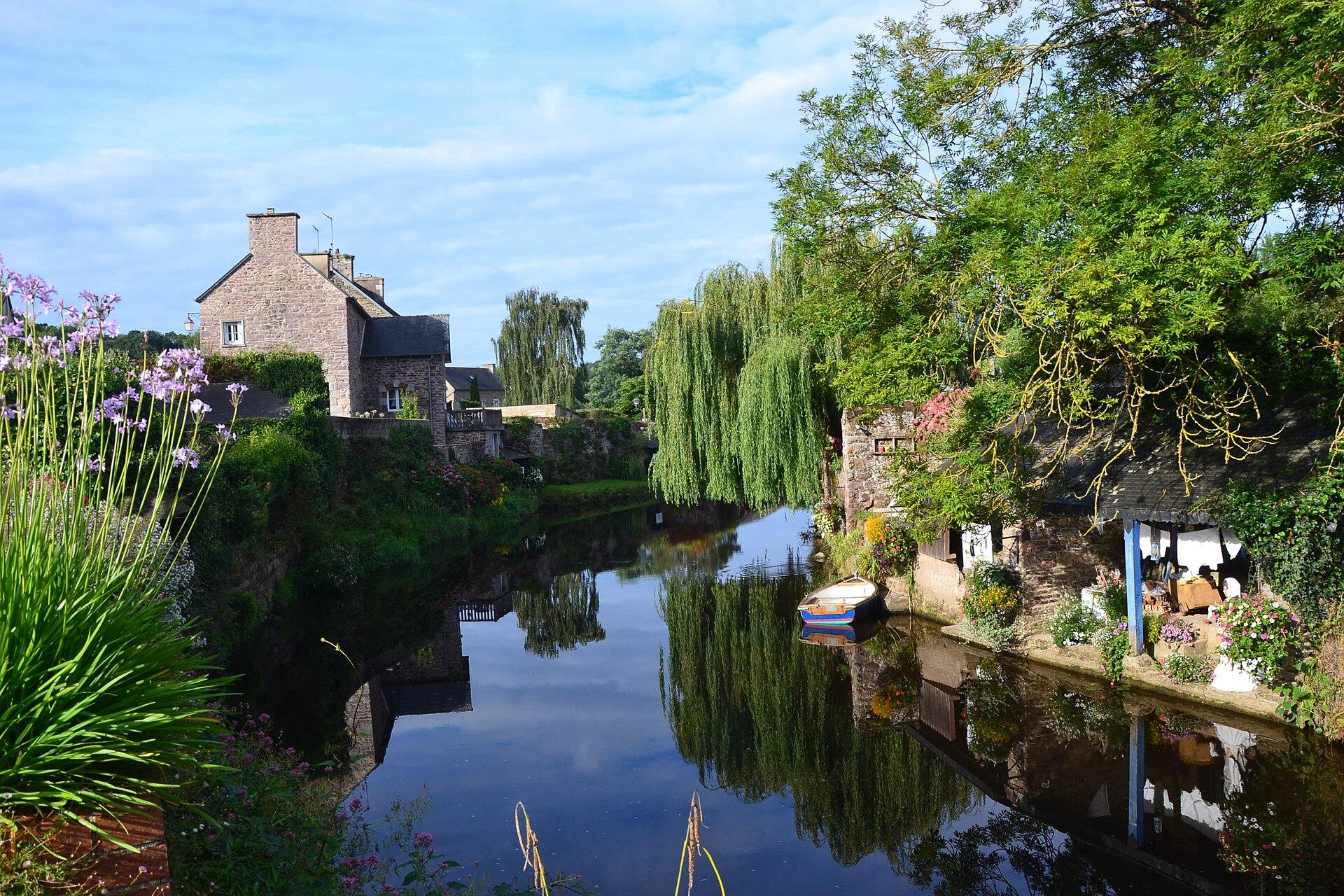
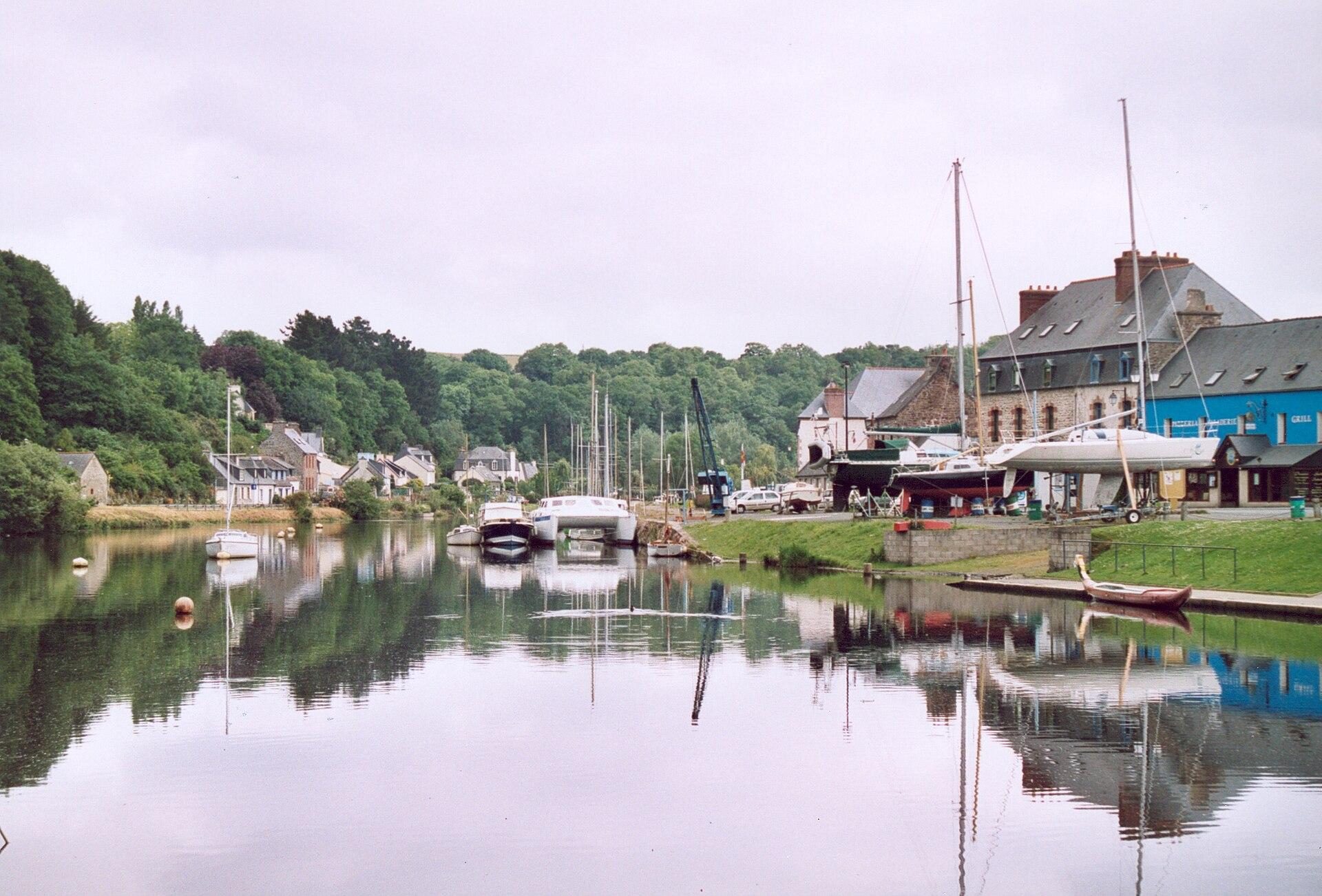
Pontrieux unfolds old houses, bridges, flowery quays and nearly fifty wash houses along the Trieux, best discovered from a small boat.
- Suggested time
- 2 hours to half a day, longer with the boat trip
- Type of place
- Petite Cité de Caractère and the Little Venice of the Trégor
- Atmosphere
- Flowery, riverside, romantic and peaceful
- Getting there
- In the Trieux valley. Railway station about 1 km away. A compact centre, easy to explore on foot.
Who this place suits
- With family
- 10/10
- As a couple
- 10/10
- With friends
- 9/10
- Solo
- 10/10
- With a dog
- 9/10
- Reduced mobility
- 7/10
These scores are calculated from what the page records: official rating, facilities, difficulty, duration and location. They are a guide, not a substitute for contacting the venue, especially about accessibility.
About
Pontrieux is a small town shaped entirely by water. The Trieux runs through the centre and earns it the nickname “Little Venice of the Trégor”. The town keeps many old houses, several bridges and, above all, an exceptional heritage of wash houses set right on the riverbank. Nearly fifty are still visible. The best way to discover them is the guided boat trip. In 2026, the trips ran from 2 May to 27 September, at €5 for adults and €3 for children aged 4 to 12. From mid-July, evening trips also let you enjoy the light trail. Pontrieux makes an excellent stop between Guingamp, Tréguier and Paimpol.
What you will see
- Free access to the centre; the boat trips are paid.
- Nickname: the Little Venice of the Trégor.
- Wash houses: about 50.
- Boat trips: in 2026, from 2 May to 27 September, €5 for adults and €3 for children aged 4 to 12; evening trips from mid-July.
- The town grew around crossings over the Trieux, and river trade long shaped its economy; merchants’ houses bear witness to this prosperity.
- Many wash houses stand right on the river; each was once a place of work but also of social life.
Show 4 more pointsHide
- The centre keeps several old bridges and quays, and flowers have become a hallmark of the town.
- The railway links Pontrieux to the rest of the Trégor, and the town has become one of the most original Petites Cités de Caractère in the region.
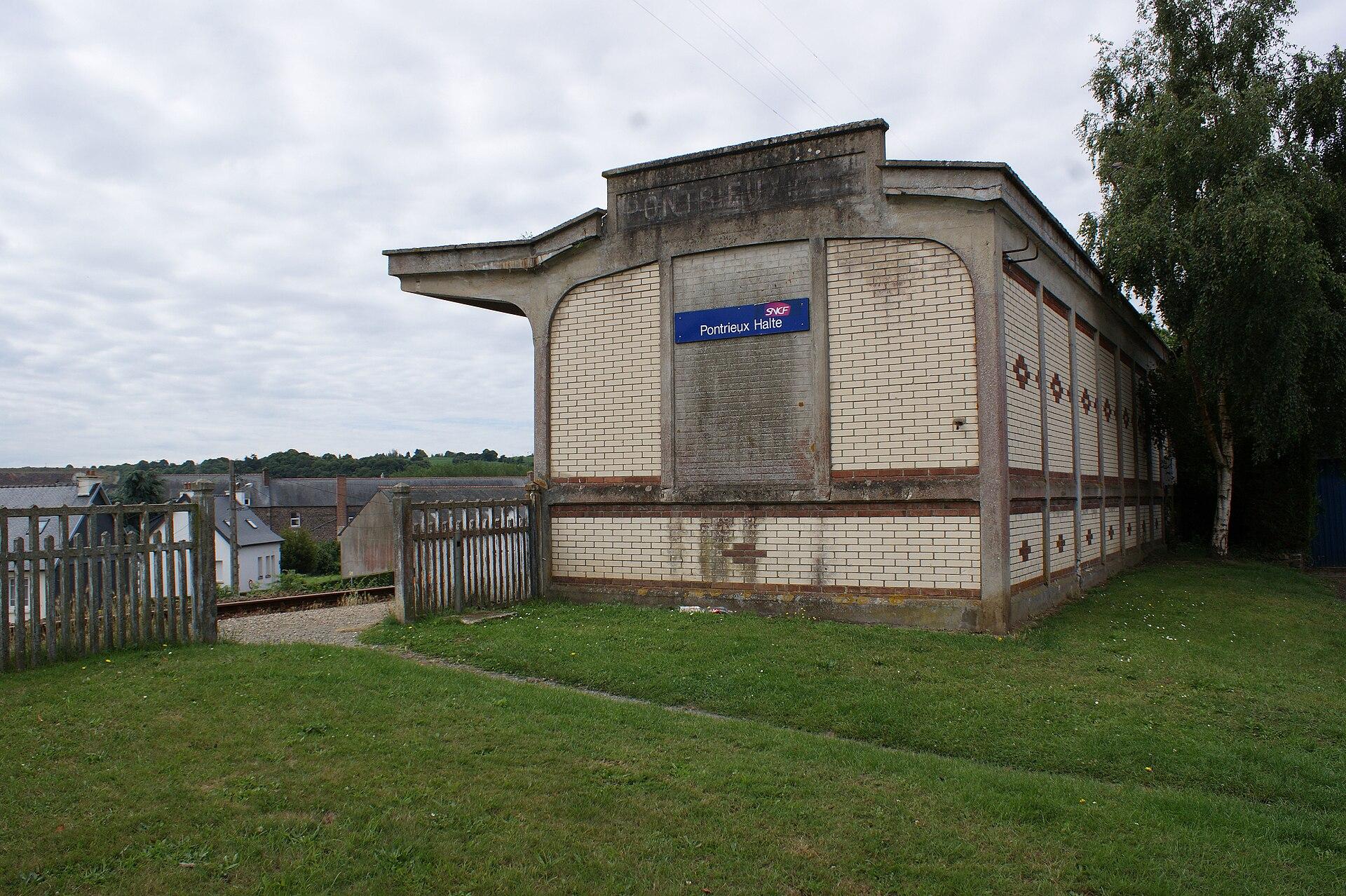
- Not to be missed: the Trieux, the wash houses, the boat trip, Place Le Trocquer, the old houses, the bridges, the flowery quays, the fountain, the lanes, the station and the Trieux valley.
- Recommended: walk a loop on foot first, then board a boat, photograph the wash houses from the water, come back in the evening for the lights, take a break on a terrace, and continue to Paimpol or Tréguier.
Practical information
- Getting there
- In the Trieux valley. Railway station about 1 km away. A compact centre, easy to explore on foot
- Food
- Crêperies, cafés and small local restaurants fit easily into the visit
- Parking
- Parking in the centre; the town is compact
- Pets
- An easy outdoor walk. Check the boat operator’s rules
- Accessibility
- The centre is fairly compact, but some quays and boat access may need assistance
- With family
- An excellent family destination thanks to the trips on the water
- Label
- Petite Cité de Caractère
- Safety
- Quays can be slippery. Follow the instructions on the boats
- Best time
- May to September for the boats. Mid-July to late August also lets you enjoy the evening trips
- Photography
- The wash houses seen from the boat are the most original subject. The flowery quays work especially well in spring and summer
- Nearby
- Paimpol, Tréguier, Guingamp, the abbey of Beauport, La Roche-Derrien, the Trieux valley
Tips on the spot
- Arrive before 10 am in high season for fewer people; late afternoon is also calmer.
- Use the official car parks and finish on foot; on market days or big events, allow more time to park.
- Wear good shoes for cobbles, quays, paths and steps.
- Start at the tourist office or an interpretation trail if there is one; guided tours give a much richer reading of local history.
- Check the opening times of monuments and activities on the day; in winter, some close earlier.
Show 5 more tipsHide
- Take time for the side streets and small details.
- Respect the residents in the most photographed streets, and never block a private entrance for a photo.
- Have lunch early or late to find a table more easily in high season.
- In autumn, the low light and fewer visitors can be excellent.
- Allow 2 hours to half a day, longer with the boat trip.
Frequently asked questions
How much time should I allow?
2 hours to half a day, longer with the boat trip.
Is the visit free?
Exploring outdoors is free. Some monuments, museums, tours and activities are paid.
What makes it special?
Walking around the town, then boarding a boat on the Trieux to discover from the water some fifty flower-decked wash houses that cannot be seen from some streets.
What is the atmosphere like?
Flowery, riverside, romantic and peaceful.
When is the best time to come?
May to September for the boats. Mid-July to late August also lets you enjoy the evening trips.
What are the must-sees?
The Trieux, the wash houses, the boat trip, Place Le Trocquer, the old houses, the bridges, the flowery quays and the fountain.
Stay in Pontrieux
Places to stay that are still available, with current prices, compared across the main booking platforms.
Partner link: a booking made from this map may earn us a commission, at no extra cost to you.
Read in the journal
- ChristmasWhat to do in Côtes-d’Armor during the Christmas holidaysDinan in winter, scallops, the birds of the bay and Cap Fréhel in the wind: our ideas for the 2026 Christmas holidays in Côtes-d’Armor.
- SeasonWhat to do in Côtes-d’Armor at All Saints’Pink granite, Cap Fréhel, Bréhat, the scallop season and castles: our ideas for the 2026 All Saints’ holidays in Côtes-d’Armor.
- Winter holidaysWhat to do in Côtes-d’Armor in FebruaryPink granite in the wind, Cap Fréhel, Dinan, scallops and spring tides in the Bay of Saint-Brieuc: our ideas for the February 2027 holidays.
Traveller reviews
Nobody has reviewed this place yet.
Photographs: Bruno Corpet (Quoique) · CC BY-SA 3.0 · Wikimedia Commons · MartinD · CC BY-SA 4.0 · Wikimedia Commons · Calips · CC BY 2.5 · Wikimedia Commons