Village
Cancale
Cancale · Ille-et-Vilaine
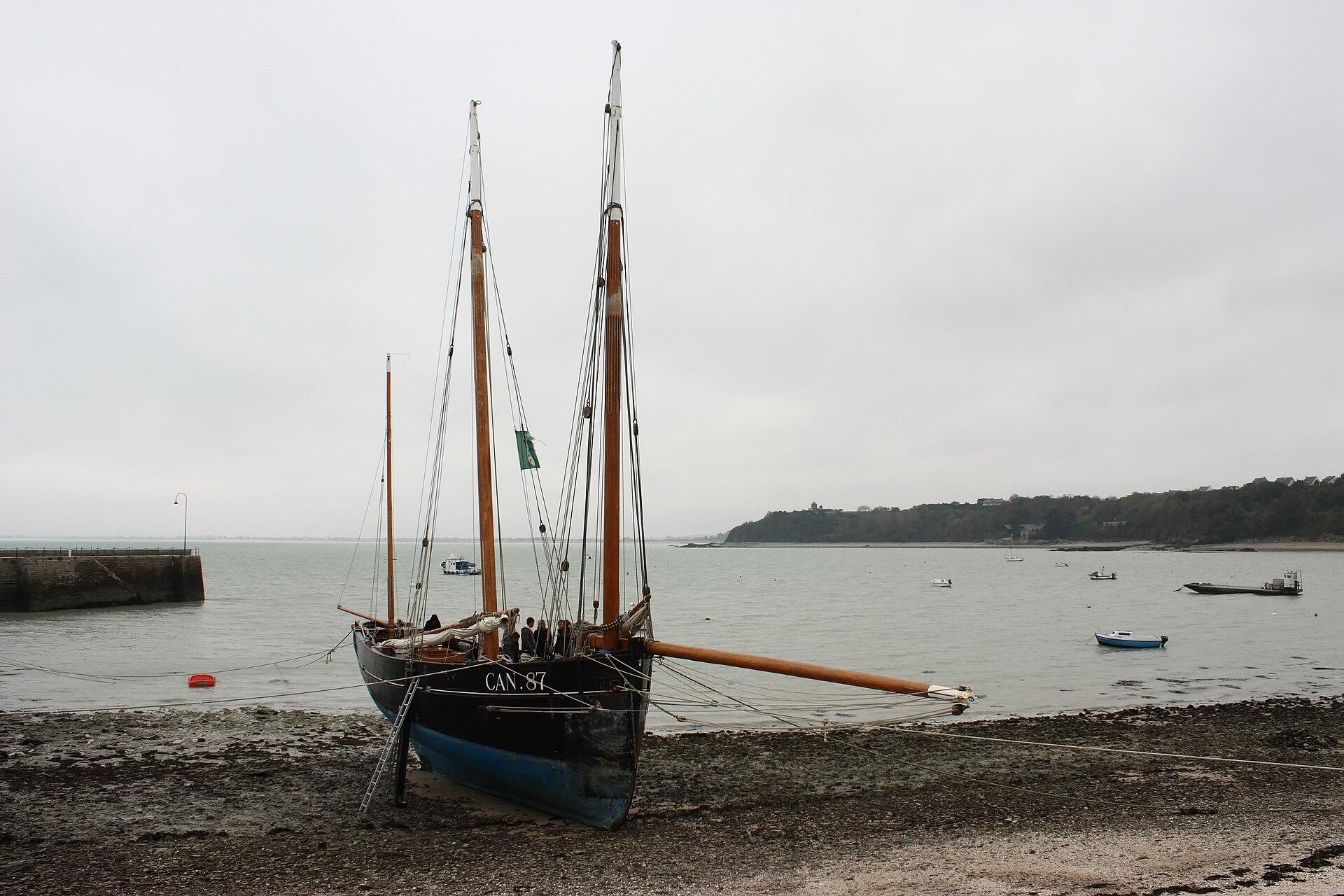
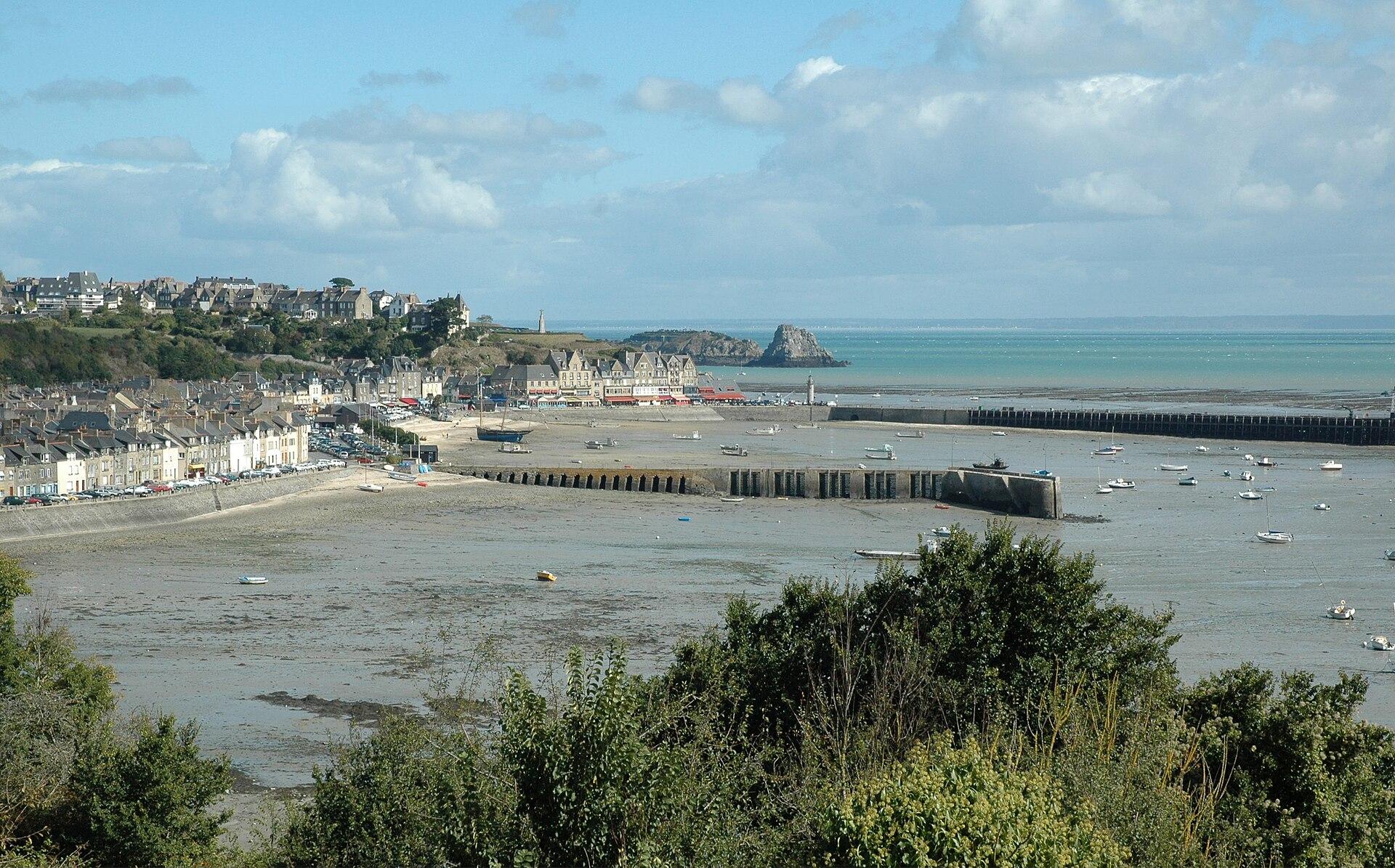
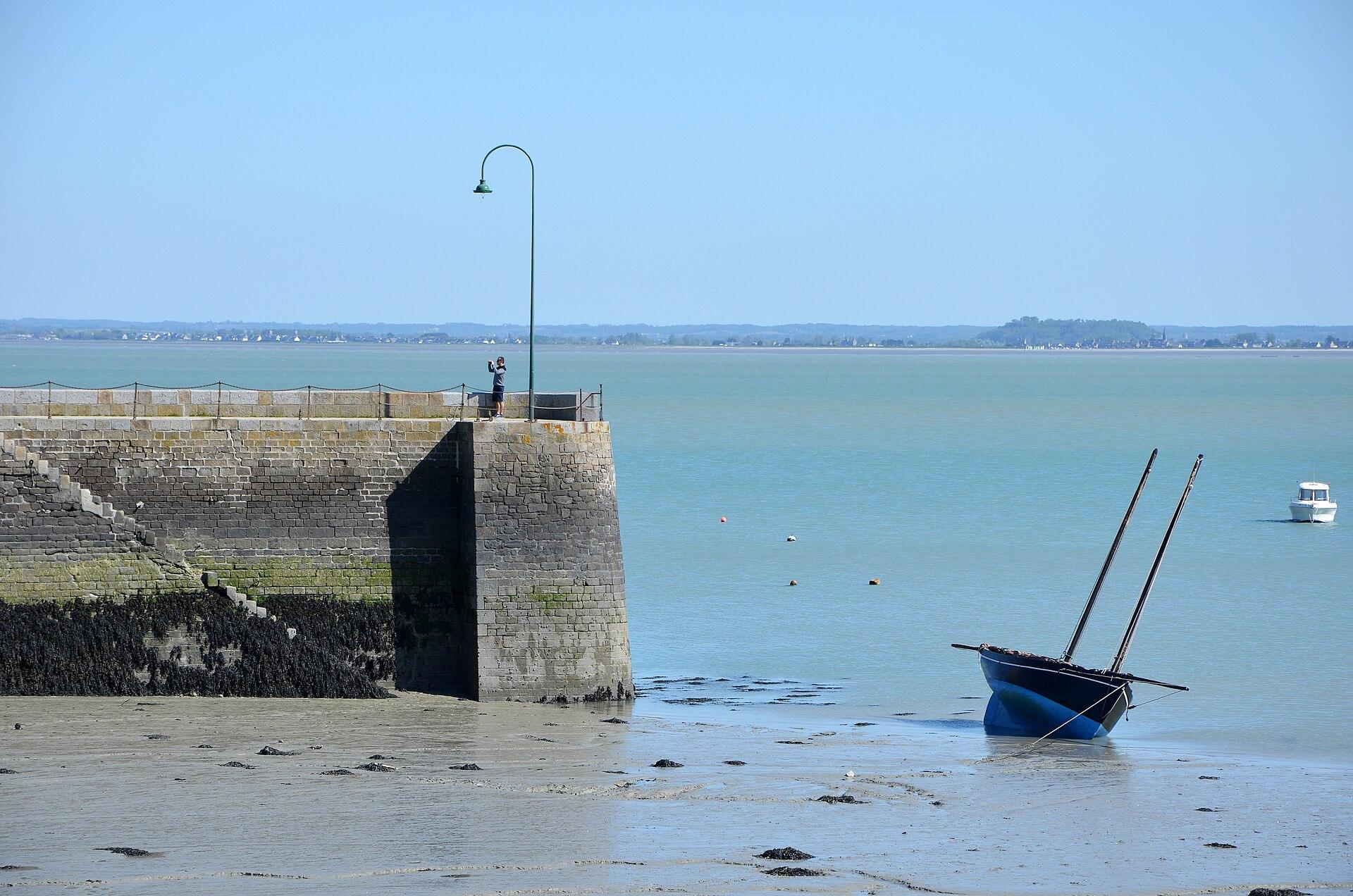
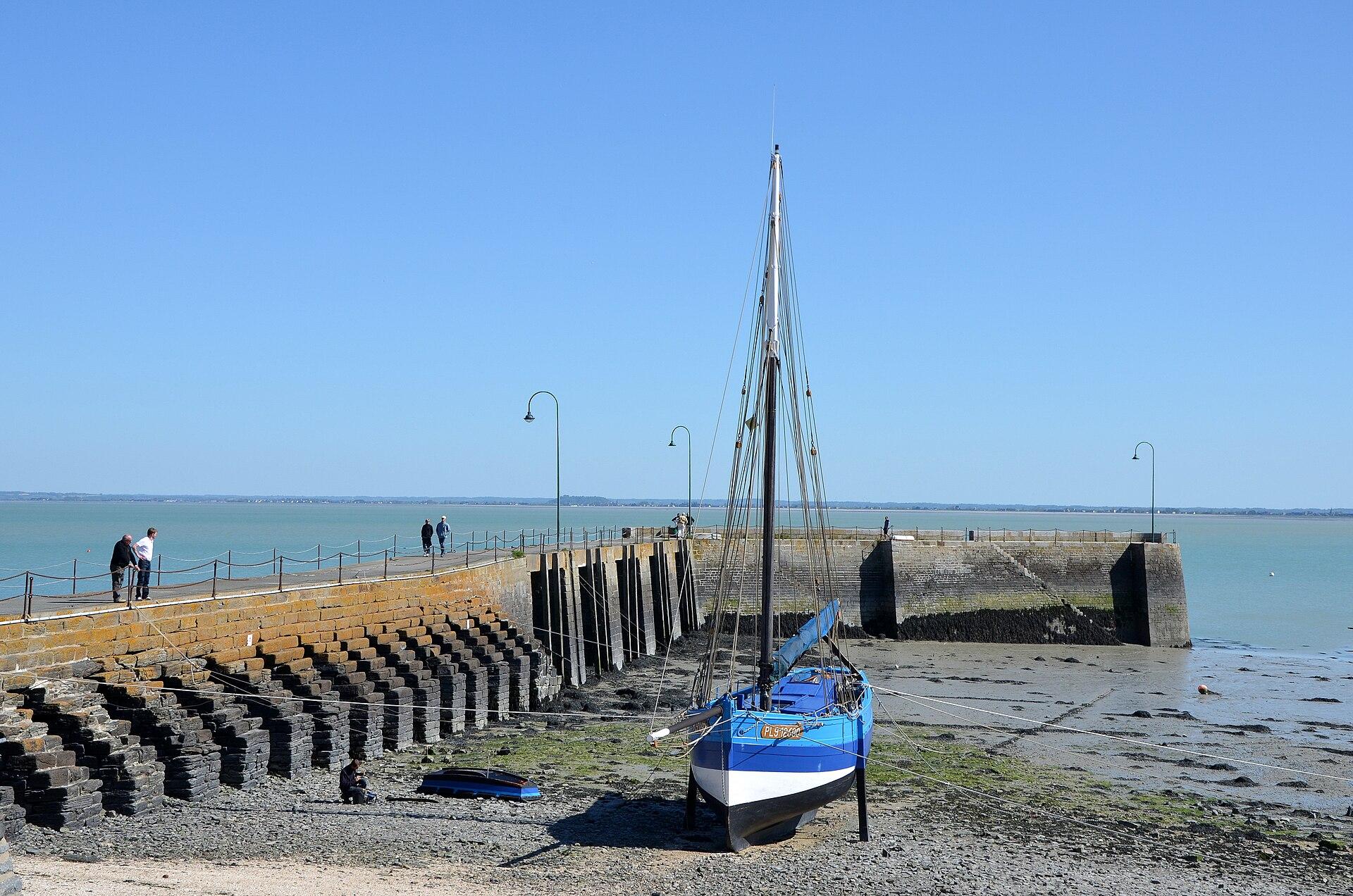
Facing the bay of Mont-Saint-Michel, Cancale brings together the Port de la Houle, an oyster market open all year round, fishermen’s houses, oyster beds and a coastal path to the Pointe du Grouin.
- Suggested time
- 2 hours minimum, ideally half a day. A full day with the Pointe du Grouin
- Type of place
- Oyster port and maritime town on the bay of Mont-Saint-Michel
- Atmosphere
- Briny, delicious, maritime and lively
- Getting there
- On the coast between Saint-Malo and the Pointe du Grouin. The Port de la Houle is explored on foot. The link between the harbour and the upper town is a steep climb. There are several car parks in the area.
Who this place suits
- With family
- 10/10
- As a couple
- 10/10
- With friends
- 10/10
- Solo
- 10/10
- With a dog
- 9/10
- Reduced mobility
- 7/10
These scores are calculated from what the page records: official rating, facilities, difficulty, duration and location. They are a guide, not a substitute for contacting the venue, especially about accessibility.
About
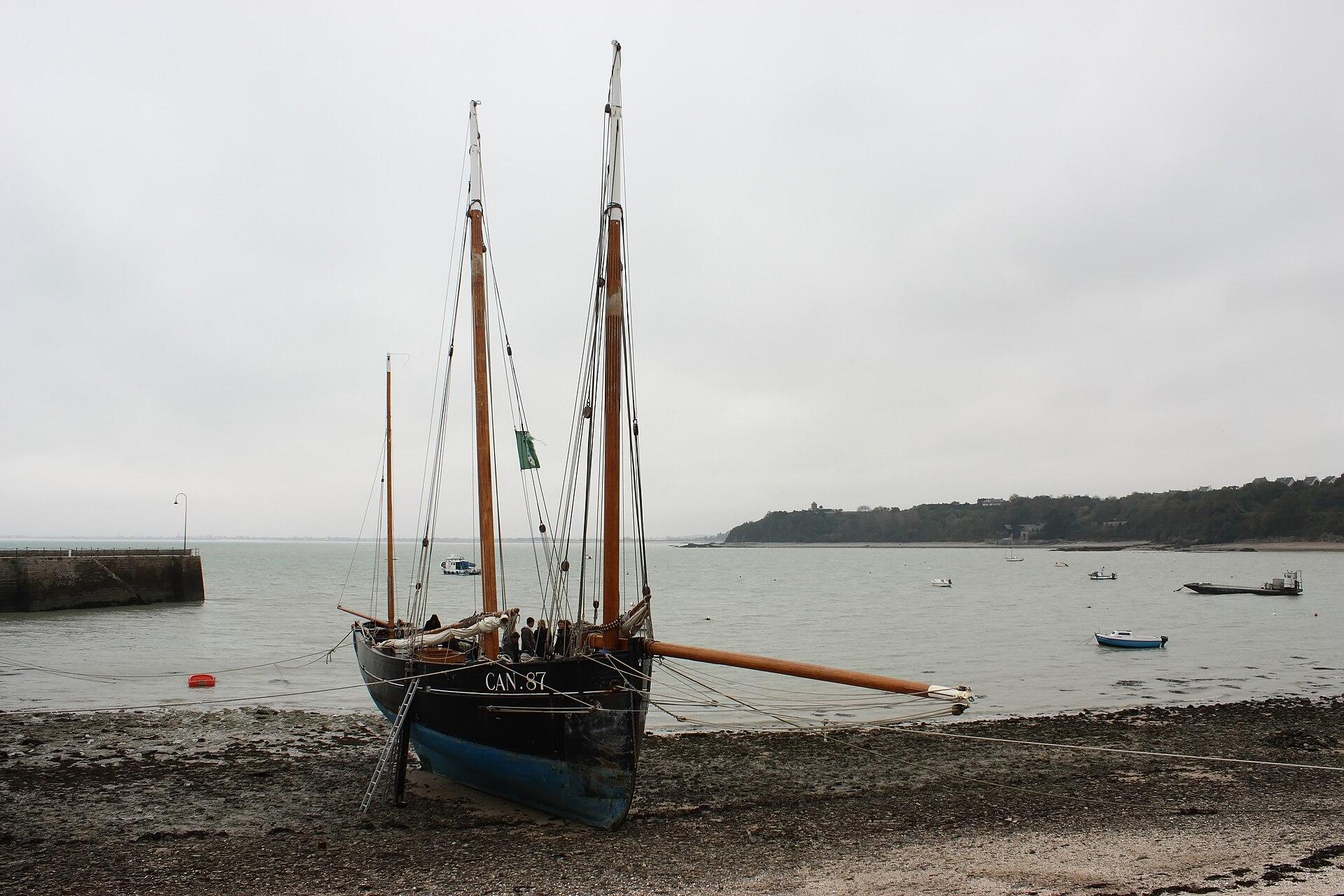
Cancale is one of the most delicious seaside destinations in Brittany. Its identity is inseparable from oyster farming and the Port de la Houle, the old fishermen’s quarter nestled at the foot of the plateau. The oyster market, at the end of the harbour facing the oyster beds, is an institution: it runs all year round and lets you eat cupped or flat oysters right in front of the bay of Mont-Saint-Michel. Behind the seafront, the narrow streets keep a fabric of modest 18th and 19th century houses. The Cale de l’Épi slipway and the Fenêtre jetty recall the major works that gradually protected the harbour. Cancale also has a wider maritime history linked to bisquine sailing boats, shipowners and fishing campaigns. To understand the landscape, climb up to the Pointe du Hock, which offers one of the best views of the oyster beds. The GR34 then lets you continue to the Pointe du Grouin, about 7 kilometres further north, among cliffs, heathland and an emerald sea. In 2026, the tourist office also offers a summer guided tour of the harbour with an oyster tasting.
What you will see
- Harbour and town centre freely accessible; tastings and guided tours depending on the calendar.
- Oyster market: open all year round, at the Port de la Houle facing the oyster beds.
- GR34: about 7 km between La Houle and the Pointe du Grouin.
- 2026 guided tour: Tuesdays from 7 July to 25 August at 10.30 am, 1 h 30 not counting the tasting, €15.
- Harbour heritage: the Cale de l’Épi slipway, built in the 19th century, is listed as a historic monument.
- Signature product: Cancale’s flat and cupped oysters.
Show 9 more pointsHide
- The old town developed from the Middle Ages.
- La Houle keeps a fabric of fishermen’s houses, mostly from the 18th and 19th centuries.
- Work to protect the harbour began at the end of the 18th century.
- Bisquines became one of the symbols of the Cancale fleet in the 19th century; more than 200 of them could use the harbour at times.
- The women of Cancale played an essential part in sorting and washing the oysters; the statue of the oyster washers pays tribute to their work.
- Oyster farming remains Cancale’s defining activity, and the oyster market keeps up direct sales on the harbour.
- The Pointe du Grouin marks the entrance to the bay and is a major natural site.
- Not to be missed: the Port de la Houle, the oyster market, the oyster beds, the Pointe du Hock, the narrow streets of La Houle, the Cale de l’Épi, the Fenêtre jetty, the statue of the oyster washers, Saint-Méen church, the Museum of Popular Arts and Traditions, the Pointe du Grouin and the GR34.
- Recommended: eat oysters at the market facing the bay, look at the oyster beds at low tide from the Pointe du Hock, walk a stretch of the GR34 towards the Pointe du Grouin, photograph La Houle from the Corniche road, and come back to the harbour in the evening for a quieter mood.
Practical information
- Getting there
- On the coast between Saint-Malo and the Pointe du Grouin. The Port de la Houle is explored on foot. The link between the harbour and the upper town is a steep climb. There are several car parks in the area
- Food
- You cannot come without tasting Cancale oysters. Seafood platters, fish and other briny specialities complete the visit
- Parking
- Paid parking around the harbour depending on the season, full in July and August. Car parks further back are easier.
- Pets
- The oyster market says it accepts animals. On the coastal path, keep your dog under control
- Accessibility
- The oyster market is said to be step-free, with an adapted table. The harbour is easier than the sloping streets up to the town.
- With family
- Very suitable for families thanks to the market, the boats and the coast. The climb between the harbour and the upper town can be tiring with young children
- Safety
- Do not venture into the oyster beds without equipment and knowledge of the tides. Take care on the GR34 and the cliffs
- Best time
- All year round for the oyster market. Spring, June and September for walking. Low tide to see the oyster beds, high tide for a more spectacular bay.
- Photography
- The Pointe du Hock offers the best view of the oyster beds. From the Corniche, the view down onto the harbour is excellent. At low tide, the oyster tables draw a very photogenic grid
- Nearby
- The Pointe du Grouin, Saint-Malo, Saint-Coulomb
Tips on the spot
- Allow at least 2 hours, ideally half a day, and a full day with the Pointe du Grouin.
- Look up the tide times: low tide to see the oyster beds, high tide for a more spectacular bay.
- Arrive before 10 am in high season for quieter streets.
- Wear good shoes for the cobbles, steps, quays and sloping streets.
- Use the official car parks, a little way back, and finish on foot.
Show 5 more tipsHide
- Book the summer guided tour with tasting in advance.
- In autumn, the low light and fewer visitors can be excellent.
- Have lunch early or late to find a table more easily in high season.
- Respect the residents in the most photographed streets.
- On the cliffs, safety comes before the photo.
Frequently asked questions
How much time should I allow?
2 hours minimum, ideally half a day. A full day with the Pointe du Grouin.
Is the visit free?
Exploring outdoors is free. Some monuments, museums, guided tours and activities are paid.
What makes it special?
Eating oysters facing the bay, exploring the old Houle quarter, then heading up to the Pointe du Hock and the GR34.
What is the atmosphere like?
Briny, delicious, maritime and lively.
When is the best time to come?
All year round for the oyster market. Spring, June and September for walking. Low tide to see the oyster beds, high tide for a more spectacular bay.
What should I not miss?
The Port de la Houle, the oyster market, the oyster beds, the Pointe du Hock, the narrow streets of La Houle, the Cale de l’Épi, the Fenêtre jetty and the statue of the oyster washers.
Stay in Cancale
Places to stay that are still available, with current prices, compared across the main booking platforms.
Partner link: a booking made from this map may earn us a commission, at no extra cost to you.
Read in the journal
- City guideWhat to do in Cancale: the complete guideThe oyster market at the port of La Houle, the oyster beds, the Pointe du Grouin, the Île des Landes, the beaches and the coastal path: what to do in and around Cancale.
- ChristmasWhat to do in Ille-et-Vilaine during the Christmas holidaysThe Rennes Christmas markets, Saint-Malo in winter, Cancale oysters, Vitré and Fougères: our ideas for the 2026 Christmas holidays in Ille-et-Vilaine.
- SeasonWhat to do in Ille-et-Vilaine during the All Saints’ holidaysThe Route du Rhum in Saint-Malo, Brocéliande for Samain, castles, the Lices market and Cancale oysters: our ideas for All Saints’ 2026 in Ille-et-Vilaine.
Traveller reviews
Nobody has reviewed this place yet.
Photographs: Eusebius · CC BY 3.0 · Wikimedia Commons · Alan M Hughes · CC BY-SA 3.0 · Wikimedia Commons · Pline · CC BY-SA 3.0 · Wikimedia Commons