
Village
Oudon
Oudon · Loire-Atlantique
Oudon clusters around a mighty octagonal keep built from 1392, with a spectacular view over the Loire valley and walking routes along the river.
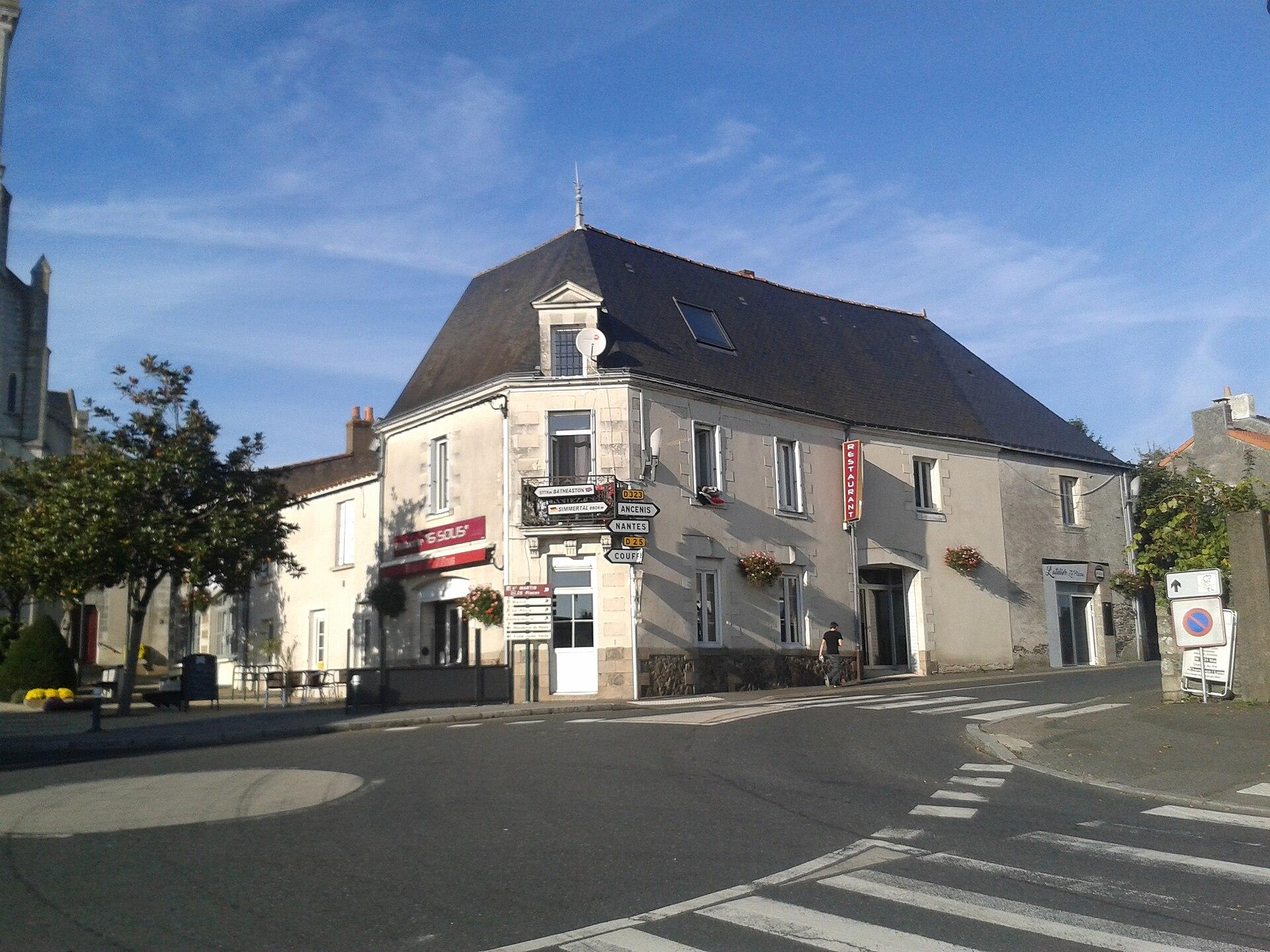

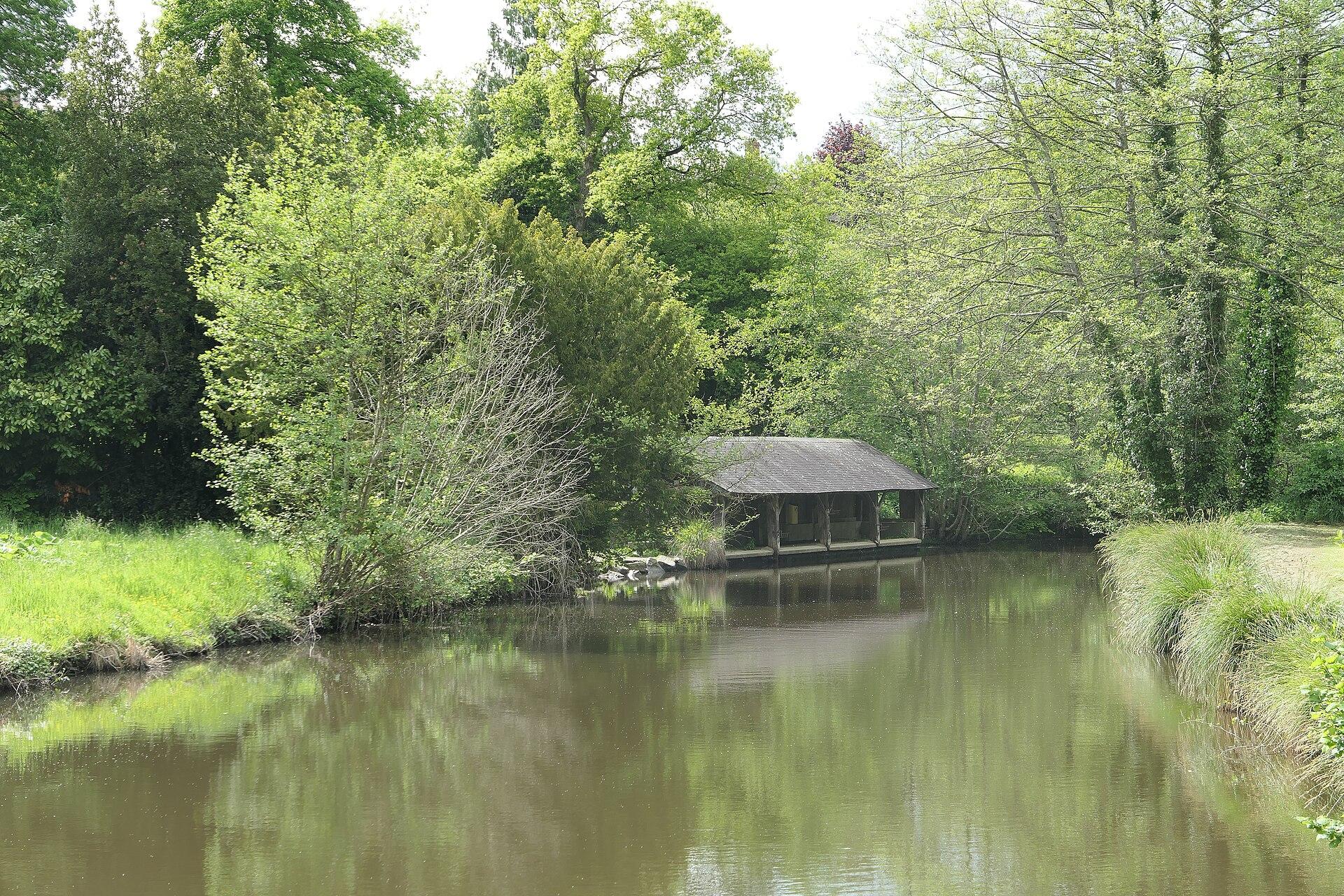
- Suggested time
- 2 hours to half a day
- Type of place
- Loire village dominated by a medieval castle
- Atmosphere
- Medieval, Loire-side, family-friendly and panoramic
- Getting there
- Between Nantes and Ancenis, with a TER train station. The castle is in the heart of the village and the Loire can be reached on foot.
Who this place suits
- With family
- 10/10
- As a couple
- 9/10
- With friends
- 9/10
- Solo
- 9/10
- With a dog
- 8/10
- Reduced mobility
- 5/10
These scores are calculated from what the page records: official rating, facilities, difficulty, duration and location. They are a guide, not a substitute for contacting the venue, especially about accessibility.
About
Oudon is dominated by a castle instantly recognisable by its imposing octagonal keep. Building work on the fortress began in 1392, and its architecture recalls the strategic role of the Loire as a trade route and a frontier. The castle visit takes about an hour and leads up to the top terrace, which offers a remarkable panorama over the village and the valley. The visit is designed for families, with a photo rally, costumes, games and discovery materials. In 2026, the castle hosted a new temporary exhibition, L’histoire de France en BD, around the work of author and illustrator Thierry Laudrain. The village extends naturally towards the Loire, with walks, views of Champtoceaux and hiking routes.
What you will see
- Visits: the village is free to explore; the castle is paid, with set opening times.
- Castle: construction began in 1392.
- Keep: an octagonal tower with a panoramic terrace.
- Visit length: about 1 hour.
- 2026 exhibition: L’histoire de France en BD, by Thierry Laudrain.
- Groups: welcome by booking from March to November.
Show 13 more pointsHide
- The site controls a strategic crossing of the Loire.
- The current castle was begun in 1392.
- The octagonal keep became the main defensive feature.
- The castle changed over the centuries.
- The Loire shaped the local economy and travel.
- The village grew at the foot of the fortress.
- The monument has been restored and opened to visitors.
- The terrace became one of the best viewpoints over the river.
- Family trails now make medieval history very accessible.
- A cultural programme completes the heritage visit.
- Combine with: Champtoceaux, Ancenis, the Loire à Vélo, the Île Neuve, Nantes, the Nantes vineyards.
- Not to be missed: the Château d’Oudon, the octagonal keep, the panoramic terrace, the fortified wall, the village centre, the banks of the Loire, the view towards Champtoceaux, the lanes around the castle and the Loire paths.
- Recommended: visit the castle at opening time, climb up to the terrace, do the photo rally with the children, then walk down to the Loire and head over to Champtoceaux for a different viewpoint.
Practical information
- Getting there
- Between Nantes and Ancenis, with a TER train station. The castle is in the heart of the village and the Loire can be reached on foot
- Food
- Terraces and small local places offer a break, with more choice in Ancenis or Champtoceaux
- Parking
- Parking in the village; the station and the Loire à Vélo let you come without a car
- Pets
- An outdoor walk is possible. Check the castle’s rules
- Accessibility
- The top of the keep is not accessible to everyone. The outside and some parts of the village are easier
- With family
- A photo rally, costumes, medieval games, excellent with children, thanks to the castle’s fun trail
- Safety
- The keep’s stairs are steep in places. Keep a close eye on young children
- Best time
- April to October for the full visit. Spring and September are ideal for walking along the Loire
- Photography
- The keep terrace gives the best panorama. From the surroundings, the keep stands out very well above the village
Tips on the spot
- Arrive before 10 am in high season for fewer people; late afternoon is also calmer.
- Use the official car parks and finish on foot; on market days or big events, allow more time to park.
- Wear good shoes for cobbles, quays, paths and steps.
- Start at the tourist office or an interpretation trail if there is one; guided tours give a much richer reading of local history.
- Check the opening times of monuments and activities on the day; in winter, some close earlier.
Show 7 more tipsHide
- Take time for the side streets and small details.
- Respect the residents in the most photographed streets, and never block a private entrance for a photo.
- Have lunch early or late to find a table more easily in high season.
- In autumn, the low light and fewer visitors can be excellent.
- Allow 2 hours to half a day.
- Come by train or along the Loire à Vélo to avoid driving.
- Visit the castle at opening time for a quieter climb to the terrace.
Frequently asked questions
How much time should I allow?
2 hours to half a day.
Is the visit free?
The village is free to explore. The castle visit is paid.
What makes it special?
Climbing to the top of a medieval keep for a 360-degree view of the Loire, then walking down to the village and the riverbanks.
What is the atmosphere like?
Medieval, Loire-side, family-friendly and panoramic.
When is the best time to come?
April to October for the full visit. Spring and September are ideal for walking along the Loire.
What are the must-sees?
The Château d’Oudon, the octagonal keep, the panoramic terrace, the fortified wall, the village centre, the banks of the Loire and the view towards Champtoceaux.
Stay in Oudon
Places to stay that are still available, with current prices, compared across the main booking platforms.
Partner link: a booking made from this map may earn us a commission, at no extra cost to you.
Read in the journal
- ChristmasWhat to do in Loire-Atlantique during the Christmas holidaysLe Voyage en hiver and the Nantes Christmas market, Guérande and the wild coast, Clisson and the Brière: our ideas for the 2026 Christmas holidays in Loire-Atlantique.
- Winter holidaysWhat to do in Loire-Atlantique during the February holidaysThe Château des ducs and the Machines de l’île in Nantes, Guérande, the wild coast of Le Croisic and spring tides in Pornic: our ideas for the February 2027 holidays.
- DepartmentWhat to do in Loire-AtlantiqueNantes, La Baule, the Guérande salt marshes: the department with the most places in our guide, between the Loire and the Atlantic.
Traveller reviews
Nobody has reviewed this place yet.
Photographs: Skimel · CC BY-SA 4.0 · Wikimedia Commons · Etienne Baudon · CC BY-SA 4.0 · Wikimedia Commons · Fab5669 · CC BY-SA 4.0 · Wikimedia Commons