Village
Rochefort-en-Terre
Rochefort-en-Terre · Morbihan
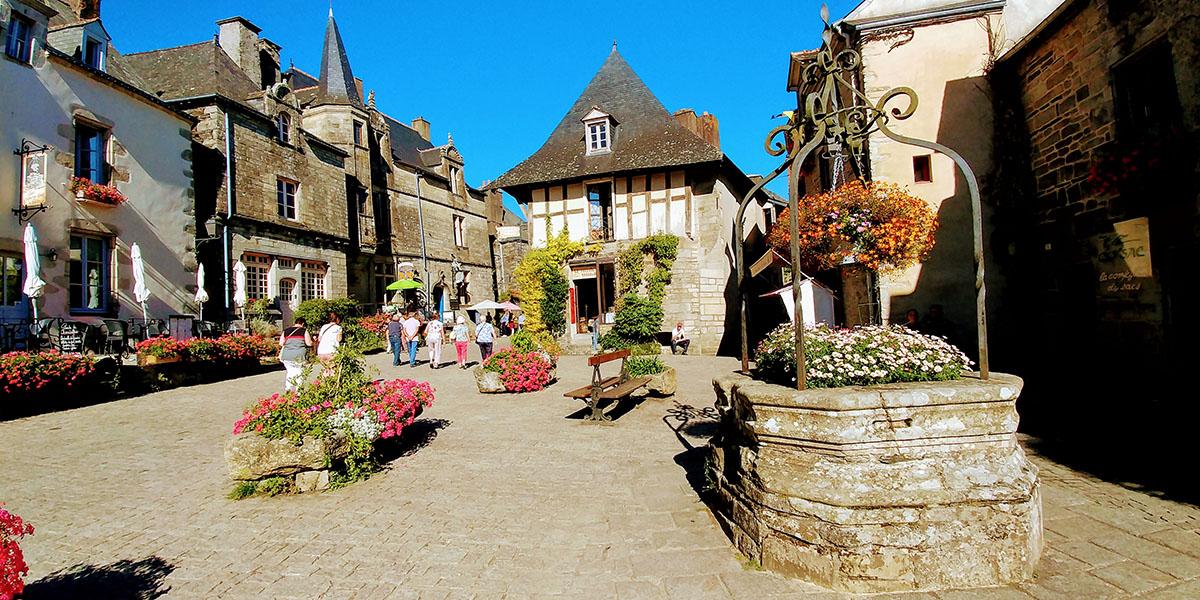
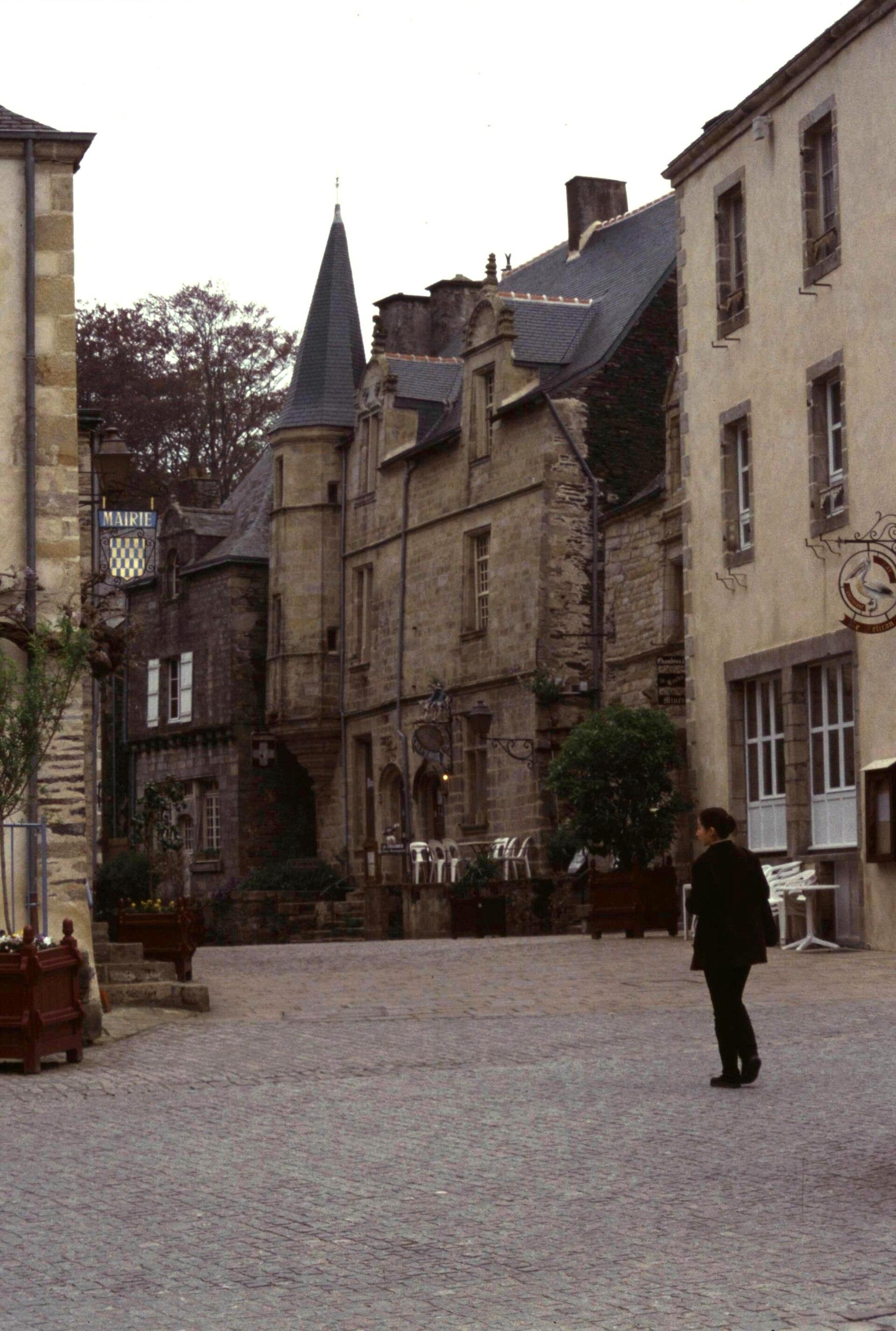
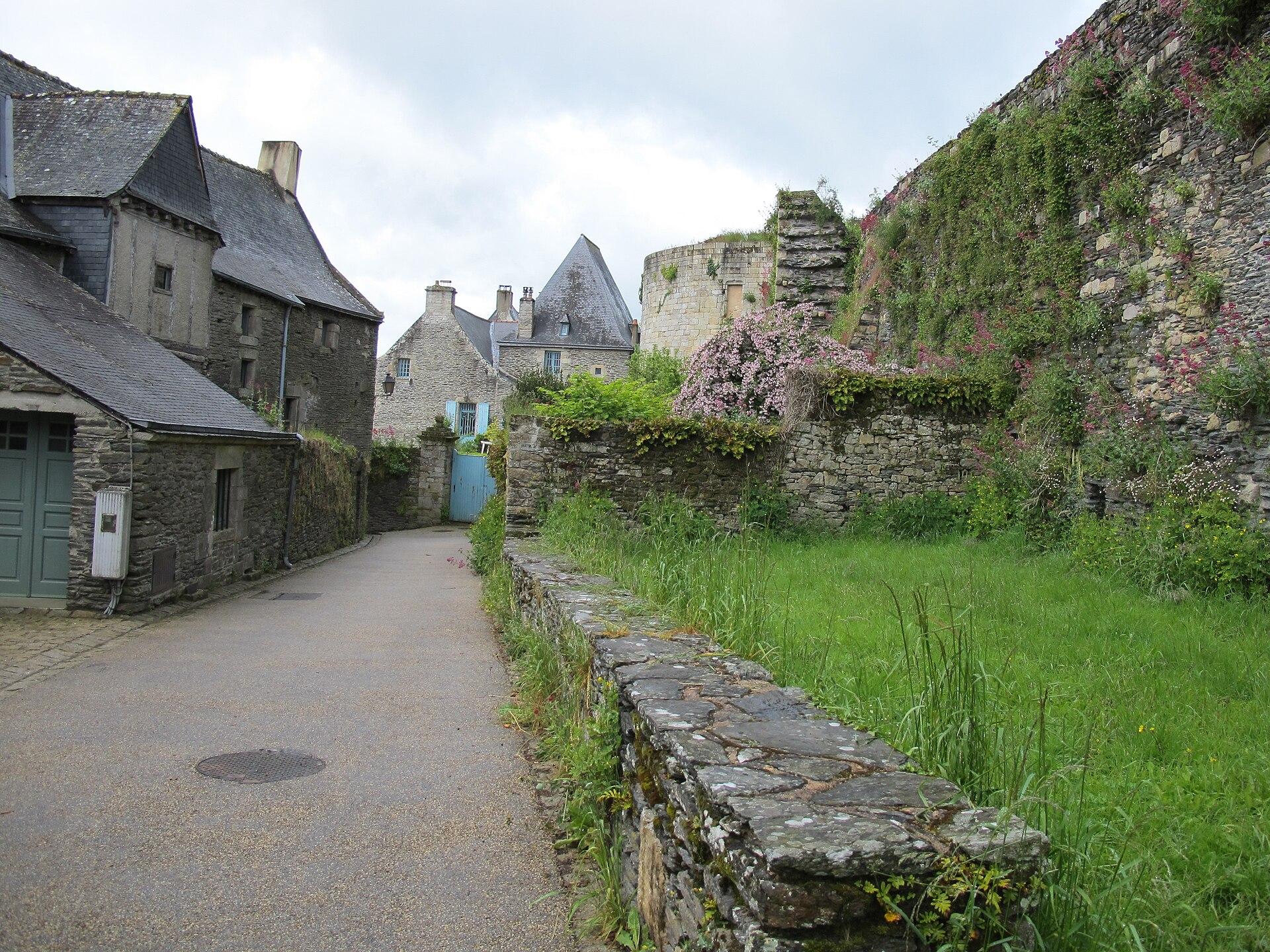
Rochefort-en-Terre creates an almost theatrical setting of granite houses, half-timbering, flowers, craftspeople and a castle perched on a rocky spur.
- Suggested time
- 2 hours to half a day, more during the Christmas events
- Type of place
- Petite Cité de Caractère and one of the Most Beautiful Villages of France
- Atmosphere
- Enchanting, medieval, flower-filled and full of crafts
- Getting there
- Between Vannes and Redon. Car parks on the edge of the centre. The village is explored on foot, with several slopes.
Who this place suits
- With family
- 10/10
- As a couple
- 10/10
- With friends
- 9/10
- Solo
- 10/10
- With a dog
- 8/10
- Reduced mobility
- 6/10
These scores are calculated from what the page records: official rating, facilities, difficulty, duration and location. They are a guide, not a substitute for contacting the venue, especially about accessibility.
About
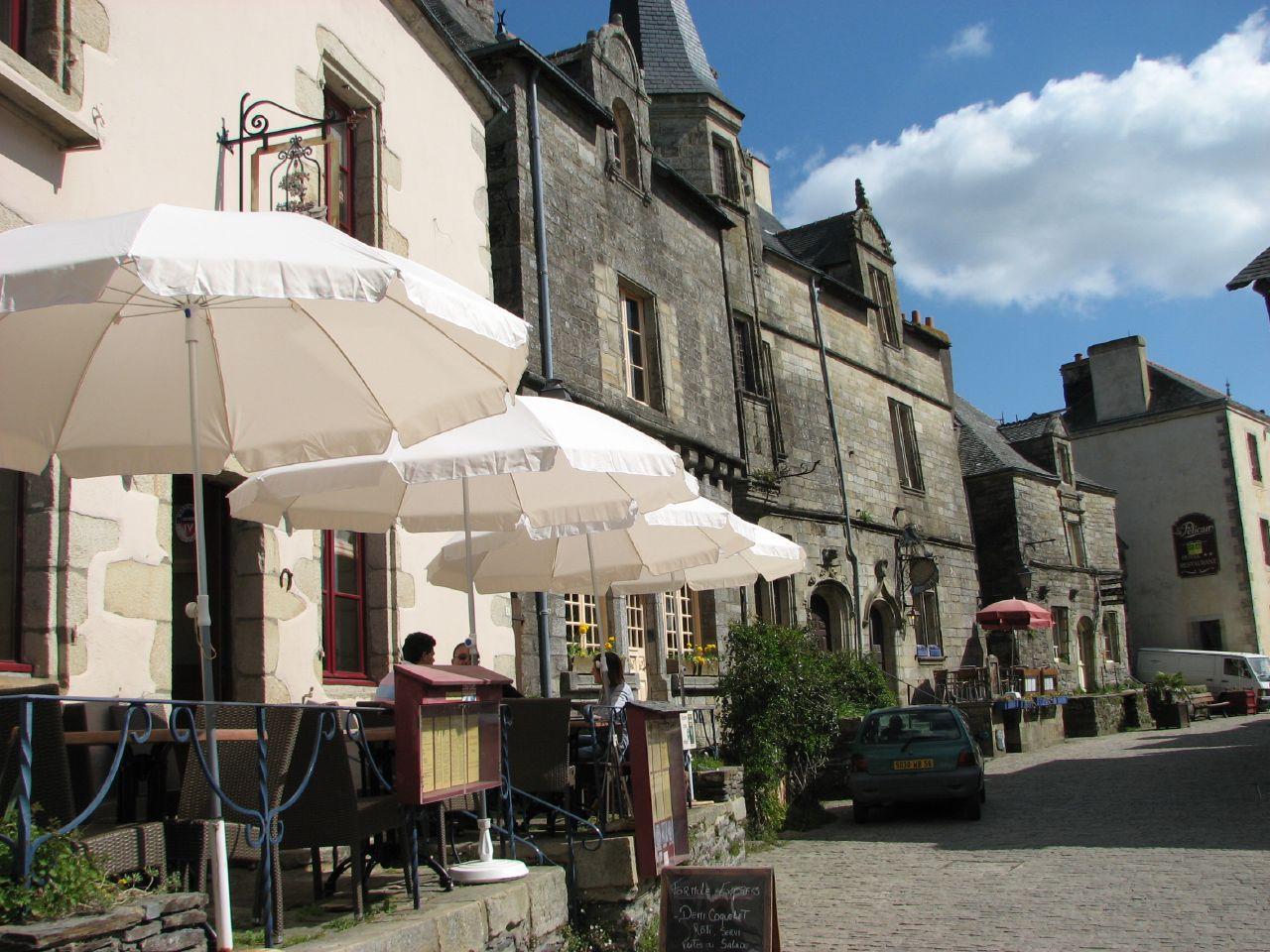
Rochefort-en-Terre is one of the most famous villages in Brittany, and its reputation is deserved: it has an exceptional concentration of heritage. Set on the side of a rocky ridge, the town grew up around a castle dating back to the 12th century. The streets keep granite and schist houses from the 16th and 17th centuries, half-timbered facades, signs, workshops and carefully tended flowers. The village has been a Petite Cité de Caractère since 1978 and a member of the Most Beautiful Villages of France since 2009. Craftspeople and designers are very visible in the centre. In summer, the village is full of flowers and lively; in winter, the lights and the Magie de Noël (Christmas Magic) give it a completely different atmosphere. To really enjoy it, go beyond the main square, climb up to the castle and explore the small outlying streets.
What you will see
- Free access to the village; the castle and events depend on the programme.
- Castle: dating back to the 12th century, built on a rocky spur.
- Architecture: granite and schist houses from the 16th and 17th centuries, a sign of several centuries of prosperity.
- Crafts: many workshops and designers’ shops; artists and craftspeople settled in the village.
- Winter: a big programme around the Magie de Noël, whose lights have become a major tourist event.
- The town became the seat of an important lordship of the Vannes area, and the village grew at the foot of the fortress.
Show 4 more pointsHide
- The urban heritage remains remarkably well preserved.
- Petite Cité de Caractère since 1978, and one of the Most Beautiful Villages of France since 2009.
- Not to be missed: the Place du Puits, the granite houses, the half-timbered houses, the castle and its park, Notre-Dame-de-la-Tronchaye church, the cobbled lanes, the craft workshops, the wash house and the viewpoints.
- Recommended: arrive early in the morning, walk round the main square, climb up to the castle, visit the craft shops and the church, taste a kouign-amann or a local pastry, and come back in winter for the lights.
Practical information
- Getting there
- Between Vannes and Redon. Car parks on the edge of the centre. The village is explored on foot, with several slopes
- Food
- Kouign-amann, crêpes, cider and local produce are everywhere in the centre
- Parking
- Parking is in high demand in summer and at Christmas; the centre is explored on foot.
- Pets
- Walks outside on a lead are possible. Check for monuments and events
- Accessibility
- Slopes and cobbles are the main difficulties.
- With family
- Very pleasant with children, especially during the Christmas events
- Safety
- Cobbles and slopes can be slippery in the rain
- Best time
- Spring for the flowers, September for peace and quiet, December for the lights.
- Photography
- The main square is superb early in the morning, before the crowds. The winter lights completely change the atmosphere
- Nearby
- Malestroit, La Gacilly, Questembert, the Brittany Prehistory Park, Vannes
Tips on the spot
- Allow 2 hours to half a day, more during the Christmas events.
- Arrive before 10 am in high season for fewer people.
- Parking is in high demand in summer and at Christmas: use the car parks on the edge and walk in.
- Wear good shoes for the cobbles and slopes.
- Check the opening times of the castle and events on the day.
Show 5 more tipsHide
- Take time for the side streets, gardens and small details.
- Late afternoon is often ideal for a calmer atmosphere.
- Respect the residents in the most photographed streets.
- Have lunch early or late to find a table more easily in high season.
- For a full day, add Malestroit, La Gacilly or Questembert.
Frequently asked questions
How much time should I allow?
2 hours to half a day, more during the Christmas events.
Is the visit free?
Exploring outdoors is free. Some monuments, tours, museums and activities are paid.
What makes it special?
Strolling through one of the most spectacular villages in Brittany, popping into the craftspeople’s workshops, then coming back in winter for a completely different Christmas atmosphere.
What is the atmosphere like?
Enchanting, medieval, flower-filled and full of crafts.
When is the best time to come?
Spring for the flowers, September for peace and quiet, December for the lights.
What should I not miss?
The Place du Puits, the granite and half-timbered houses, the castle and its park, Notre-Dame-de-la-Tronchaye church, the cobbled lanes and the craft workshops.
Stay in Rochefort-en-Terre
Places to stay that are still available, with current prices, compared across the main booking platforms.
Partner link: a booking made from this map may earn us a commission, at no extra cost to you.
Read in the journal
- ChristmasWhat to do in Morbihan during the Christmas holidaysChristmas in Vannes, the Pont-Scorff light trail, Rochefort-en-Terre lit up and Carnac in winter: our ideas for the 2026 Christmas holidays in Morbihan.
- DepartmentWhat to do in MorbihanThe Gulf, the Carnac alignments and the Quiberon peninsula: the gentlest Brittany, and the oldest.
- SeasonWhat to do in Morbihan during the All Saints’ holidaysThe Carnac alignments open to walk among, the Gulf of Morbihan, castles, the wild coast and Lorient: our ideas for All Saints’ 2026 in Morbihan.
Traveller reviews
Nobody has reviewed this place yet.
Photographs: Vestemocoso · CC BY-SA 4.0 · Wikimedia Commons · Selbymay · CC BY-SA 3.0 · Wikimedia Commons · Martin Selway · CC BY 2.0 · Wikimedia Commons · rene boulay · CC BY-SA 3.0 · Wikimedia Commons · Hadonos · CC BY-SA 3.0 · Wikimedia Commons