Beacons
The lighthouses of Brittany
The lighthouses of hell, those you can visit, and where to see them from land: the greatest concentration in the world.
7 min read
The Iroise Sea, between the Pointe du Raz and Ouessant, has the greatest concentration of lighthouses in the world. It is not for show: it is one of the most dangerous passages in Europe, with currents of eight to ten knots in the Fromveur, rocks just below the surface and Atlantic swell arriving with nothing to stop it.
The keepers ranked their postings in three categories, and the ranking says it all. Paradise was a lighthouse on land, where the family lived. Purgatory was a lighthouse on an inhabited island. Hell was a lighthouse built on a rock in the open sea, where you stayed for weeks and could not leave when the sea was rough.
The lighthouses of hell
- La Jument, in the Fromveur, made famous by Jean Guichard’s 1989 photograph: the keeper in the doorway, the wave behind him.
- Ar-Men, at the end of the Chaussée de Sein, the most feared of all: fourteen years of construction, from 1867 to 1881, with an average of seven working days a year, the sea preventing work the rest of the time. Its name means “the stone” in Breton.
- Kéréon, between Ouessant and Molène, known as the last “monument lighthouse”: mosaics in the stairwell, an oak parquet floor with a compass rose inlaid in mahogany and ebony, Hungarian oak panelling. Amicie Lebaudy paid for more than half of it, and it bears the name of her great uncle, a naval officer guillotined in 1794.
- La Vieille, in the Raz de Sein, and Tévennec, said to be haunted, which keepers left before the end of their posting.
None can be visited: they have been automated since the 1990s and are inaccessible. You see them from the coast, from a boat or from the islands.
Those you can visit
A handful of lighthouses on land open their staircases to the public, in season and in fine weather. They are towers of two to three hundred steps, with no lift, and the wind decides: a visit can close within the hour.
The lighthouses in our guide
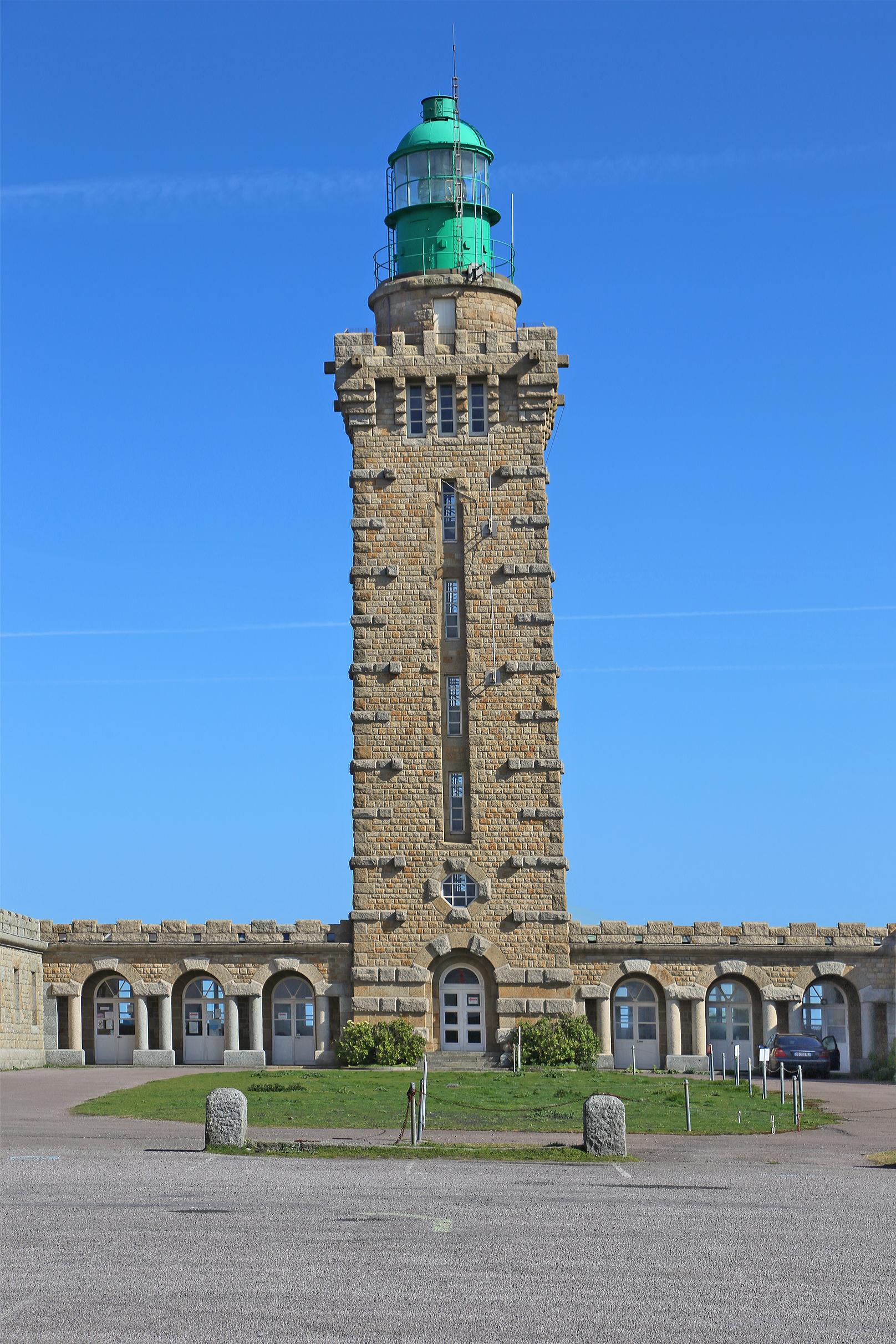 LighthouseCap Fréhel LighthousePlévenon · 1 h 30 to 3 h, or half a day with a walk to Fort La LatteA 32.85 m square tower rebuilt after 1944, with a white light visible 29 nautical miles away, among the cliffs and heathland of Cap Fréhel.
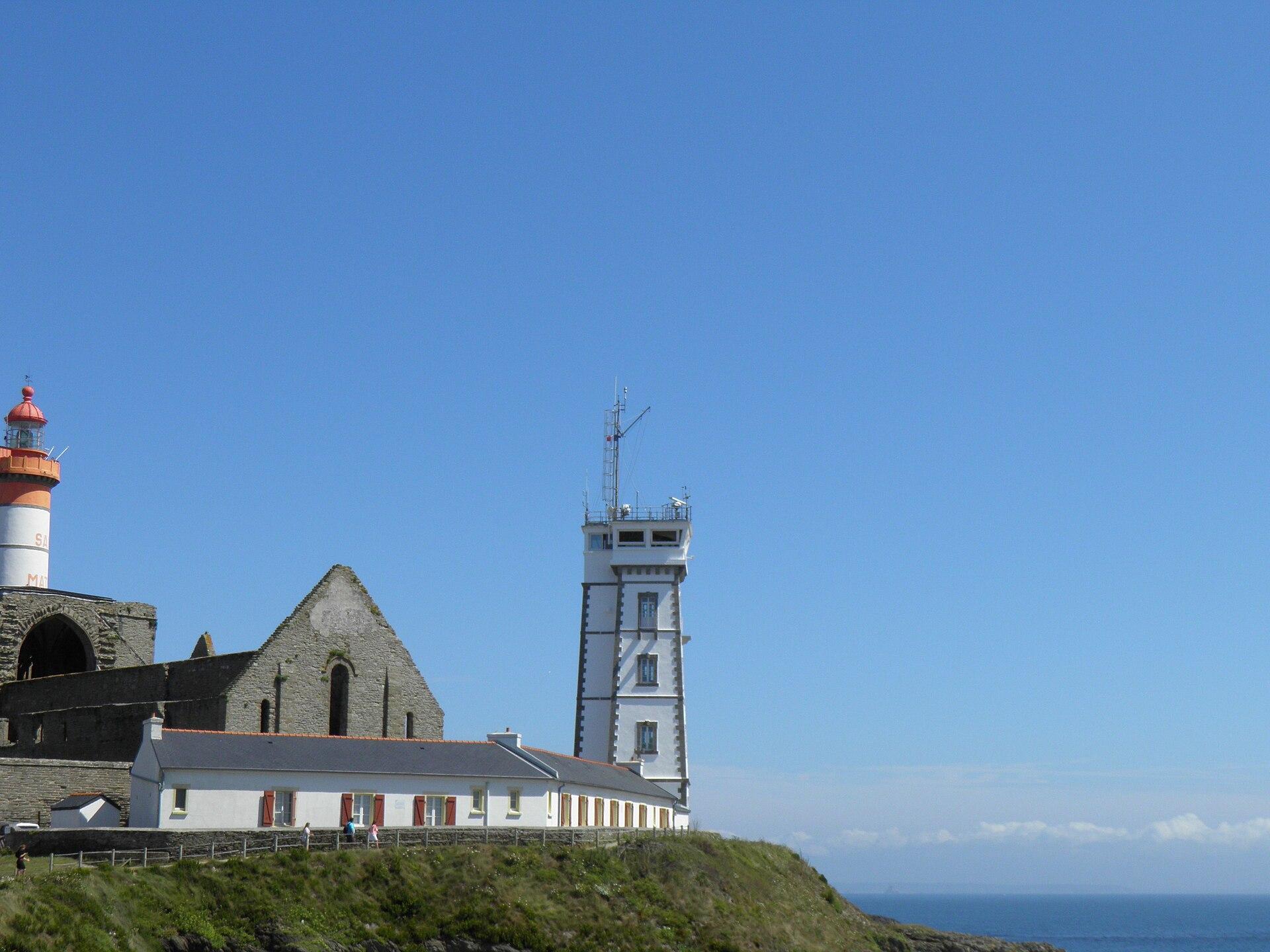 LighthouseSaint-Mathieu LighthousePlougonvelin · 1 h 30 to 3 h, more with the memorial and a stretch of the GR34A 37 m tower lit in 1835, 163 steps, a white flash every 15 seconds and an exceptional view over the Iroise Sea, among the ruins of the abbey.
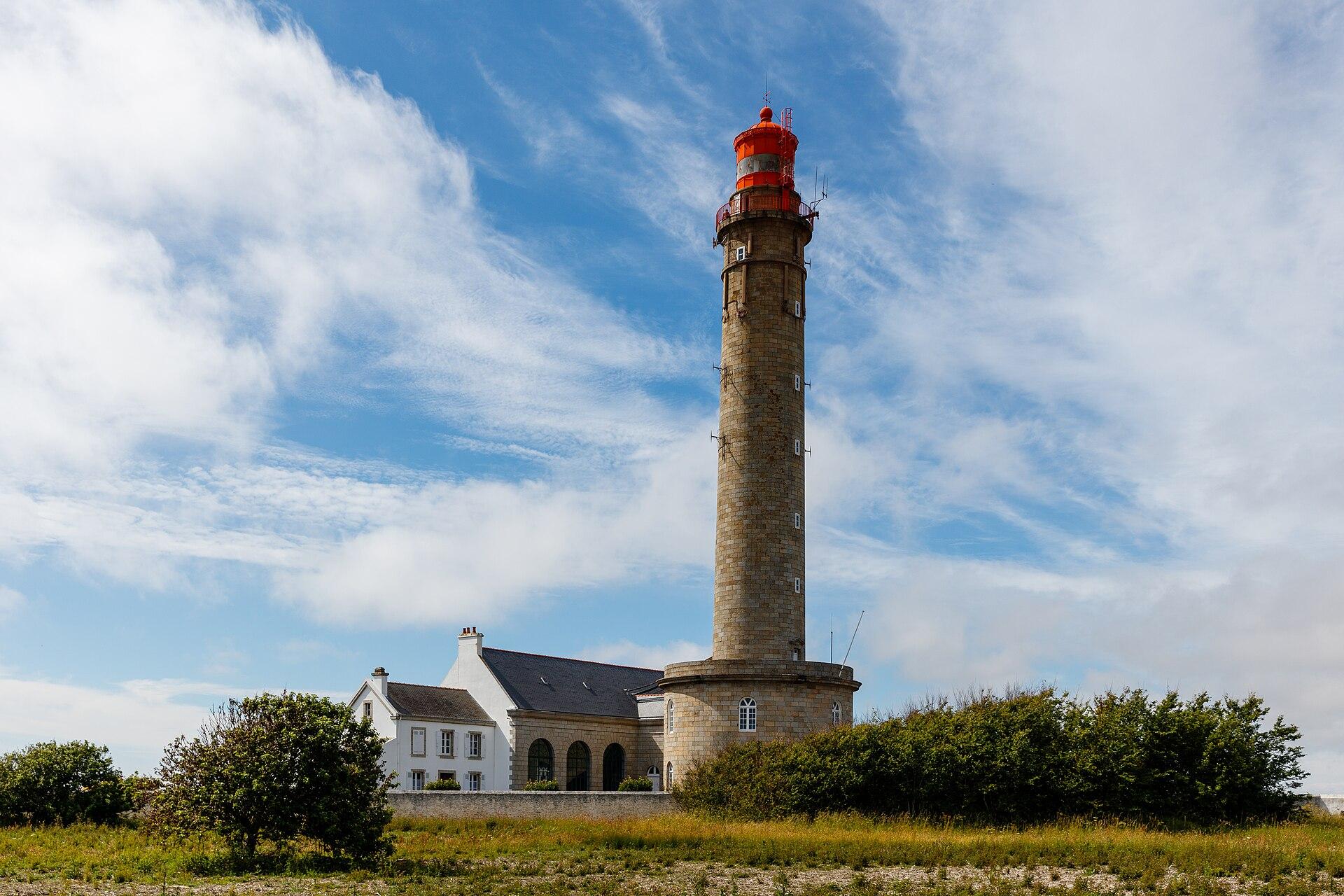 LighthouseGoulphar LighthouseBangor, Belle-Île · 1 h to 1 h 30.A major landfall lighthouse on Belle-Île, 52.25 m high, with 247 steps, a lighthouse museum and one of the island’s great views.
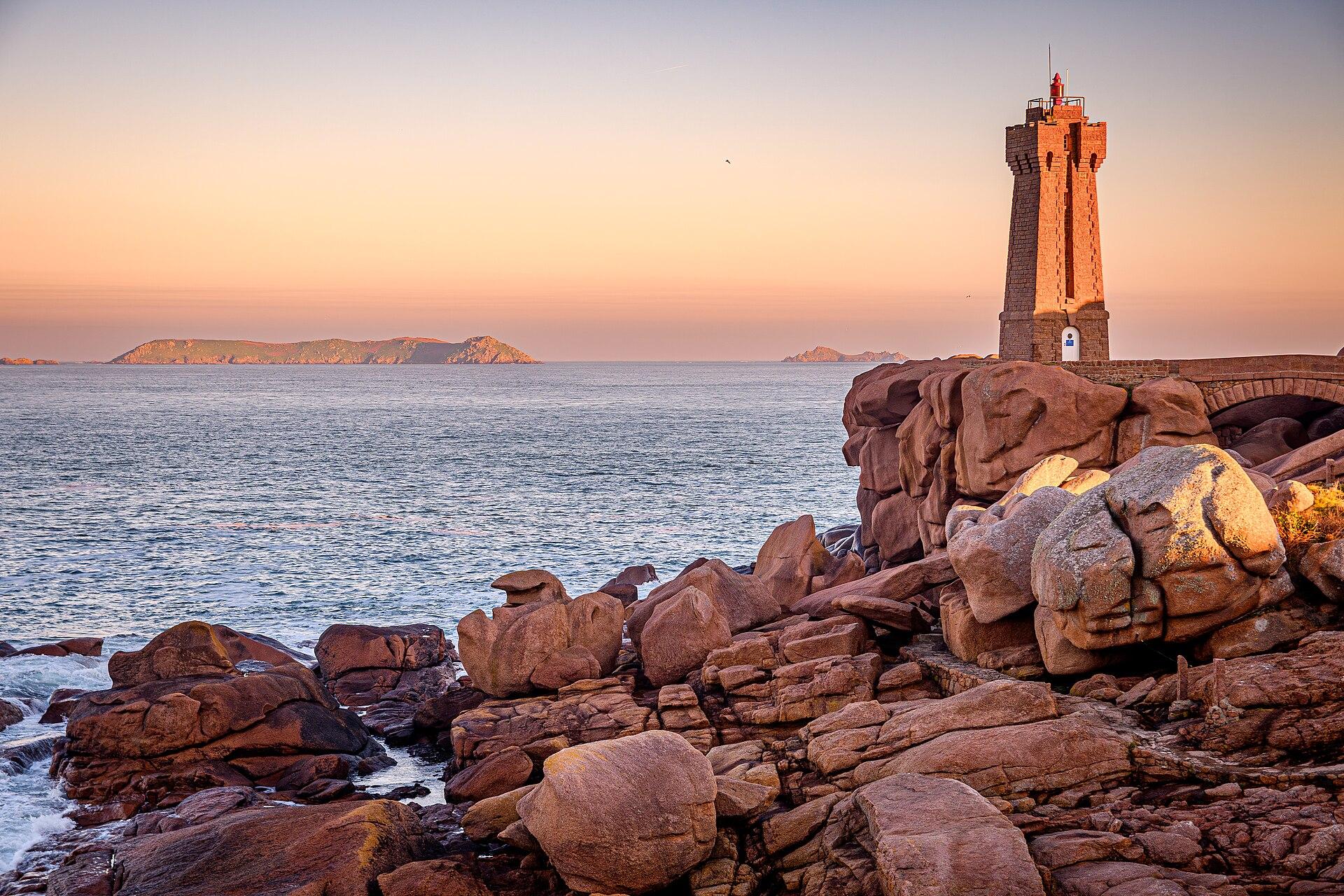 LighthouseMean Ruz LighthousePloumanac’h / Perros-Guirec · 45 minutes to 1 h 30 with the path around the lighthouse.Ploumanac’h’s iconic lighthouse, 15 m high, rebuilt in pink granite between 1946 and 1948 and visible from the GR34 in the heart of the Pink Granite Coast.
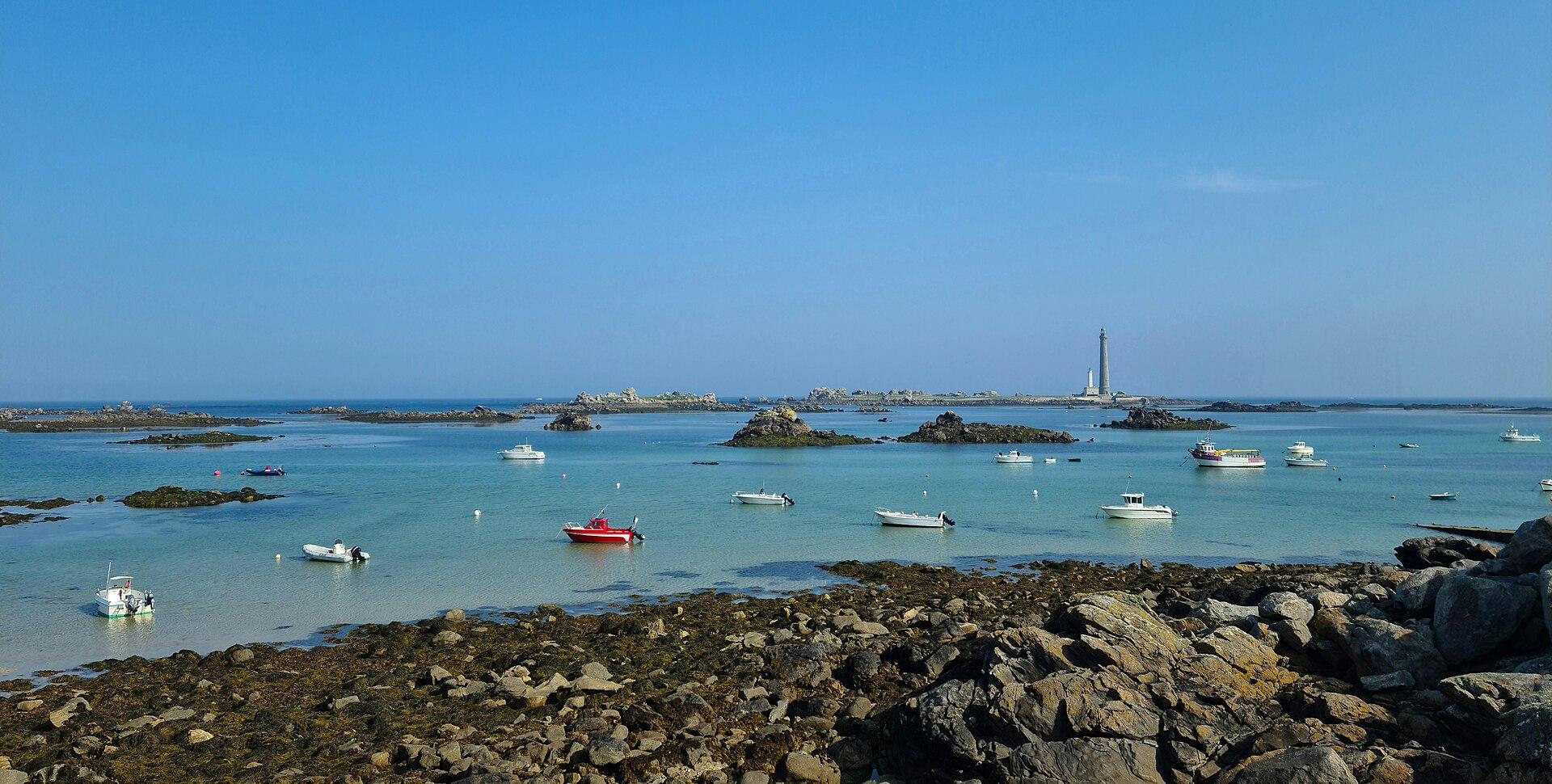 LighthouseÎle Vierge LighthousePlouguerneau · 2 hours to half a day, depending on the option.The tallest lighthouse in Europe and the tallest cut-stone lighthouse in the world, 82.50 m and 397 steps, closed to climbing in 2026 for restoration.
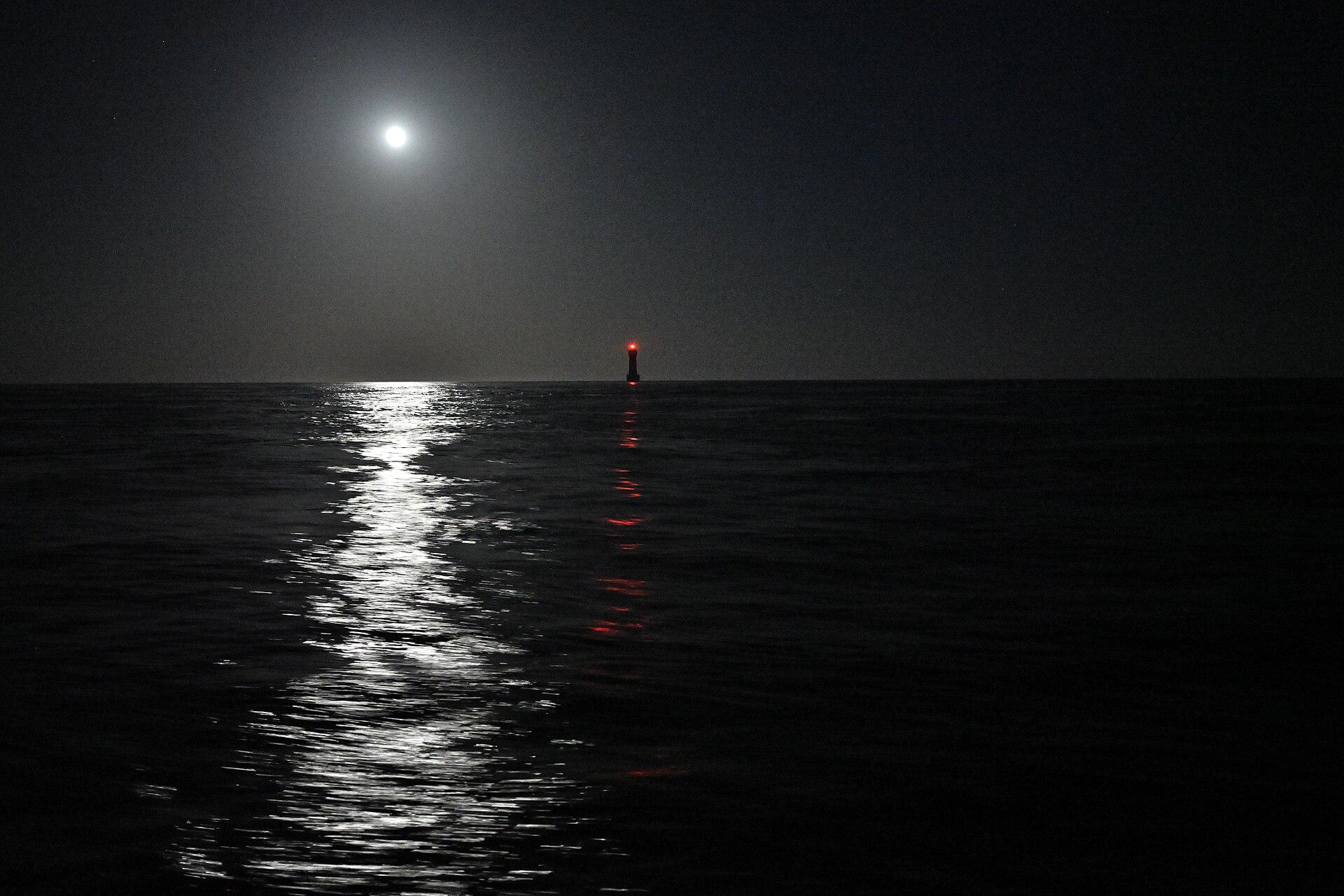 LighthouseLa Jument LighthouseOuessant · Depends on the viewpoint or the boat trip.A legendary 47.40 m lighthouse at sea, built from 1904 to 1911 on the Ar Gazeg reef, with a red light of three flashes and a current range of 10 nautical miles.
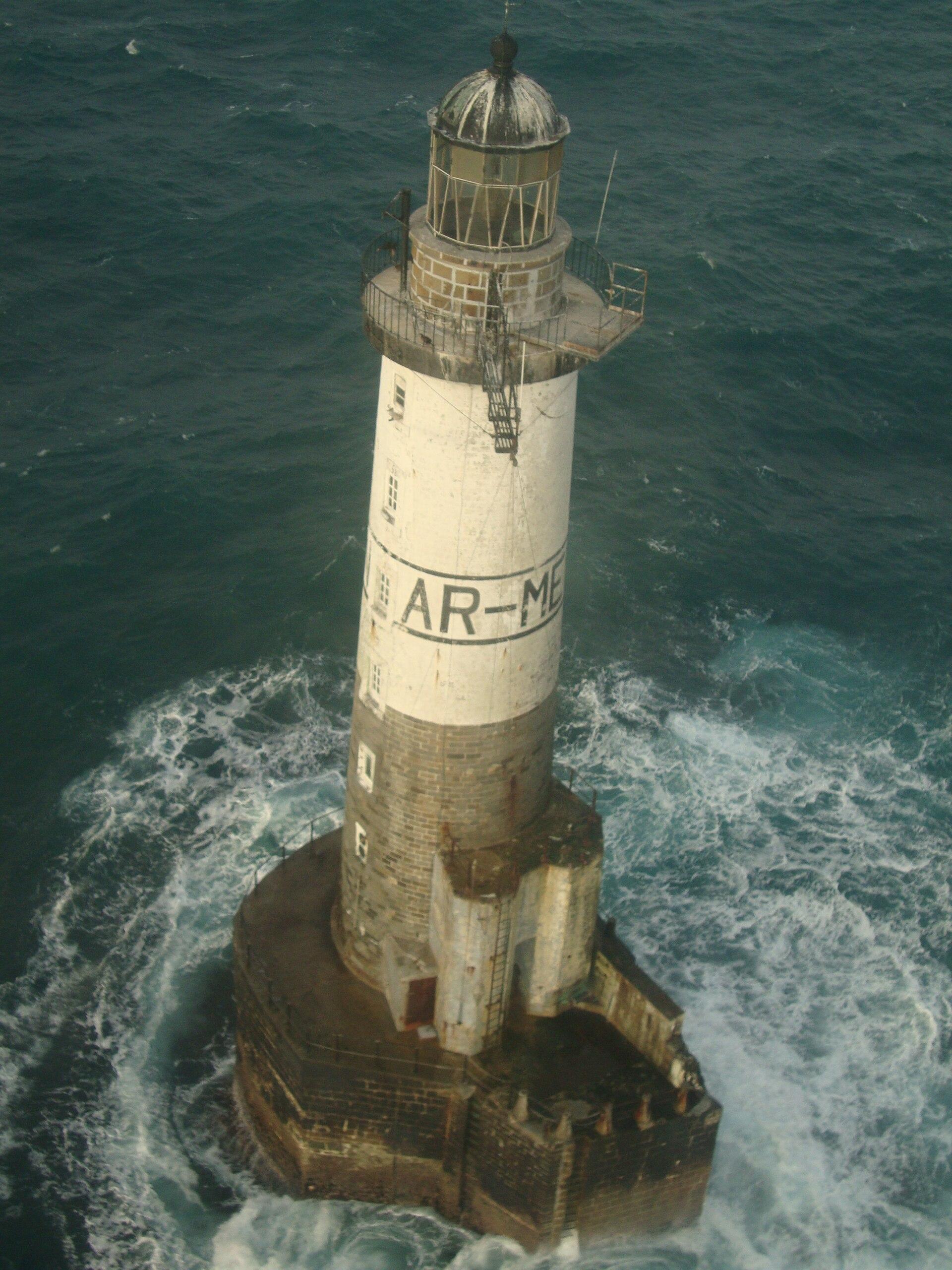 LighthouseAr-Men LighthouseChaussée de Sein · Depends on the boat trip.A legendary lighthouse out at sea, built on the Chaussée de Sein between 1867 and 1881, 37 m high and listed as a historic monument.
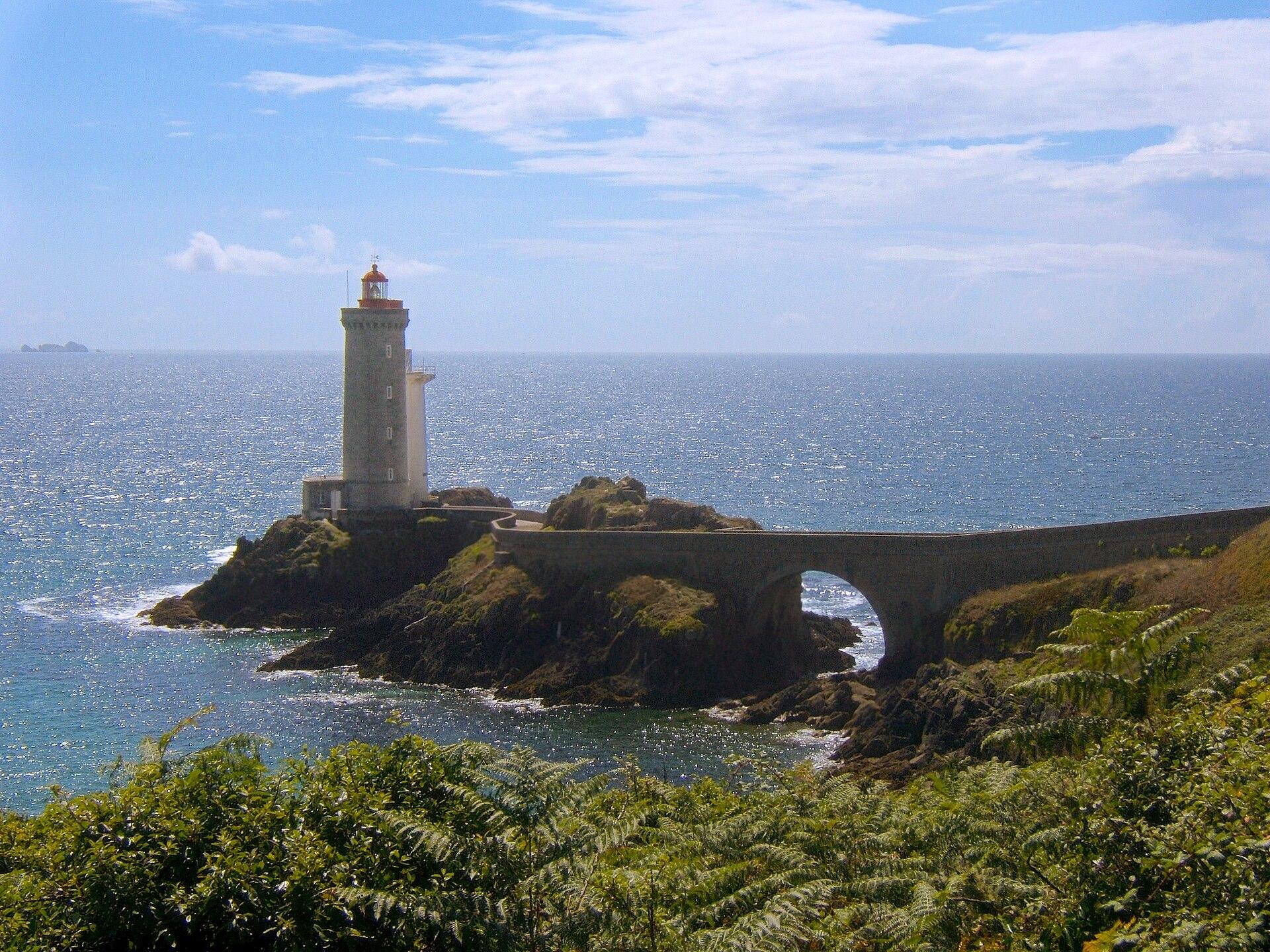 LighthousePetit Minou LighthousePlouzané · 45 min to 1 h 30, more with a coastal walk or the beachA 26-metre tower linked to the land by a stone bridge, in service since 1848 and aligned with the Portzic to guide ships into the Brest roadstead.
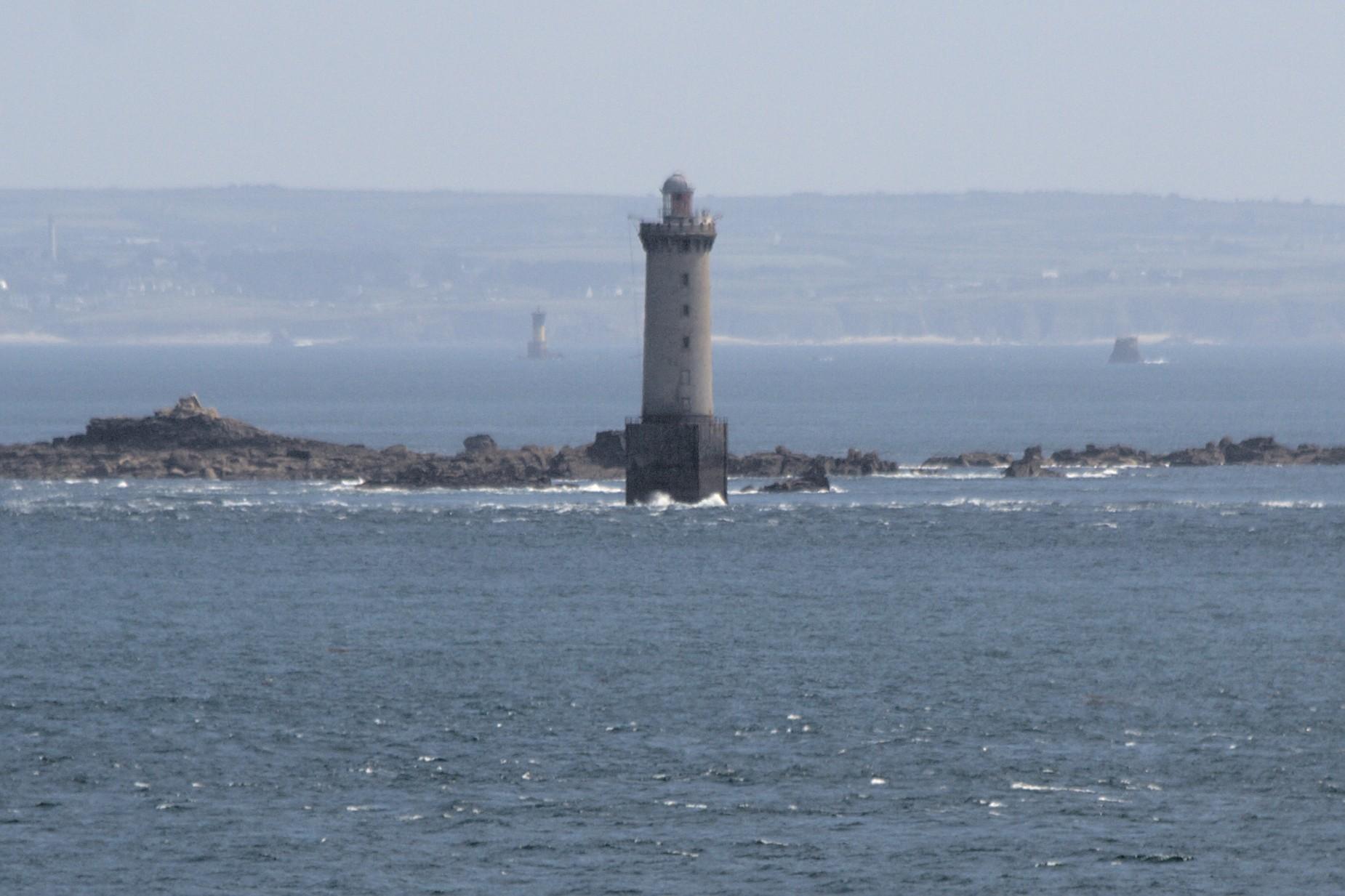 LighthouseKéréon LighthouseMer d’Iroise · Depends on the boat trip.A 45 m lighthouse at sea in the Fromveur passage, in service since 1916, famous for its exceptional interior and listed as a historic monument.
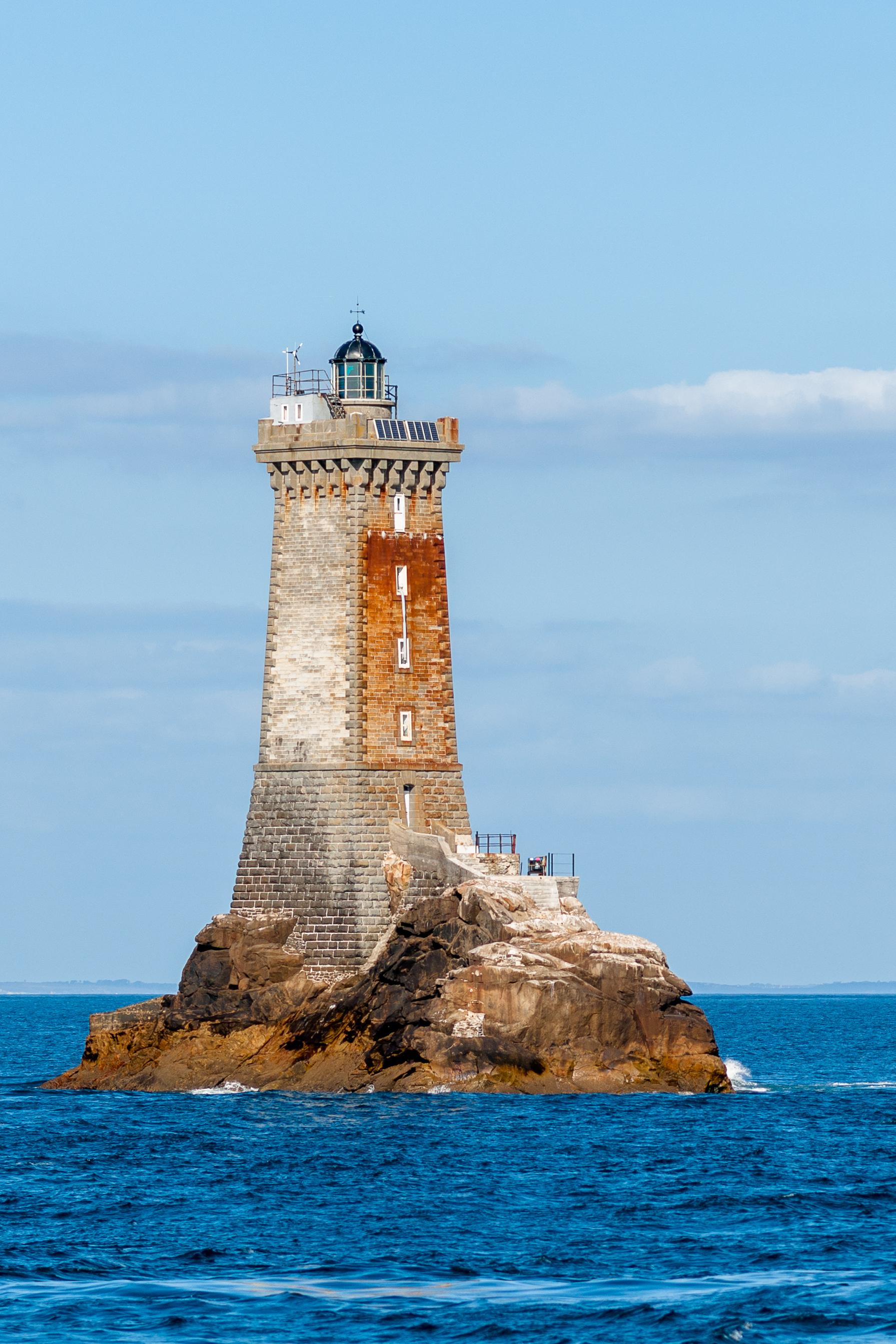 LighthouseLa Vieille LighthousePointe du Raz · 30 to 60 minutes from the Pointe du Raz viewpoints.A 27 m lighthouse at sea built from 1882 to 1887 on Gorlebella, with 120 steps, a sector light and one of the most famous keeper histories in France.
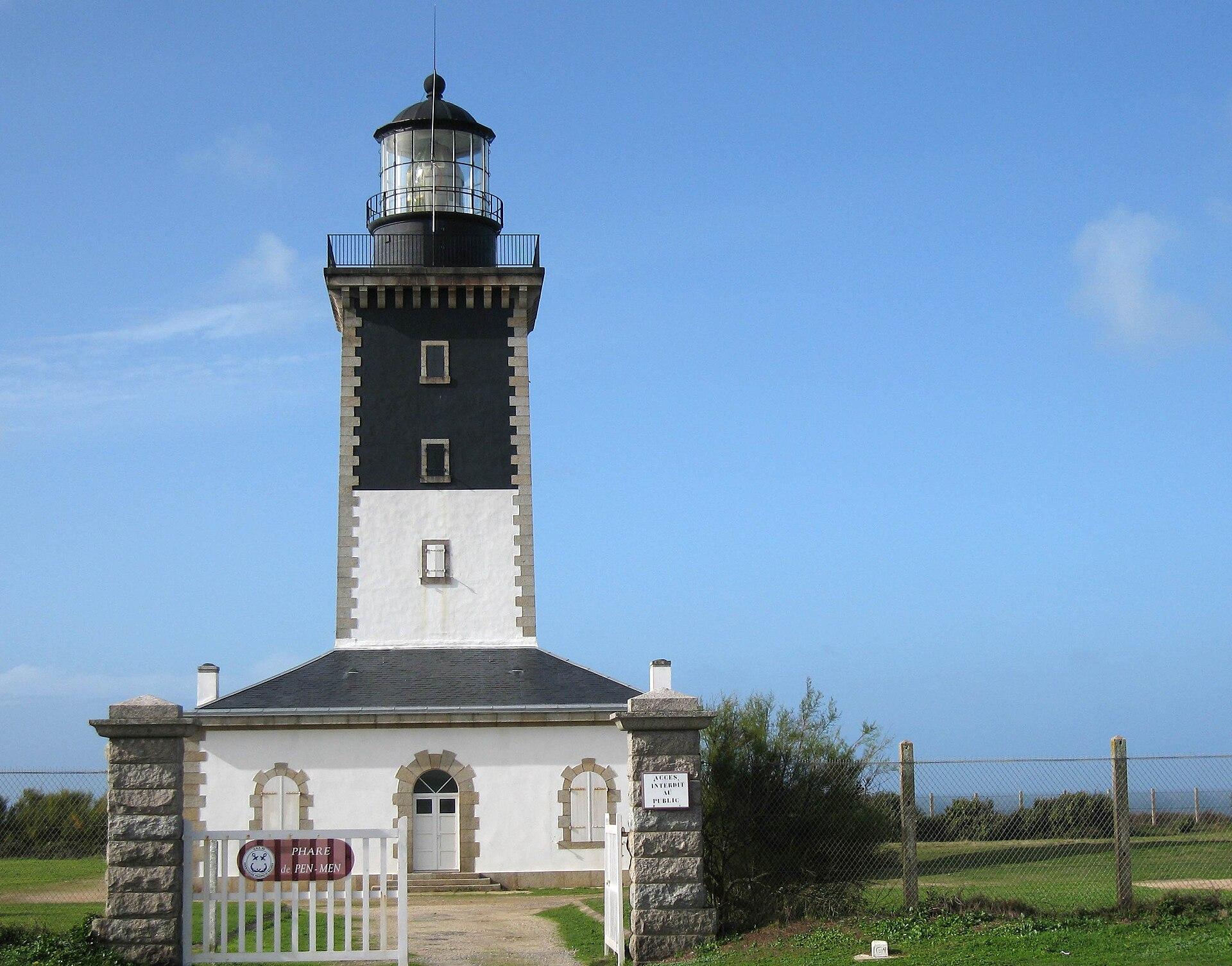 LighthousePen Men LighthouseÎle de Groix · 45 minutes to 1 h 30 with the headland and the heathland.The great lighthouse of western Groix, 27.60 m tall, first lit in 1839, with a white light of four flashes and an official range of 30 nautical miles.
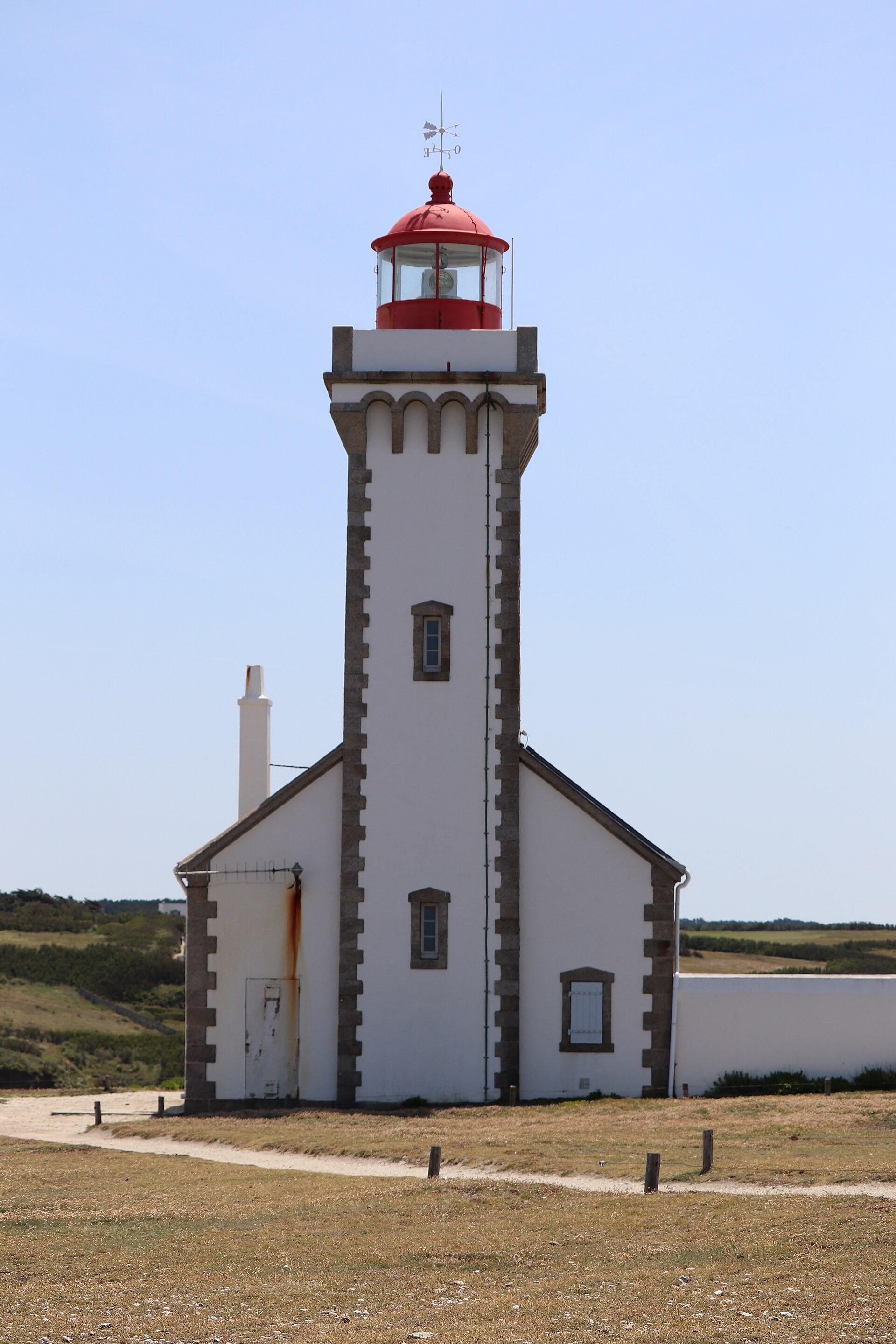 LighthousePoulains LighthouseSauzon, Belle-Île · 1 h 30 to 3 hours, longer with the Sarah Bernhardt spaces and a hikeAt the north-western tip of Belle-Île, an 18 m lighthouse with keeper’s house, opened in 1868, 62 steps, a white flash every 5 seconds and an islet cut off at high tide.
Visiting hours and conditions change from one season to the next, and visits close in strong winds: check on the day with the lighthouse or the tourist office.
How to read a lighthouse
Every lighthouse has its own light signature, which lets you identify it at night without a chart: one flash every five seconds, two grouped flashes every ten, a fixed light. It is written on nautical charts, and you can watch it from the coast at dusk.
Where to see them from land
Viewpoints over the Iroise Sea and elsewhere
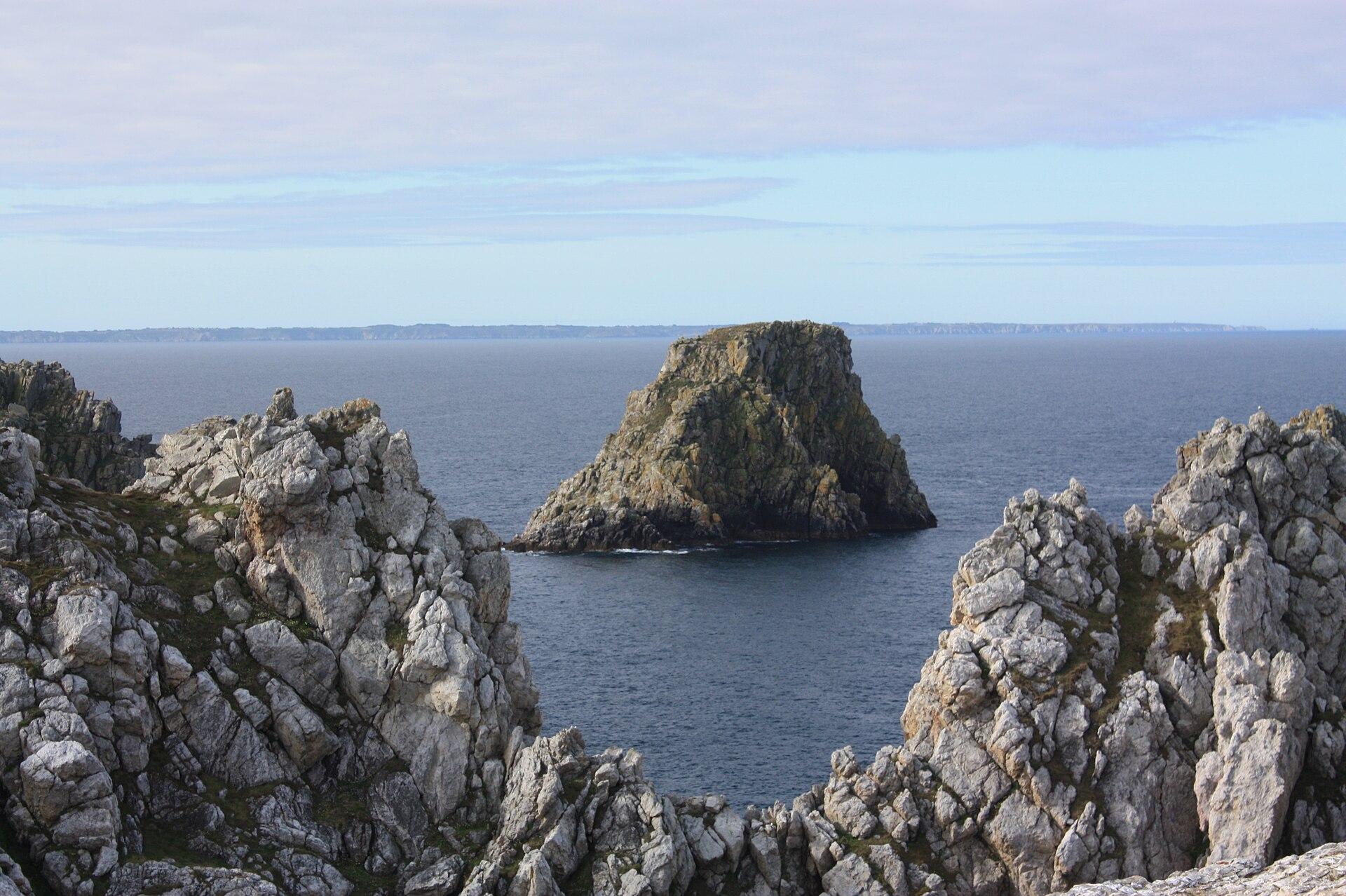 ViewpointPointe de Pen-HirCamaret-sur-Mer · 1 to 2 hours.One of the great sites of the Crozon peninsula, with high cliffs of Armorican sandstone, the vast ocean and the famous Tas de Pois rocks extending the headland.
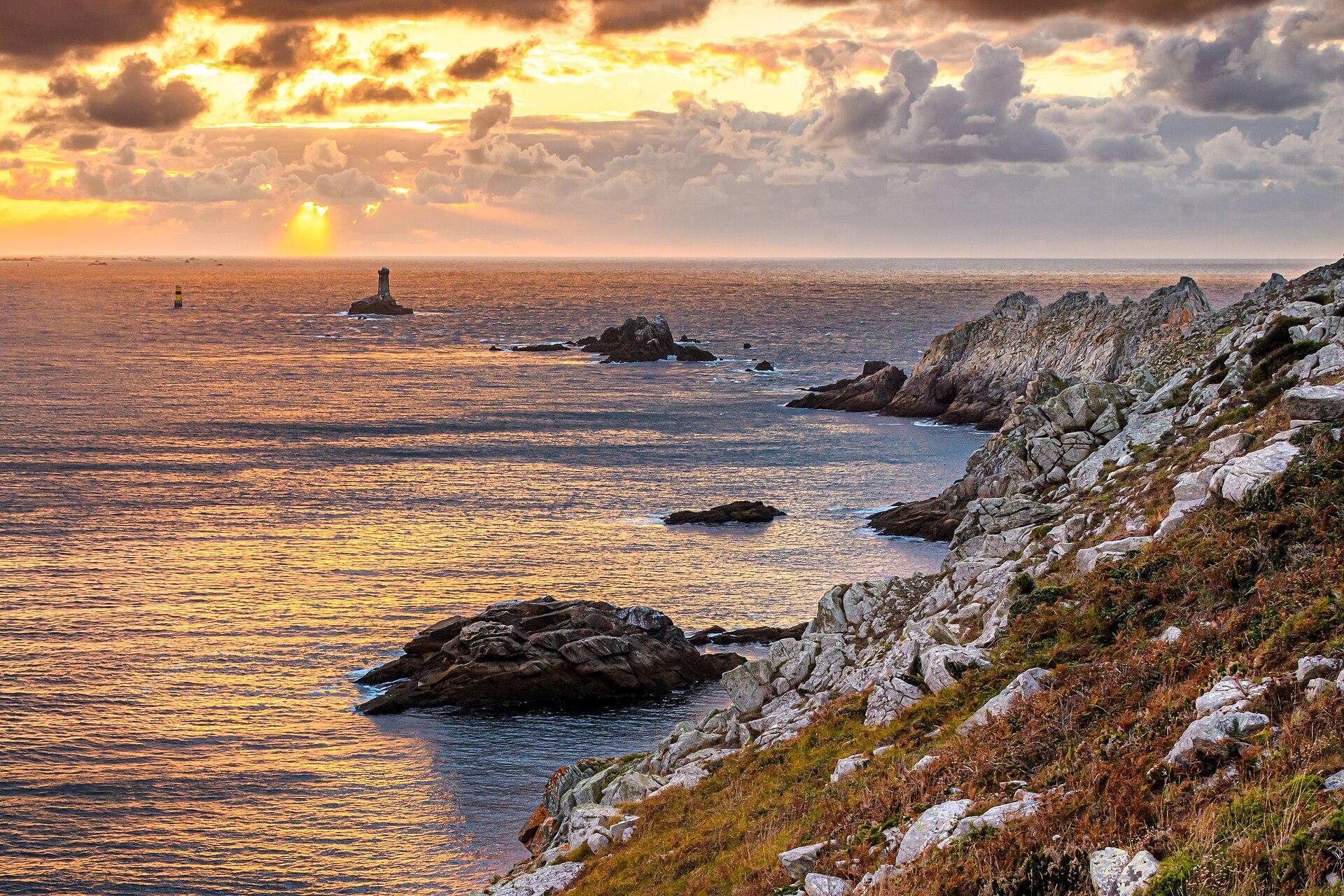 ViewpointPointe du RazPlogoff · 1 h 30 to 3 h, depending on the route and the time you spend.One of Finistère’s great panoramas, a Grand Site de France, with cliffs, the Raz de Sein strait, La Vieille lighthouse, the Île de Sein and the vast Atlantic.
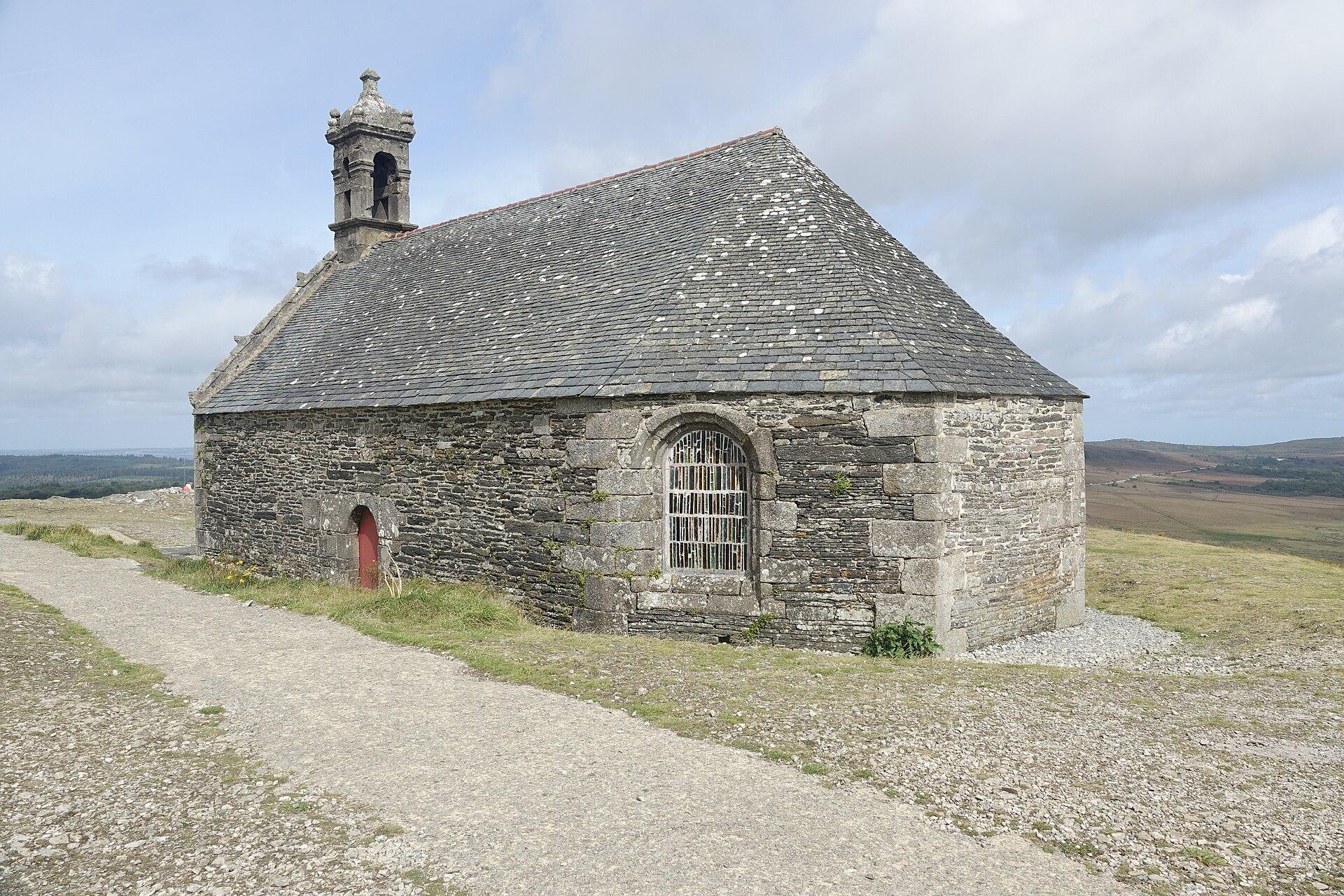 ViewpointMont Saint-Michel de BraspartsSaint-Rivoal · 45 minutes to 1 h 30 for the summit and the view; 1 hour to several hours if you add a hike.One of the most iconic panoramas of the Monts d’Arrée: at 381 metres, the Saint-Michel chapel overlooks the heathland, the Yeun Elez, the Saint-Michel reservoir and the ridges of Finistère.
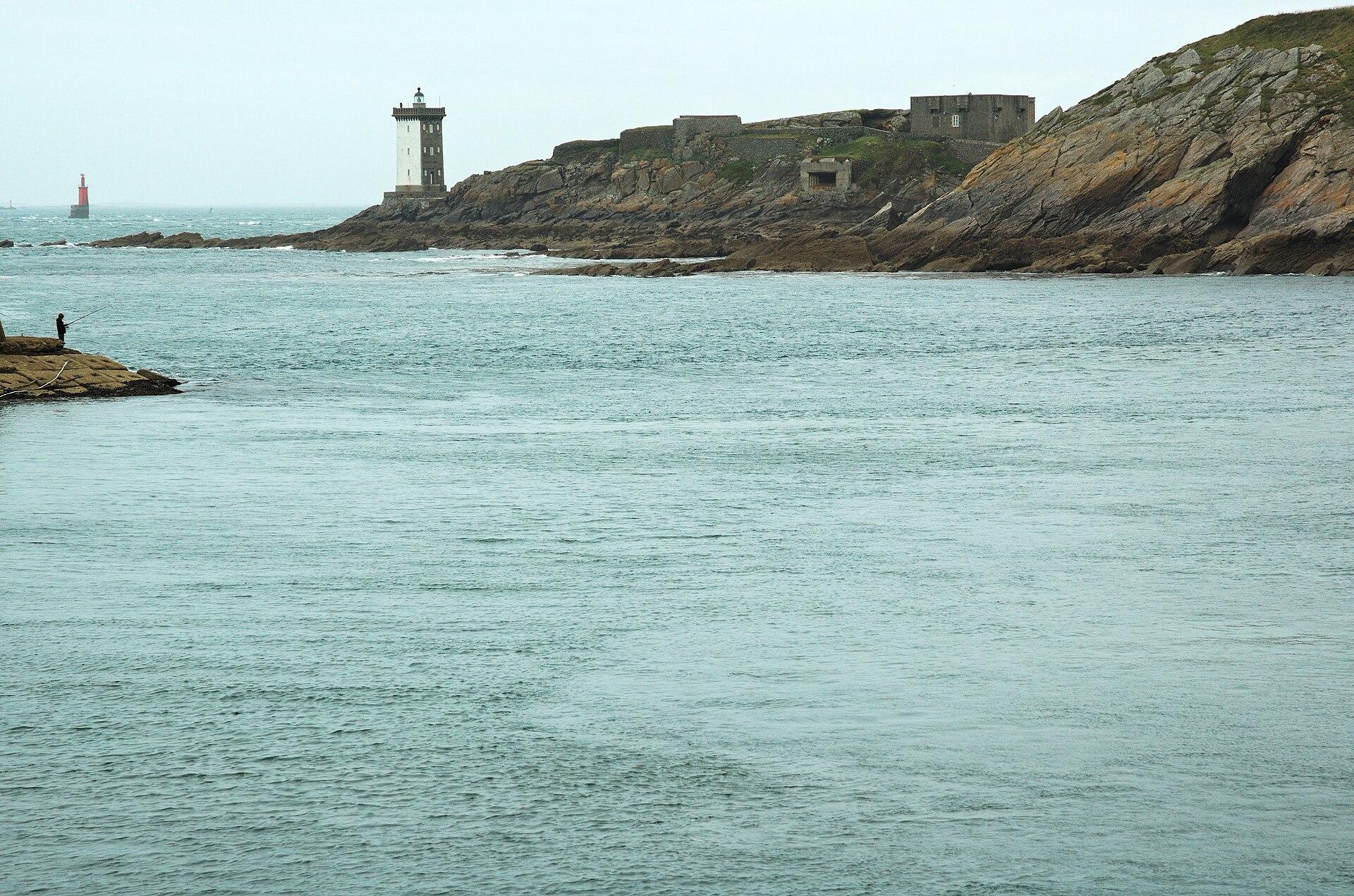 ViewpointPointe de KermorvanLe Conquet · 1 to 2 hours, longer with a lighthouse visit.A protected peninsula at the entrance to Le Conquet, with remarkable views over the Iroise Sea, Les Blancs Sablons, the Pointe Saint-Mathieu and the offshore islands.
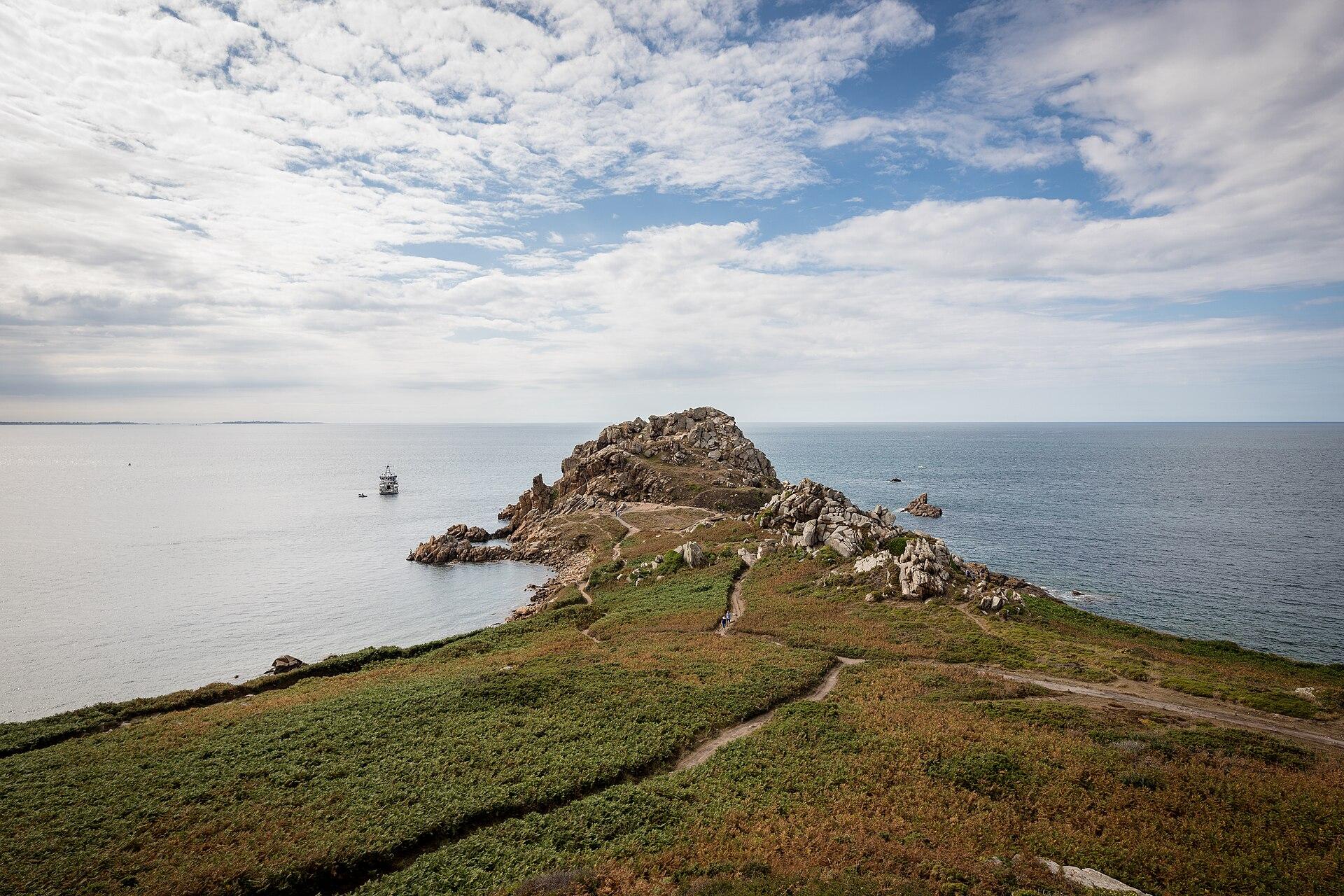 ViewpointPointe de PrimelPlougasnou · 1 to 1 h 30.An imposing Natura 2000 rocky headland in Primel-Trégastel, with the Maison des Douaniers, the Gouffre, prehistoric remains and a marked 2 to 3 km loop with many viewpoints.
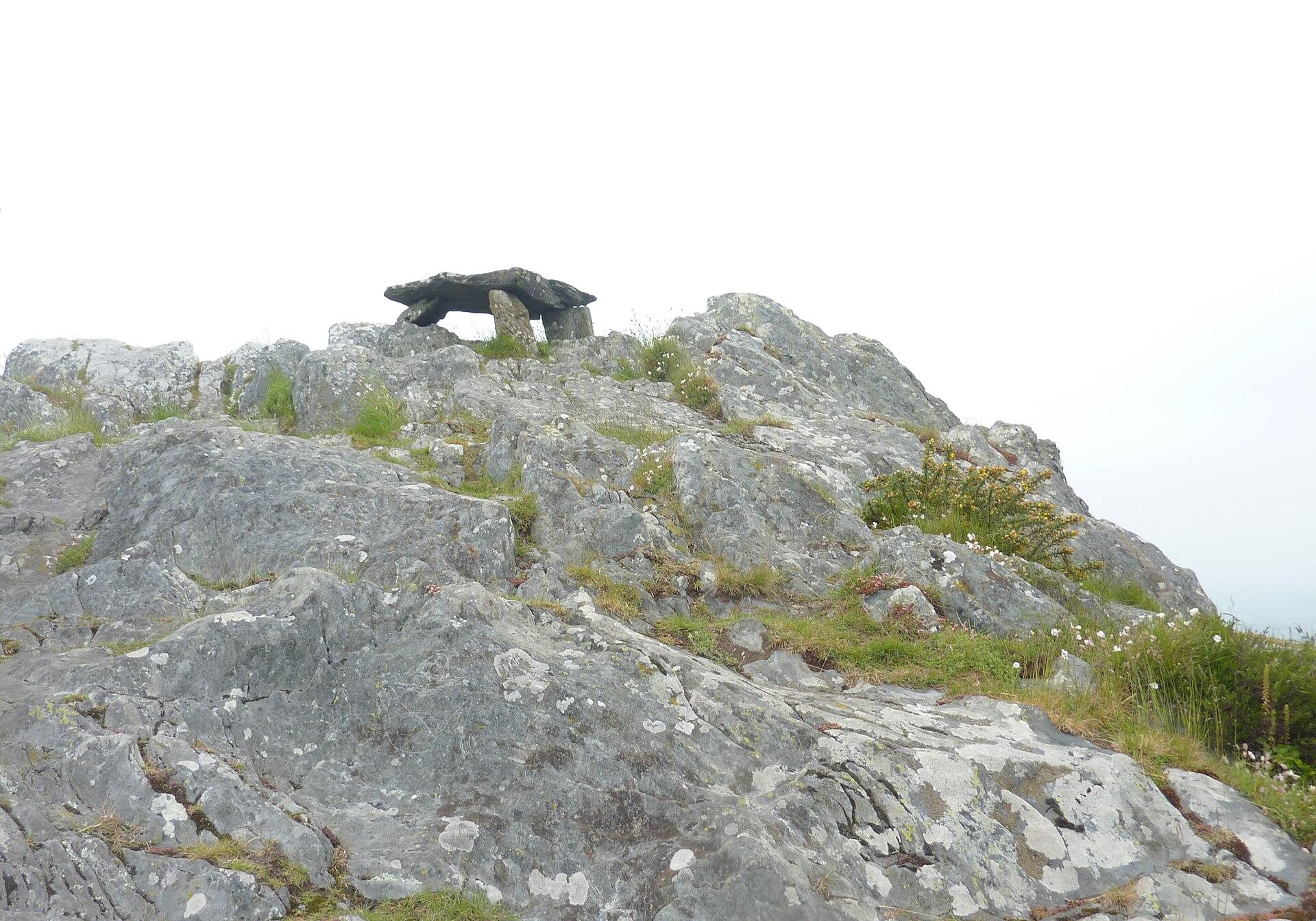 ViewpointRoche du FeuGouézec · 30 minutes to 1 hour, longer if you continue on the trails.A 281 m summit in the Montagnes Noires, with a view over the Aulne valley, the Monts d’Arrée, the bay of Douarnenez and up to 33 church spires on a clear day.
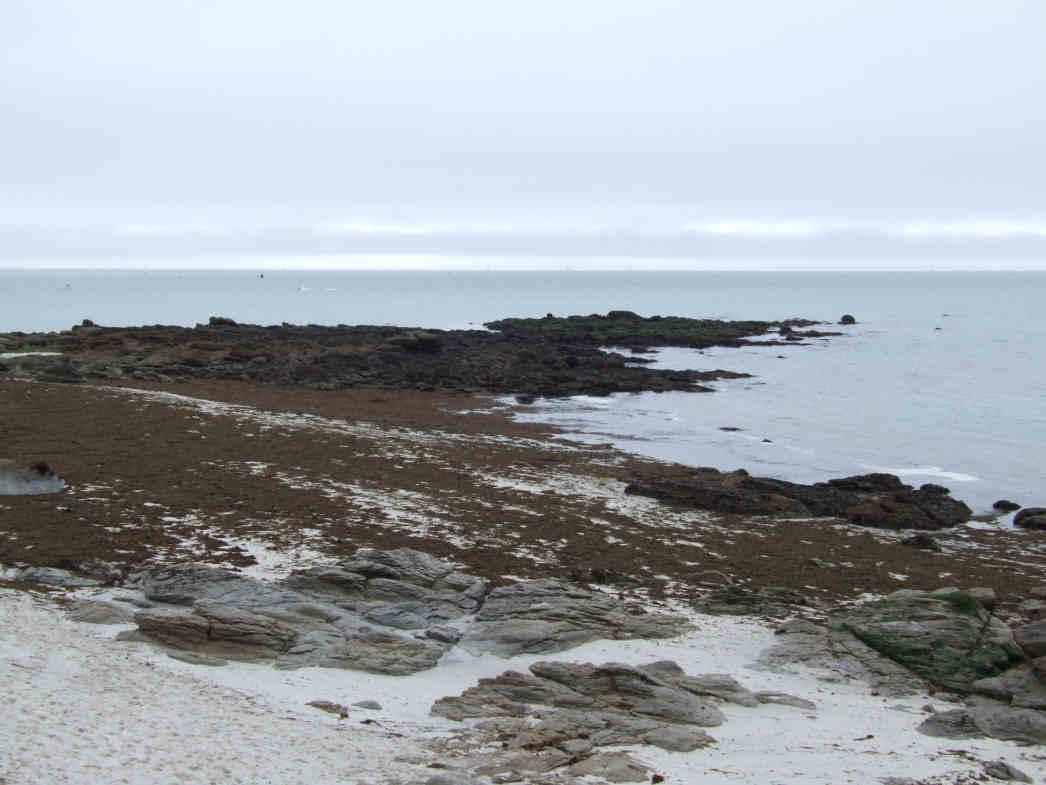 ViewpointPointe de Beg-MeilFouesnant · 45 minutes to 1 h 30.A headland in Fouesnant with fine views over La Forêt Bay, Concarneau and the Glénan islands, along a coastal path where some stretches depend on the tide.