
Museum
Musée national de la Marine, Brest
Brest · Finistère
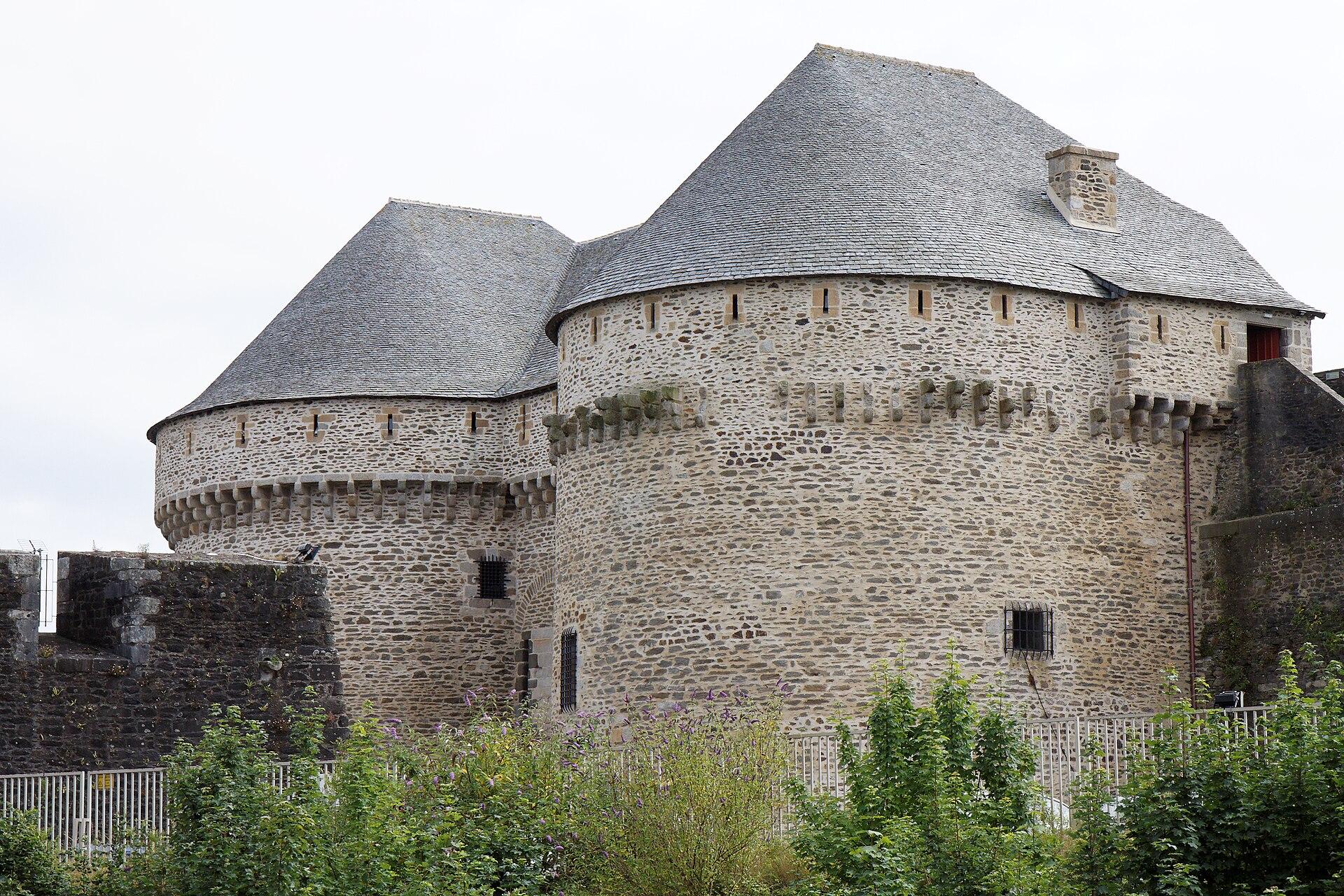
In the castle guarding the mouth of the Penfeld, the Musée national de la Marine tells the story of shipbuilding, the naval dockyard, great voyages and the French Navy. A spectacular site, but very hard to access in a wheelchair.
- Suggested time
- 2 to 2 h 30
- Type of place
- National maritime museum in Brest castle
- Atmosphere
- Maritime and monumental, between naval collections, castle towers and views over the Penfeld
- Getting there
- Château de Brest, 29200 Brest. Tram A, Château stop; bus line 2, Français Libres stop. About 20 minutes’ walk from the station. Free and paid car parks nearby.
Who this place suits
- With family
- 9/10
- As a couple
- 9/10
- With friends
- 9/10
- Solo
- 10/10
- With a dog
- 1/10
- Reduced mobility
- 1/10
These scores are calculated from what the page records: official rating, facilities, difficulty, duration and location. They are a guide, not a substitute for contacting the venue, especially about accessibility.
About
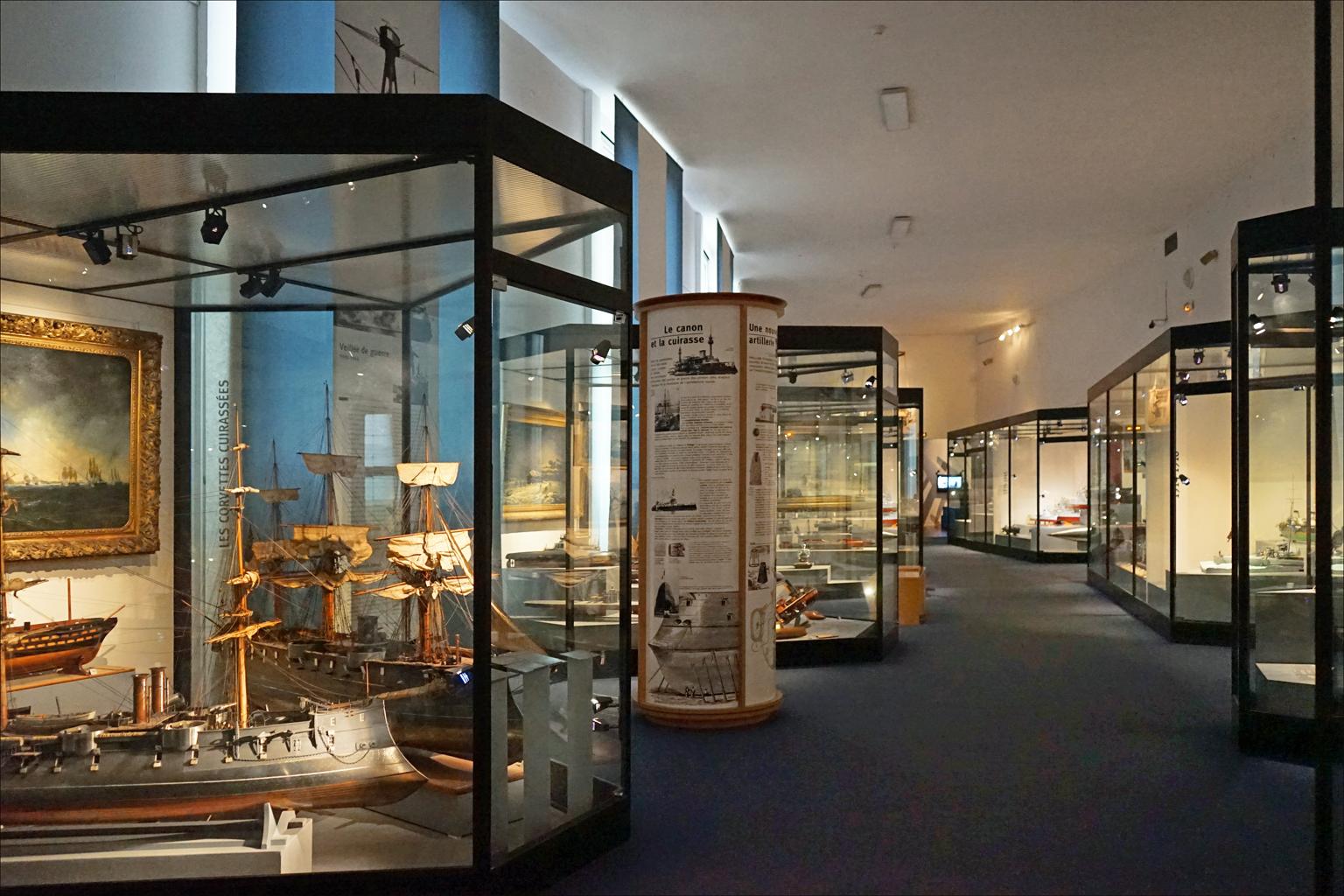
The Musée national de la Marine in Brest occupies part of the castle overlooking the mouth of the Penfeld. The location is key: the collections tell the story of shipbuilding, the dockyard and the French Navy from a monument that has watched over the harbour for centuries. Brest castle has a history of nearly seventeen centuries, from ancient fortifications to modern military changes. Vauban remodelled it, and today it is still an active military site as well as a heritage monument. The museum traces Brest’s maritime power through ship models, sculptures, instruments, paintings, technical objects and Navy memorabilia. The route explains how warships were built, life in the dockyard, the expeditions and how naval forces evolved up to the present day. The views from the castle and some of its towers are a highlight of the visit. They link the models and stories to the real infrastructure of the Penfeld, the ports and the harbour. Few maritime museums have a setting so directly linked to their subject. This historic setting does bring a major constraint: the route has about 500 steps. The museum and the castle are not accessible to wheelchair users; only the Tour Madeleine, which houses the reception and the shop, has adapted access. From October to March, the museum is open from 1.30 pm to 6.30 pm every day except Tuesday. Full price is €12, reduced €10, and entry is free for under-26s. Last entry is one hour before closing.
What you will see
- Brest castle, a military monument with ancient origins.
- A direct view of the Penfeld, the dockyard and the harbour.
- Ship models tracing the evolution of shipbuilding.
- Collections linked to the history of the Brest dockyard.
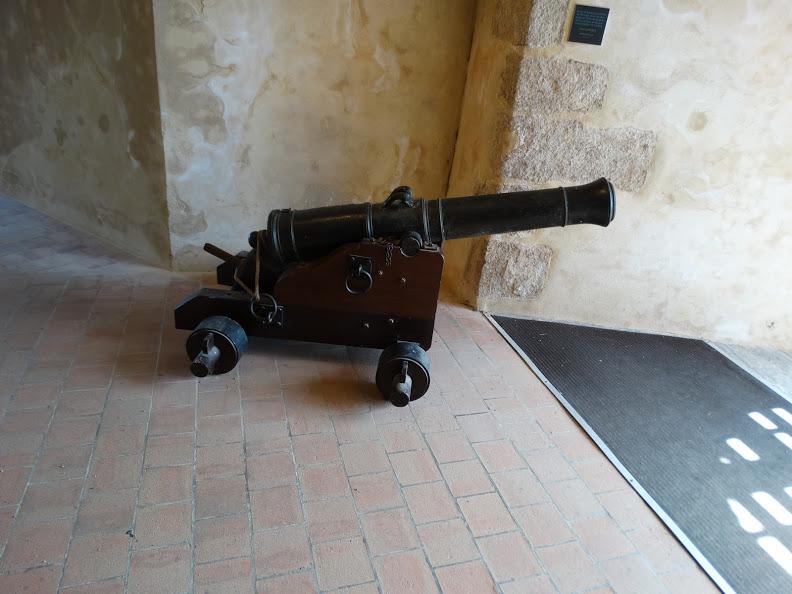
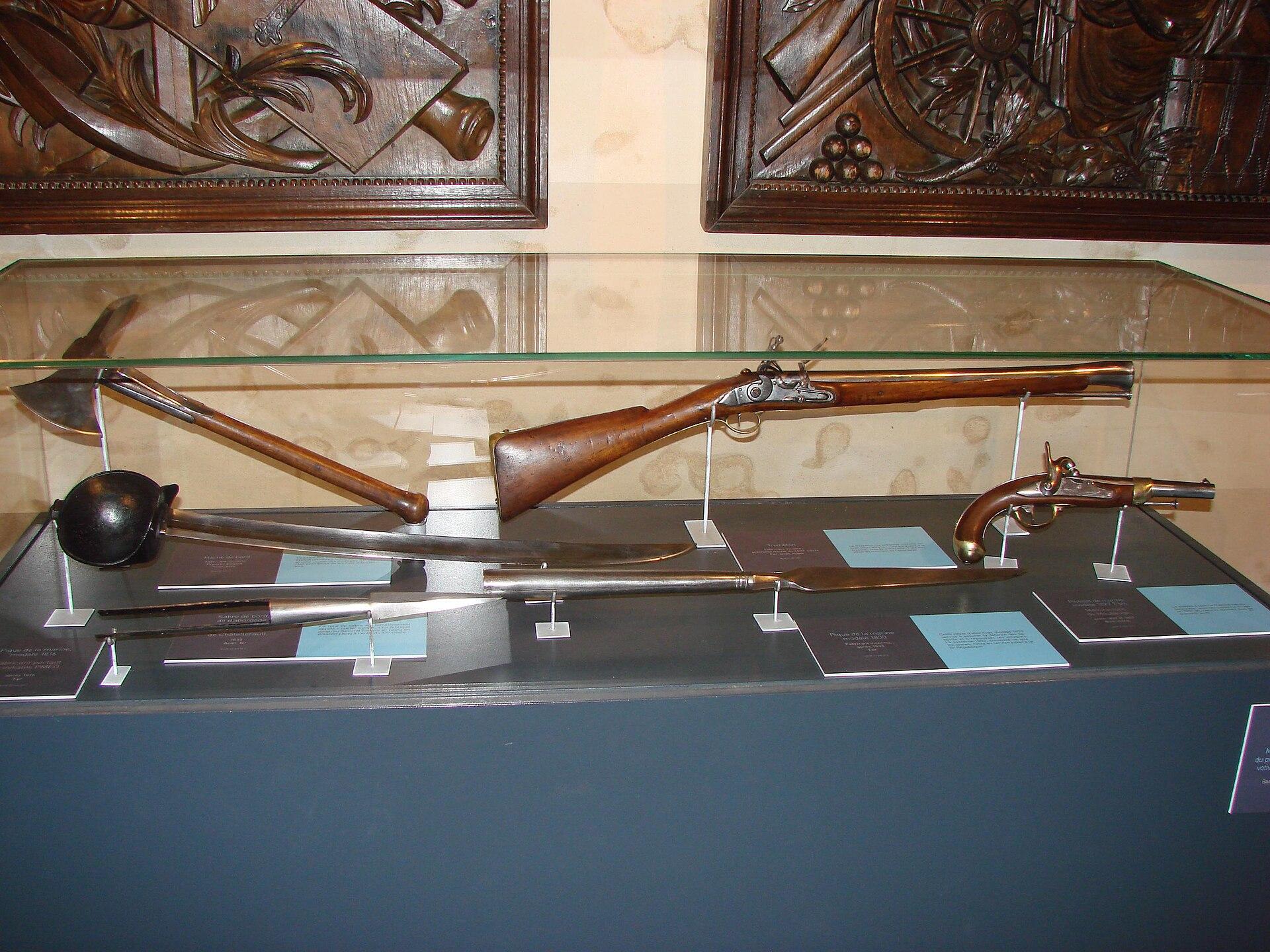
- Sculptures and objects from the Navy.
- The history of the great voyages and the Navy of the Enlightenment.
Show 4 more pointsHide
- The modern French Navy, placed in a long timeline.
- A route where objects and the real maritime landscape meet.
- Audio guides in several languages.
- An unusually physical visit, with towers, levels and many steps.
Practical information
- Address
- Château de Brest, 29200 Brest
- Parking
- Saint-Louis or Marie-Anne du Boccage car parks, 5 minutes’ walk
- Pets
- Assistance dogs, subject to the access conditions of the military and heritage site
- Accessibility
- Very limited. The museum and the castle are not wheelchair accessible. About 500 steps. Only the Tour Madeleine has a lift and is accessible
- Best time
- All year; April to September to enjoy the ramparts too
Tips on the spot
- From October to March: open from 1.30 pm to 6.30 pm, closed on Tuesdays.
- 2026 prices: €12 full price, €10 reduced, free for under-26s.
- Last entry is one hour before closing: arrive before 5.30 pm.
- The site has about 500 steps and is not accessible to wheelchair users.
- The visit is also difficult with a pushchair; baby carriers are available at reception.
Show 6 more tipsHide
- Only the Tour Madeleine has a lift and is wheelchair accessible.
- Allow 2 to 2 h 30 and wear good shoes.
- An audio guide is available in French, English, German, Spanish, Italian and Dutch.
- The museum is not free on the first Sunday of the month.
- Tram A, Château stop, is handy to avoid parking in the city centre.
- If you have reduced mobility, are pregnant or find stairs difficult, check the accessibility carefully before buying your ticket.
Frequently asked questions
What are the opening hours from October to March?
From 1.30 pm to 6.30 pm, every day except Tuesday.
How much is entry?
€12 full price, €10 reduced and free for under-26s in 2026.
Can I come with a pushchair?
The route is not suitable for pushchairs. Baby carriers can be provided.
How much time should I allow?
About 2 to 2 h 30.
What does the museum cover?
Brest’s maritime history, shipbuilding, the dockyard and the French Navy up to the present day.
How do I get there by tram?
Take line A to the Château stop.
See also all the museums in Finistère.
Stay in Brest
Places to stay that are still available, with current prices, compared across the main booking platforms.
Partner link: a booking made from this map may earn us a commission, at no extra cost to you.
Read in the journal
- ChristmasWhat to do in Brest during the Christmas holidaysThe Christmas market on Place de la Liberté, Océanopolis, the cable car and the Capucins, the Petit Minou lighthouse in winter: our ideas for the 2026 Christmas holidays in Brest.
- SeasonWhat to do in Brest during the All Saints’ holidaysThe Happy Quartz festival, Halloween magic at the Capucins, the renovated Océanopolis, the castle and Crozon: our ideas for the 2026 All Saints’ holidays in Brest.
- City guideWhat to do in Brest: the complete guideOcéanopolis, the castle and the Musée de la Marine, the cable car and the Ateliers des Capucins, the Petit Minou lighthouse, the Pointe Saint-Mathieu: what to do in and around Brest.
Traveller reviews
Nobody has reviewed this place yet.
Photographs: Thesupermat · CC BY-SA 3.0 · Wikimedia Commons · Leon petrosyan · CC BY-SA 4.0 · Wikimedia Commons · Catlemur · CC BY-SA 3.0 · Wikimedia Commons · Jean-Pierre Dalbéra · CC BY 2.0 · Wikimedia Commons