Village
Le Conquet, harbour and historic centre
Le Conquet · Finistère
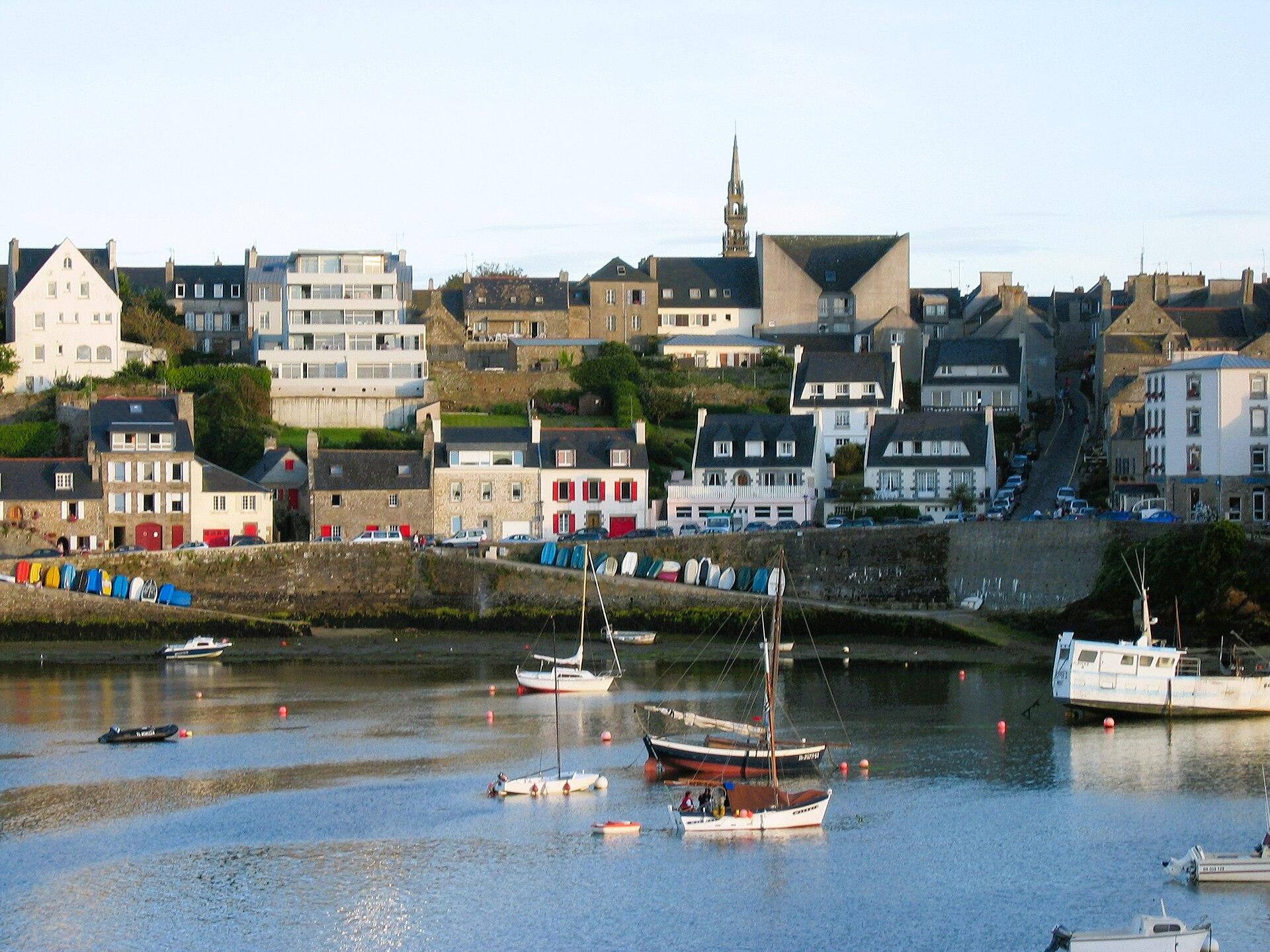
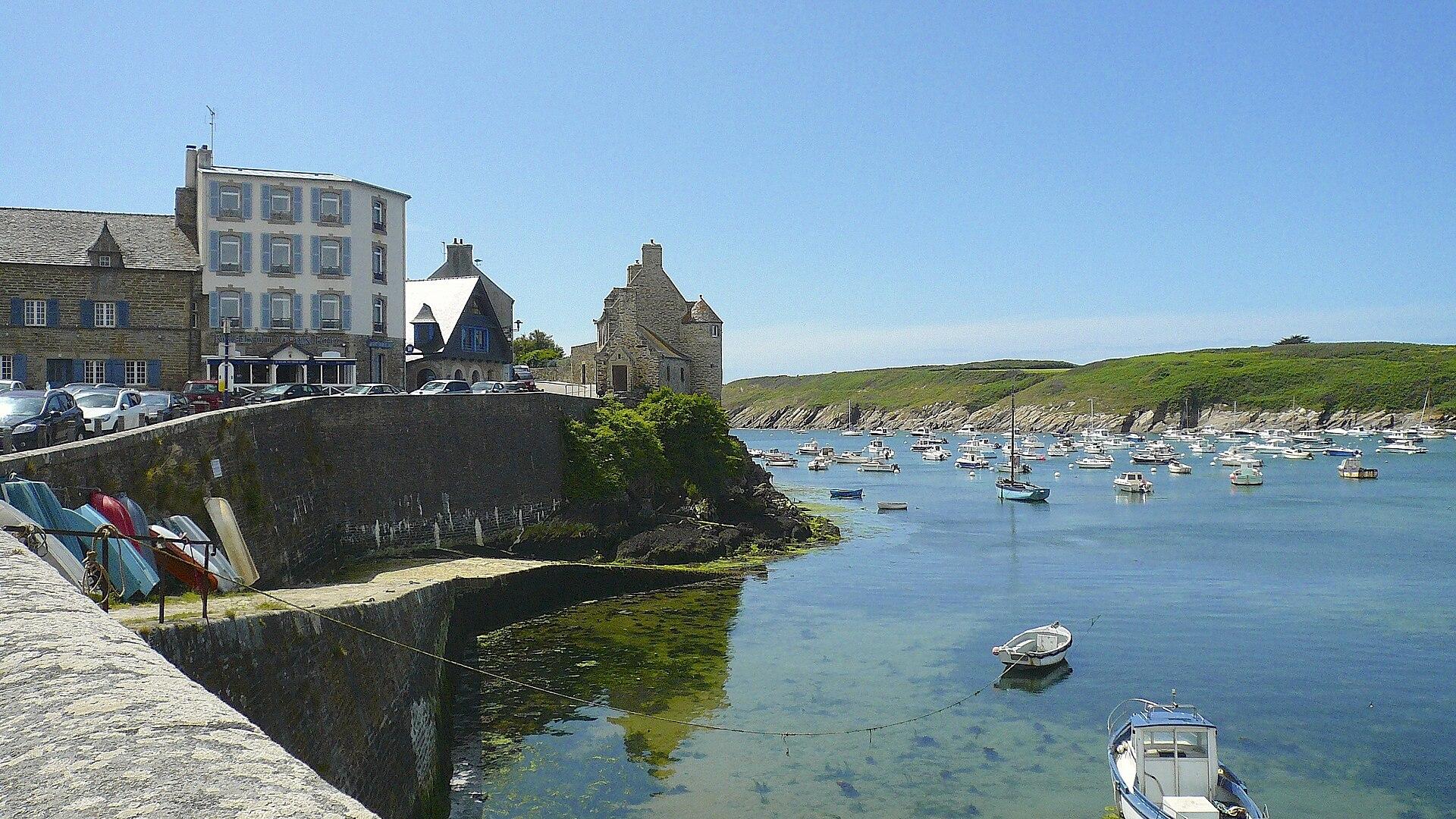
Le Conquet brings together an old harbour, old houses, a ria, the Croaë footbridge, boats to Ouessant and Molène and the wide horizons of the Iroise Sea, at the far western tip of Finistère.
- Suggested time
- 2 hours to half a day, a full day with Kermorvan or Saint-Mathieu
- Type of place
- End-of-the-world harbour and maritime town of the Iroise
- Atmosphere
- Maritime, island-bound, authentic and luminous
- Getting there
- West of Brest. Car parks around the centre and the harbour. The heart of the village is explored on foot, with a few slopes.
Who this place suits
- With family
- 10/10
- As a couple
- 10/10
- With friends
- 10/10
- Solo
- 10/10
- With a dog
- 9/10
- Reduced mobility
- 7/10
These scores are calculated from what the page records: official rating, facilities, difficulty, duration and location. They are a guide, not a substitute for contacting the venue, especially about accessibility.
About
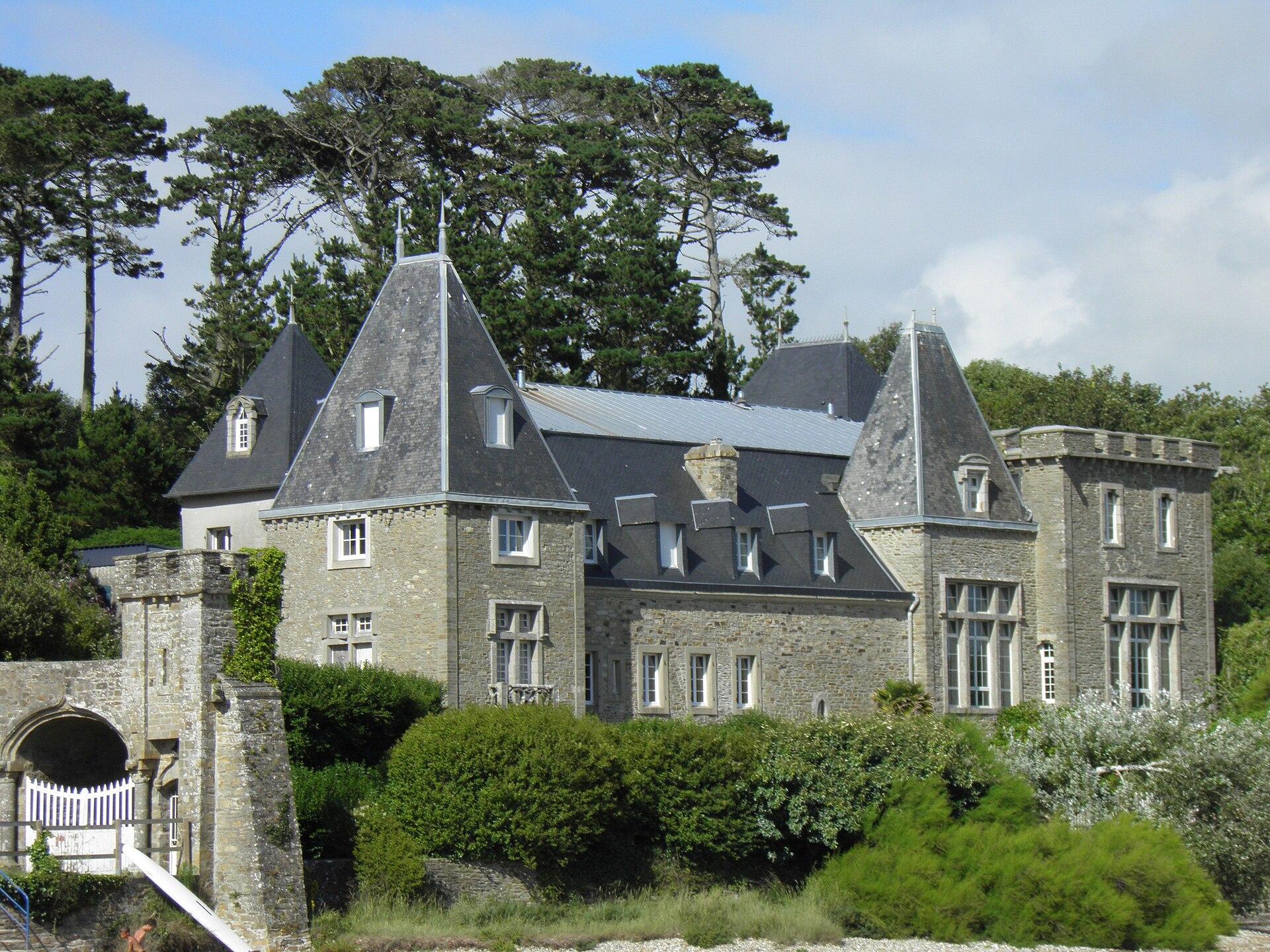
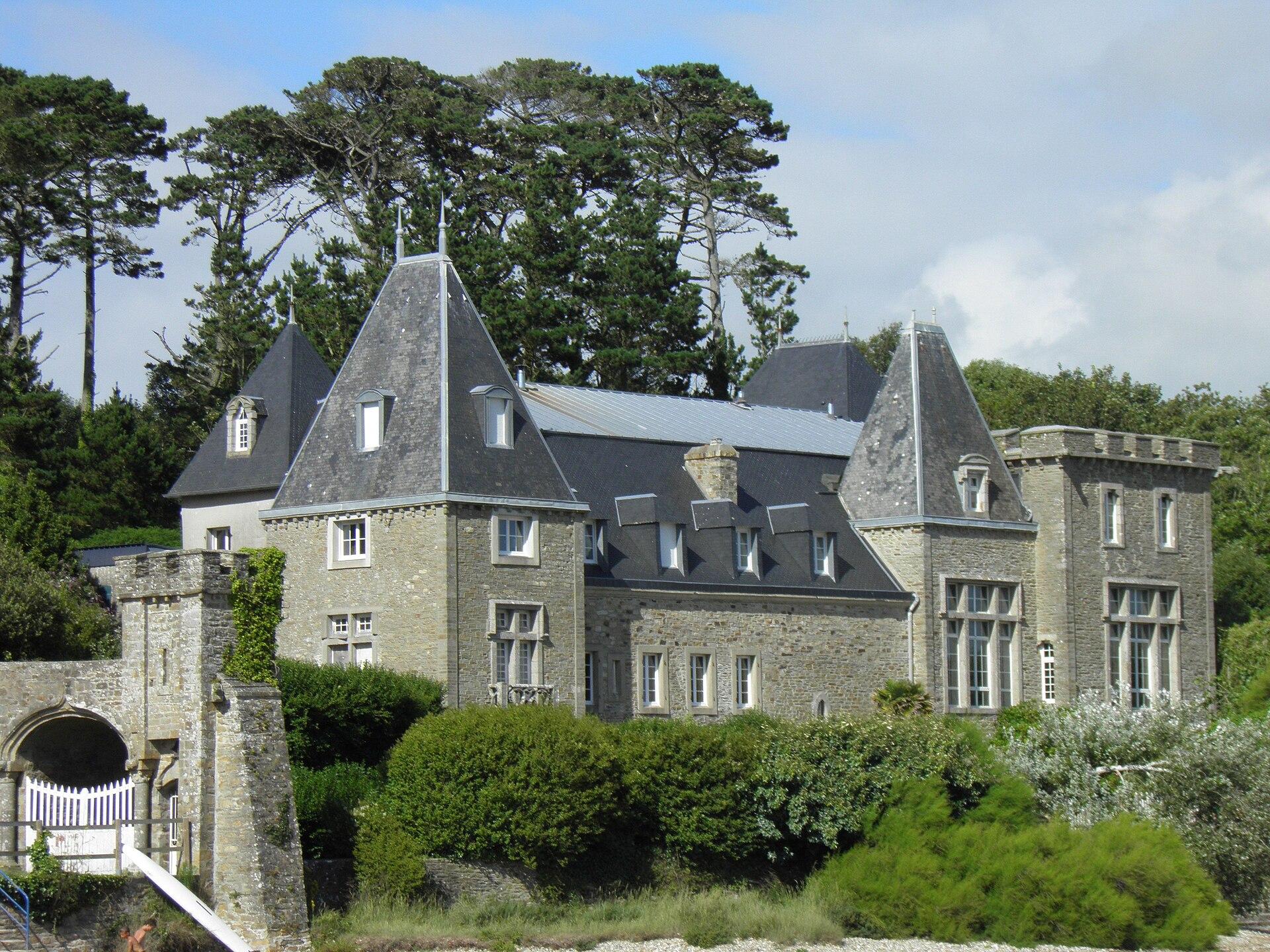
Le Conquet is one of the great harbours of the Iroise Sea and one of the best places to feel the unique geography of Brittany’s far west. Boats to Ouessant and Molène leave the harbour regularly, keeping it constantly busy. The old centre still has several granite houses and mansions linked to the history of merchants and shipowners. The Le Conquet ria, the Croaë footbridge and the coastal paths offer very different views of the harbour and the estuary. The village is also an excellent starting point for the Pointe Saint-Mathieu, Kermorvan and the Iroise beaches. Even without sailing to the islands, half a day is enough to enjoy the harbour, the streets and the ria.
What you will see
- Visits: the harbour and centre are freely accessible; boat crossings are paid.
- Harbour: a fishing and passenger port, with boats to Ouessant and Molène.
- The Le Conquet ria naturally shelters part of the harbour.
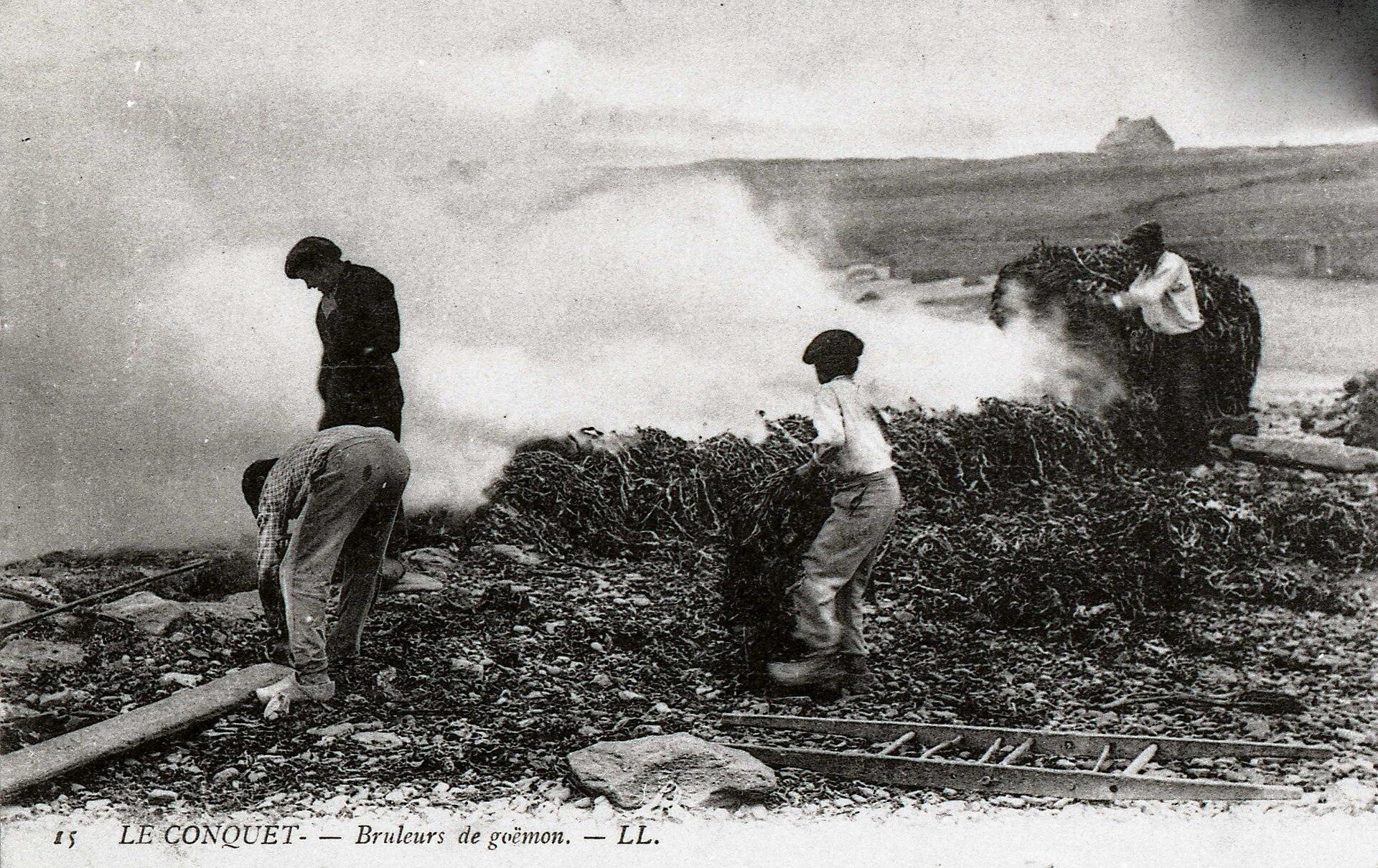
- Le Conquet grew as a strategic harbour of the Iroise Sea, and fishing long shaped the local economy.
- Merchants and shipowners built several granite mansions.
- Being close to Saint-Mathieu places Le Conquet in a major network of lighthouses.
Show 3 more pointsHide
- Island and coastal tourism now drives much of the local activity.
- Not to be missed: the harbour and quays, the Le Conquet ria, the Croaë footbridge, the old houses, the historic centre, the island ferry terminal, the view towards Kermorvan, Les Blancs Sablons beach.
- Recommended: watch the morning departures for Ouessant, walk the harbour before heading up to the centre, cross the Croaë footbridge, follow the ria, carry on to Kermorvan, combine the day with the Pointe Saint-Mathieu, take a boat to Molène or Ouessant if you have more time.
Practical information
- Getting there
- West of Brest. Car parks around the centre and the harbour. The heart of the village is explored on foot, with a few slopes
- Food
- Fish, seafood, crêpes and maritime cooking are everywhere
- Pets
- An easy outdoor walk; for boat crossings, check the ferry company’s rules
- Accessibility
- The harbour is generally accessible, but the streets of the centre and some ria paths have slopes and uneven ground
- With family
- Very pleasant with family, especially with the boats and the easy walks around the harbour
- Safety
- Slippery quays, tides and boat traffic to watch; for crossings, plan for the weather and the return times
- Best time
- All year. May to September for the crossings and long days. Winter for wilder moods
- Photography
- The harbour at sunrise and the ria at high tide are superb; the views from Kermorvan set the village in its landscape
- Nearby
- The Pointe Saint-Mathieu, the Kermorvan lighthouse, Les Blancs Sablons, Molène, Ouessant
Tips on the spot
- Arrive before 10 am in high season for fewer people; late afternoon is also calmer.
- Use the official car parks and finish on foot; on market days or big events, allow more time to park.
- Wear good shoes for cobbles, quays, paths and steps.
- Start at the tourist office or an interpretation trail if there is one; guided tours give a much richer reading of local history.
- Check the opening times of monuments and activities on the day; in winter, some close earlier.
Show 8 more tipsHide
- Take time for the side streets and small details.
- Respect the residents in the most photographed streets, and never block a private entrance for a photo.
- Have lunch early or late to find a table more easily in high season.
- In autumn, the low light and fewer visitors can be excellent.
- Allow 2 hours to half a day, a full day with Kermorvan or Saint-Mathieu.
- Arrive before 10 am in high season to enjoy the harbour with fewer people around.
- Check the tide: the ria and the Croaë footbridge look very different at high and low tide.
- On the quays, safety comes before the photo.
Frequently asked questions
How much time should I allow?
2 hours to half a day, a full day with Kermorvan or Saint-Mathieu.
Is the visit free?
Exploring outdoors is free. Some monuments, museums, tours and activities are paid.
What makes it special?
Discovering a real working harbour before setting off to the islands, then exploring the old streets and the ria in end-of-the-world light.
What is the atmosphere like?
Maritime, island-bound, authentic and luminous.
When is the best time to come?
All year. May to September for the crossings and long days. Winter for wilder moods.
What are the must-sees?
The harbour, the quays, the Le Conquet ria, the Croaë footbridge, the old houses, the historic centre, the island ferry terminal and the view towards Kermorvan.
Stay in Conquet
Places to stay that are still available, with current prices, compared across the main booking platforms.
Partner link: a booking made from this map may earn us a commission, at no extra cost to you.
Read in the journal
- ChristmasWhat to do in Finistère during the Christmas holidaysChristmas at Trévarez, the Quimper Christmas village, Locronan lit up, Océanopolis and wild headlands: our ideas for the 2026 Christmas holidays in Finistère.
- DepartmentWhat to do in FinistèreThe tip of Brittany, from the Pays des Abers to the Bay of Concarneau: lighthouses, coves and towns of character.
- SeasonWhat to do in Finistère during the All Saints’ holidaysThe Pointe du Raz, Océanopolis, the Huelgoat forest, spring tides and the legends of the Monts d’Arrée: our ideas for All Saints’ 2026 in Finistère.
Traveller reviews
Nobody has reviewed this place yet.
Photographs: Gzen92 · CC BY-SA 4.0 · Wikimedia Commons · Claude LACOURARIE · CC0 · Wikimedia Commons · Le Passant · CC BY-SA 4.0 · Wikimedia Commons · Rundvald · CC BY-SA 4.0 · Wikimedia Commons