Village
Batz-sur-Mer
Batz-sur-Mer · Loire-Atlantique
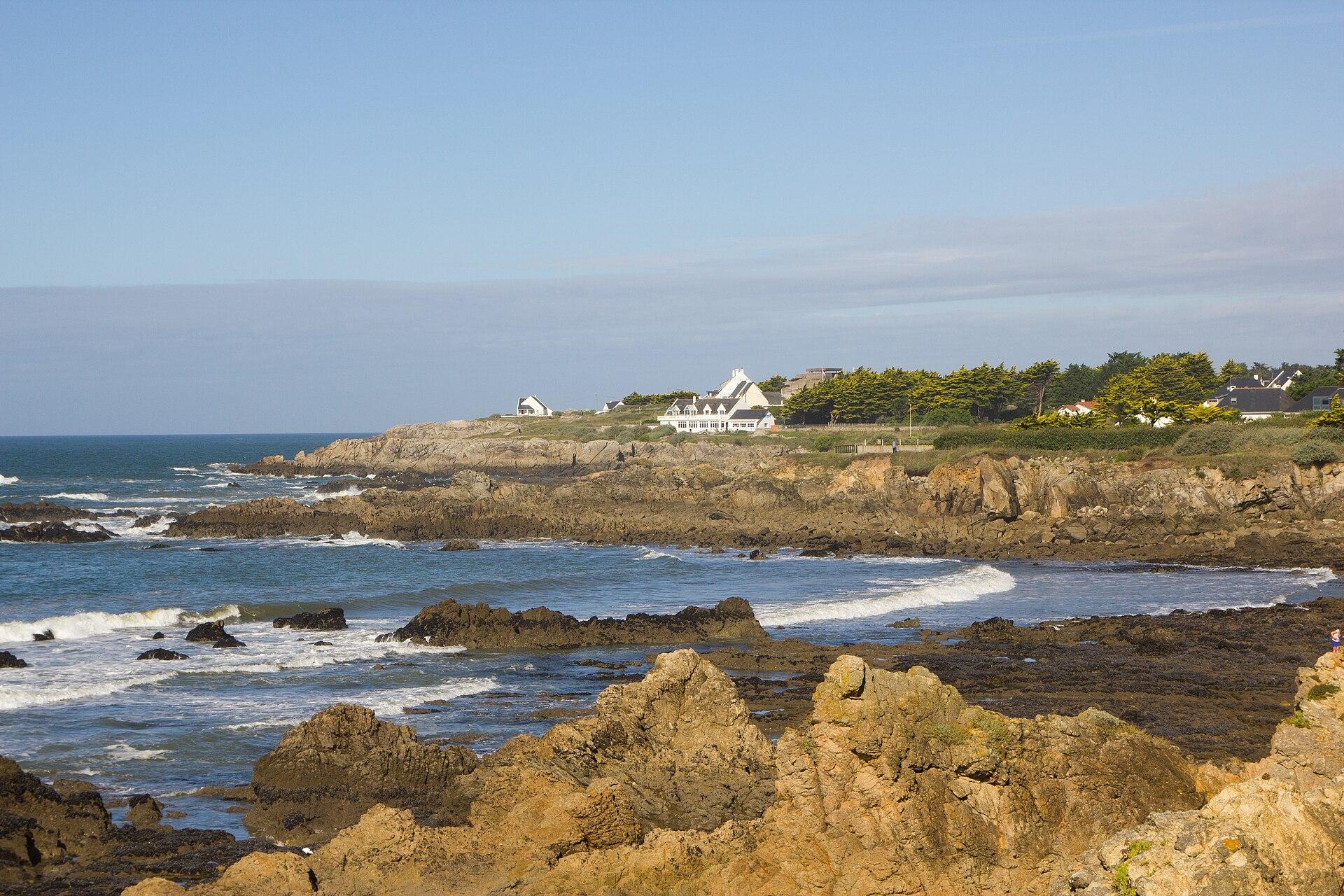
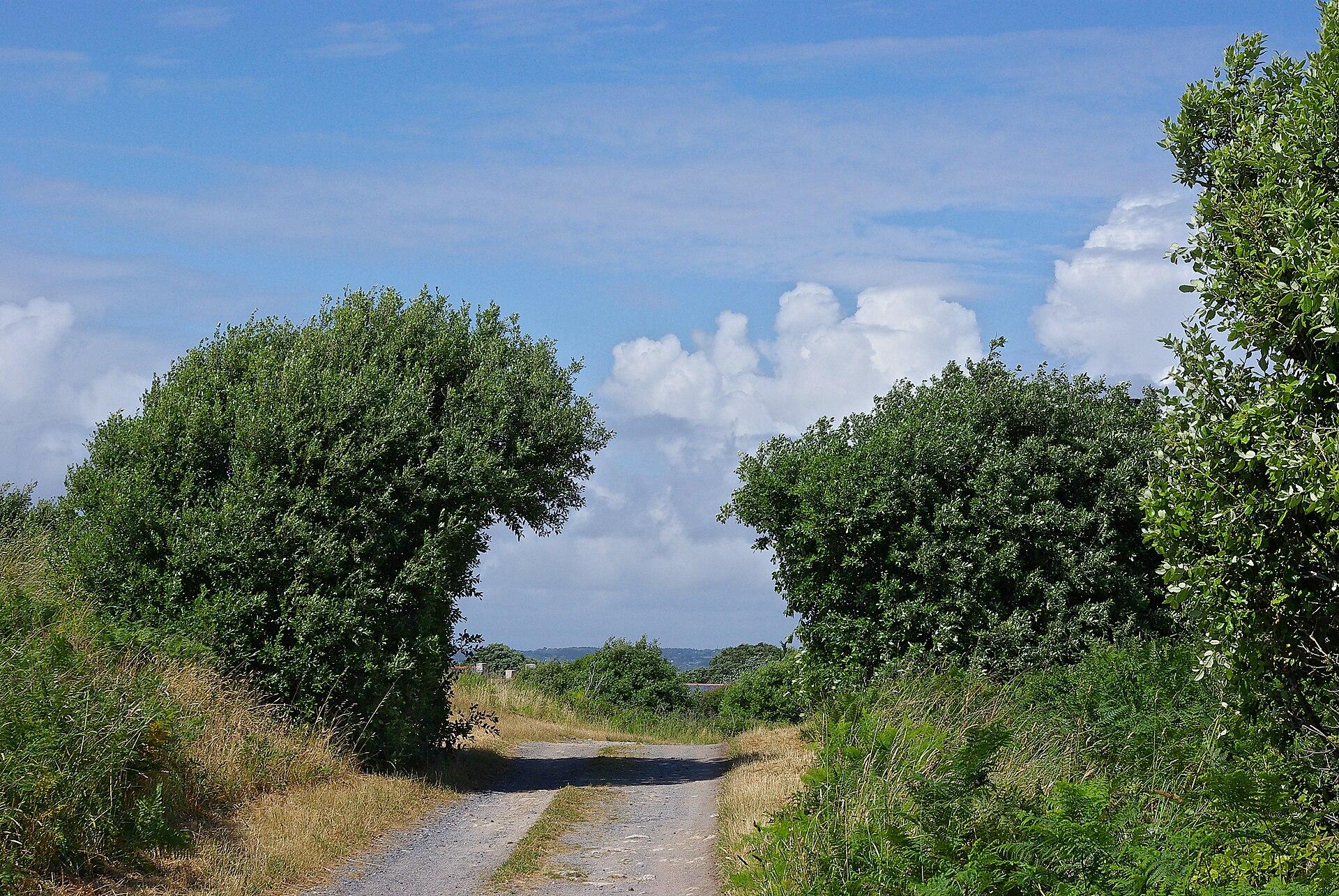
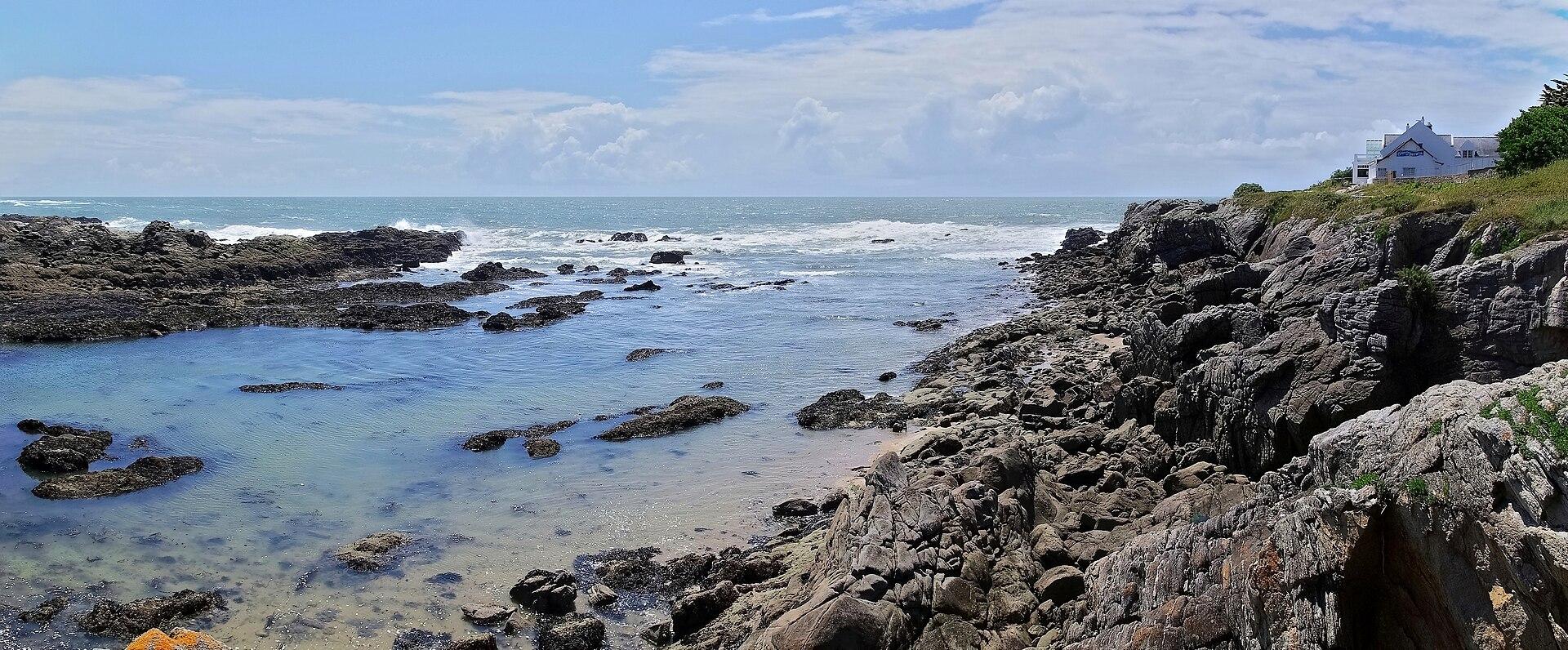
Between the wild coast and the Guérande salt marshes, Batz-sur-Mer combines granite lanes, salt workers’ villages, the Saint-Guénolé tower, beaches and salt culture.
- Suggested time
- At least half a day, ideally a full day to combine the centre, the marshes, the museum and the coast
- Type of place
- Petite Cité de Caractère between the ocean and the salt marshes
- Atmosphere
- Authentic, salty, maritime and heritage-rich
- Getting there
- On the Guérande peninsula between Le Croisic and Le Pouliguen. Access by road and rail. The centre is easy to visit on foot; the salt workers’ villages and the coast are best explored by bike.
Who this place suits
- With family
- 10/10
- As a couple
- 9/10
- With friends
- 9/10
- Solo
- 9/10
- With a dog
- 9/10
- Reduced mobility
- 7/10
These scores are calculated from what the page records: official rating, facilities, difficulty, duration and location. They are a guide, not a substitute for contacting the venue, especially about accessibility.
About
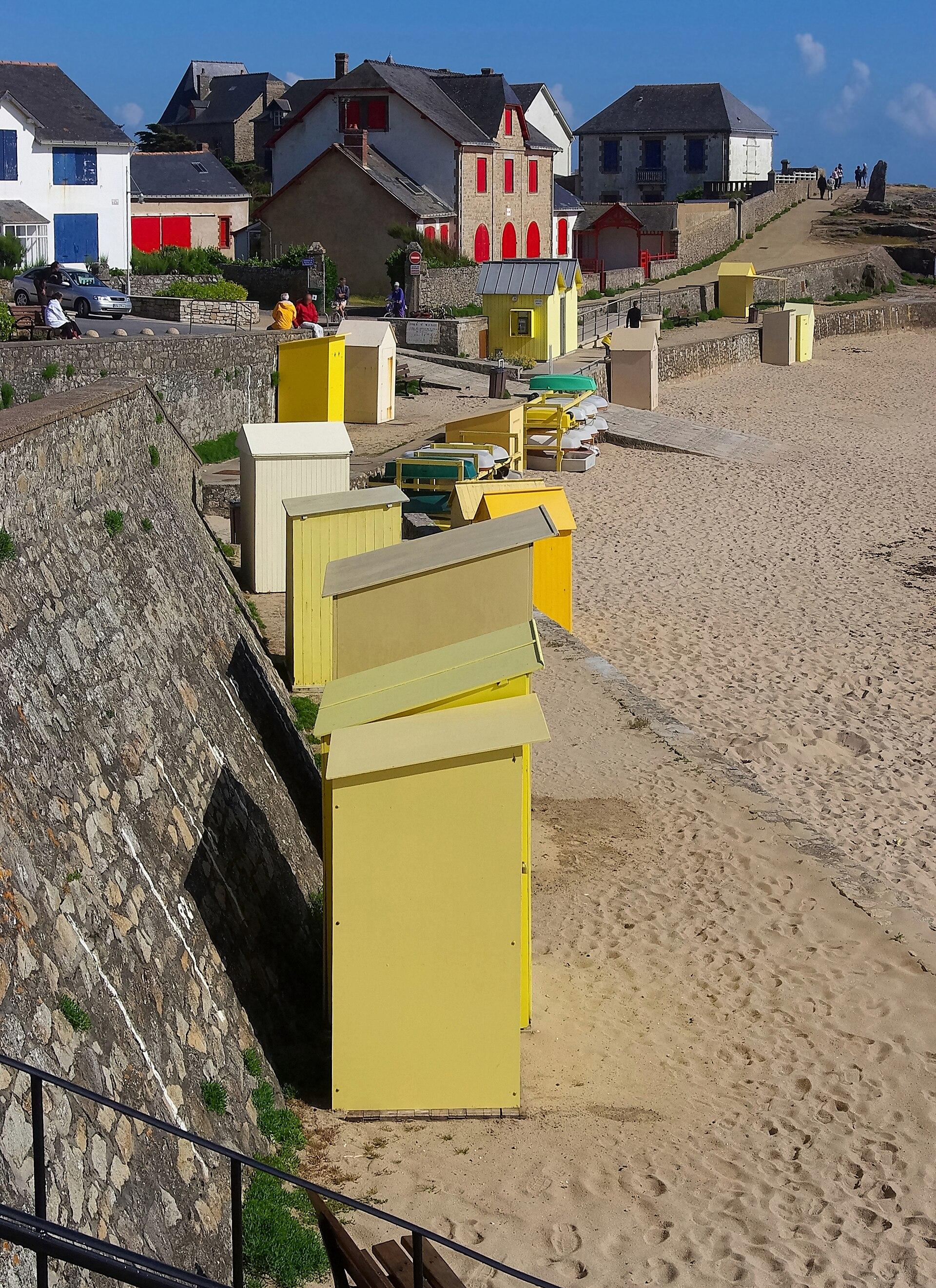
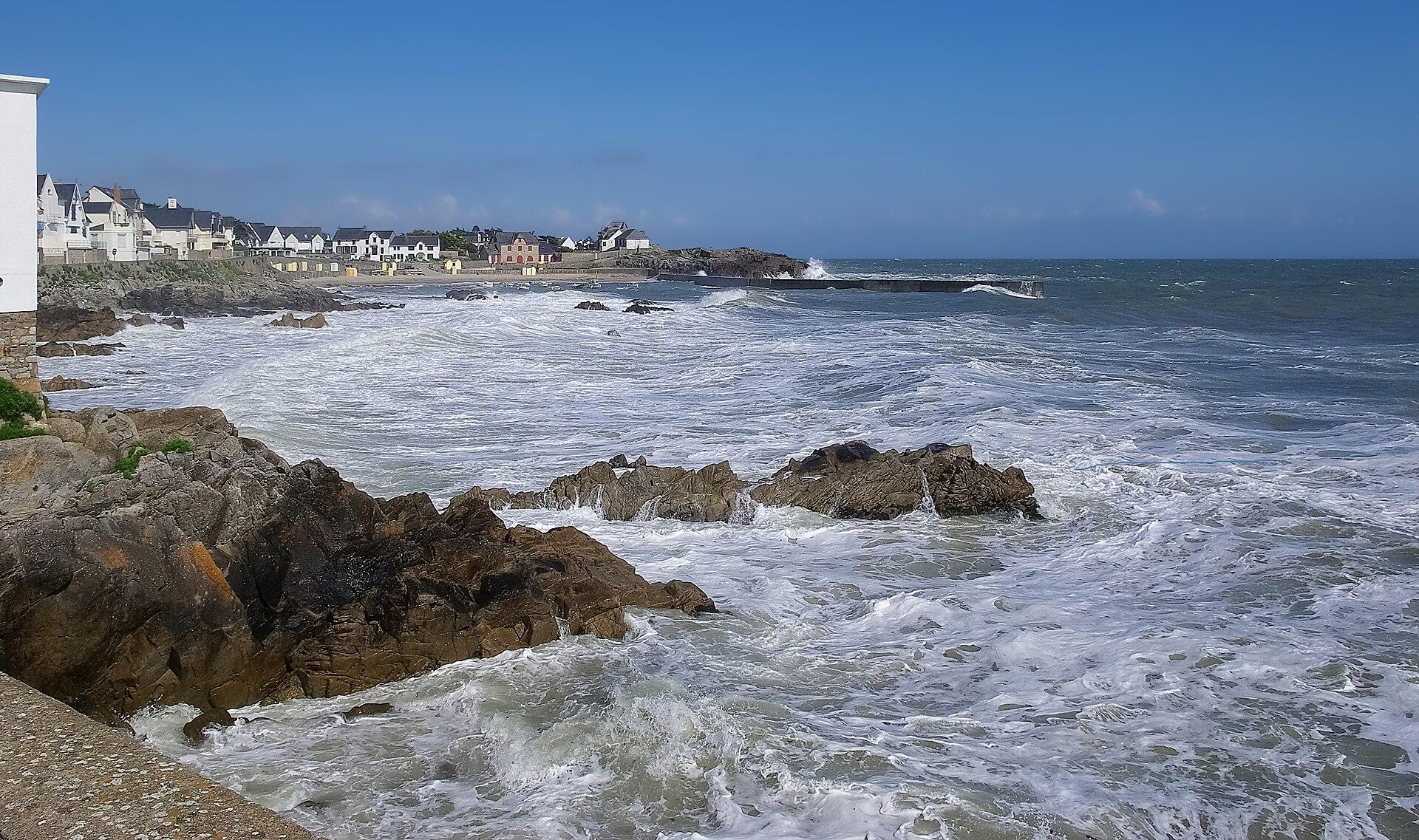
Batz-sur-Mer has an exceptional location between the Atlantic and the salt marshes. A Petite Cité de Caractère since 2014, the town is more than its centre: it forms a coherent whole of granite lanes, religious heritage, salt workers’ villages, beaches and landscapes shaped by salt. In the heart of the town, the Saint-Guénolé church towers over the peninsula. Its tower, nearly 70 metres high, is one of the great landmarks of the area and, when it is open, offers a remarkable view over the marshes, the wild coast and the Guérande peninsula. Nearby, the ruins of the Chapelle du Mûrier make a surprising sight right in the centre. The Moulin de la Falaise recalls the importance of wind and grain, while the Musée des Marais Salants explains the work of the salt workers and how the salt pans function. Around the town, Kervalet, Trégaté, Kermoisan and Roffiat have kept the typical architecture of salt workers’ villages. On the ocean side, Saint-Michel beach and its yellow beach huts have become an iconic image of the town. The Musée du Grand Blockhaus completes the visit with a very different view of the coast, focused on the Second World War. Batz-sur-Mer is an ideal village for moving from built heritage to wide open spaces in a few minutes.
What you will see
- Visits: the centre and villages are free to explore; museums and some monuments have set opening times.
- Saint-Guénolé tower: about 70 m high.
- Salt workers’ villages: Kervalet, Trégaté, Kermoisan and Roffiat.
- Museums: the Musée des Marais Salants and the Musée du Grand Blockhaus.
- Iconic beach: Saint-Michel beach and its yellow huts.
- The town’s growth is closely linked to salt production.
Show 7 more pointsHide
- The salt workers’ villages keep a traditional style of housing suited to life around the marshes.
- The ruins of the Chapelle Notre-Dame-du-Mûrier bear witness to an important religious past.
- The salt marshes are still a living, productive landscape.
- The Grand Blockhaus recalls the coast’s strategic importance during the Second World War.
- Local culture remains closely tied to coarse salt and fleur de sel.
- Not to be missed: the Saint-Guénolé church and its tower, the ruins of the Chapelle du Mûrier, the Musée des Marais Salants, the salt workers’ villages of Kervalet, Trégaté, Kermoisan and Roffiat, the Moulin de la Falaise, Saint-Michel beach and its yellow huts, the wild coast towards Le Croisic and the Musée du Grand Blockhaus.
- Recommended: start with the old centre and the church, climb the tower when it is open, visit the salt marsh museum before exploring the salt pans, cycle a loop through the salt workers’ villages, and join a guided tour of a salt pan.
Practical information
- Getting there
- On the Guérande peninsula between Le Croisic and Le Pouliguen. Access by road and rail. The centre is easy to visit on foot; the salt workers’ villages and the coast are best explored by bike
- Food
- Guérande salt and fleur de sel are the iconic products; also enjoy fish, seafood, galettes and produce from the peninsula
- Parking
- Parking in the town; car or bike for the salt workers’ villages and the coast
- Pets
- An easy walk in the town and villages. Check the seasonal rules on the beaches and stay on the authorised paths in the marshes
- Accessibility
- Parts of the centre are accessible, but the climb up the tower is not suitable for everyone. The museums have their own accessibility conditions
- With family
- A great village for a family day, with a museum, a tower, a beach, villages, marshes and the Grand Blockhaus
- Landscape
- Between the Atlantic Ocean and the Guérande salt marshes
- Label
- Petite Cité de Caractère since 2014
- Best time
- May to September for life in the marshes, visits and the beach. June and September are especially pleasant. The marshes are interesting all year, thanks to the changing light and the birdlife
- Photography
- The views from the Saint-Guénolé tower are the most spectacular for understanding the area. The marshes are magnificent late in the day, when the salt pans reflect the sky. The yellow huts of Saint-Michel, the ruins of the Mûrier and the houses of Kervalet are also very photogenic
Tips on the spot
- Arrive before 10 am in high season for fewer people; late afternoon is also calmer.
- Use the official car parks and finish on foot; on market days or big events, allow more time to park.
- Wear good shoes for cobbles, quays, paths and steps.
- Start at the tourist office or an interpretation trail if there is one; guided tours give a much richer reading of local history.
- Check the opening times of monuments and activities on the day; in winter, some close earlier.
Show 7 more tipsHide
- Take time for the side streets and small details.
- Respect the residents in the most photographed streets, and never block a private entrance for a photo.
- Have lunch early or late to find a table more easily in high season.
- In autumn, the low light and fewer visitors can be excellent.
- Allow at least half a day, ideally a full day to combine the centre, the marshes, the museum and the coast.
- Visit the Musée des Marais Salants before exploring the salt pans.
- End the day on the wild coast towards Le Croisic.
Frequently asked questions
How much time should I allow?
At least half a day, ideally a full day to combine the centre, the marshes, the museum and the coast.
Is the visit free?
Yes, exploring the village outdoors is free. Some museums, monuments, guided tours and activities may be paid.
What makes it special?
Discover in a single stop the heritage of a Petite Cité de Caractère, the salt workers’ culture, the Atlantic Ocean and the salt marsh landscapes.
What is the atmosphere like?
Authentic, salty, maritime and heritage-rich.
When is the best time to come?
May to September for life in the marshes, visits and the beach. June and September are especially pleasant. The marshes are interesting all year, thanks to the changing light and the birdlife.
What are the must-sees?
The Saint-Guénolé church, the Saint-Guénolé tower and its view, the ruins of the Chapelle du Mûrier, the Musée des Marais Salants and the salt workers’ villages of Kervalet, Trégaté, Kermoisan and Roffiat.
Stay in Batz-sur-Mer
Places to stay that are still available, with current prices, compared across the main booking platforms.
Partner link: a booking made from this map may earn us a commission, at no extra cost to you.
Read in the journal
- ChristmasWhat to do in Loire-Atlantique during the Christmas holidaysLe Voyage en hiver and the Nantes Christmas market, Guérande and the wild coast, Clisson and the Brière: our ideas for the 2026 Christmas holidays in Loire-Atlantique.
- Winter holidaysWhat to do in Loire-Atlantique during the February holidaysThe Château des ducs and the Machines de l’île in Nantes, Guérande, the wild coast of Le Croisic and spring tides in Pornic: our ideas for the February 2027 holidays.
- DepartmentWhat to do in Loire-AtlantiqueNantes, La Baule, the Guérande salt marshes: the department with the most places in our guide, between the Loire and the Atlantic.
Traveller reviews
Nobody has reviewed this place yet.
Photographs: Liberaler Humanist · CC BY-SA 3.0 · Wikimedia Commons · JLPC · CC BY-SA 3.0 · Wikimedia Commons