
Village
Huelgoat
Huelgoat · Finistère
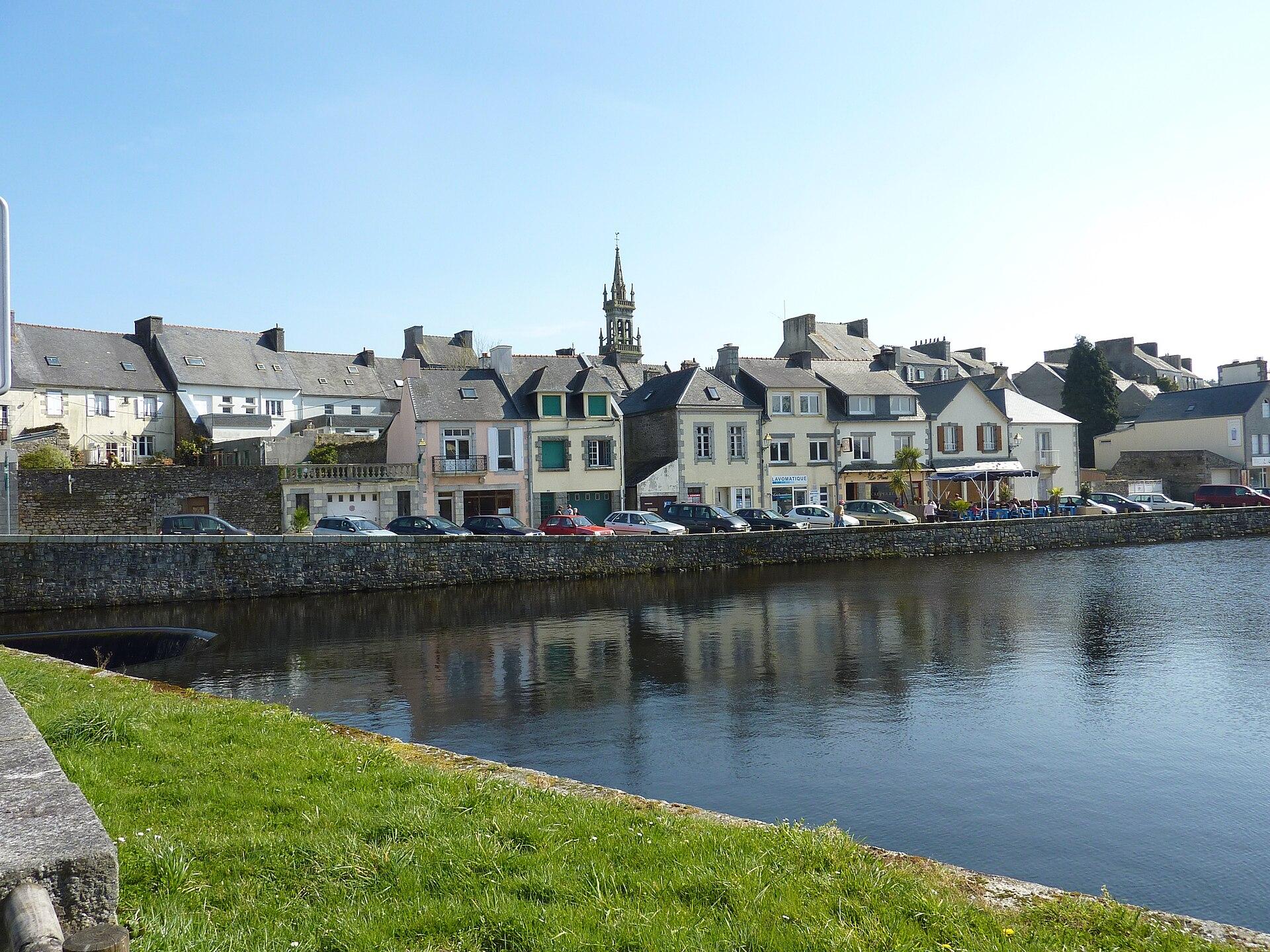
Huelgoat lies around a lake and a legendary forest where the Roche Tremblante, the Grotte du Diable, the Gouffre and a granite chaos form one of the most mysterious landscapes in Brittany.

- Suggested time
- Half a day minimum, ideally a full day to walk several loops
- Type of place
- Forest village and gateway to the granite chaos
- Atmosphere
- Legendary, forested, mineral and mysterious
- Getting there
- In the heart of the Monts d’Arrée. Parking in the village. The main paths into the forest start on foot from the lake and the Moulin du Chaos.
Who this place suits
- With family
- 10/10
- As a couple
- 10/10
- With friends
- 9/10
- Solo
- 10/10
- With a dog
- 10/10
- Reduced mobility
- 4/10
These scores are calculated from what the page records: official rating, facilities, difficulty, duration and location. They are a guide, not a substitute for contacting the venue, especially about accessibility.
About
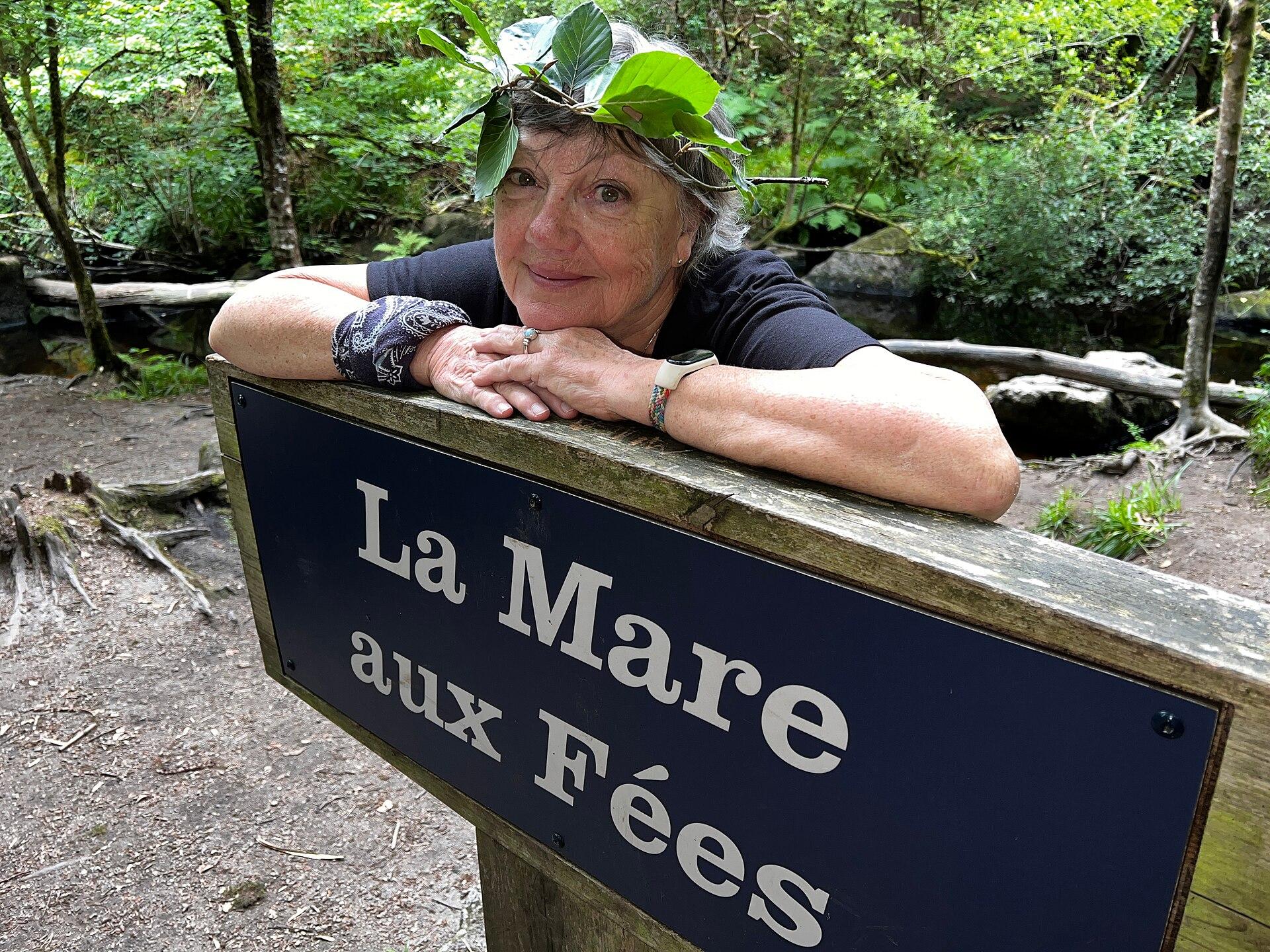
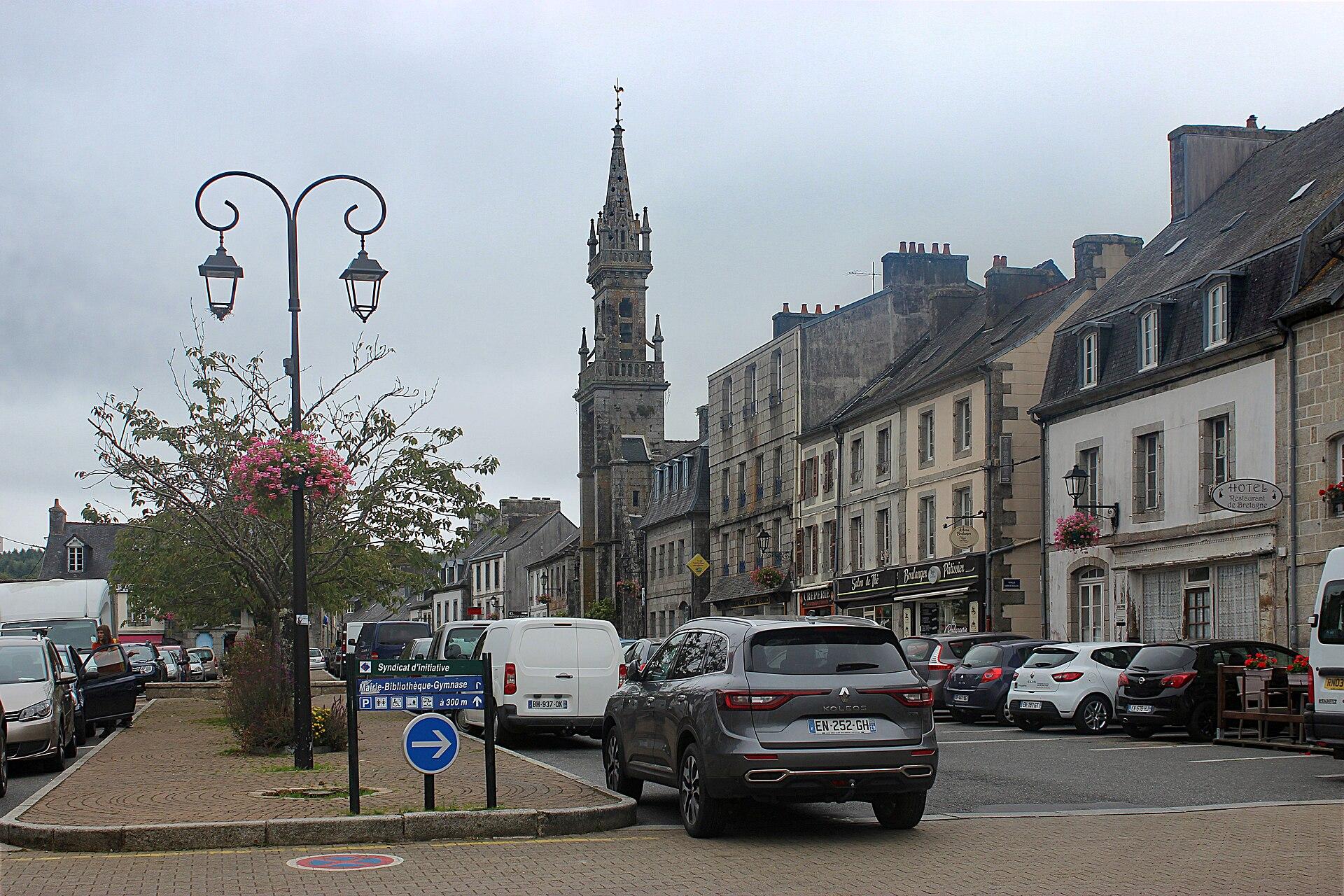
Huelgoat is one of the few Breton villages where the line between village centre and great natural site almost disappears. From the lake and the Moulin du Chaos, the paths plunge straight into a forest famous for its gigantic granite boulders. The Rivière d’Argent runs along part of the route and leads to sites with evocative names: Roche Tremblante (the trembling rock), Grotte du Diable (the Devil’s grotto), Grotte d’Artus, Mare aux Fées (the fairies’ pond), Champignon, Ménage de la Vierge or Gouffre. Geology explains these formations, but Arthurian and popular legends have largely shaped how people see them. Huelgoat is as much a hiking destination as a journey into Breton folklore. The village itself has shops, cafés and a view of the lake, so you can easily spend a whole day here.
What you will see
- The village and forest are freely accessible, subject to weather and works.
- Natural site: a granite chaos and forest.
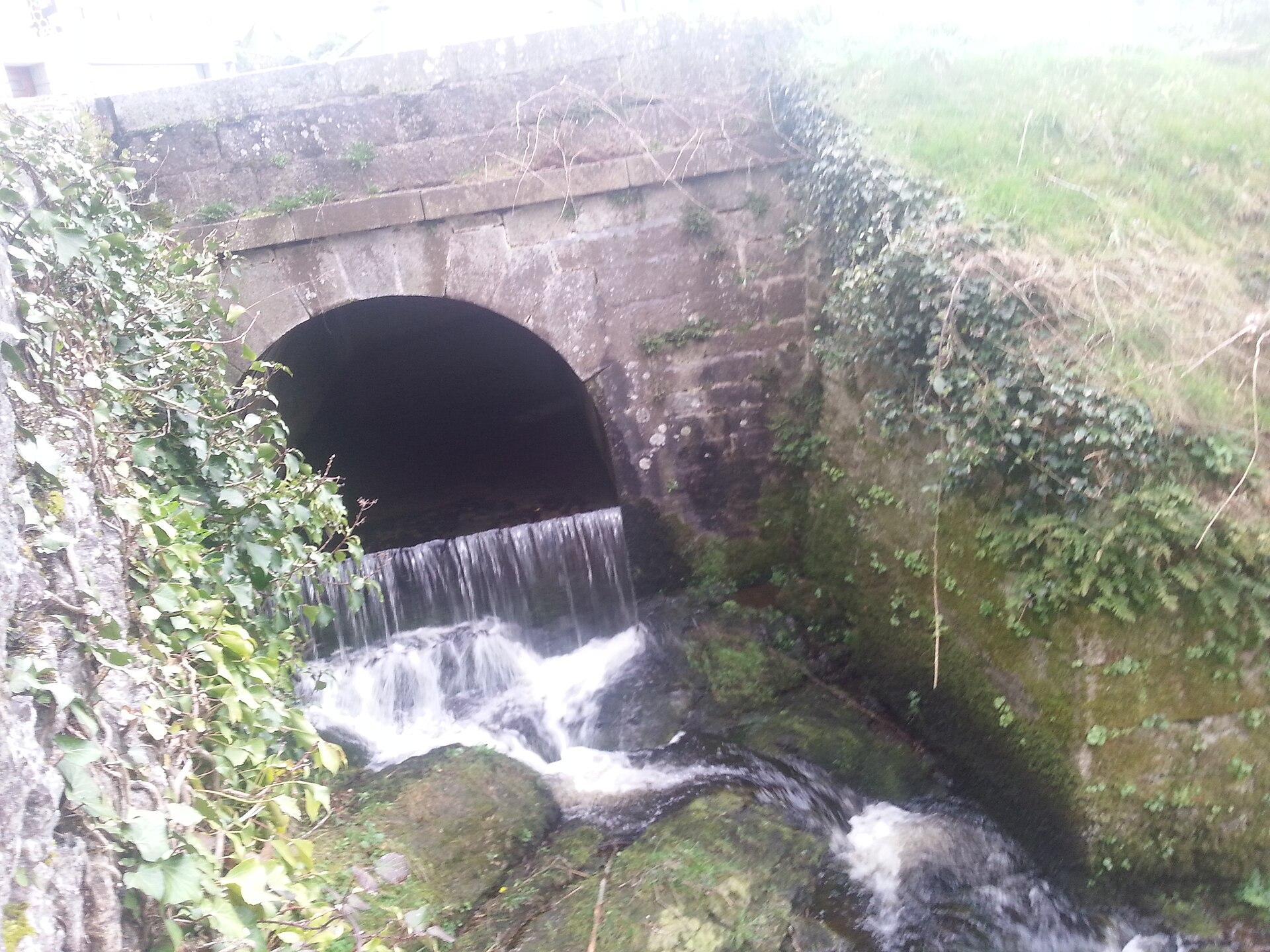
- River: the Rivière d’Argent.
- Iconic site: the Roche Tremblante.
- Other sites: the Grotte du Diable, the Grotte d’Artus, the Mare aux Fées, the Gouffre.
- Geology: granites formed deep underground, then exposed by erosion.
Show 5 more pointsHide
- Territory: the Monts d’Arrée.
- Arthurian legends have added to the site’s fame.
- The lake remains the village’s main landmark.
- Not to be missed: the lake of Huelgoat, the Moulin du Chaos, the granite chaos, the Roche Tremblante, the Grotte du Diable, the Grotte d’Artus, the Mare aux Fées, the Champignon, the Ménage de la Vierge, the Gouffre, the Rivière d’Argent.
- Recommended: walk around the lake before entering the forest, go down to the Moulin du Chaos, find the spot that makes the Roche Tremblante move, follow the trail to the Gouffre and read the legends of each rock.
Practical information
- Getting there
- In the heart of the Monts d’Arrée. Parking in the village. The main paths into the forest start on foot from the lake and the Moulin du Chaos
- Food
- Cafés, crêperies and restaurants in the village make for a real break between two loops
- Parking
- Access via the centre of Huelgoat; parking at the entrances to the village or near the quays, depending on the season
- Pets
- Very well suited to a walk with a dog on a lead, as long as it is under control on busy paths
- Accessibility
- The lake loop is more accessible than the rocky chaos; the main forest sites have natural steps, roots and slopes
- With family
- A very good family destination, but some sections require care and good shoes
- Safety
- Rocks and roots are very slippery in wet weather. Walking shoes recommended. Watch children near the Gouffre and in narrow passages
- Best time
- Spring and autumn for the colours; summer is busier. After rain, the forest is superb but the rocks are slippery
- Photography
- The best subjects are the moss-covered boulders, the woodland and the river; soft or misty light greatly adds to the atmosphere
- Nearby
- The Monts d’Arrée, Guerlesquin, Brennilis, the Mont Saint-Michel de Brasparts
Tips on the spot
- Arrive before 10 am in high season for fewer people; late afternoon is also calmer.
- Use the official car parks and finish on foot; on market days or big events, allow more time to park.
- Wear good shoes for cobbles, quays, paths and steps.
- Start at the tourist office or an interpretation trail if there is one; guided tours give a much richer reading of local history.
- Check the opening times of monuments and activities on the day; in winter, some close earlier.
Show 8 more tipsHide
- Take time for the side streets and small details.
- Respect the residents in the most photographed streets, and never block a private entrance for a photo.
- Have lunch early or late to find a table more easily in high season.
- In autumn, the low light and fewer visitors can be excellent.
- Allow half a day minimum, ideally a full day to walk several loops.
- Plan a second loop for the more distant areas.
- Picnic or have lunch in the village.
- Stay on the marked paths in the natural areas.
Frequently asked questions
How much time should I allow?
Half a day minimum, ideally a full day to walk several loops.
Is the visit free?
Exploring outdoors is free. Some monuments, museums, tours and activities are paid.
What makes it special?
Going from the village to the rocky chaos in a few minutes, then exploring a forest full of legends, rivers and monumental granite boulders.
What is the atmosphere like?
Legendary, forested, mineral and mysterious.
When is the best time to come?
Spring and autumn for the colours; summer is busier. After rain, the forest is superb but the rocks are slippery.
What are the must-sees?
The lake, the Moulin du Chaos, the Roche Tremblante, the Grotte du Diable, the Grotte d’Artus and the Gouffre.
Stay in Huelgoat
Places to stay that are still available, with current prices, compared across the main booking platforms.
Partner link: a booking made from this map may earn us a commission, at no extra cost to you.
Read in the journal
- ChristmasWhat to do in Finistère during the Christmas holidaysChristmas at Trévarez, the Quimper Christmas village, Locronan lit up, Océanopolis and wild headlands: our ideas for the 2026 Christmas holidays in Finistère.
- DepartmentWhat to do in FinistèreThe tip of Brittany, from the Pays des Abers to the Bay of Concarneau: lighthouses, coves and towns of character.
- SeasonWhat to do in Finistère during the All Saints’ holidaysThe Pointe du Raz, Océanopolis, the Huelgoat forest, spring tides and the legends of the Monts d’Arrée: our ideas for All Saints’ 2026 in Finistère.
Traveller reviews
Nobody has reviewed this place yet.
Photographs: GaMip · CC BY-SA 3.0 · Wikimedia Commons · Moreau.henri · CC BY-SA 3.0 · Wikimedia Commons · Jogd75 · CC BY-SA 4.0 · Wikimedia Commons · Freshokinesta · CC0 · Wikimedia Commons · Grenzlandstern · CC BY-SA 4.0 · Wikimedia Commons