Village
Bazouges-la-Pérouse
Bazouges-la-Pérouse · Ille-et-Vilaine
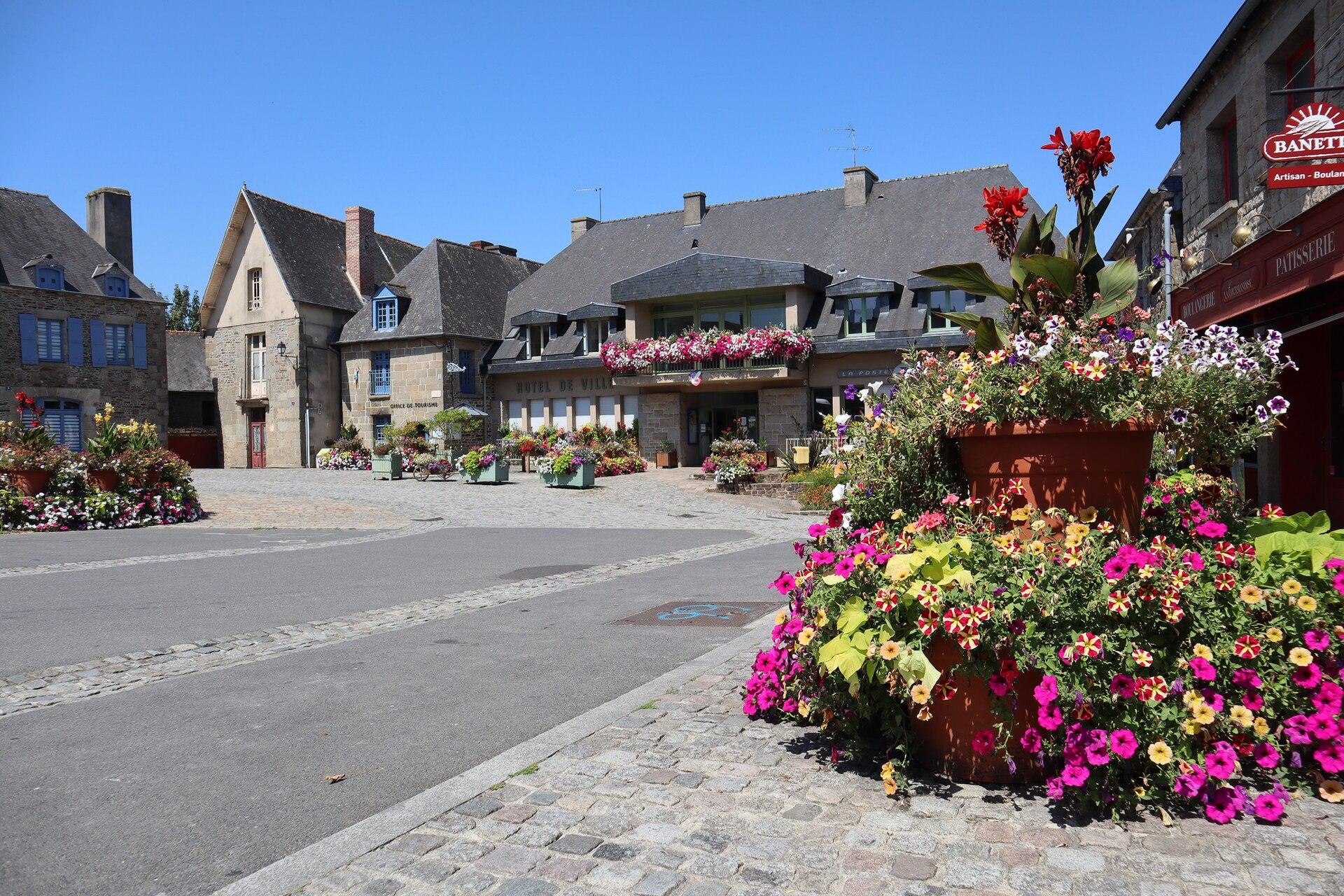
Between Fougères and Combourg, Bazouges-la-Pérouse blends medieval streets, granite houses, contemporary art, poetry and Upper Brittany traditions.
- Suggested time
- 2 hours to half a day in the village, a full day with the Villecartier forest or the Jardins de la Ballue
- Type of place
- Petite Cité de Caractère and artists’ village
- Atmosphere
- Medieval, artistic, peaceful and unusual
- Getting there
- Between Fougères, Combourg and Mont-Saint-Michel. Easy by road. The historic centre is explored on foot from the village car parks.
Who this place suits
- With family
- 10/10
- As a couple
- 9/10
- With friends
- 9/10
- Solo
- 9/10
- With a dog
- 9/10
- Reduced mobility
- 7/10
These scores are calculated from what the page records: official rating, facilities, difficulty, duration and location. They are a guide, not a substitute for contacting the venue, especially about accessibility.
About
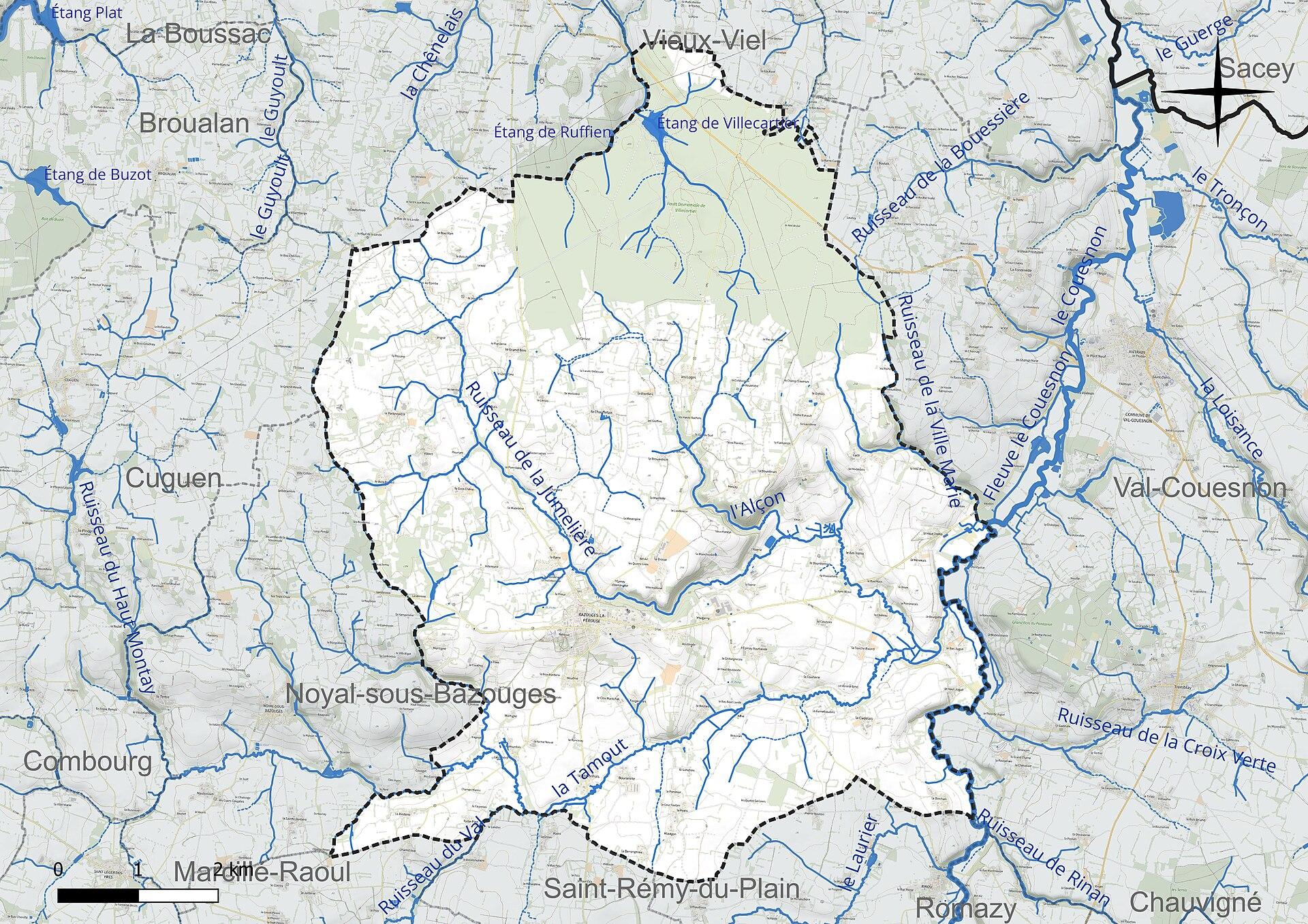
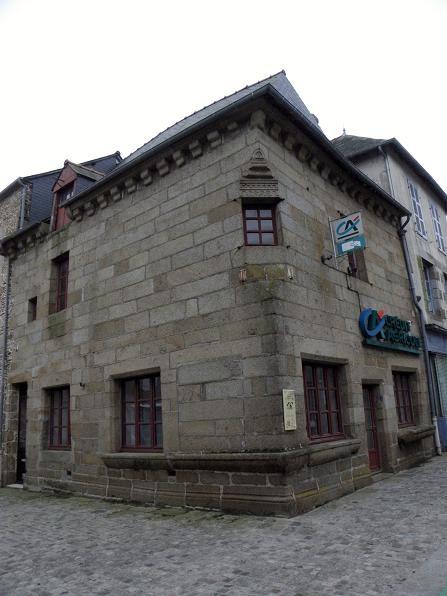
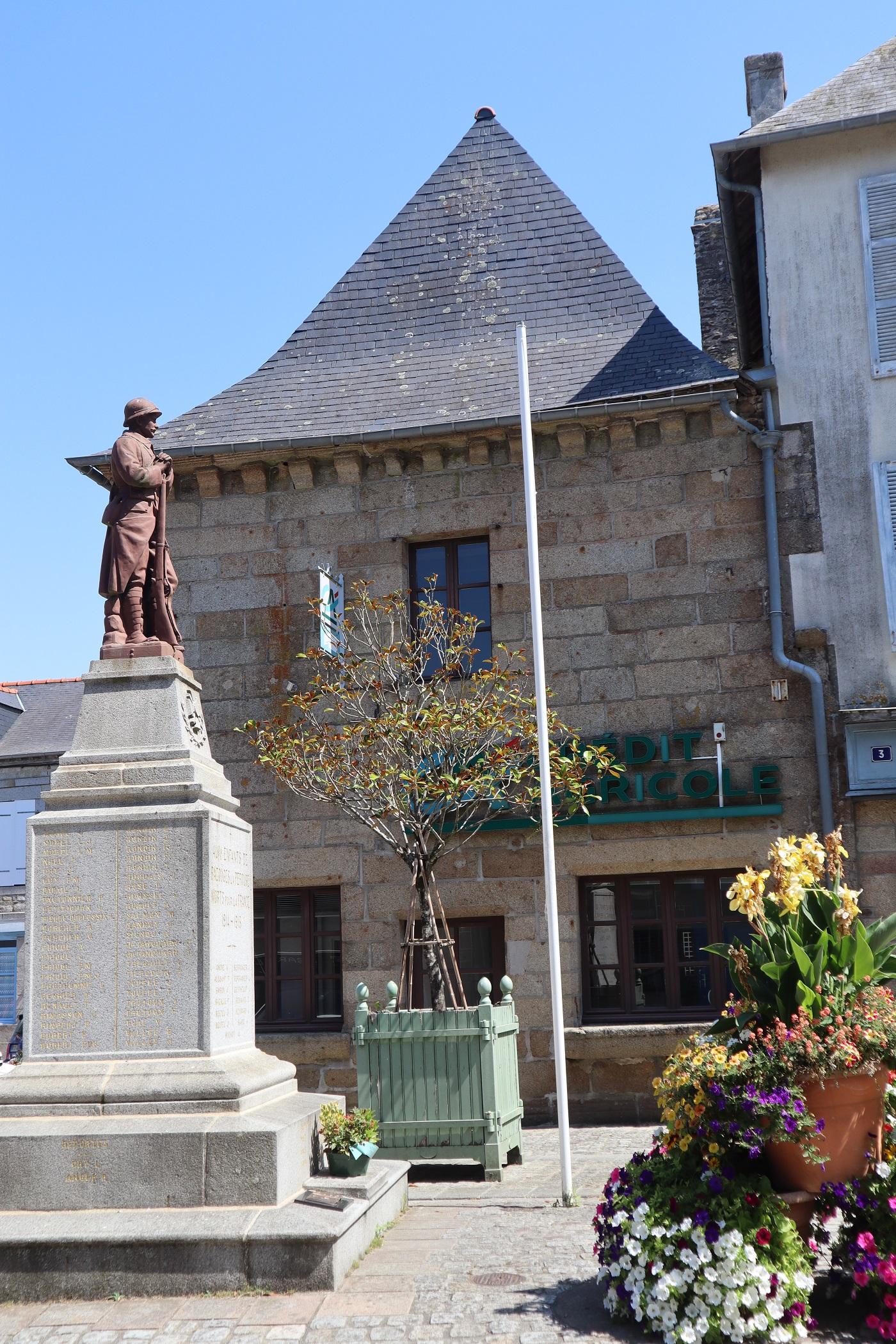
Bazouges-la-Pérouse surprises with the contrast between its very old heritage and the place contemporary art holds there today. This Petite Cité de Caractère, about 40 kilometres north of Rennes, overlooks the Couesnon valley and was once a border town linked to the barons of Fougères. In the early 16th century, it had more than 5,000 inhabitants and lived largely from trade and farming. The centre keeps many traces of this prosperity: the Manoir du Colombier, granite façades, the former house of the king’s prosecutor dated 1604, the Maison des Pendus with its strange carved heads, a merchant’s house on Rue de l’Église and the remains of the ramparts. The church of Saint-Pierre-et-Saint-Paul is striking, built from two adjoining churches transformed in the 19th century. But Bazouges is not frozen in its past. Since the 1990s, Le Village, a centre for artistic experimentation, has set up exhibitions, galleries and contemporary works in the streets and old shops. The poet Angèle Vannier remains a strong figure in local memory. For families, the trail of the alchemist artist is a loop of about 1 hour 30 with around twenty stops, and a treasure hunt offers a fun way to explore the town. Around the village, the Parc de Bellevue, the Jardins de la Ballue and the Villecartier forest turn the visit into a full day of heritage, art and nature.
What you will see
- Visits: the town is free to explore; galleries and tours follow their own calendar.
- Distance: about 40 km north of Rennes.
- Heritage trail: in the footsteps of the alchemist artist, about 1 hour 30 and around twenty stops.
- Contemporary art: Le Village, a centre for artistic experimentation, with three galleries and works in public spaces.
- Tradition: the Fête du Pommé, around the third weekend of October.
- Nature: the Villecartier forest, more than 1,000 hectares.
Show 13 more pointsHide
- The town grew as a border town on the edge of several territories.
- In the Middle Ages, it belonged to the barons of Fougères.
- In the early 16th century, Bazouges had more than 5,000 inhabitants.
- Ramparts were built or strengthened in the late 16th century during the Wars of Religion.
- The Manoir du Colombier reflects the presence of a local elite.
- The king’s prosecutor’s house keeps a remarkable corner window dated 1604.
- The Maison des Pendus takes its name from strange carved heads from the old church.
- The current church combines and transforms two earlier churches.
- Angèle Vannier, a blind poet, remains one of the great local cultural figures.
- Since 1994, contemporary artists have changed the relationship between heritage and creation.
- The pommé, made from apples and cider, is a strong Upper Brittany tradition.
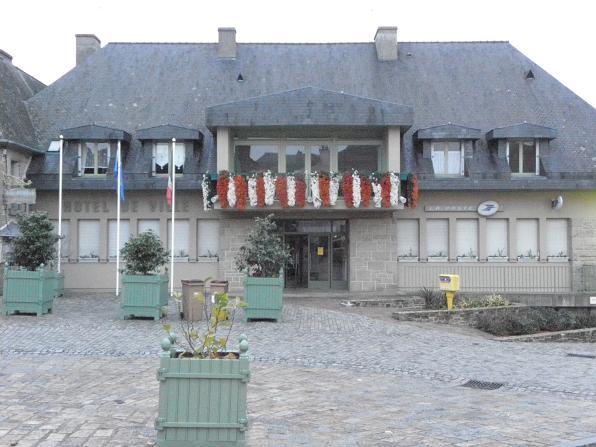
- Not to be missed: Place de la Mairie, the Manoir du Colombier, Rue de l’Église, the Maison de Sandrine, the Maison des Pendus, the king’s prosecutor’s house, the church of Saint-Pierre-et-Saint-Paul, the remains of the ramparts, the galleries of Le Village, the contemporary art trail, the Parc de Bellevue and the memory of Angèle Vannier.
- Recommended: follow the alchemist artist trail by spotting the studs in the ground, step into the galleries of Le Village, try the family treasure hunt, look out for sculptures in the streets, taste the pommé at local events, then head on to the Villecartier forest or the Jardins de la Ballue.
Practical information
- Getting there
- Between Fougères, Combourg and Mont-Saint-Michel. Easy by road. The historic centre is explored on foot from the village car parks
- Food
- The pommé is the most original heritage speciality; Upper Brittany produce, cider, galettes and farm products round off the visit
- Parking
- Parking in the village; a car is needed for La Ballue and Villecartier
- Pets
- An easy village to walk with a dog on a lead. Check the rules of the galleries and gardens
- Accessibility
- The old centre has cobbles and slopes. Galleries and facilities have varying levels of accessibility
- With family
- An excellent family destination, with the alchemist artist trail, the treasure hunt and the Villecartier leisure park nearby
- Label
- Petite Cité de Caractère
- Best time
- Spring and early autumn for walks. October is especially good for the pommé tradition and local events. Summer makes it easier to enjoy the galleries and activities
- Photography
- Rue de l’Église and Rue de la Motte offer striking views with the bell tower in perspective. The granite façades, old doors and contemporary works allow original framing, especially in low-angled light
Tips on the spot
- Arrive before 10 am in high season for fewer people; late afternoon is also calmer.
- Use the official car parks and finish on foot; on market days or big events, allow more time to park.
- Wear good shoes for cobbles, quays, paths and steps.
- Start at the tourist office or an interpretation trail if there is one; guided tours give a much richer reading of local history.
- Check the opening times of monuments and activities on the day; in winter, some close earlier.
Show 7 more tipsHide
- Take time for the side streets and small details.
- Respect the residents in the most photographed streets, and never block a private entrance for a photo.
- Have lunch early or late to find a table more easily in high season.
- In autumn, the low light and fewer visitors can be excellent.
- Allow 2 hours to half a day in the village, a full day with the Villecartier forest or the Jardins de la Ballue.
- Look for the studs in the ground to follow the alchemist artist trail.
- Come in October for the Fête du Pommé.
Frequently asked questions
How much time should I allow?
2 hours to half a day in the village, a full day with the Villecartier forest or the Jardins de la Ballue.
Is the visit free?
Yes, exploring the village outdoors is free. Some museums, monuments, guided tours or activities may be paid.
What makes it special?
Exploring a medieval town turned artists’ village, where old heritage, contemporary sculpture, gardens and forest naturally complement each other.
What is the atmosphere like?
Medieval, artistic, peaceful and unusual.
When is the best time to come?
Spring and early autumn for walks. October is especially good for the pommé tradition and local events. Summer makes it easier to enjoy the galleries and activities.
What are the must-sees?
Place de la Mairie, the Manoir du Colombier, Rue de l’Église, the Maison de Sandrine, the Maison des Pendus, the king’s prosecutor’s house, the church of Saint-Pierre-et-Saint-Paul and the remains of the ramparts.
Stay in Bazouges-la-Pérouse
Places to stay that are still available, with current prices, compared across the main booking platforms.
Partner link: a booking made from this map may earn us a commission, at no extra cost to you.
Read in the journal
- ChristmasWhat to do in Ille-et-Vilaine during the Christmas holidaysThe Rennes Christmas markets, Saint-Malo in winter, Cancale oysters, Vitré and Fougères: our ideas for the 2026 Christmas holidays in Ille-et-Vilaine.
- SeasonWhat to do in Ille-et-Vilaine during the All Saints’ holidaysThe Route du Rhum in Saint-Malo, Brocéliande for Samain, castles, the Lices market and Cancale oysters: our ideas for All Saints’ 2026 in Ille-et-Vilaine.
- RankingThe most beautiful beaches in Ille-et-VilaineThe Sillon and Bon-Secours in Saint-Malo, L’Écluse in Dinard, Longchamp, Saint-Briac and Cancale: the most beautiful beaches in Ille-et-Vilaine, on the Emerald Coast.
Traveller reviews
Nobody has reviewed this place yet.
Photographs: GO69 · CC BY-SA 4.0 · Wikimedia Commons · GO69 · Public domain · Wikimedia Commons · Roland45 · CC BY-SA 4.0 · Wikimedia Commons · GO69 · CC0 · Wikimedia Commons