
Village
Saint-Cado
Belz · Morbihan
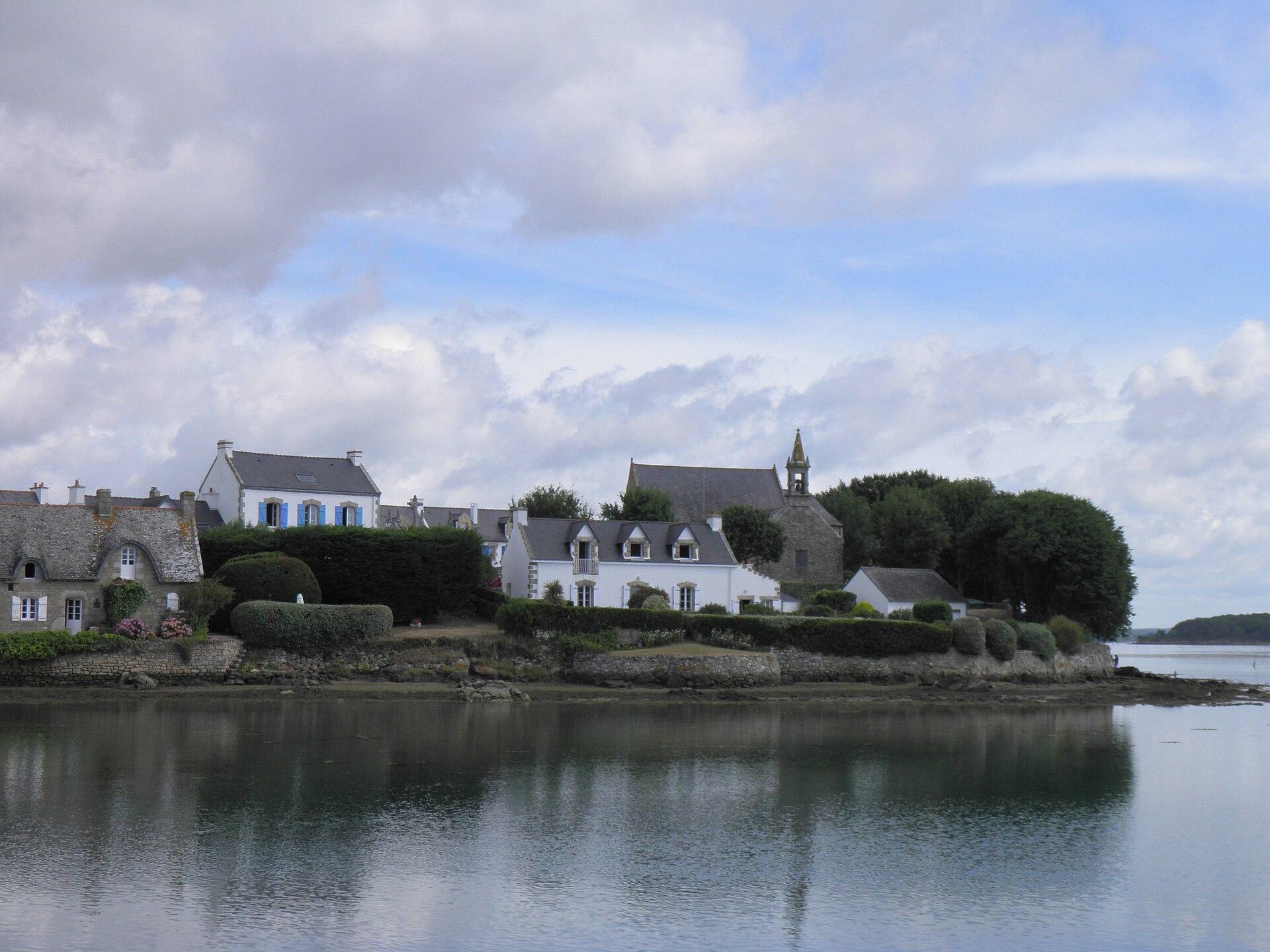
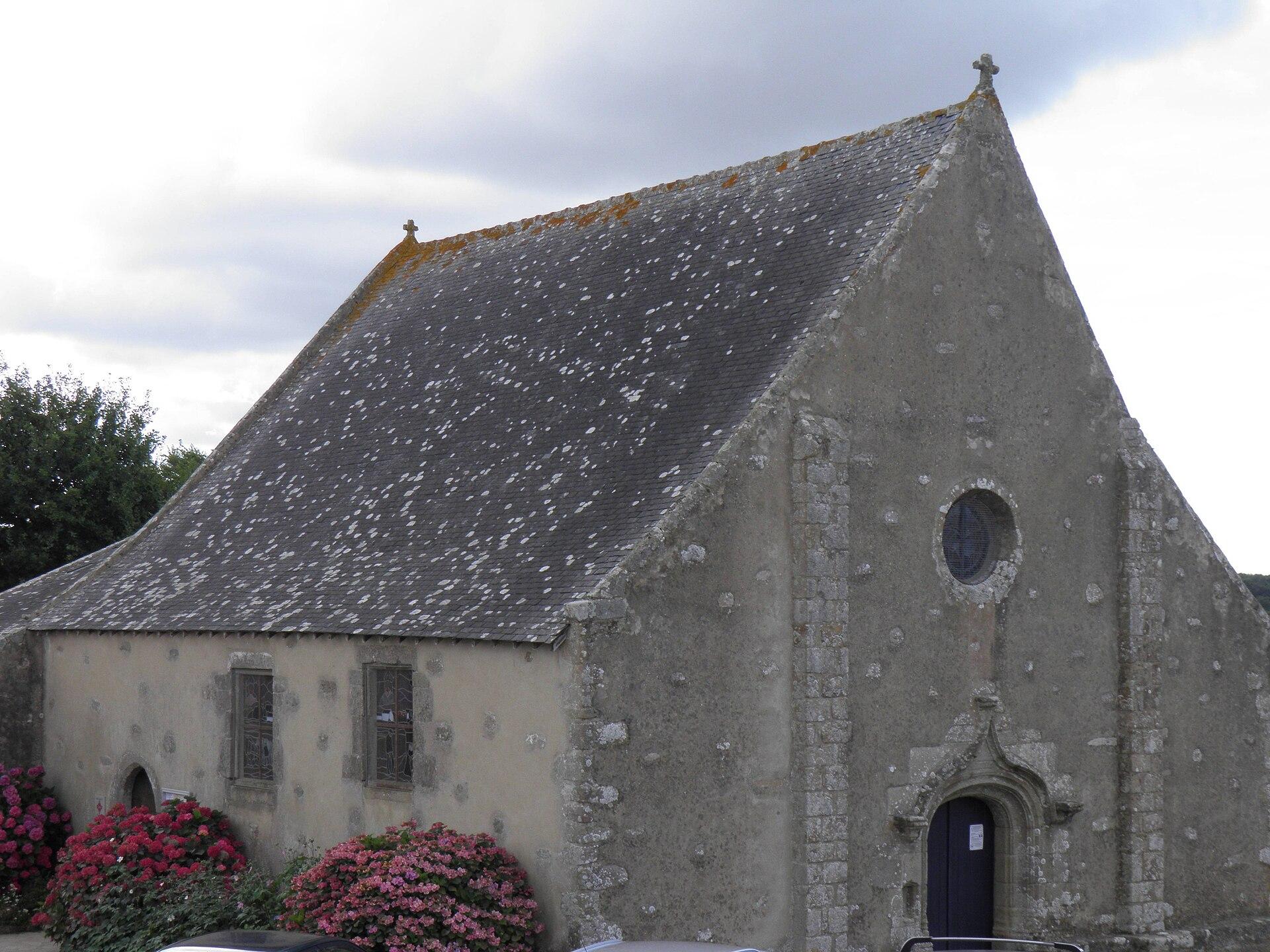
Linked to Belz by a little stone bridge, Saint-Cado brings together fishermen’s houses, a Romanesque chapel, a calvary and one of the most famous postcards in Morbihan: the Nichtarguer house with its blue shutters.
- Suggested time
- 1 to 2 hours on site, half a day with Belz, Port Niscop or Étel
- Type of place
- Islet village and heritage site of the Ria d’Étel
- Atmosphere
- Poetic, island, peaceful and photogenic
- Getting there
- Saint-Cado is in Belz, on the shore of the Ria d’Étel. Park on the bank, then walk across the stone bridge. The loop around the islet is done on foot.
Who this place suits
- With family
- 10/10
- As a couple
- 10/10
- With friends
- 9/10
- Solo
- 10/10
- With a dog
- 8/10
- Reduced mobility
- 6/10
These scores are calculated from what the page records: official rating, facilities, difficulty, duration and location. They are a guide, not a substitute for contacting the venue, especially about accessibility.
About
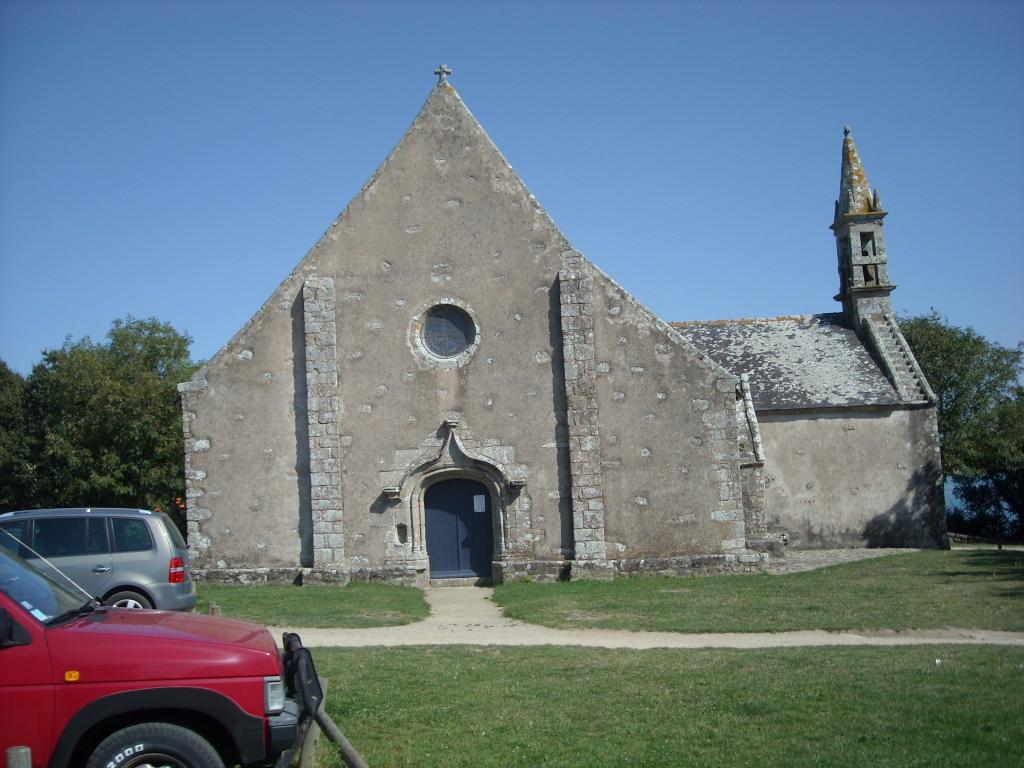
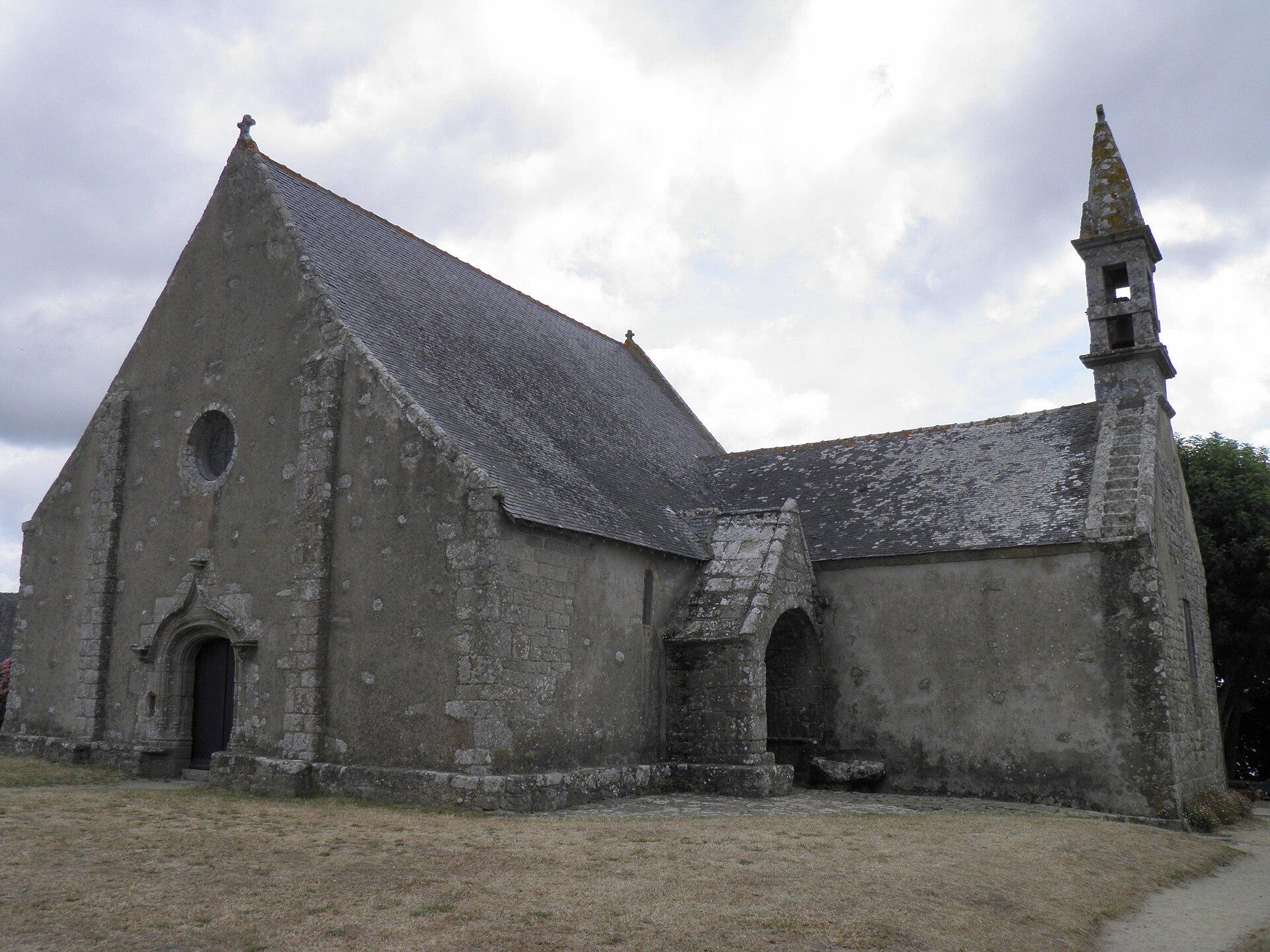
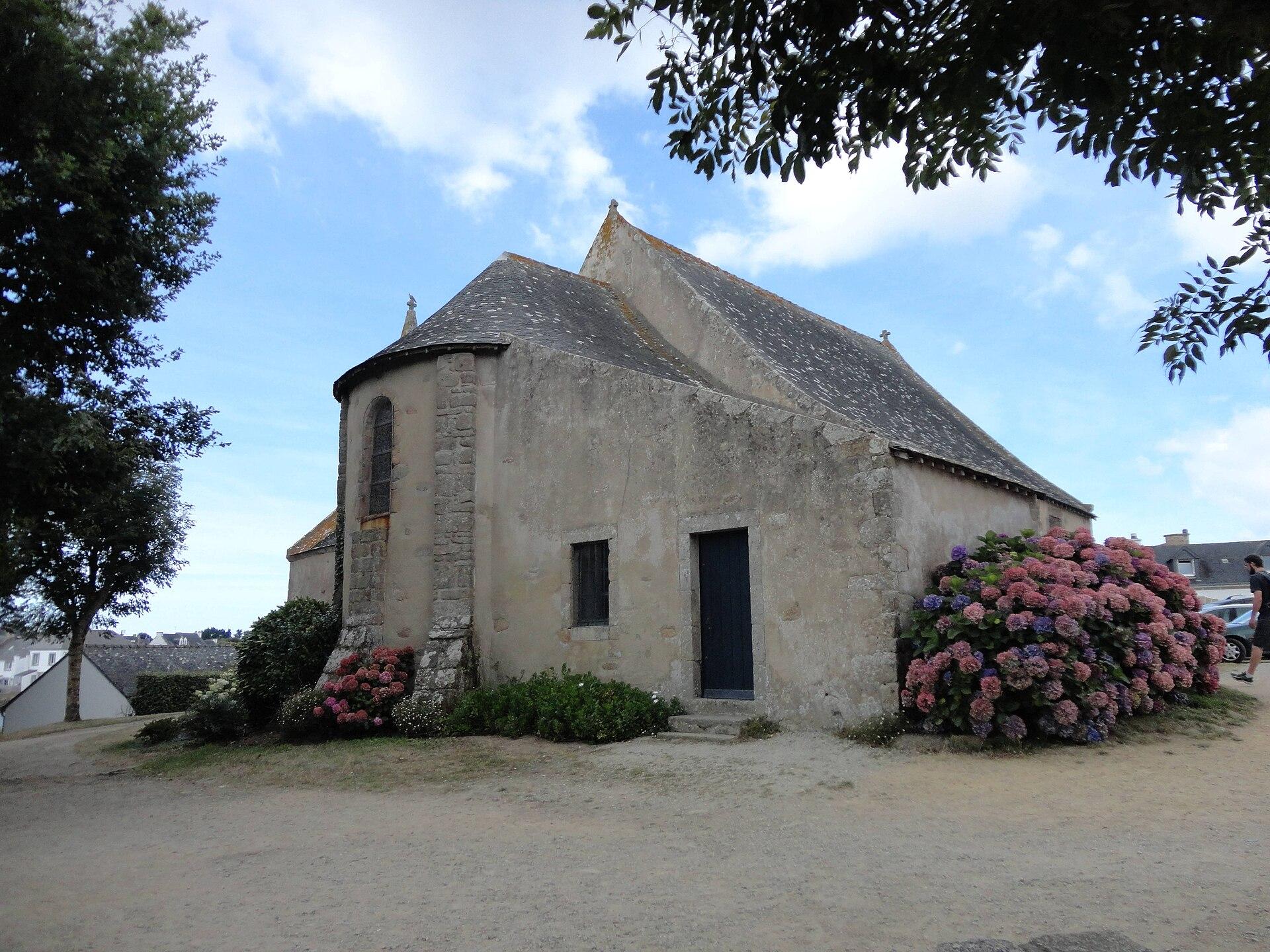
Within a few hundred metres, Saint-Cado gathers everything people come looking for in a small Breton village: a spectacular arrival on the water, a stone bridge, fishermen’s houses, an old chapel, a fountain, a calvary and a light that changes with the tide. The islet is linked to the village of Belz by a little bridge and lies in the heart of the Ria d’Étel. Even before crossing the bridge, your eye is drawn to the Nichtarguer house, a small oyster-bed keeper’s house standing alone on a rocky islet and recognisable by its blue shutters. It has become one of the most widely shared images of Morbihan. Yet Saint-Cado has far more than a single photo spot. Its chapel, the oldest religious building in Belz, grew out of a former hermitage and keeps a Romanesque plan. It was built in the 12th century by the monks of the abbey of Sainte-Croix in Quimperlé and contains a carved wooden gallery, statues, banners and model boats. Below, the fountain and the calvary complete the ensemble. In the early 20th century, Saint-Cado was linked to the sardine industry and the area was among the ria’s important ports. Today, the experience is more contemplative: walking round the islet, watching the colours of the ria change, waiting for the water level to transform the landscape and coming back to the same spot a few hours later. In summer, the chapel opens every day from 10 am to 7 pm (in 2026, from 3 July to 21 September).
What you will see
- Freely accessible islet; the chapel opens according to a calendar, every day in summer.
- Setting: the Ria d’Étel.
- Chapel: a 12th-century Romanesque building erected by the monks of Sainte-Croix in Quimperlé, which still keeps its Romanesque plan and features.
- The Nichtarguer house: a former oyster-bed keeper’s house, home to the keeper and his family, now uninhabited.
- Tradition links the island to Saint Cado, a monk from Wales, and a hermitage is said to have preceded the present chapel.
- The furnishings include statues, banners, a carved gallery and model boats; the calvary and the fountain form a coherent heritage ensemble with the chapel.
Show 4 more pointsHide
- In the early 20th century, Saint-Cado took part in the major sardine industry of the Ria d’Étel; oyster farming remains a key feature of the surrounding landscape.
- The changing tides constantly transform the way the site looks.
- Not to be missed: the Nichtarguer house and the reflections of its blue shutters, the stone bridge, the Saint-Cado chapel, the calvary, the fountain, the fishermen’s houses, the loop around the islet, the view over the Ria d’Étel, the oyster beds, the little quays and slipways.
- Recommended: photograph Nichtarguer before crossing the bridge, walk slowly all the way round the islet, go into the chapel when it is open, walk down to the fountain, come back at another state of the tide to compare the landscape, continue to Port Niscop at the foot of the Pont-Lorois, taste oysters from the ria, and combine the visit with Étel and the Magouër boat graveyard.
Practical information
- Getting there
- Saint-Cado is in Belz, on the shore of the Ria d’Étel. Park on the bank, then walk across the stone bridge. The loop around the islet is done on foot
- Food
- The Ria d’Étel is renowned for its oysters. Tasting oysters or seafood is the most natural complement to the visit
- Parking
- At the entrance to the site; the islet is explored entirely on foot
- Pets
- Walking outdoors is generally fine with a dog on a lead. Check the rules for entering the chapel
- Accessibility
- The bridge and some areas are fairly easy, but the paths around the islet can be uneven. Check conditions for your needs
- With family
- An excellent family site for a short walk. The bridge, the isolated house and the chapel quickly give children things to look at
- Safety
- The site is generally easy, but slipways, rocks and the edges of the ria can be slippery. Do not let children run along the water’s edge
- Best time
- Very early in the morning or late in the day for the light and the calm. Check the tide if your main aim is to photograph Nichtarguer with its reflection
- Photography
- The classic viewpoint of Nichtarguer is from the Belz shore before the bridge. A high enough tide gives the finest reflections. Sunrise and calm morning light also mean fewer people
- Nearby
- Belz, Port Niscop, Pont-Lorois, Étel
Tips on the spot
- Arrive before 10 am in high season for fewer people; late afternoon is also calmer.
- Use the official car parks and finish on foot; on market days or big events, allow more time to park.
- Wear good shoes for cobbles, quays, paths and steps.
- Start at the tourist office or an interpretation trail if there is one; guided tours give a much richer reading of local history.
- Check the opening times of monuments and activities on the day; in winter, some close earlier.
Show 7 more tipsHide
- Take time for the side streets and small details.
- Respect the residents in the most photographed streets, and never block a private entrance for a photo.
- Have lunch early or late to find a table more easily in high season.
- In autumn, the low light and fewer visitors can be excellent.
- Allow 1 to 2 hours on site, half a day with Belz, Port Niscop or Étel, so the visit is more than a few photos.
- Stay after 5 pm, when day visitors start to leave, for a more authentic visit.
- If you have a full day, add Pont-Lorois.
Frequently asked questions
How much time should I allow?
1 to 2 hours on site, half a day with Belz, Port Niscop or Étel.
Is the village free to visit?
Yes, exploring the village outdoors is free. Some museums, monuments, guided tours or activities may be paid.
What makes it special?
Walking across to a tiny island village, photographing the famous Nichtarguer house and discovering the Ria d’Étel to the rhythm of the tide.
What is the atmosphere like?
Poetic, island, peaceful and photogenic.
When is the best time to come?
Very early in the morning or late in the day for the light and the calm. Check the tide if your main aim is to photograph Nichtarguer with its reflection.
What are the must-sees?
The Nichtarguer house, the stone bridge, the Saint-Cado chapel, the calvary, the Saint-Cado fountain, the fishermen’s houses, the loop around the islet and the view over the Ria d’Étel.
Stay in Belz
Places to stay that are still available, with current prices, compared across the main booking platforms.
Partner link: a booking made from this map may earn us a commission, at no extra cost to you.
Read in the journal
- ChristmasWhat to do in Morbihan during the Christmas holidaysChristmas in Vannes, the Pont-Scorff light trail, Rochefort-en-Terre lit up and Carnac in winter: our ideas for the 2026 Christmas holidays in Morbihan.
- DepartmentWhat to do in MorbihanThe Gulf, the Carnac alignments and the Quiberon peninsula: the gentlest Brittany, and the oldest.
- SeasonWhat to do in Morbihan during the All Saints’ holidaysThe Carnac alignments open to walk among, the Gulf of Morbihan, castles, the wild coast and Lorient: our ideas for All Saints’ 2026 in Morbihan.
Traveller reviews
Nobody has reviewed this place yet.
Photographs: Gzen92 · CC BY-SA 4.0 · Wikimedia Commons · Yodaspirine · CC BY-SA 3.0 · Wikimedia Commons