Accessibility
Visiting Brittany in a wheelchair
The places that are really accessible, the Tourisme et Handicap label, beach wheelchairs: what exists and what is missing.
6 min read
Brittany is not easy terrain: the coast is reached by steps cut into the rock, the villages have sloping, cobbled lanes, and the monuments predate the very idea of accessibility. That is the truth, and a guide that claimed otherwise would help nobody.
But part of the region has been adapted, sometimes very well, and it is often the part you would not suspect: the 19th century seaside resorts, built with promenades and sea walls, are the most wheelchair friendly in the whole region.
What our guide’s score says
Every place has a score out of ten for this criterion, calculated from what its listing states: facilities reported, how the site is laid out, the type of ground, and whether there is a car park. Three hundred and ninety two places reach 7 out of 10, in a hundred and sixty eight municipalities.
This score is a guide; it does not replace a phone call. A place may have a ramp and adapted toilets and still be at the end of a three hundred metre dirt track. The phone remains the only reliable information.
The highest rated places
- RestaurantAnne de BretagneLa Plaine-sur-Mer · 2 h 30 to 3 h 45In La Plaine-sur-Mer, Mathieu Guibert’s two-star restaurant celebrates the sea and the Pays de Retz, facing the port of La Gravette, in a house open to the horizon.
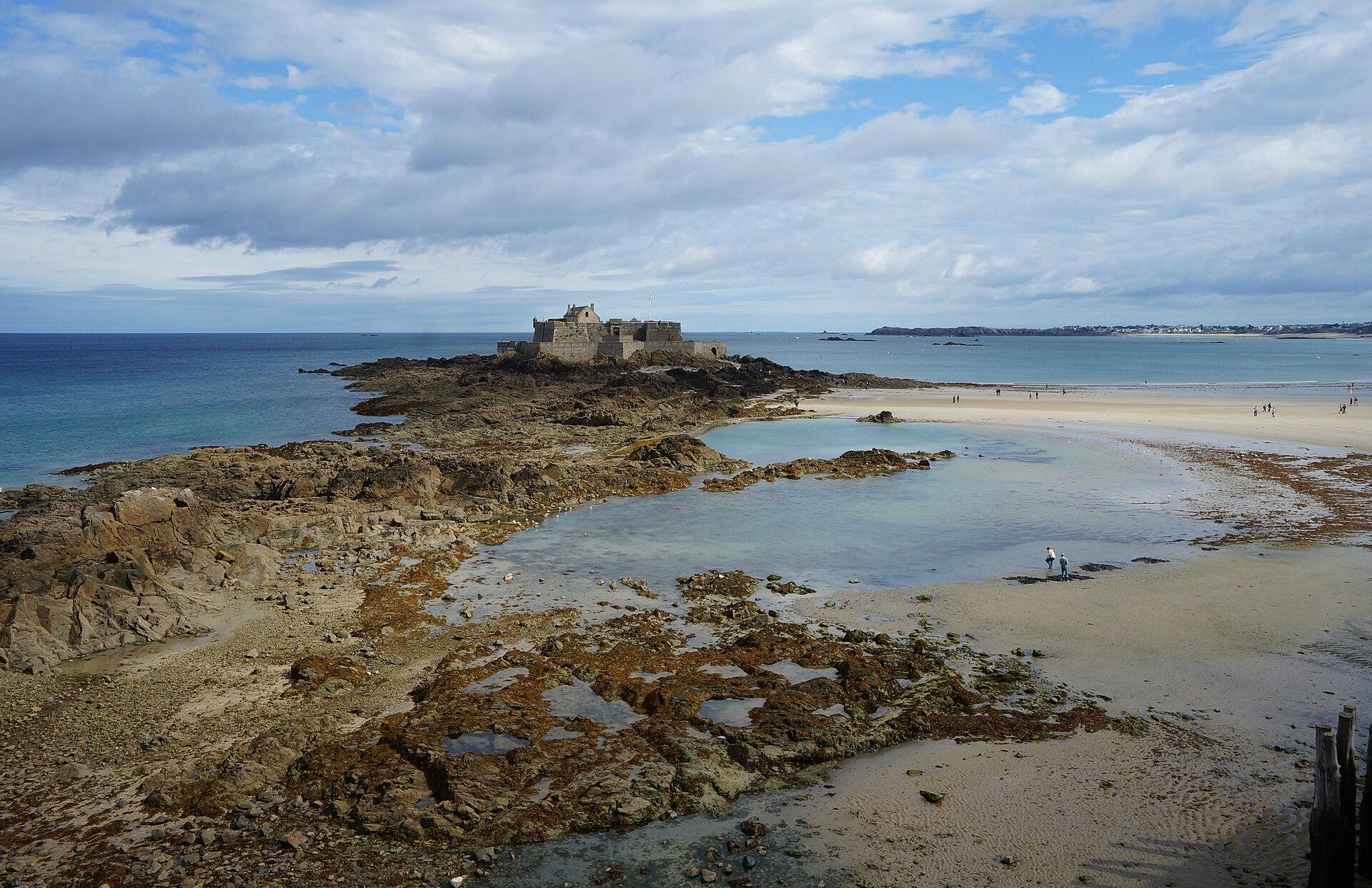 BeachSillon BeachSaint-Malo · 3 hours to a full dayIn Saint-Malo, the Sillon stretches nearly 3 km of sand between Intra-Muros and Paramé, with a historic sea wall, breakwaters, lifeguarded swimming, restaurants, a shower, drinking water, a kids’ club and two Hippocampe beach wheelchairs in summer.
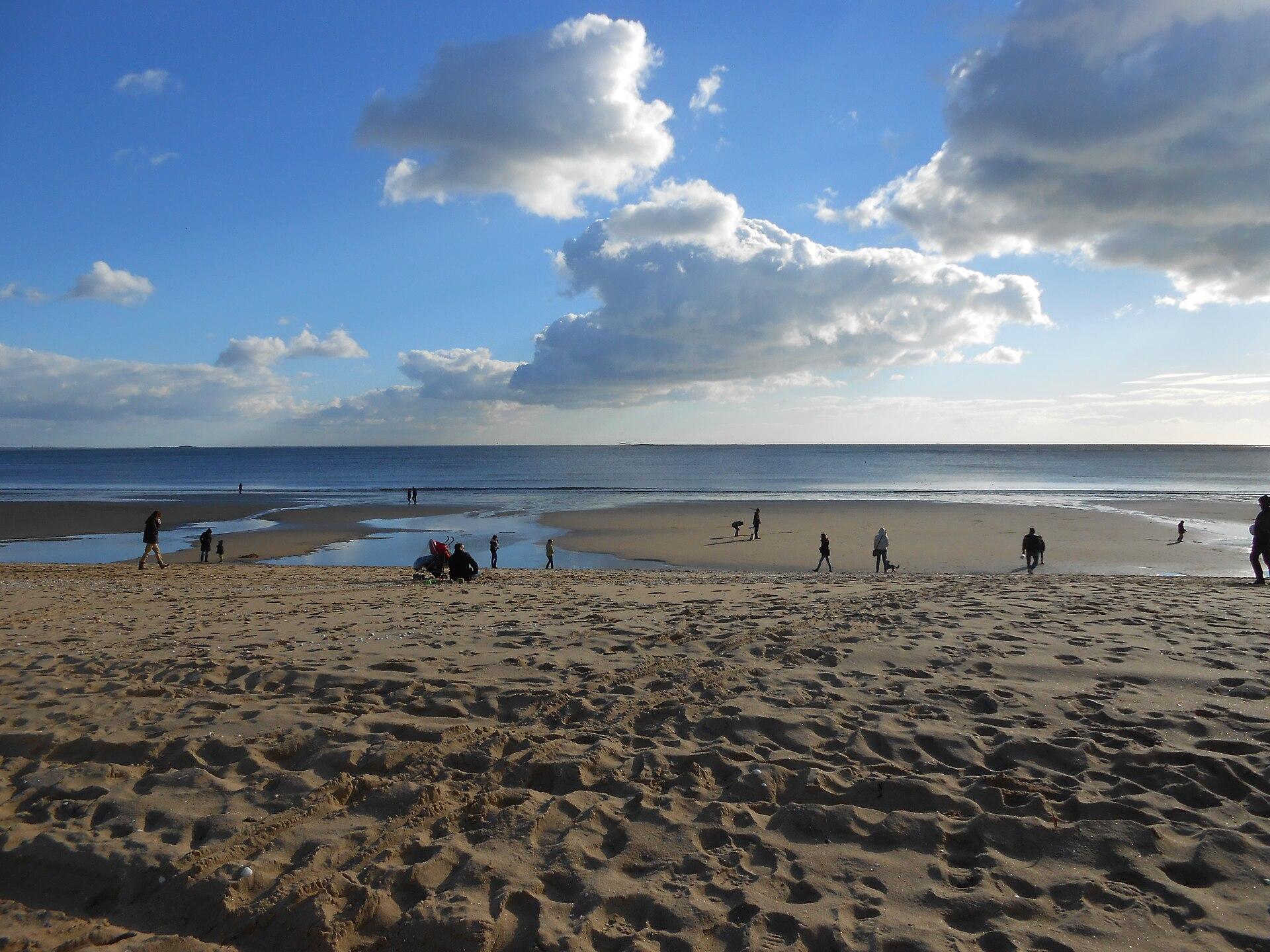 BeachLa Baule BeachLa Baule-Escoublac · 3 hours to a full day, longer to walk the whole bayFrom Pornichet to Le Pouliguen, the bay of La Baule stretches about 9 km of fine sand, with lifeguarded sections, beach clubs, water sports, walks, facilities for disabled visitors and water quality monitored all summer.
- RestaurantAlliumQuimper · 2 h 15 to 3 h 15In Quimper, Lionel and Frédérique Hénaff’s one-star restaurant creates lively Breton gastronomy, with fish, shellfish, wild herbs and delicate acidity.
- RestaurantAr Men DuNévez · 2 h 15 to 3 h 30In Névez, the one-star Ar Men Du showcases Jérôme Gourmelen’s sustainable cuisine facing the ocean, with local fishing, permaculture gardens and gastronomic menus.
- HotelMiramar La Cigale Hôtel Thalasso & SpaArzon · 2 to 4 nights for a getaway; 4 to 6 nights for a real treatment programme.A 5-star thalasso resort with 113 rooms and suites at Port du Crouesty, with a panoramic seawater pool, the Spa Océanique, fitness, Le Safran restaurant and treatment programmes.See prices and bookPartner link Booking.com
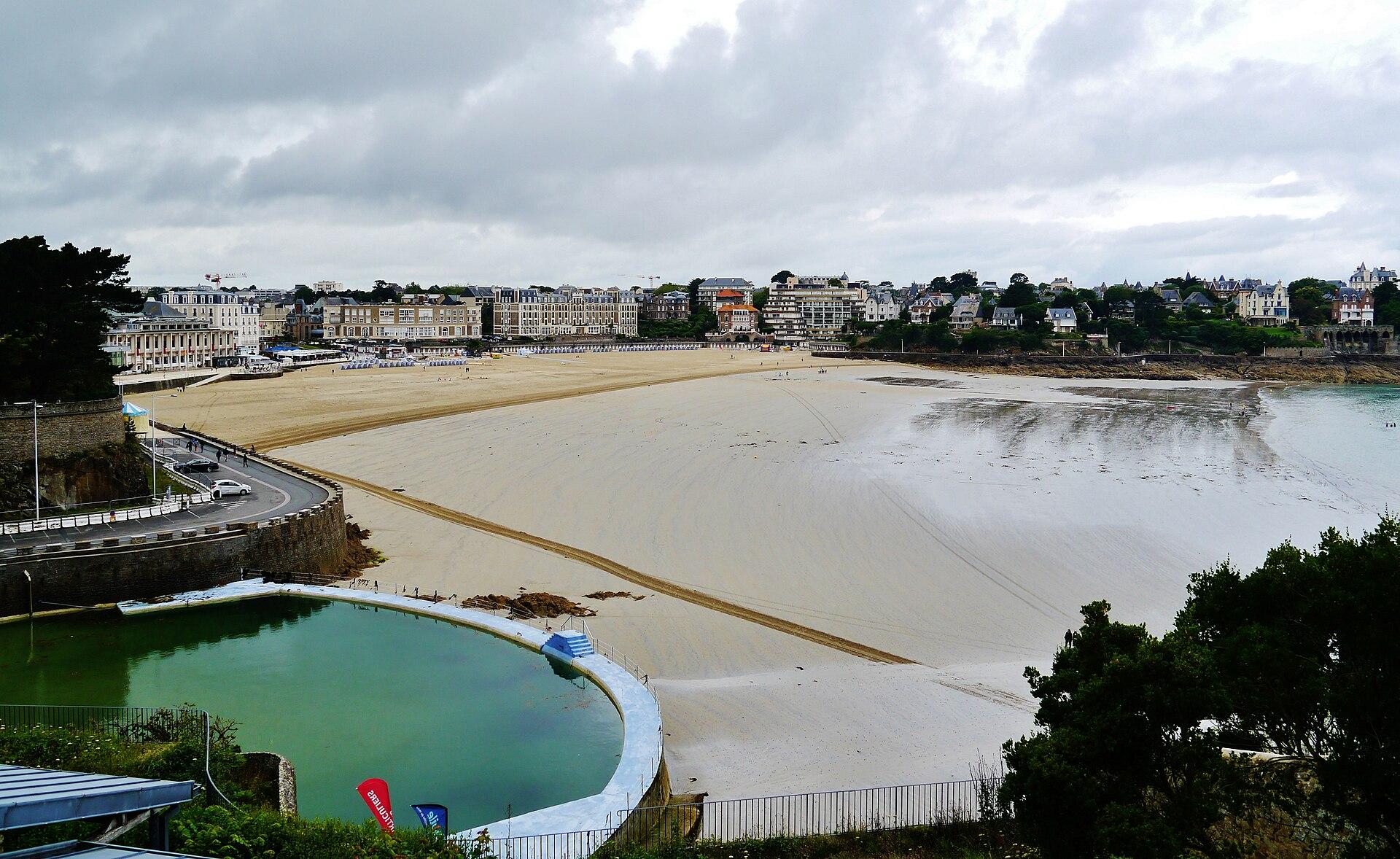 BeachL’Écluse BeachDinard · 3 hours to a full dayIn the heart of Dinard, L’Écluse combines fine sand, an open-air seawater pool, kids’ clubs, the Wishbone Club, the casino, terraces, summer lifeguards and excellent facilities for disabled visitors.
- HotelSainte-Barbe Hotel & Spa Le Conquet - MGalleryLe Conquet · 2 to 3 nights for Le Conquet, the islands and the spa.A 4-star boutique hotel with 34 rooms and suites, all facing the sea, perched above the Iroise, with a Thalion Spa, La Corniche restaurant, a rooftop and on-site parking.See prices and bookPartner link Booking.com
- HotelSofitel Quiberon Thalassa Sea & SpaQuiberon · 3 to 5 nights to really enjoy the thalasso; more for a treatment programme.A 5-star resort with 125 rooms and suites on the tip of Quiberon, with a 6,000 m² thalasso institute, a relaxation area of nearly 2,000 m² and a 25-metre heated seawater pool.See prices and bookPartner link Booking.com
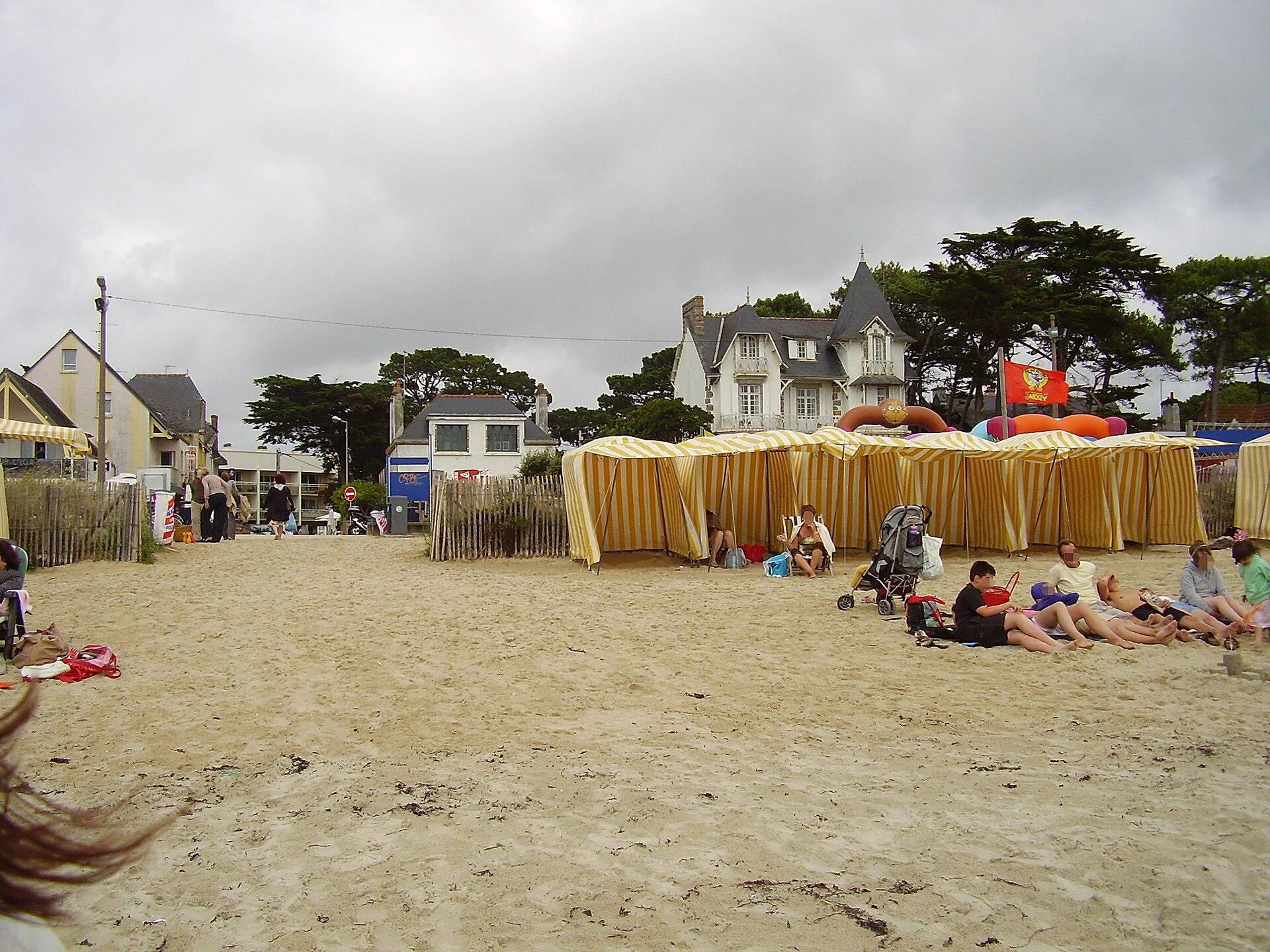 BeachCarnac Grande PlageCarnac · 3 hours to a full dayAt Carnac-Plage, two kilometres of south-facing fine sand offer lifeguarded swimming, two beach clubs, water sports, facilities for disabled visitors, restaurants and a seafront promenade.
- HotelLa Grée des Landes - Éco-Hôtel Spa Yves RocherLa Gacilly / Cournon · 2 to 3 nights for the spa, La Gacilly and photography.A 4-star eco-hotel and spa in La Gacilly with 36 rated rooms and suites plus a treehouse, all facing nature, an infinity pool, hammam, gym and an organic, locally sourced restaurant.See prices and bookPartner link Booking.com
- HotelHôtel-Spa L'EssenCiel - Château des PèresPiré-Chancé · 2 nights is ideal for the spa, the food and exploring the estate.A spectacular 4-star hotel and spa with 42 nest rooms at the Domaine du Château des Pères: 36 suspended rooms, 6 on the ground, an indoor pool, sauna, hammam, hot tub and a starred restaurant nearby.See prices and bookPartner link Booking.com
Beaches, and beach wheelchairs
Sand stops an ordinary wheelchair, but many coastal towns lend tiralos free of charge, wheelchairs with big wheels that roll on sand and float. They are lent at the lifeguard station in July and August, usually free and without booking, sometimes limited to an hour when several people ask at the same time.
Beaches with adapted access
- BeachSillon BeachSaint-Malo · 3 hours to a full dayIn Saint-Malo, the Sillon stretches nearly 3 km of sand between Intra-Muros and Paramé, with a historic sea wall, breakwaters, lifeguarded swimming, restaurants, a shower, drinking water, a kids’ club and two Hippocampe beach wheelchairs in summer.
- BeachLa Baule BeachLa Baule-Escoublac · 3 hours to a full day, longer to walk the whole bayFrom Pornichet to Le Pouliguen, the bay of La Baule stretches about 9 km of fine sand, with lifeguarded sections, beach clubs, water sports, walks, facilities for disabled visitors and water quality monitored all summer.
- BeachL’Écluse BeachDinard · 3 hours to a full dayIn the heart of Dinard, L’Écluse combines fine sand, an open-air seawater pool, kids’ clubs, the Wishbone Club, the casino, terraces, summer lifeguards and excellent facilities for disabled visitors.
- BeachCarnac Grande PlageCarnac · 3 hours to a full dayAt Carnac-Plage, two kilometres of south-facing fine sand offer lifeguarded swimming, two beach clubs, water sports, facilities for disabled visitors, restaurants and a seafront promenade.
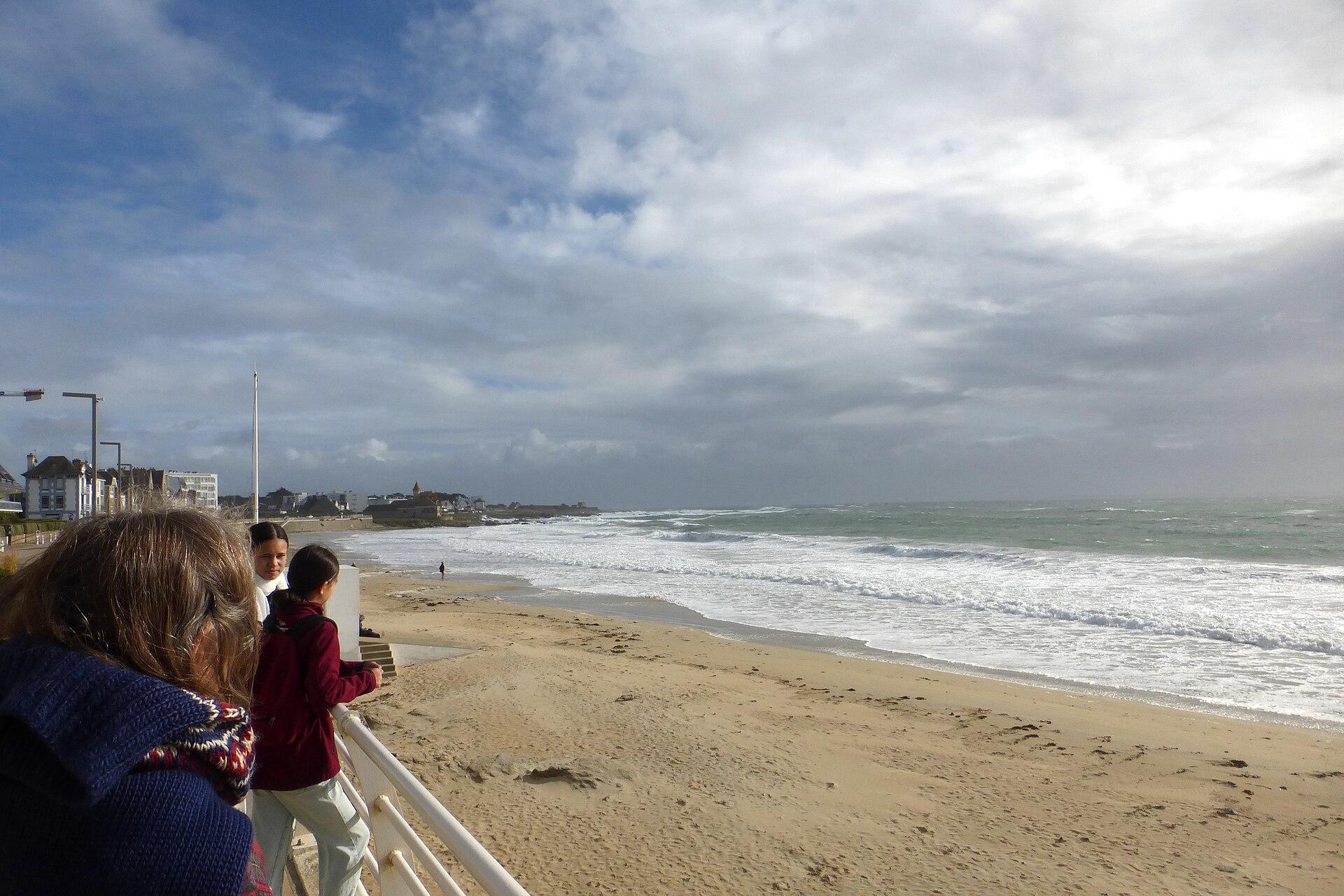 BeachGrande Plage de QuiberonQuiberon · 3 hours to a full dayIn the heart of Quiberon, this 900 m south-facing beach combines fine sand, a promenade, restaurants, summer lifeguards, a kids’ club, showers, toilets and facilities for disabled visitors.
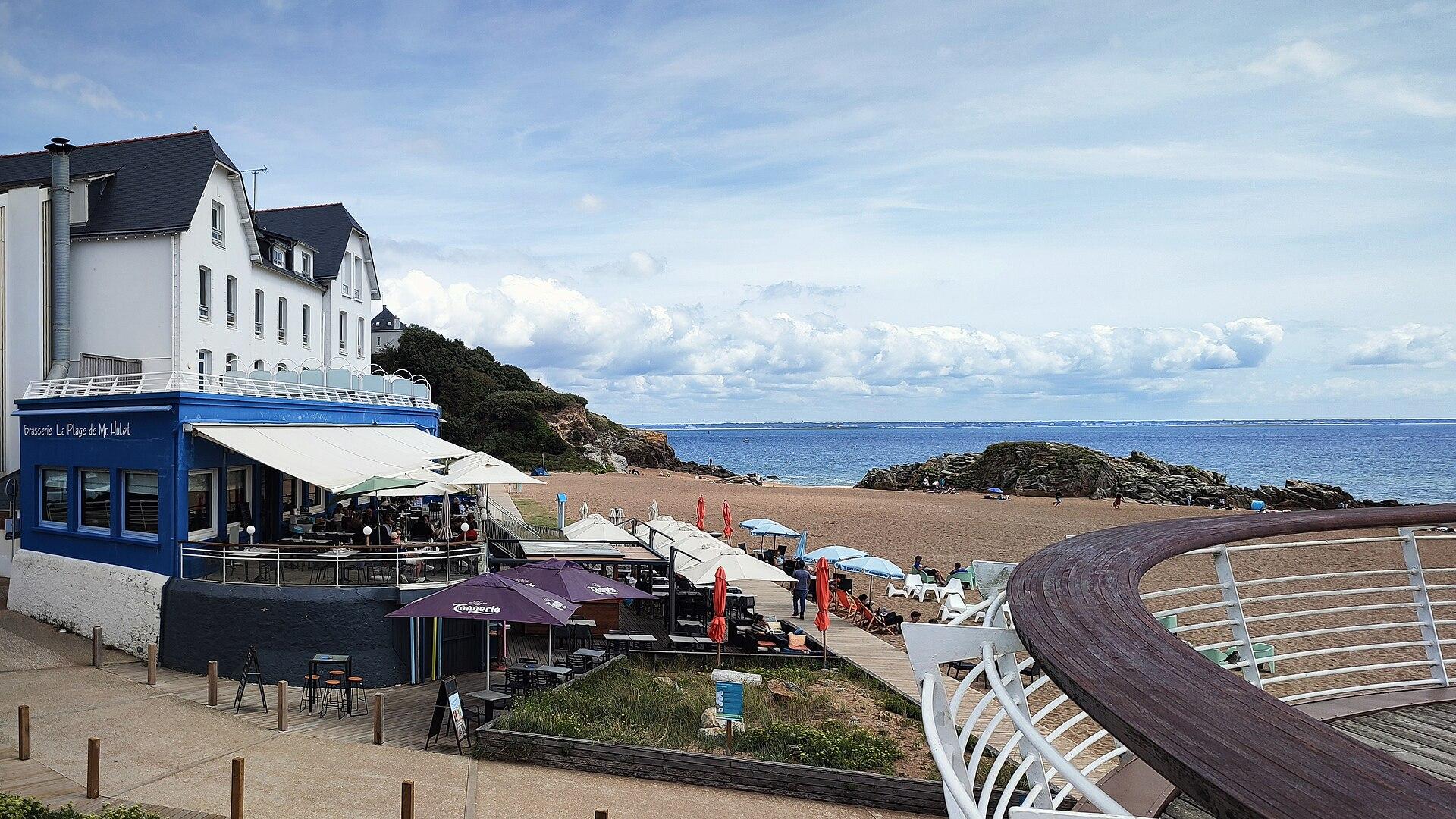 BeachPlage de Monsieur HulotSaint-Nazaire · 3 hours to a full dayIn Saint-Marc-sur-Mer, the Monsieur Hulot beach combines sand, a jetty, rocks, a historic hotel, a statue of Jacques Tati, the Blue Flag, summer lifeguards and two Tiralo beach wheelchairs.
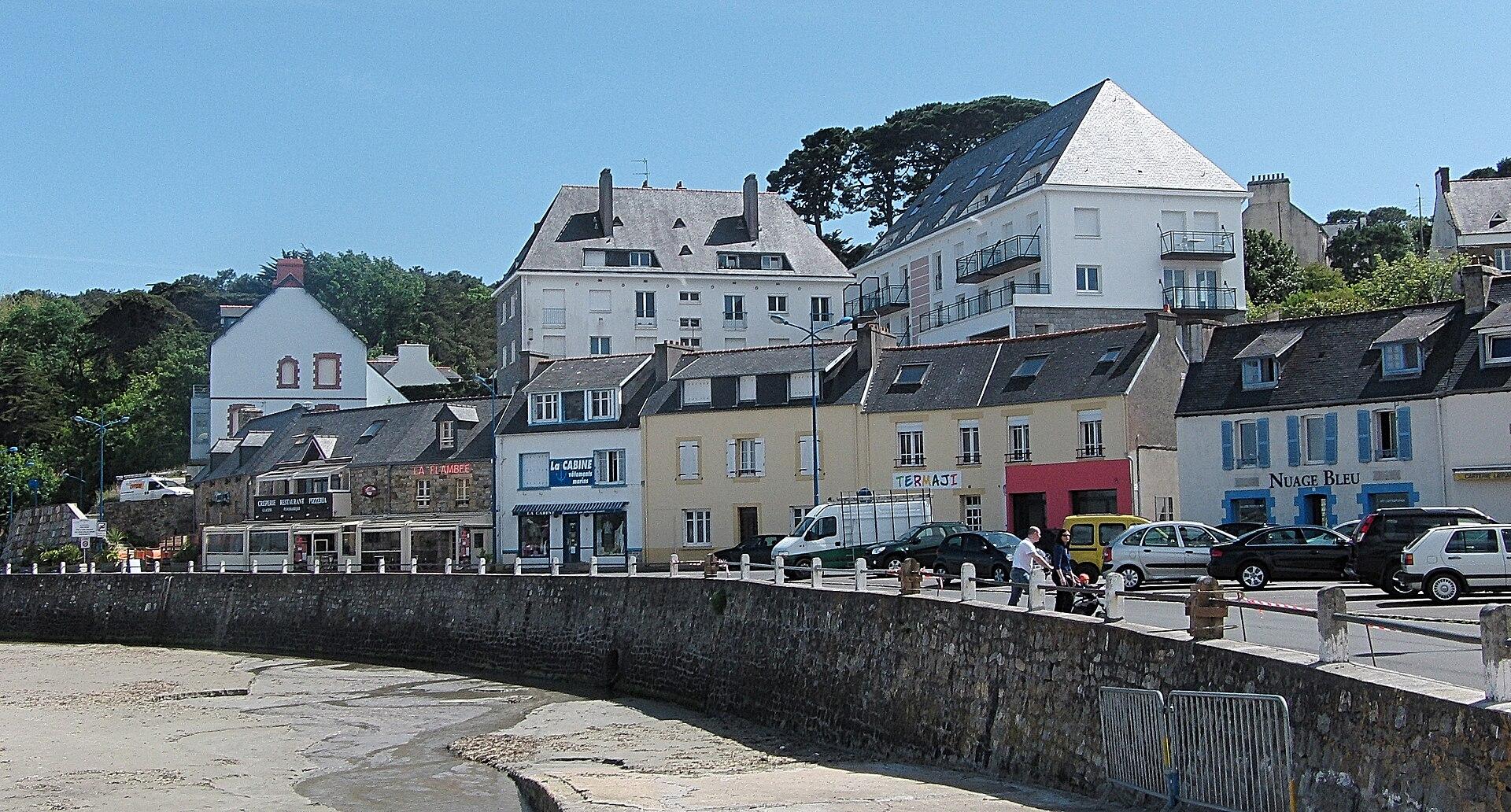 BeachPlage de MorgatCrozon · 3 hours to a full dayIn Crozon, Morgat brings together several family beach areas in a sheltered cove on the bay of Douarnenez, with wheelchair access, Tiralos, a marina, restaurants, a sailing centre and excellent water quality in 2025.
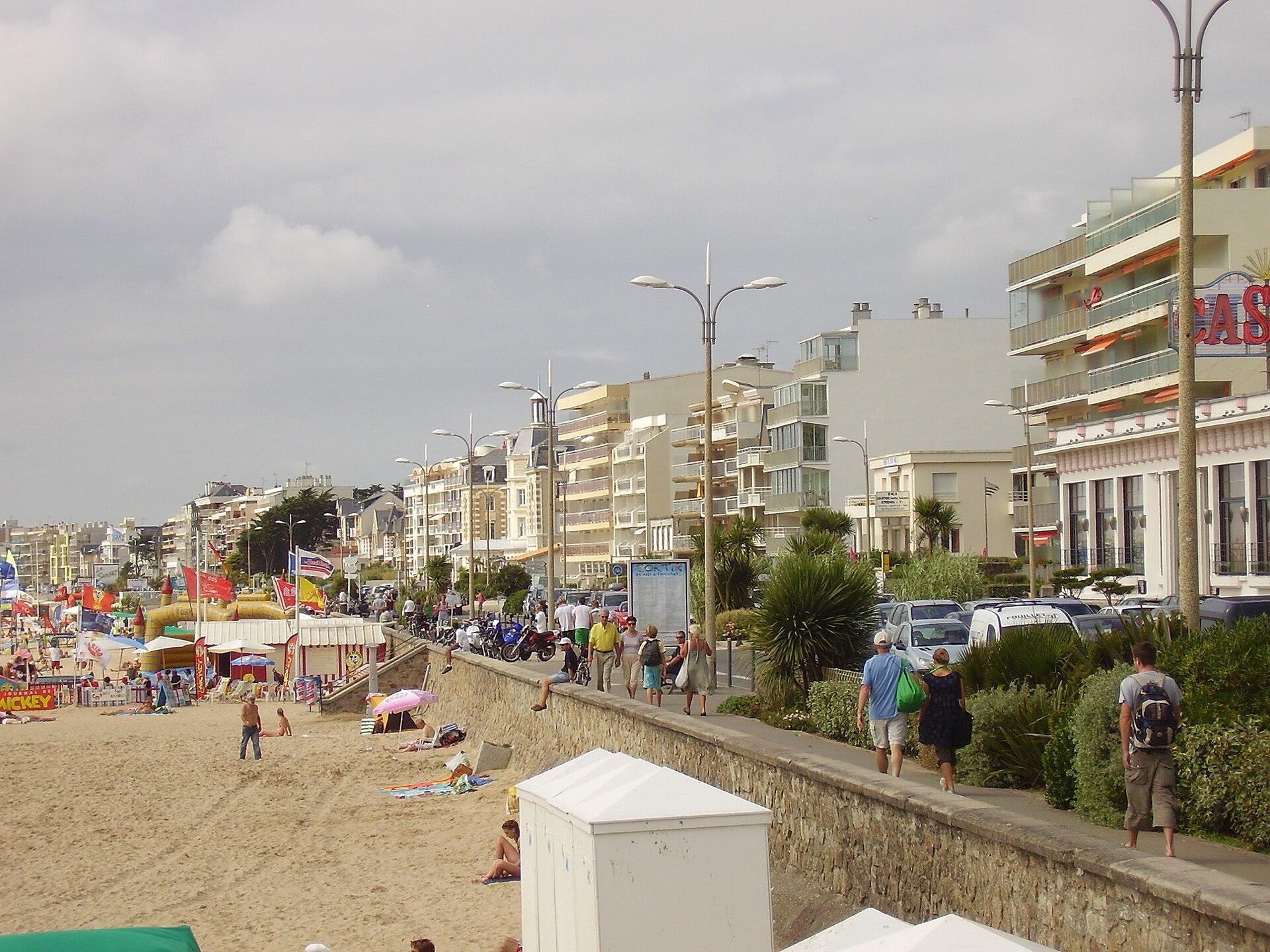 BeachPlage des LibrairesPornichet · 3 hours to a full dayIn Pornichet, Les Libraires is a large urban beach lifeguarded in summer, the only beach in Loire-Atlantique with the Handiplage level 4 label, with beach clubs, adapted access and a lively seafront.
Indoor visits
Museums are the most reliable places: since the 2005 law, buildings open to the public must be accessible, and Breton museums have made the effort. Markets, on the other hand, are on the level but often on cobbles, in dense crowds.
Accessible museums and heritage
 MuseumMusée d’Arts de NantesNantes · 2 to 3 hours, half a day for the collections and exhibitionsMore than 14,000 works and nine centuries of art, from the Middle Ages to today, in a complex combining the Palais, the Chapelle de l’Oratoire and the contemporary Cube.
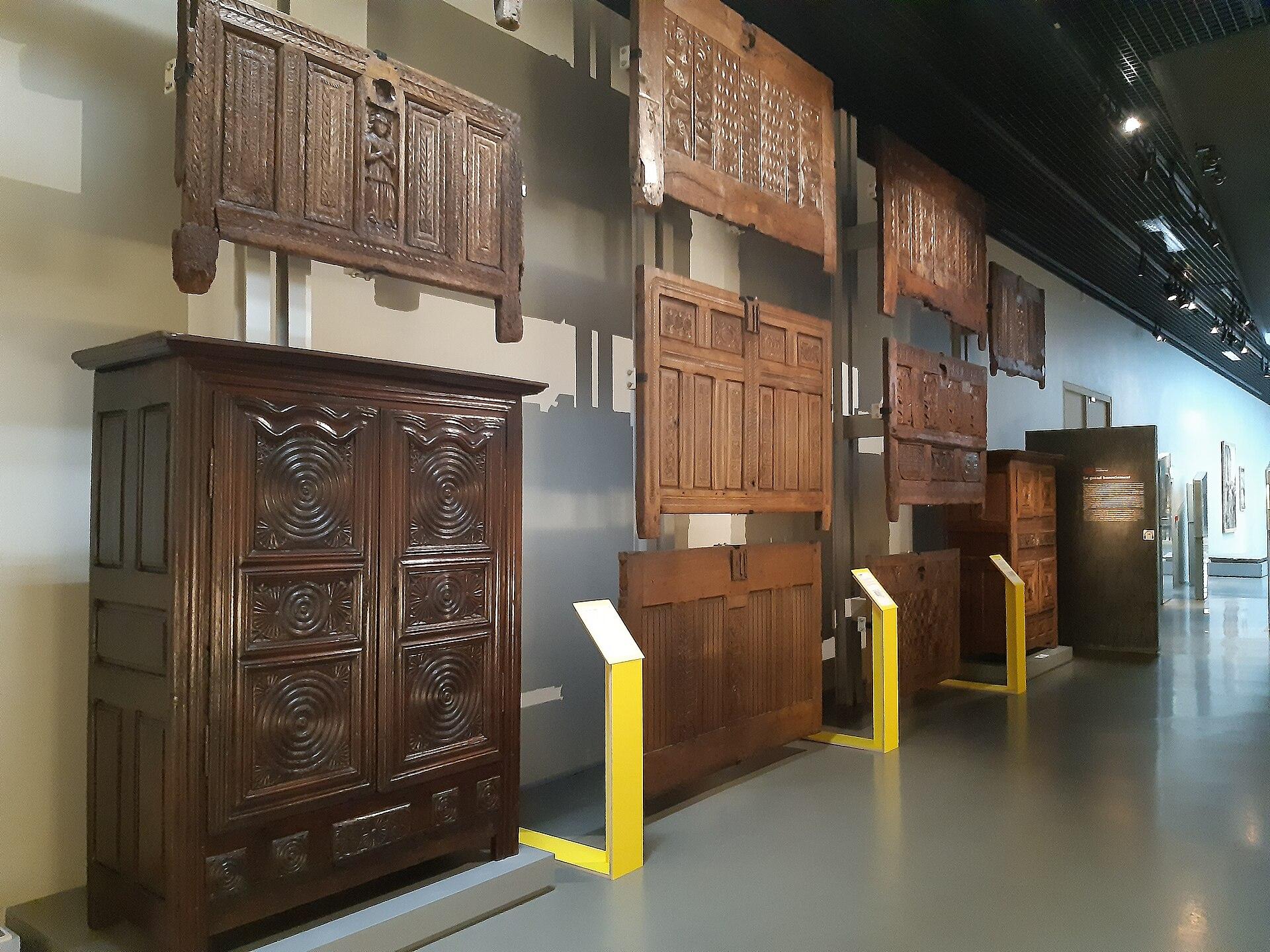 MuseumMusée de BretagneRennes · 2 to 3 hours for the permanent exhibition, longer with the Dreyfus routeAt the Champs Libres in Rennes, a large free museum tracing the history of Brittany from prehistory to today, with nearly a million objects and documents held together with the Écomusée de la Bintinais.
- MuseumMathurin Méheut Museum, Lamballe-ArmorLamballe-Armor · 1 h 30 to 2 hoursAt the Haras National in Lamballe, a modern museum devoted to Mathurin Méheut, a Breton artist of many talents: painting, drawing, ceramics, illustration and decoration. A 2026 exhibition sets him alongside Henri Rivière.
- MuseumYves Rocher Museum, La GacillyLa Gacilly · 45 minutesIn a former mill in La Gacilly, 300 m² of projections, sets and sound tell the story of Yves Rocher, plants and cosmetics in 45 minutes, across five immersive worlds.
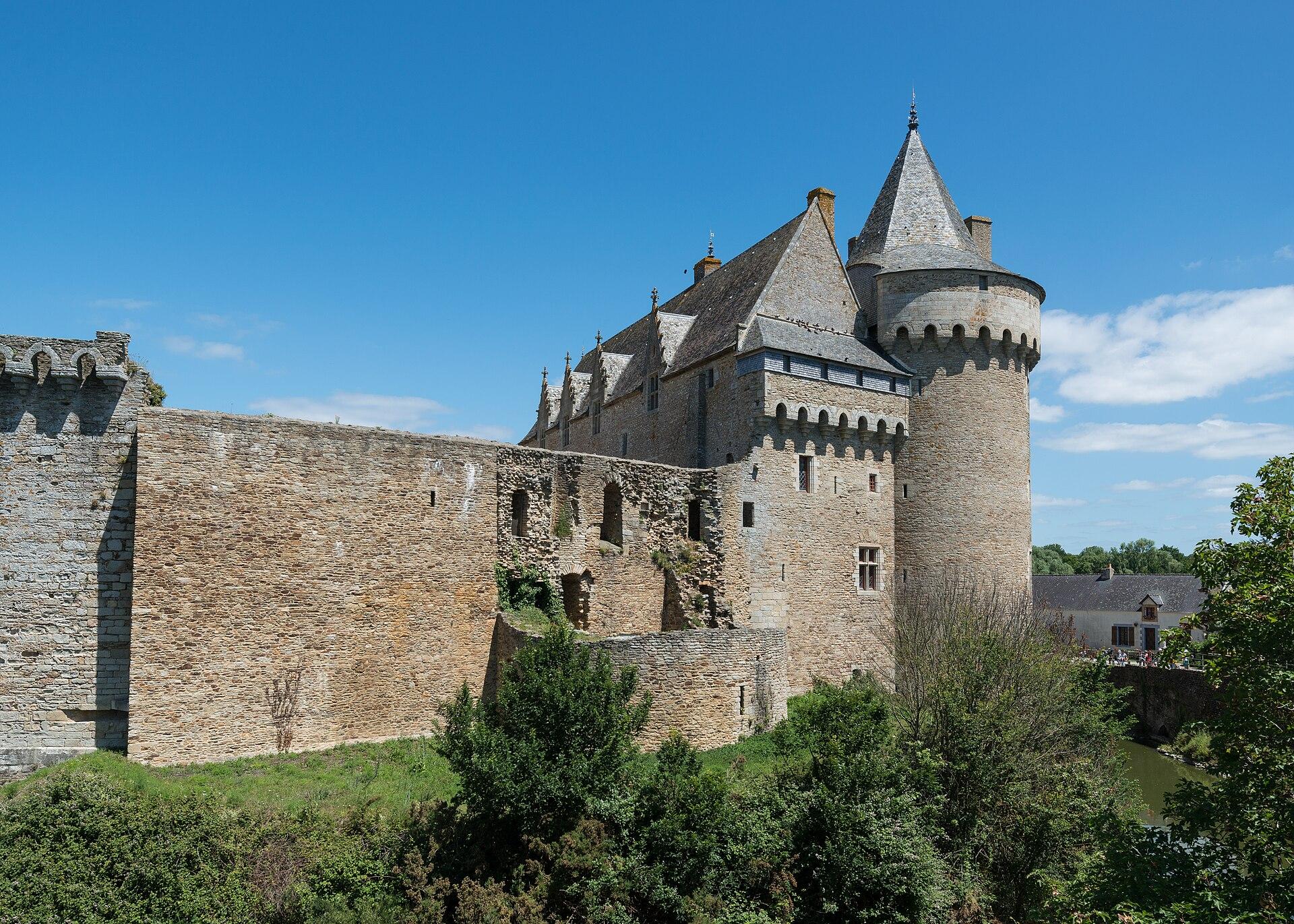 CastleSuscinio CastleSarzeau · 2 to 3 hoursBetween marshes and ocean, Suscinio was one of the great residences of the Dukes of Brittany; restored, it now combines a medieval castle, immersive displays and a natural estate.
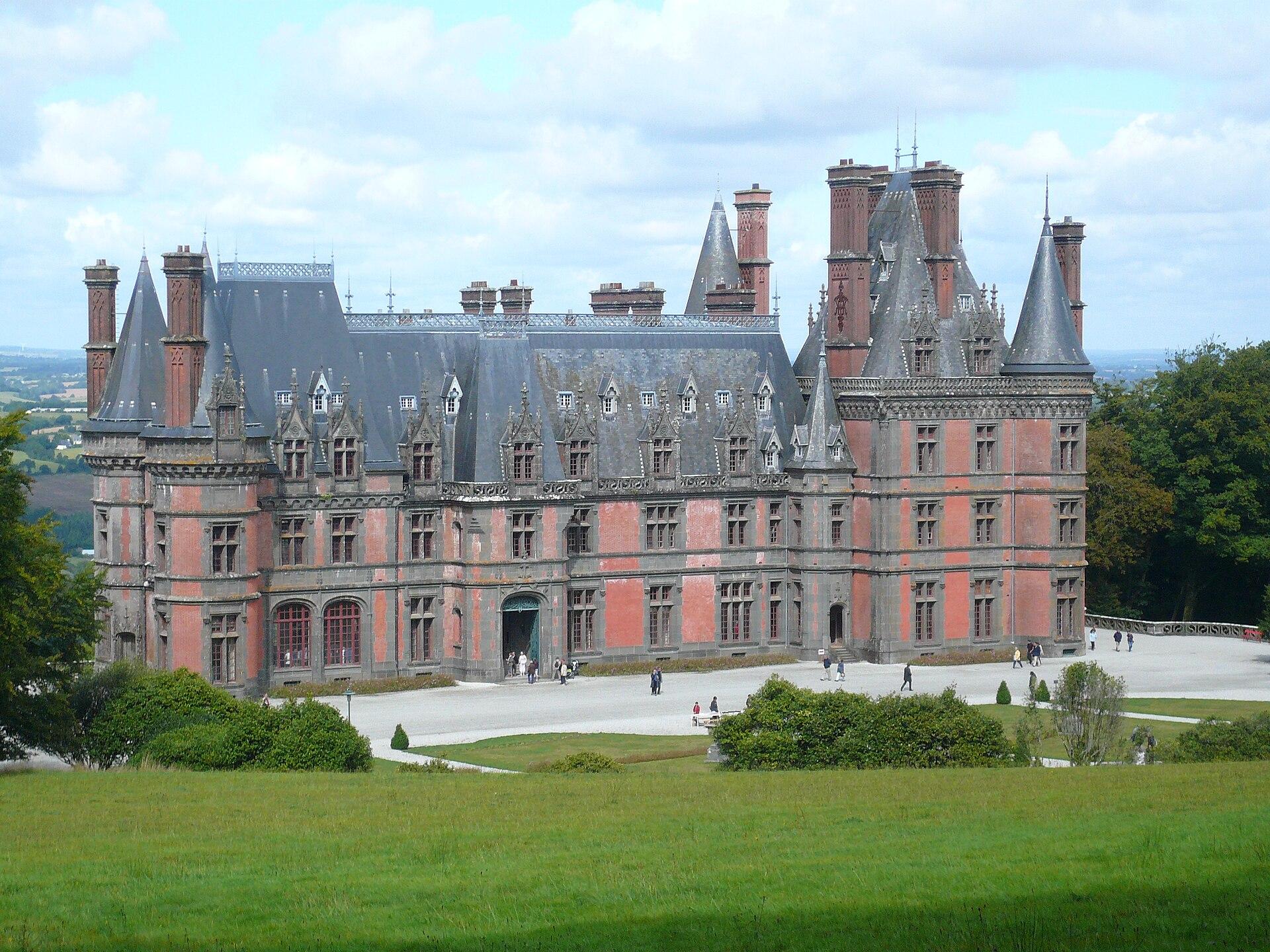 CastleChâteau de TrévarezSaint-Goazec · 2 h 30 to 3 h 30In Saint-Goazec, Trévarez is a Belle Époque château of pink brick and stone, surrounded by a vast park with the Jardin remarquable label and marked by the bombing of 1944.
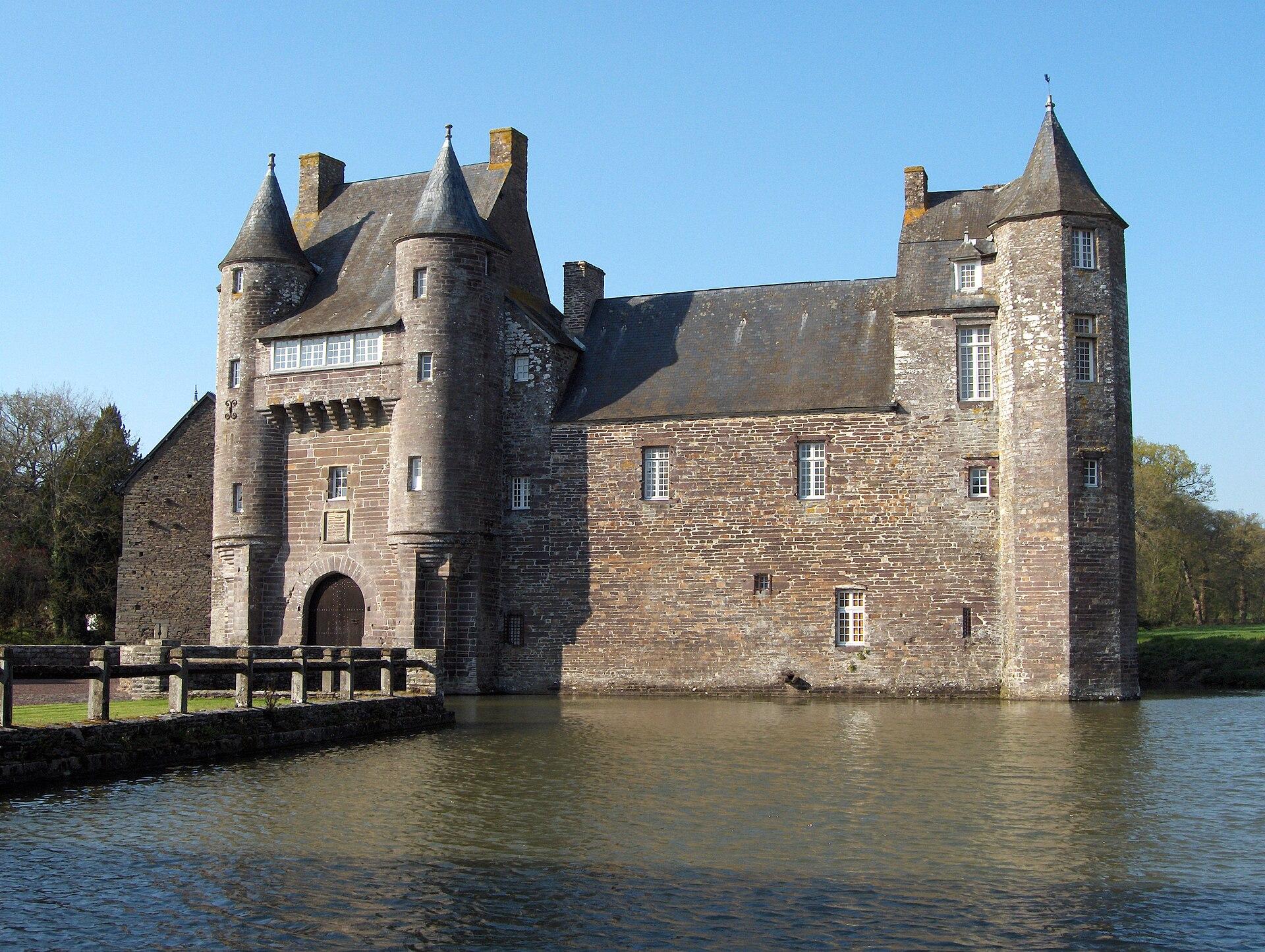 CastleChâteau de TrécessonCampénéac · 20 to 40 minutes to see it from outsideBy the water, in the world of Brocéliande, Trécesson is a private château of red schist surrounded by moats and legends.
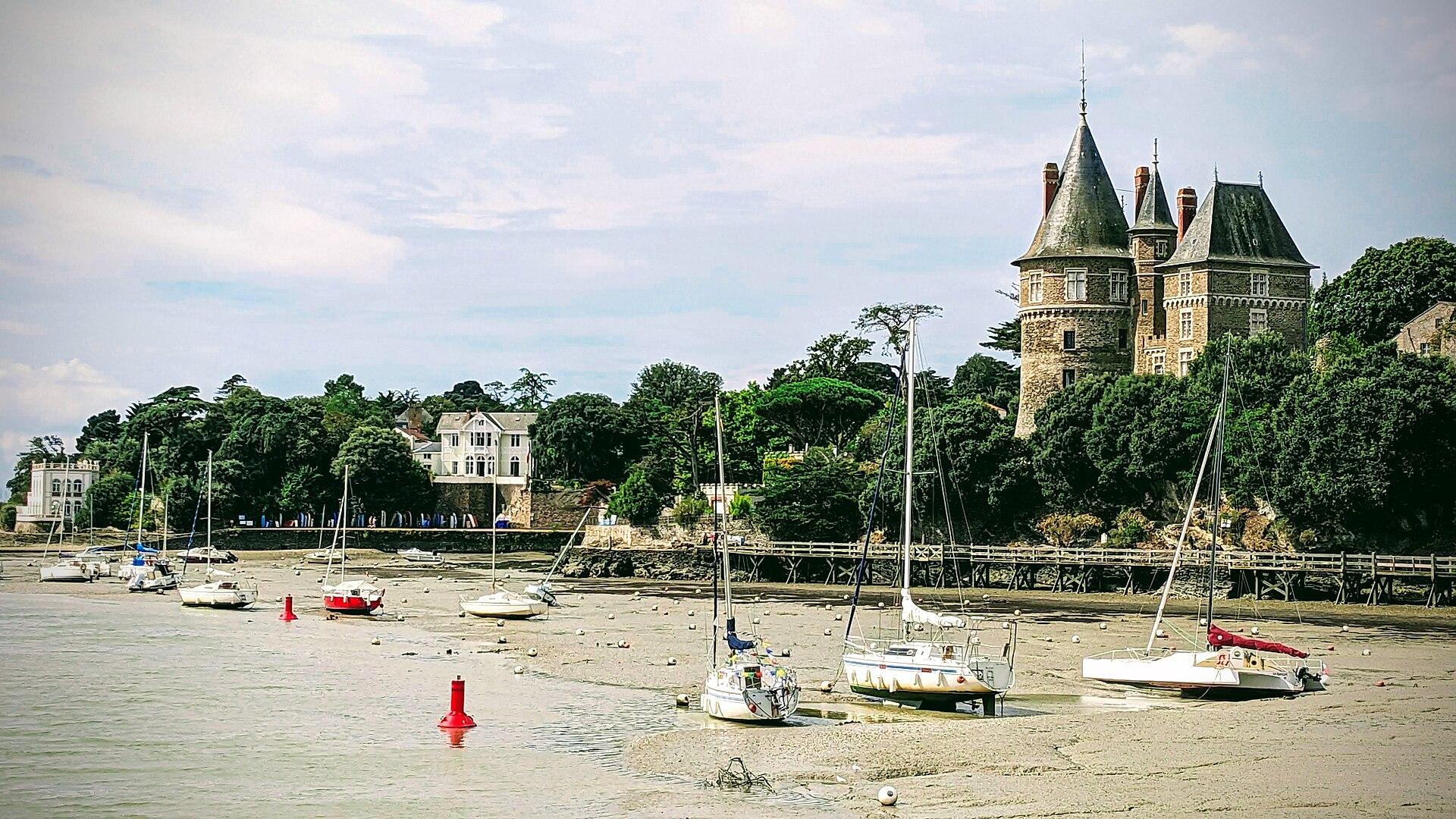 CastleChâteau de PornicPornic · 30 min to 1 hour for the outside and viewpointsOverlooking the old port, the Château de Pornic is the town’s iconic image: a former medieval fortress, remodelled in the 19th century and still privately owned.
What is not accessible, and why we say so
- Lighthouses: the staircase is the visit, and there is no lift in a 19th century tower.
- The GR 34 on its cliff sections, which alternate cut steps and roots.
- Coves and wild beaches, reached by sloping sandy paths.
- The islands, in part: the crossing is possible, but quays and paths vary greatly from one island to another.
Saying so avoids a wasted journey, which is the worst thing a guide can cause. Better three reliable places than a list of ten where half disappoint.