Without a car
Visiting Brittany without a car
What can be done by train, boat and bike, and what cannot: the towns served, the connections, and the limits.
7 min read
It is possible, and even pleasant, as long as you choose a well connected base and accept that some things will stay out of reach. The Pointe du Raz without a car needs a coach from Quimper; Cap Fréhel, a coach from Saint-Malo in summer only.
The Breton network has a simple shape: a fast Paris to Rennes to Brest line in the north, a Paris to Nantes to Quimper line in the south, and regional lines running down to the coast. What is on these routes is easy; what is in between is not.
The towns to arrive in
| City | From Paris | What you can reach on foot or by coach |
|---|---|---|
| Rennes | 1 hour 25 | The whole city, the Parliament, the Lices |
| Nantes | 2 hours | The castle, the Machines, the Passage Pommeraye |
| Saint-Malo | 2 hours 30 | The walled city, the beach, Dinard by water bus |
| Vannes | 2 hours 30 | The Gulf, boats to the islands |
| Quimper | 3 hours 30 | The centre, the cathedral, coaches to the coast |
| Brest | 3 hours 30 | Océanopolis, boats to Ouessant and Molène |
| Lorient | 3 hours | The submarine base, boats to Groix |
| Quiberon | 4 hours | The Tire-Bouchon train in summer, boats to Belle-Île |
Saint-Malo, Vannes and Quiberon are the best bases without a car: in each, you get off the train and onto a boat, which gives access to the most beautiful places without ever driving.
Boats, which replace the road
This is the Breton particularity: sea links are not excursions but transport. The water bus links Saint-Malo to Dinard in ten minutes, while the road takes fifteen kilometres around the Rance. In the Gulf of Morbihan, boats link Vannes, Locmariaquer, the Île aux Moines and the Île d’Arz all year round.
The bike, which changes everything
Hiring a bike at the station extends your range from five to twenty five kilometres, and it is what makes a car free stay really comfortable. Brittany has more than two thousand kilometres of cycle routes, including the Nantes to Brest canal: three hundred and sixty four kilometres of flat, car free towpath, which can be ridden in a week.
La Vélomaritime, which follows the north coast, and La Vélodyssée, which runs along the Atlantic in the south, complete the network. Both are waymarked and pass through towns served by train.
What you can visit without a car
In towns served by train
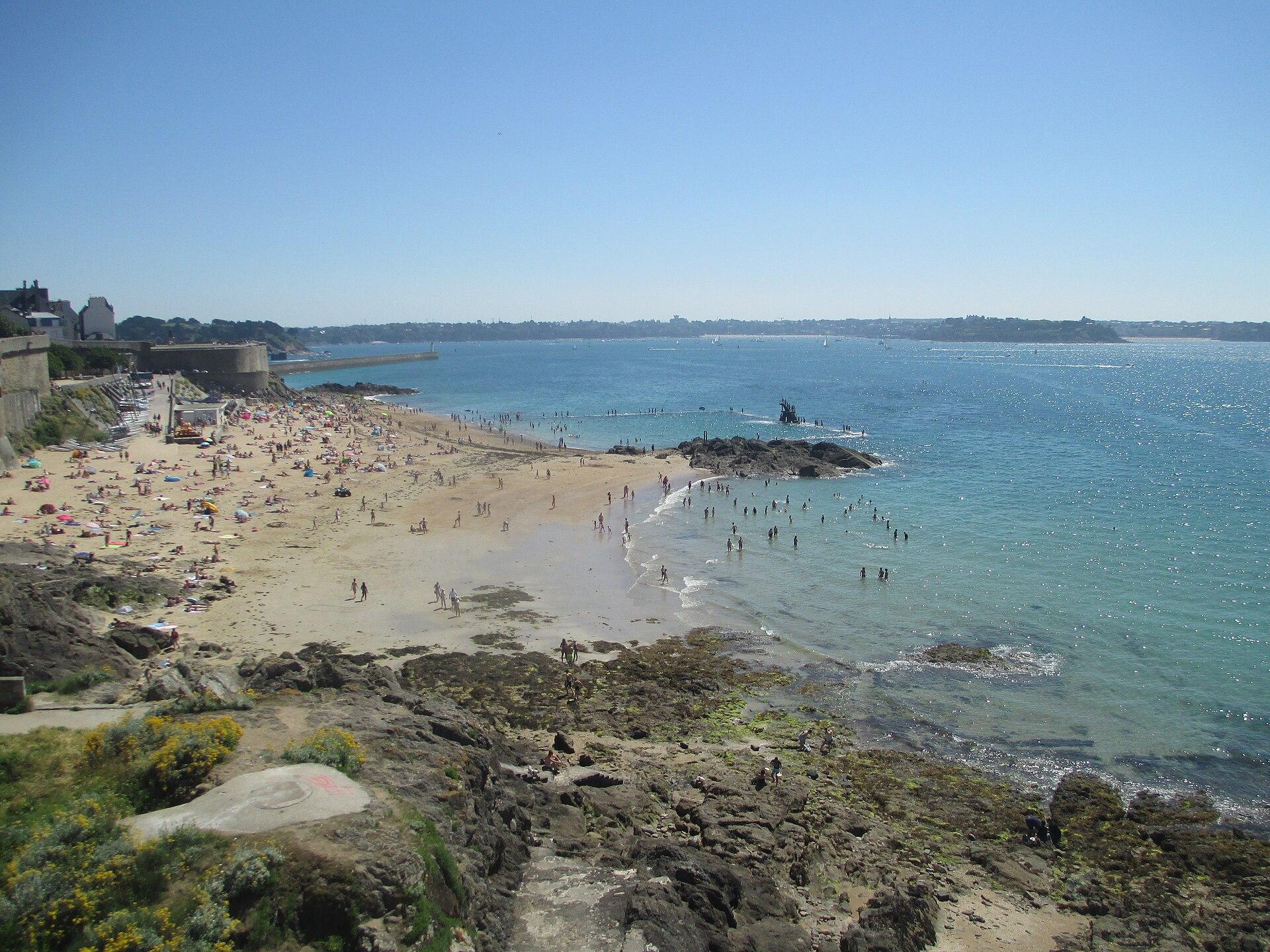 Heritage siteSaint-Malo Intra-MurosSaint-Malo · A dayA walled city entirely encircled by 1,754 metres of granite ramparts, facing the Channel, to the rhythm of the highest tides in Europe.
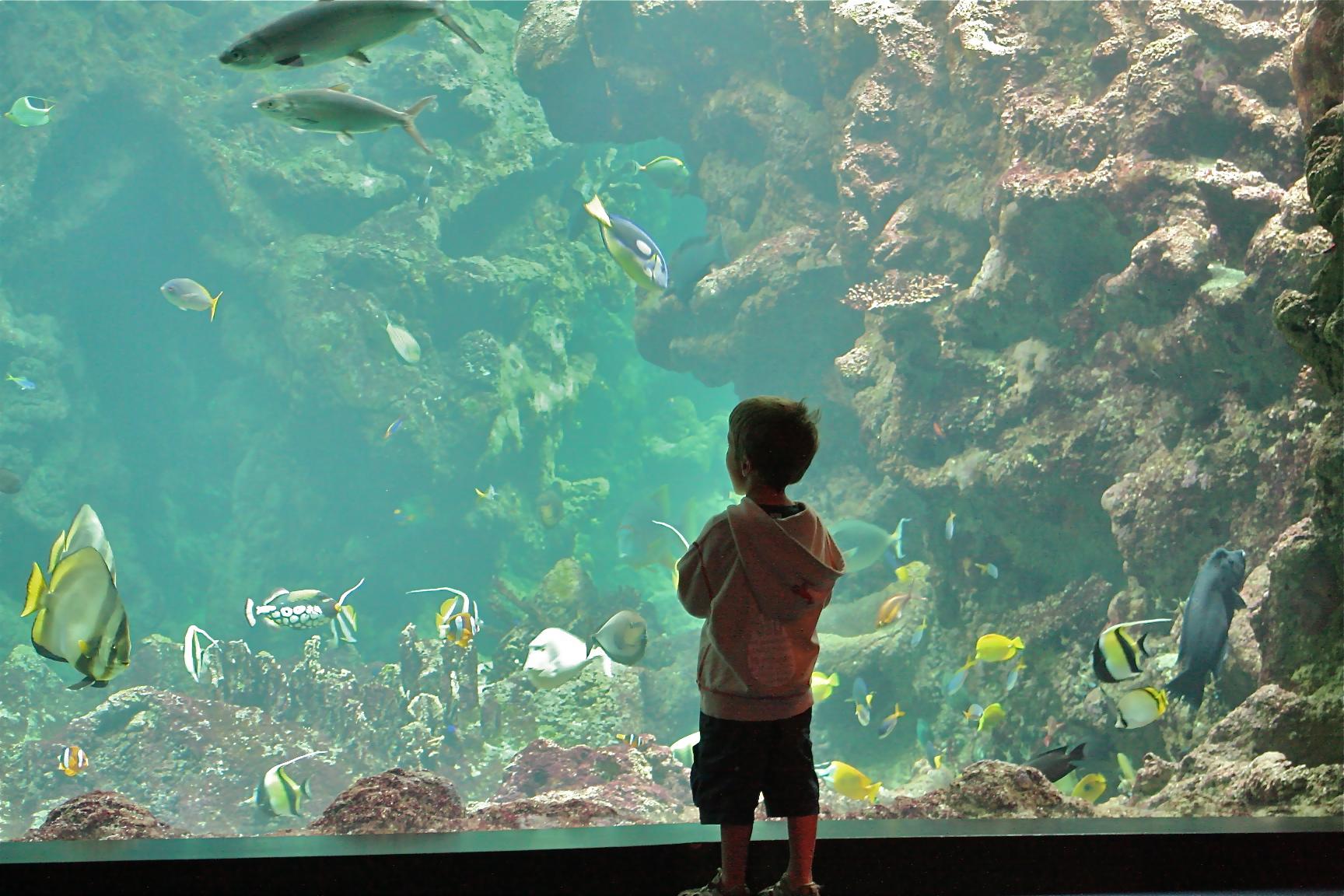 ActivityOcéanopolisBrest · 3 h 30 to half a dayIn Brest, Océanopolis turns half a day into an underwater journey: the new Tropical Pavilion, Breton ecosystems, otters, science experiments and the Cité des Océanautes.
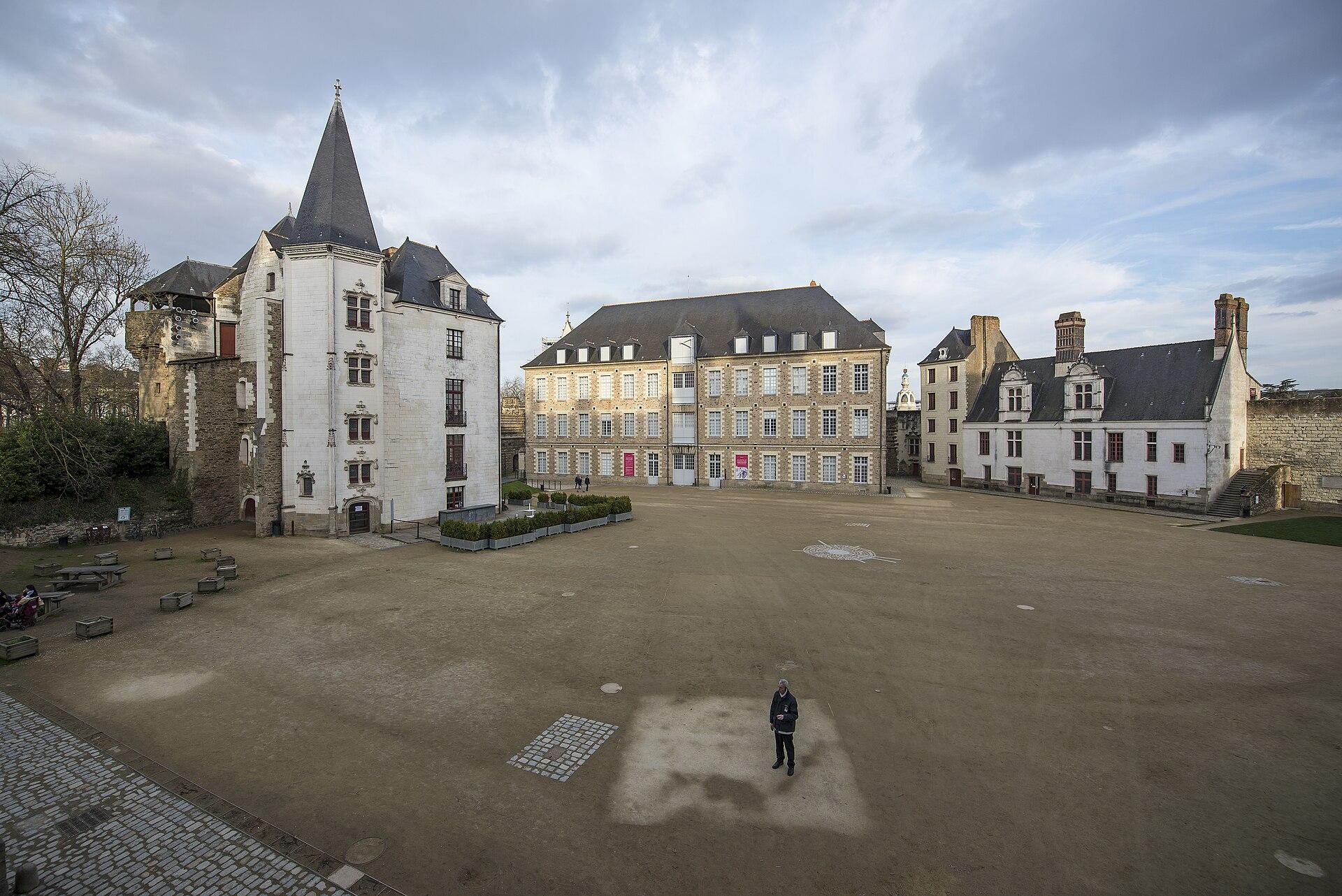 CastleChâteau des ducs de BretagneNantes · 2 h 30 to 3 h 30In the heart of Nantes, the Château des ducs de Bretagne combines medieval ramparts, a ducal palace in white tufa stone and a large museum devoted to the history of the city.
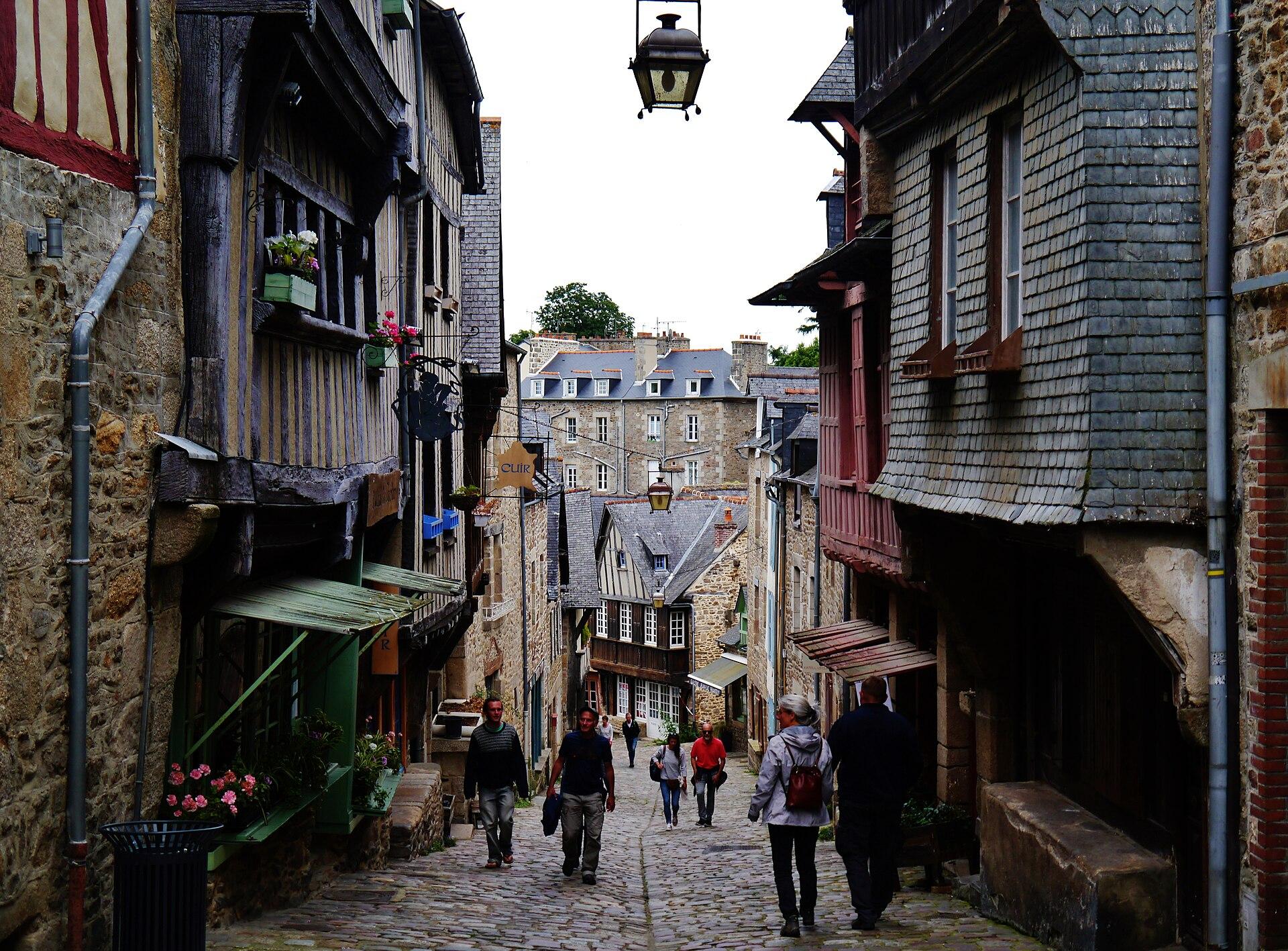 VillageDinan, historic centreDinan · A full day recommended, half a day minimumDinan unfolds more than two kilometres of ramparts, half-timbered houses, a castle, a basilica, the Rue du Jerzual and a port on the Rance, in one of the most spectacular medieval ensembles in Brittany.
- RestaurantAlliumQuimper · 2 h 15 to 3 h 15In Quimper, Lionel and Frédérique Hénaff’s one-star restaurant creates lively Breton gastronomy, with fish, shellfish, wild herbs and delicate acidity.
- RestaurantLouiseLorient · 2 to 3 hoursIn Lorient, Julien Corderoch named his restaurant after his great-grandmother Louise. Michelin-starred cuisine in 2026, built around surprise menus, fish from small-scale fishing, carefully controlled ageing and delicate plant pairings, in an intimate dining room.
- RestaurantLa Table du Liziec, Domaine du LiziecVannes · 2 h 15 to 3 h 15At the Domaine du Liziec in Vannes, Olivier Samson creates one-star gastronomic cuisine that celebrates the season, Breton produce and the work of producers. The warm decor, copper tones and attentive service invite an elegant tasting.
- RestaurantImaRennes · Varies with the menu and service, often 1 h 30 to 3 h.In Rennes, Ima creates a uniquely subtle dialogue between Brittany and Japan, around broths, plants and the present moment.
- CampsiteCamping Le Cabellou PlageConcarneau · 1 night or moreIn Concarneau, facing the Belle Étoile beach, Le Cabellou Plage has a 2,000 m² water park and an indoor pool with balneotherapy.
These places can be reached on foot from a station, or by local bus. They are the foundation of a car free stay, and there is already plenty.
Staying near a station
This is what decides a car free stay: a hotel ten minutes’ walk from the station is better than a campsite six kilometres away, even if it is cheaper. The towns served by train have most of the options.
Hotels in towns served by train
- HotelGrand Hôtel des ThermesSaint-Malo · 1 night to a week or moreRight on the Sillon in Saint-Malo, the Grand Hôtel des Thermes is a 5-star hotel with 177 rooms and suites linked to a large thalassotherapy centre, with a 30 °C seawater pool, a 194-jet Aquatonic course, sauna, hammam, restaurants and kids’ clubs.See prices and bookPartner link Booking.com
- HotelSofitel Quiberon Thalassa Sea & SpaQuiberon · 3 to 5 nights to really enjoy the thalasso; more for a treatment programme.A 5-star resort with 125 rooms and suites on the tip of Quiberon, with a 6,000 m² thalasso institute, a relaxation area of nearly 2,000 m² and a 25-metre heated seawater pool.See prices and bookPartner link Booking.com
- HotelBalthazar Hôtel & SpaRennes · 1 night to several daysIn the heart of Rennes, Balthazar is a 5-star MGallery hotel with 56 rooms, a Nuxe Spa, a sensory pool, a sauna, a gastronomic restaurant, a bar and an inner patio.See prices and bookPartner link Booking.com
- HotelSŌZŌ HotelNantes · 1 to 2 nights for a city break in Nantes.A 4-star boutique hotel of 24 rooms and a suite in a 19th-century chapel facing the Jardin des Plantes, with a wellness area, very limited parking and three accessible rooms.See prices and bookPartner link Booking.com
- HotelHôtel Ginkgo & Spa BilobaQuimper · 1 to 4 nightsIn the historic Locmaria quarter of Quimper, the Hôtel Ginkgo & Spa Biloba is a 4-star hotel of 20 rooms and suites with a garden, a roof terrace, free private parking and a private spa with a hot tub, hammam, sauna and sensory shower.See prices and bookPartner link Booking.com
- HotelBest Western Plus Europe Hôtel BrestBrest · 1 night to several daysIn the north of Brest, a 4 star hotel with 79 rooms, a heated indoor pool, a hammam, a sauna, balneotherapy, a gym, a bistro restaurant and free parking.See prices and bookPartner link Booking.com
- HotelBest Western Plus Hôtel Vannes Centre-VilleVannes · 1 night to several daysA few minutes’ walk from historic Vannes, a 4 star hotel with 58 rooms, most with a balcony or terrace, a Japanese sauna, a gym, the Côté Patio restaurant and private parking.See prices and bookPartner link Booking.com
- HotelAiden by Best Western Lorient CentreLorient · 1 to 4 nightsOpened in 2021 opposite Lorient station, the Aiden by Best Western Lorient Centre is a 4 star boutique hotel with 60 rooms inspired by the French East India Company, with a patio, coworking, a buffet breakfast, a partner restaurant, family rooms and the Clef Verte label.See prices and bookPartner link Booking.com
- HotelHôtel de la Porte Saint-MaloDinan · 1 to 4 nightsOpposite the Porte Saint-Malo in Dinan, this charming 3-star hotel occupies a house more than 400 years old. It has 18 renovated rooms, gardens and patios, an apartment suite with a terrace and a kitchen, secure bike storage and a very personal welcome.See prices and bookPartner link Booking.com
Prices and availability change from one season to the next: check with the establishment.
Walking from a station
The GR 34 passes through several towns served by train: you get off, walk for half a day along the coast, and take the train again further on. It is the simplest way to hike without a car, and it avoids loops.
Hikes near the towns
- WalkCircuit Lanriec, le Minaouët, manoir du BoisConcarneau · 2 hoursAn easy 9.1 km loop in Lanriec, in Concarneau: views over the Minaouët inlet, woods, a church and calvary, the Kerichard cross and a wash house.
- WalkQuiberon, côté baieQuiberon · 2 h 45An easy 11.6 km loop in Quiberon, facing the bay: the Pointe du Conguel, the 6 m Goulvars menhir, Port-Haliguen and Fort-Neuf.
What remains difficult
- The headlands of Finistère: the Pointe du Raz and the Pointe Saint-Mathieu need a seasonal coach or a taxi.
- Campsites, almost all outside the villages, two or three kilometres from a stop.
- Remote loop hikes, whose starting points are served by nothing.
- The Monts d’Arrée and central Brittany, where the train does not go and coaches are rare.