Department
What to do in Côtes-d’Armor
The Pink Granite Coast, Cap Fréhel, Bréhat: the most photographed department in Brittany, and what you really see there.
7 min read
Côtes-d’Armor was called Côtes-du-Nord until the decree of 27 February 1990, and the department changed its name because the old one did it a disservice: fifty three per cent of French people placed it between the Channel and the Nord department. Ar mor means “the sea” in Breton, as opposed to the Argoat, the land of the woods, which begins a few kilometres inland.
It is the department of colours: the pink granite of Ploumanac’h, the red sandstone cliffs of Cap Fréhel, the blue hydrangeas of Bréhat. These are not tricks of the light but rocks and plants, visible in any weather.
The Pink Granite Coast
Ten kilometres of coastline between Perros-Guirec and Trébeurden, where the granite has taken on a pink hue that comes from its feldspar crystals. The boulders of Ploumanac’h are the best known, and the customs officers’ path runs through them: an easy hour’s walk takes you from Saint-Guirec beach to the Mean Ruz lighthouse.
The coast of Côtes-d’Armor
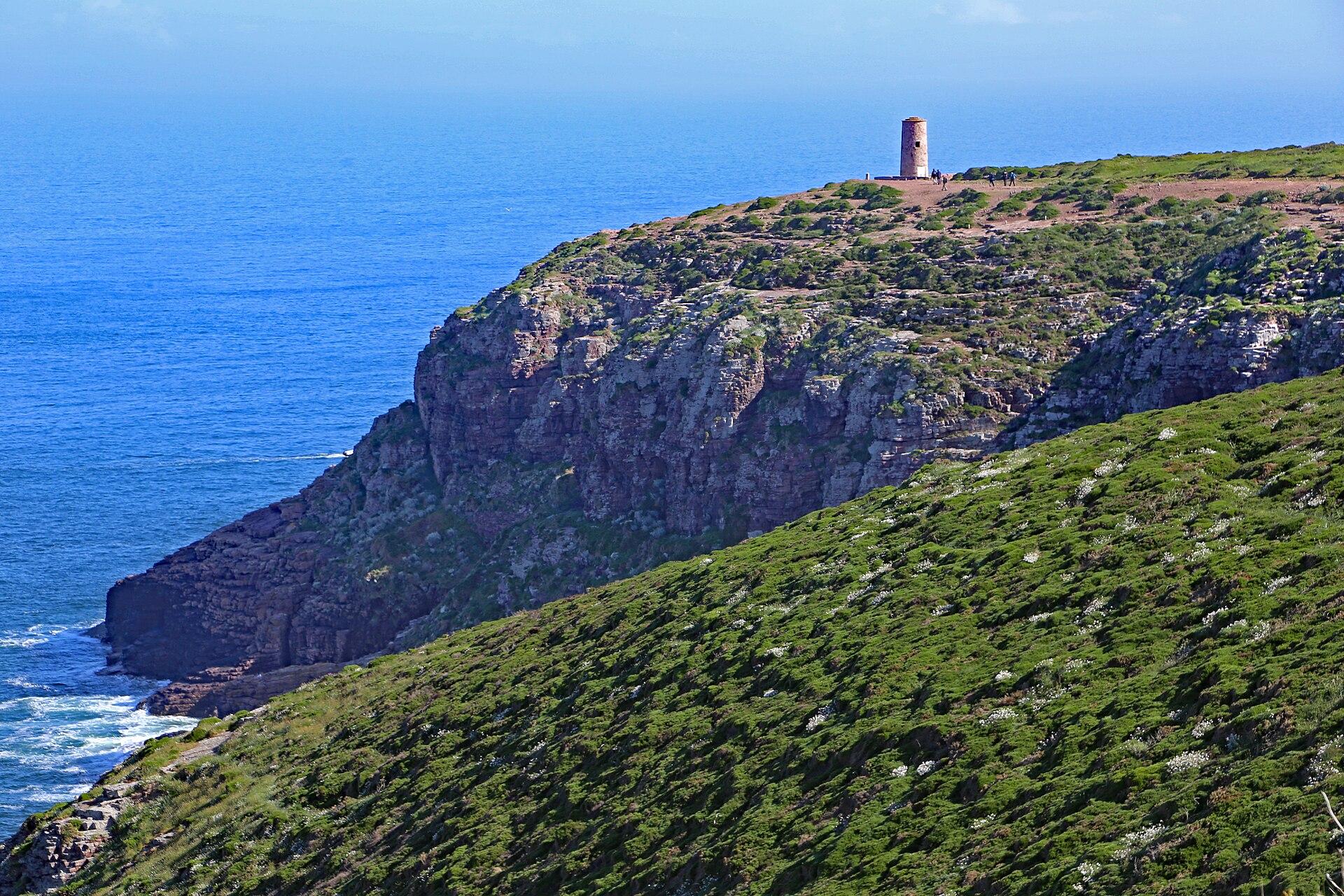 ViewpointCap FréhelPlévenon · 1 to 2 hours, more if you walk to the fort or along the GR34.One of Brittany’s great panoramas, with cliffs, heathland, an emerald sea and sweeping views over the north coast of Brittany.
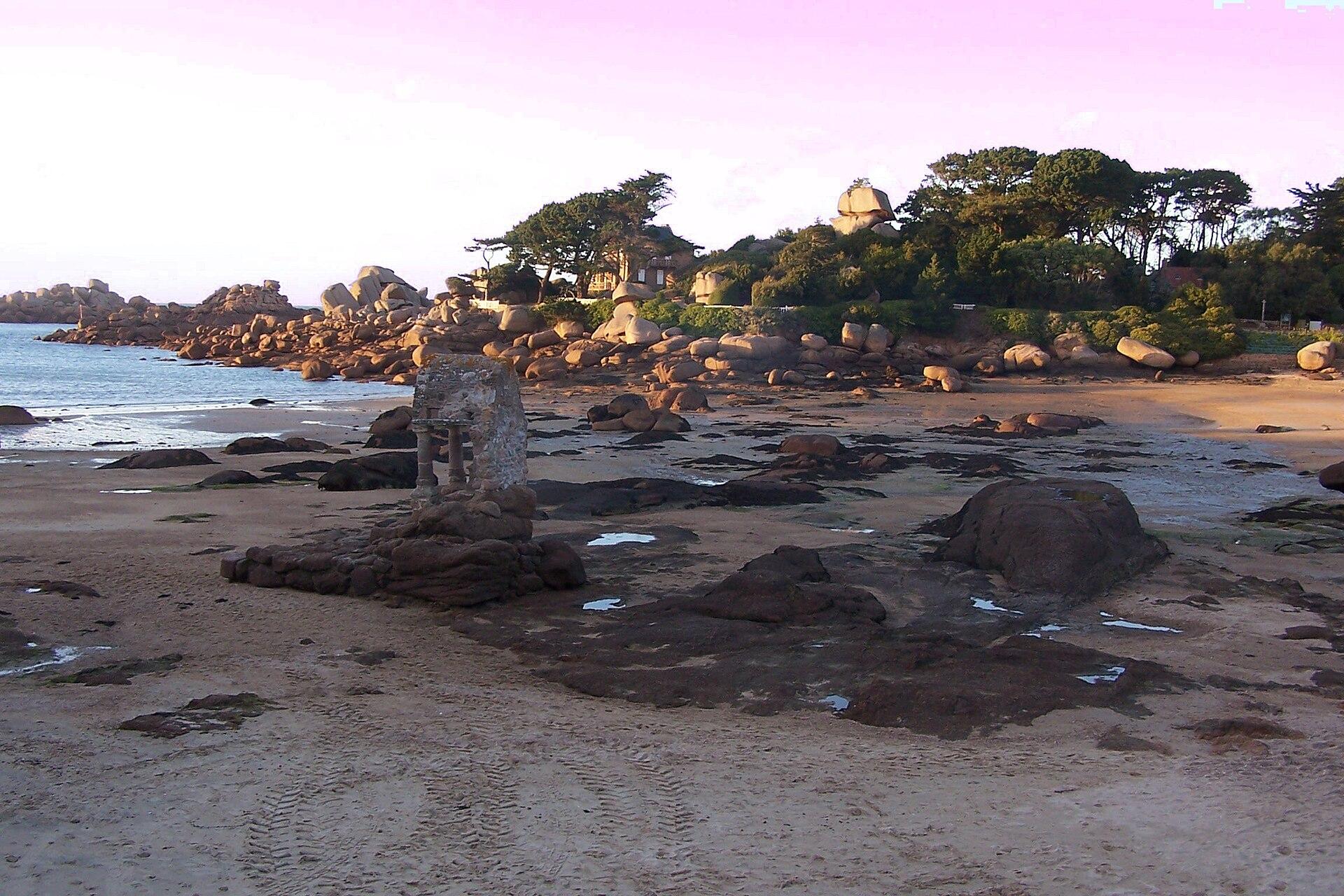 BeachSaint-Guirec BeachPloumanac’h / Perros-Guirec · 2 hours to half a dayIn Ploumanac’h, Saint-Guirec is a small sandy beach nestled in pink granite, lifeguarded in season, with a beach club, restaurants, shops, an oratory and direct access to the customs officers’ path.
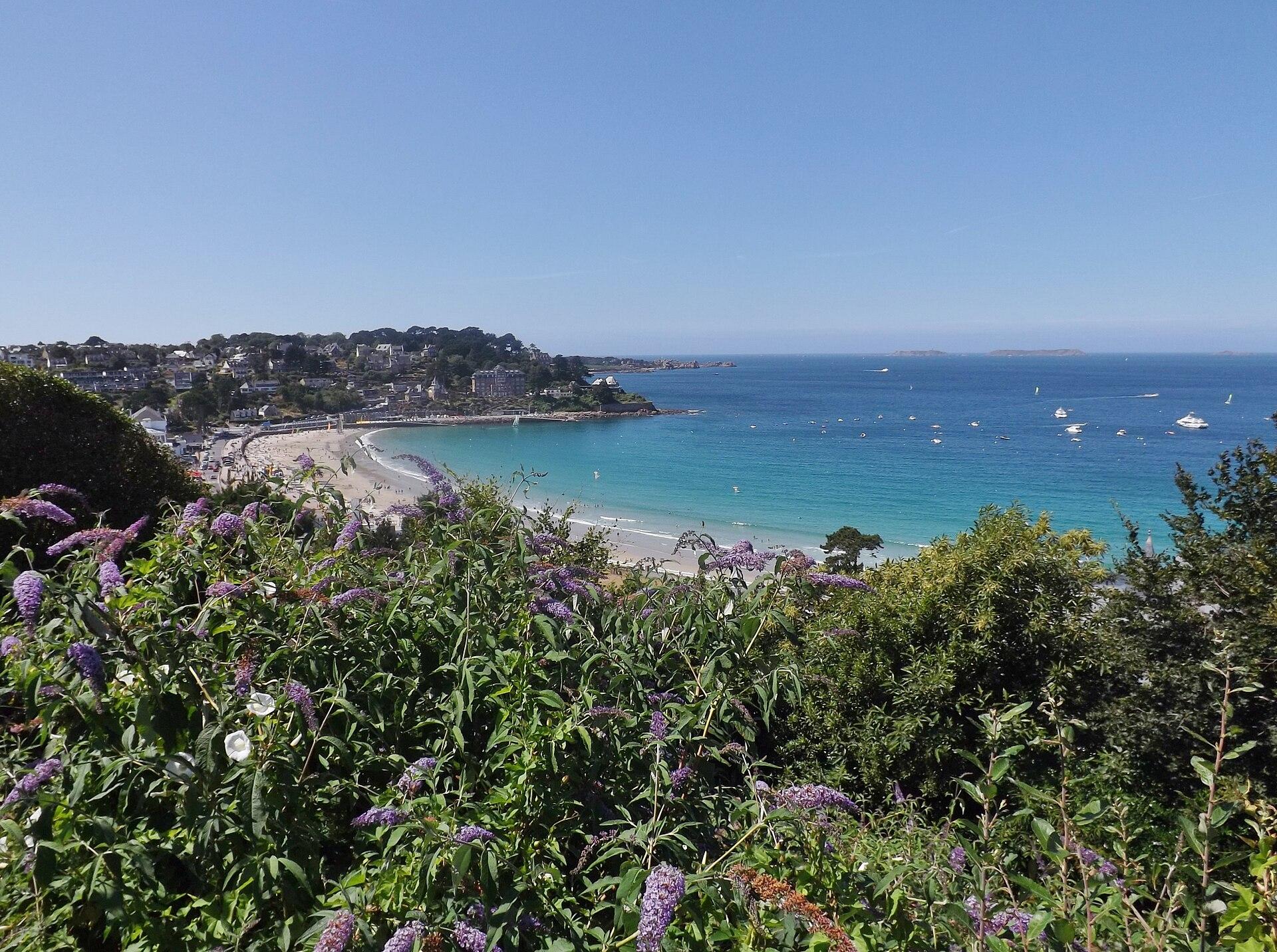 BeachPlage de TrestraouPerros-Guirec · 3 hours to a full dayIn Perros-Guirec, Trestraou is the resort’s big lively beach, with a promenade, casino, restaurants, sailing centre, surfing, events and summer lifeguards.
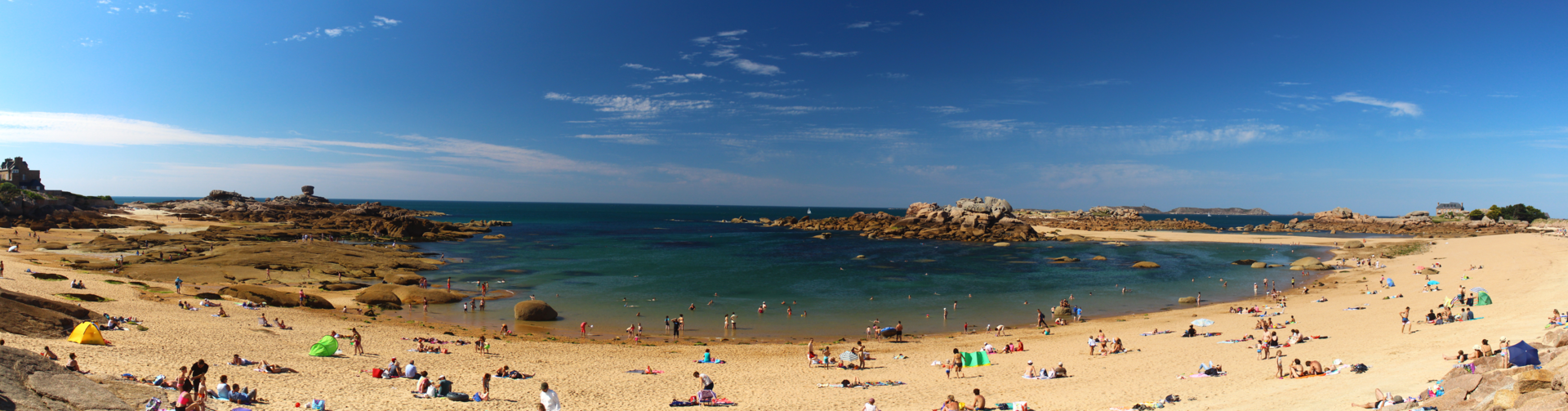 ViewpointPresqu’île RenoteTrégastel · 1 hour minimum, 1 h 30 with many photo stops.An easy 2.1 km loop among chaotic pink granite boulders, with views over Ploumanac’h, the Sept-Îles, Costaérès and the beaches of Trégastel.
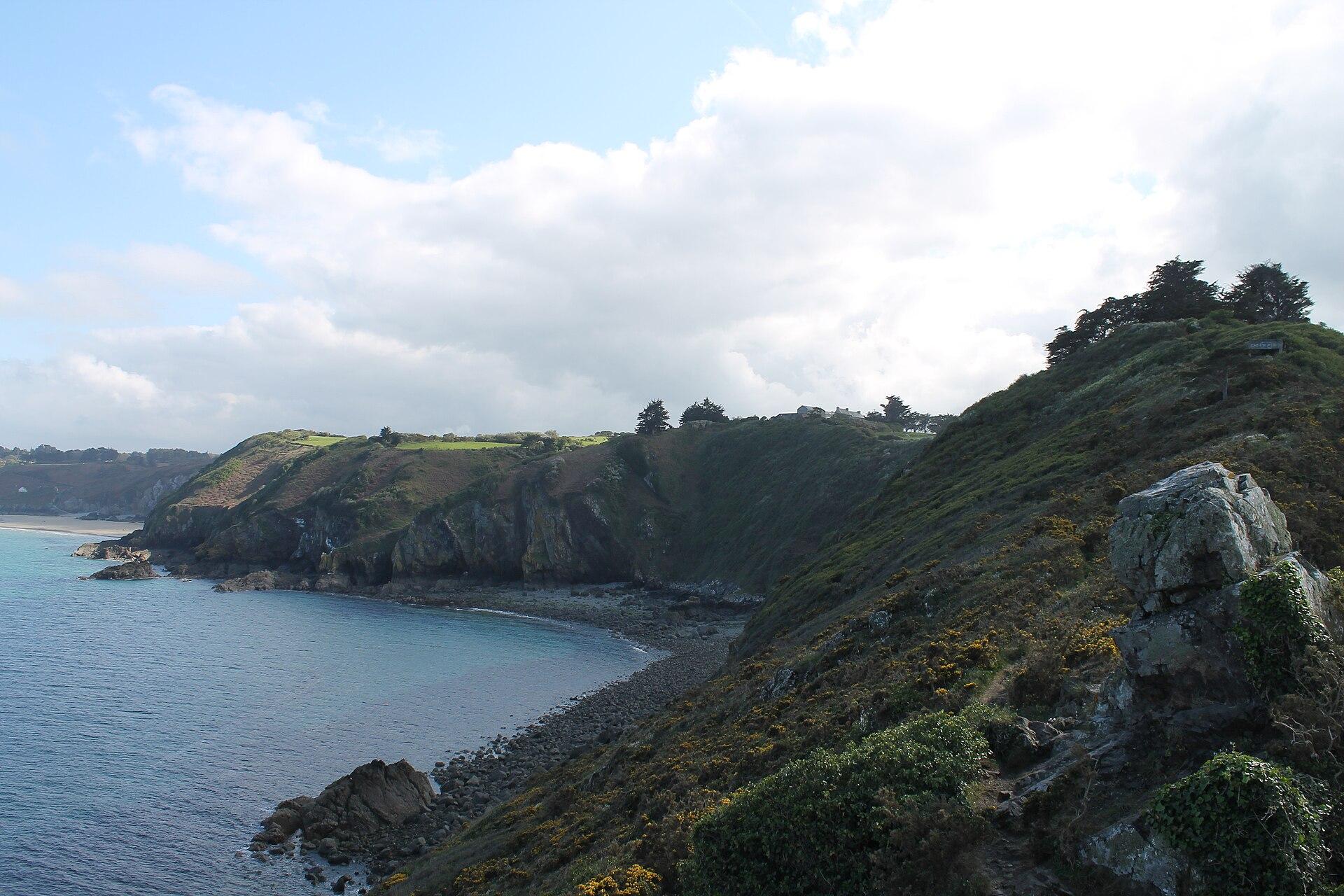 ViewpointPointe de PlouhaPlouha · 45 minutes to 2 hours.The highest point of the Plouha cliffs, 104 m above the sea, with a spectacular panorama over the bay of Saint-Brieuc and the highest cliffs in Brittany.
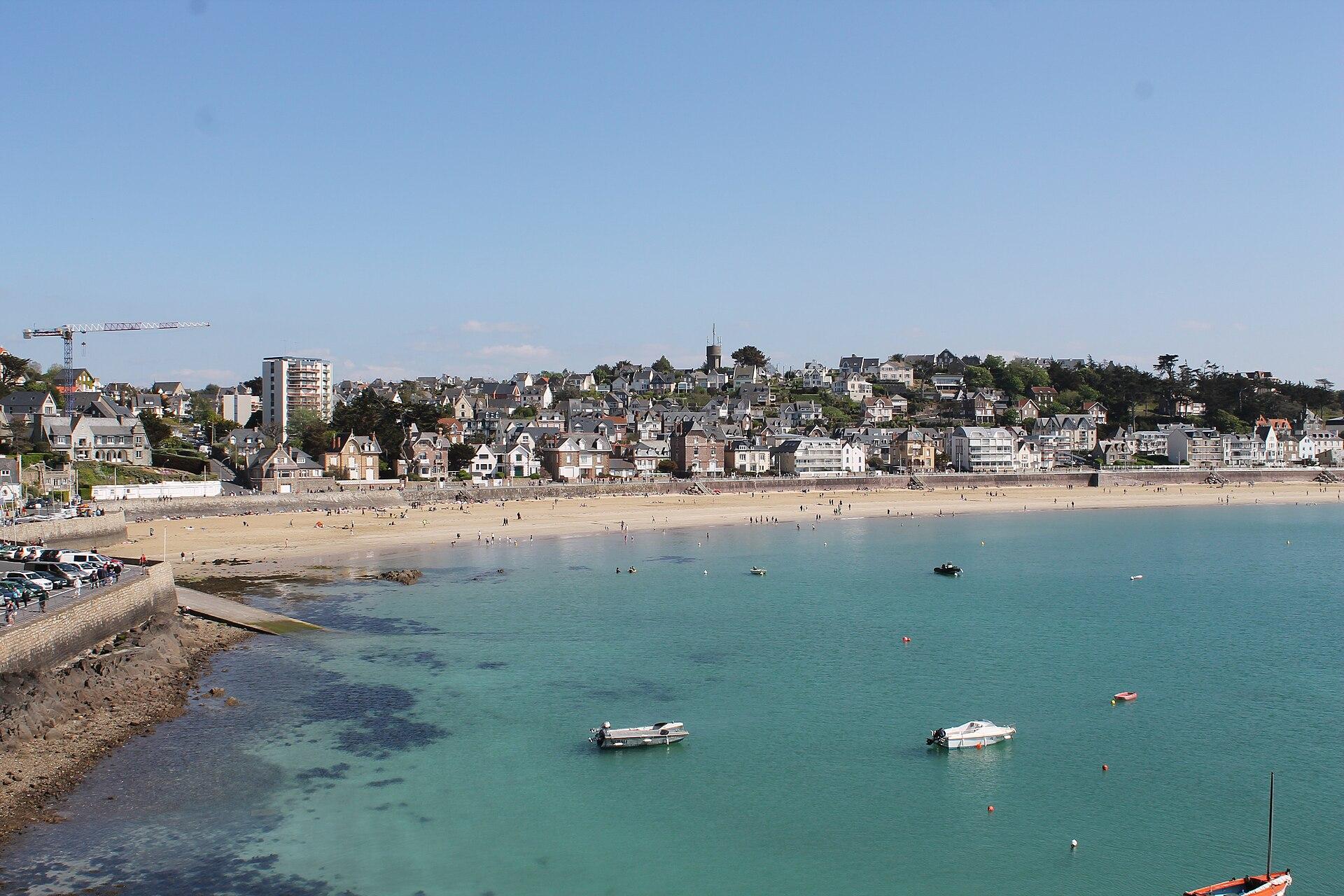 BeachPlage du Val-AndréPléneuf-Val-André · 3 hours to a full dayIn Pléneuf-Val-André, the great beach stretches for about 2 to 2.5 km of fine sand, sheltered from the wind, lined with a seafront promenade, lifeguarded in summer and equipped with a Tiralo.
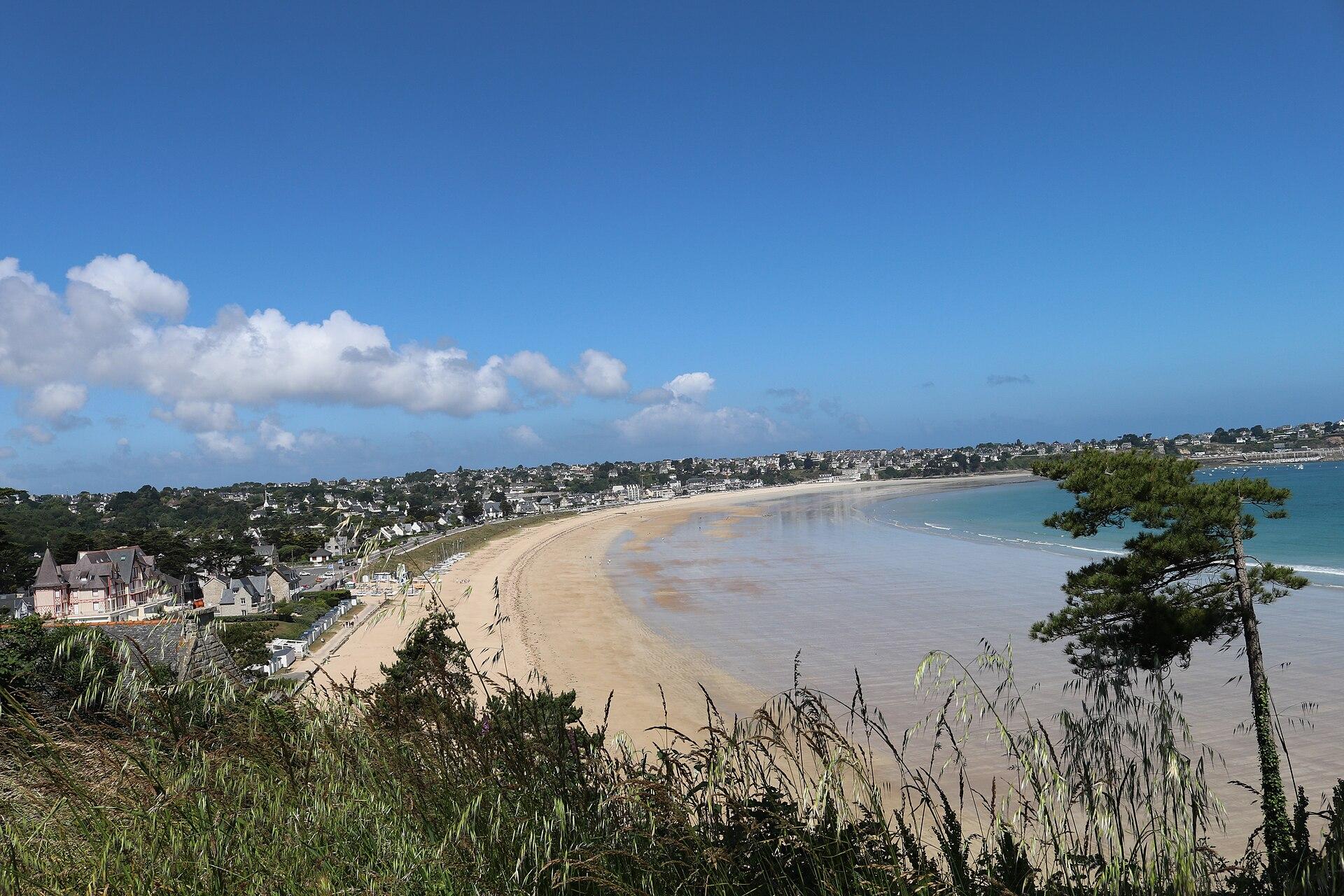 BeachGrande Plage de Saint-Cast-le-GuildoSaint-Cast-le-Guildo · 3 hours to a full dayIn Saint-Cast-le-Guildo, nearly 2 km of fine sand line the Les Mielles quarter, with lifeguarded swimming in summer, water sports, beach clubs, showers, wheelchair access and a promenade to the harbour.
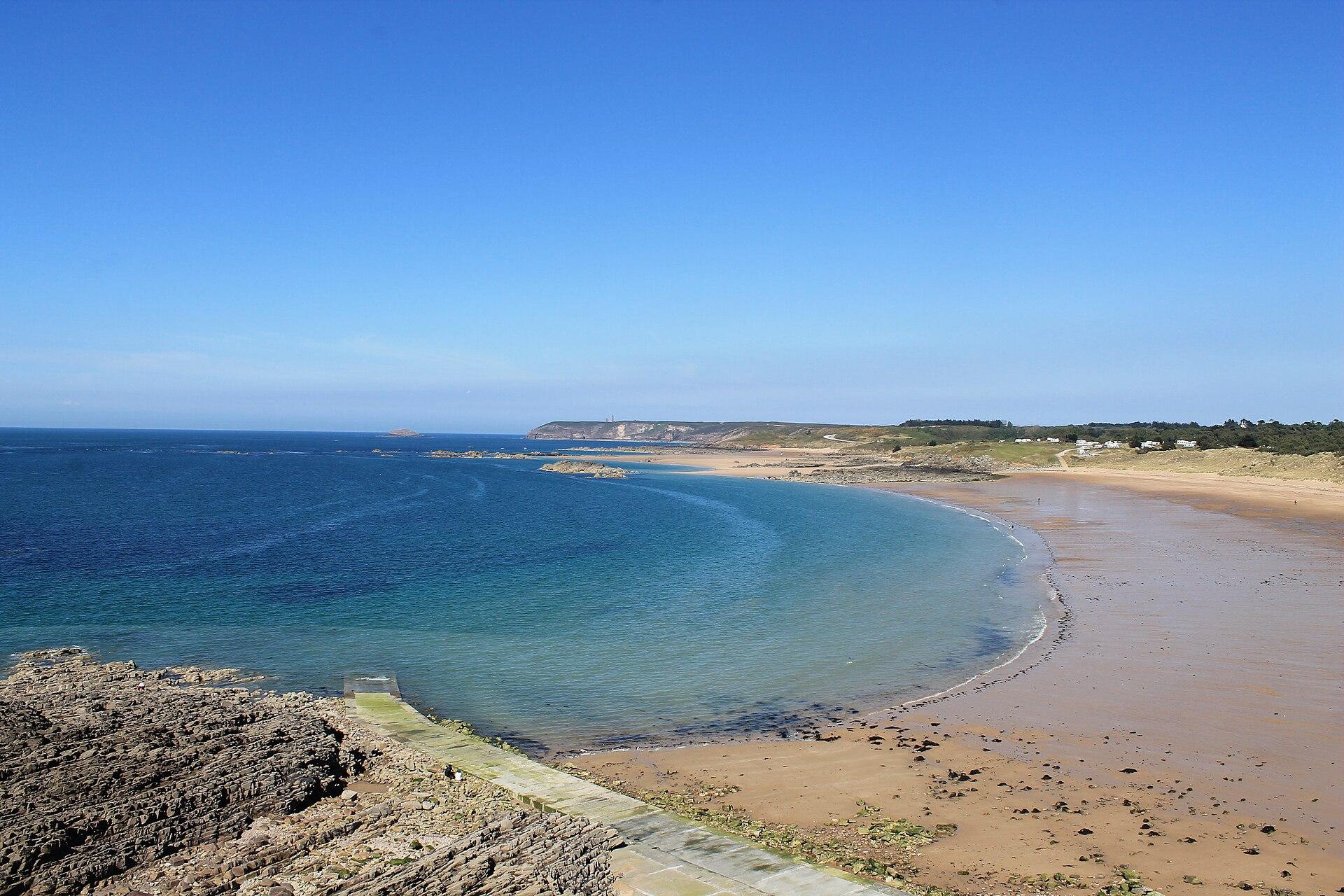 BeachPlage de l’Anse du CrocFréhel · 3 hours to a full dayIn Pléhérel-Plage, the Anse du Croc unrolls about 800 m of fine sand in front of a vast dune system, with a view of Cap Fréhel, lifeguarded swimming in summer, a Tiralo and direct access to the GR34.
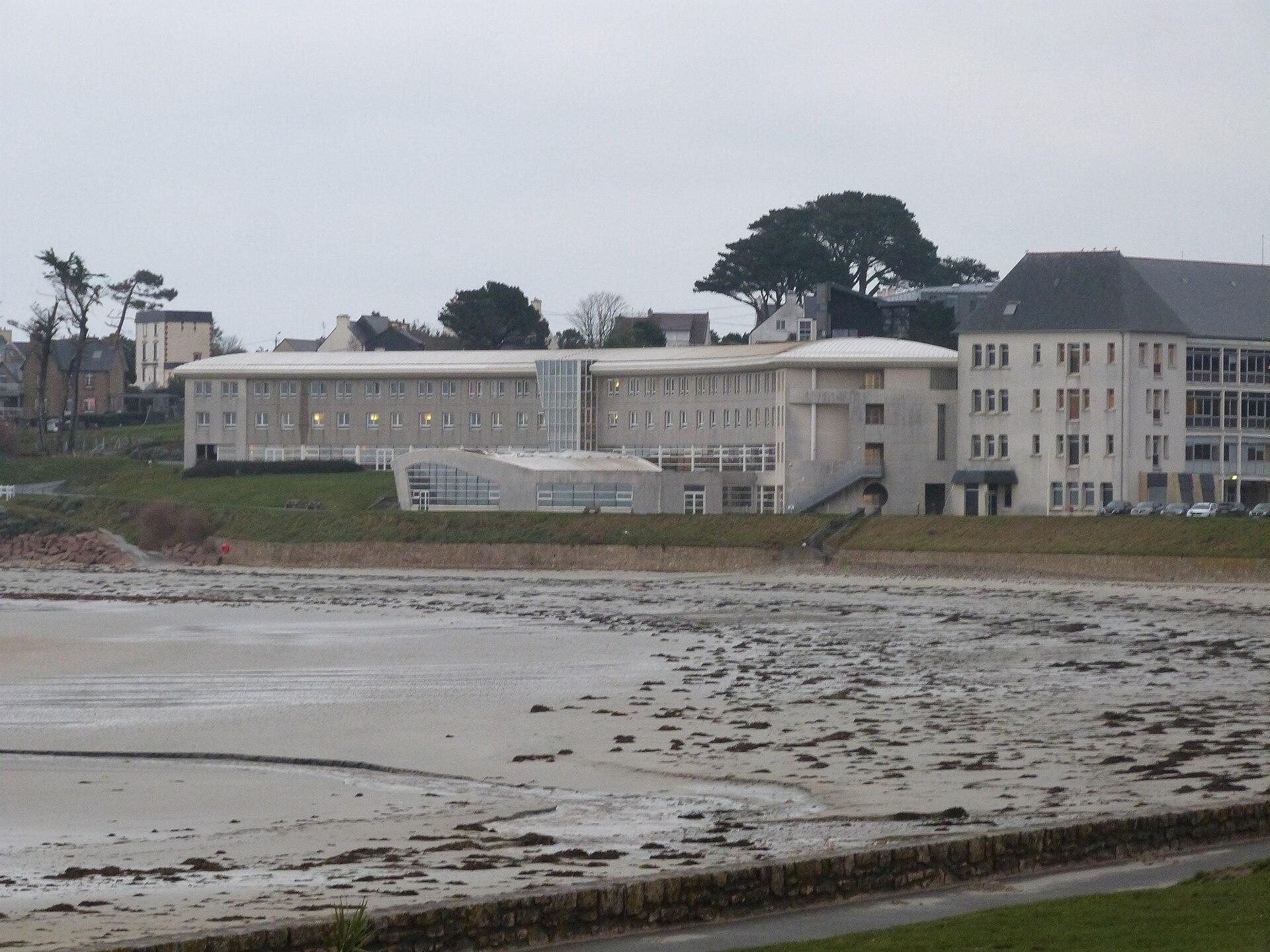 BeachPlage de TrestelTrévou-Tréguignec · 3 hours to a full dayIn Trévou-Tréguignec, Trestel is a large and lively beach of fine sand, popular for swimming, surfing, beach volleyball, summer events and improved wheelchair access.
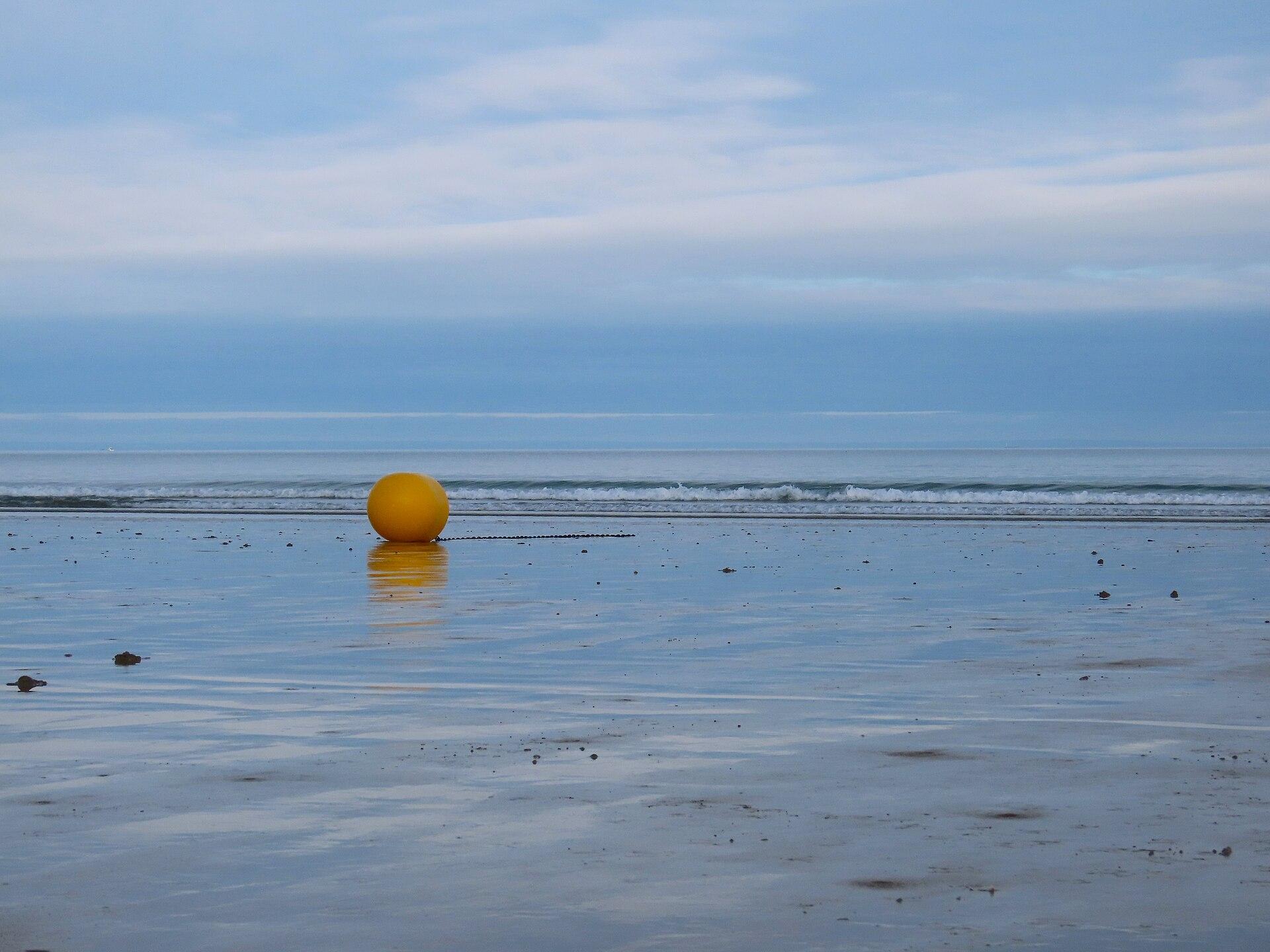 BeachPlage de CaroualErquy · 3 hours to a full dayIn Erquy, Caroual unrolls more than two kilometres of fine sand close to the town centre, with lifeguarded swimming in July and August, a first-aid post, showers, drinking water, volleyball, sand yachting, kitesurfing and three Tiralos.
Cap Fréhel and Fort La Latte
The cape rises seventy metres above the sea, on cliffs of schist and pink sandstone, and carries four hundred and fourteen hectares of heather and gorse heath: the largest such area on the French coast. At its foot, the Fauconnière reserve is home to fifteen seabird species, including the northern fulmar, the common guillemot and the rare razorbill. Fort La Latte, four kilometres away, sits on its own rock, separated from the land by a chasm.
Towns and villages
Dinan takes the prize: three kilometres of ramparts, and a Rue du Jerzual running down to the port in cobbles and half timbered houses. Paimpol, Tréguier and Moncontour are smaller and less visited, which is their charm in July.
Villages and heritage
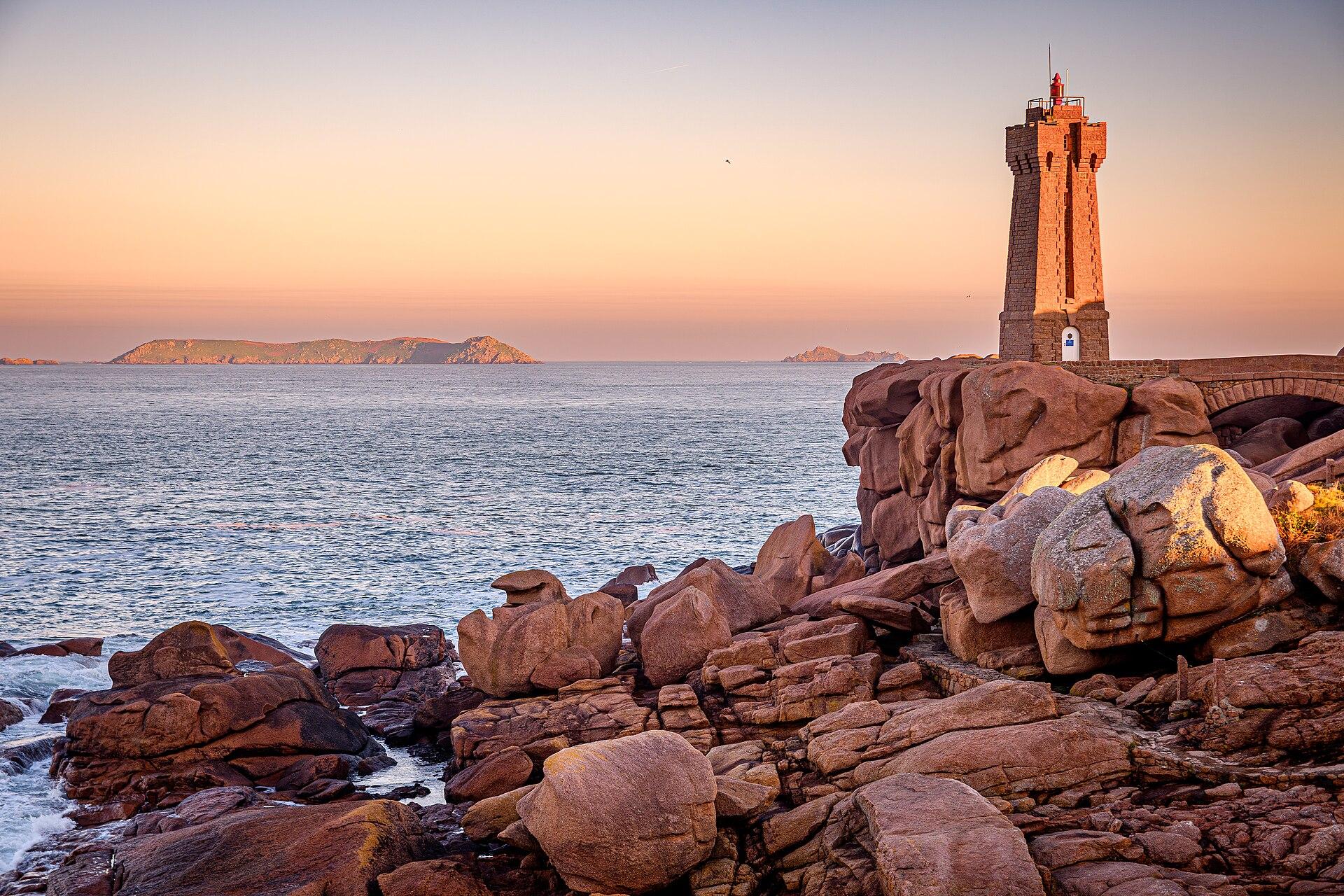 VillagePloumanac’hPerros-Guirec · 2 hours minimum, half a day to a full day with a walk to TrégastelPloumanac’h brings together a natural harbour, Saint-Guirec beach, an oratory, the Mean Ruz lighthouse and huge jumbles of pink granite along one of the finest stretches of the GR34.
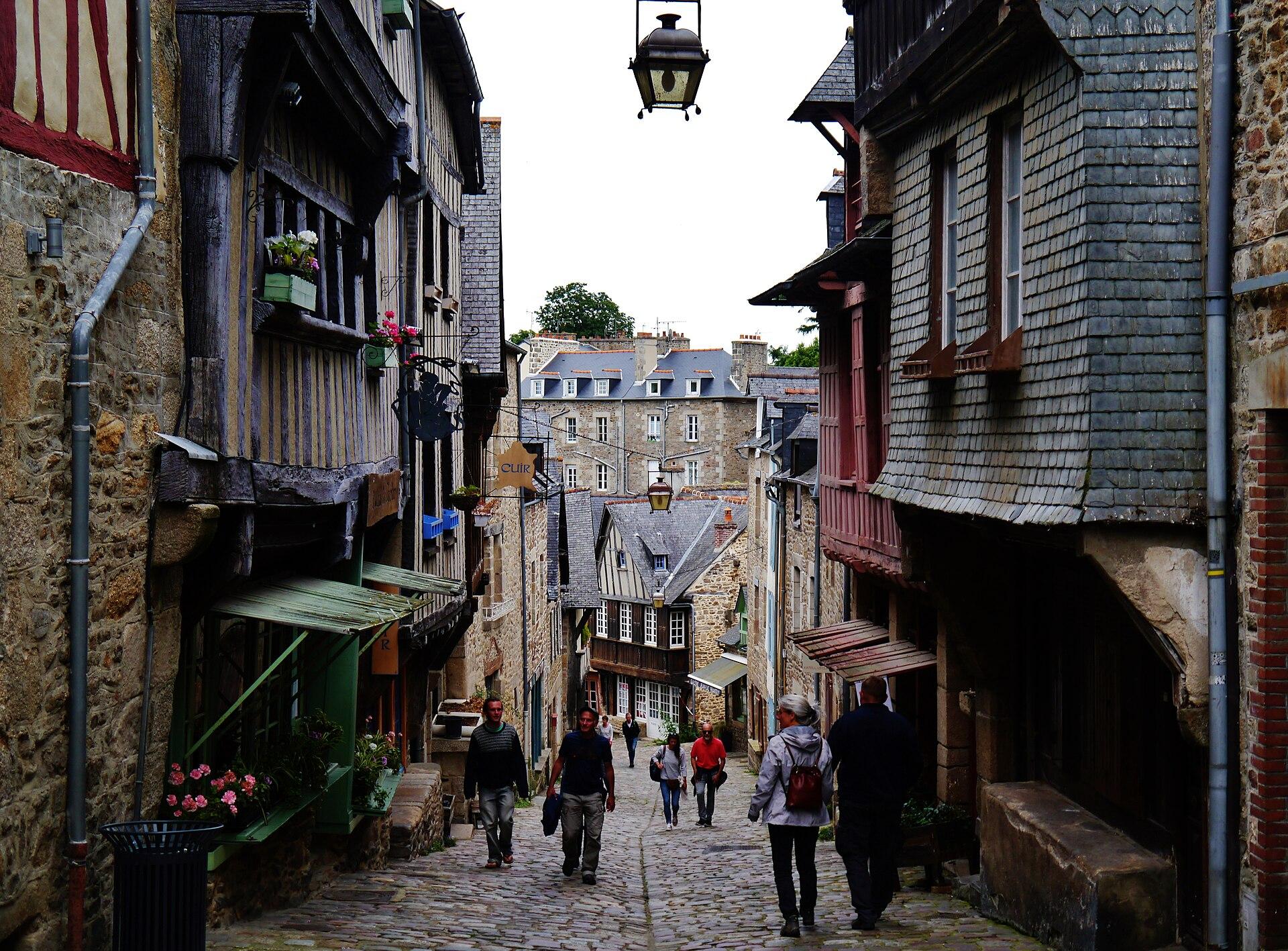 VillageDinan, historic centreDinan · A full day recommended, half a day minimumDinan unfolds more than two kilometres of ramparts, half-timbered houses, a castle, a basilica, the Rue du Jerzual and a port on the Rance, in one of the most spectacular medieval ensembles in Brittany.
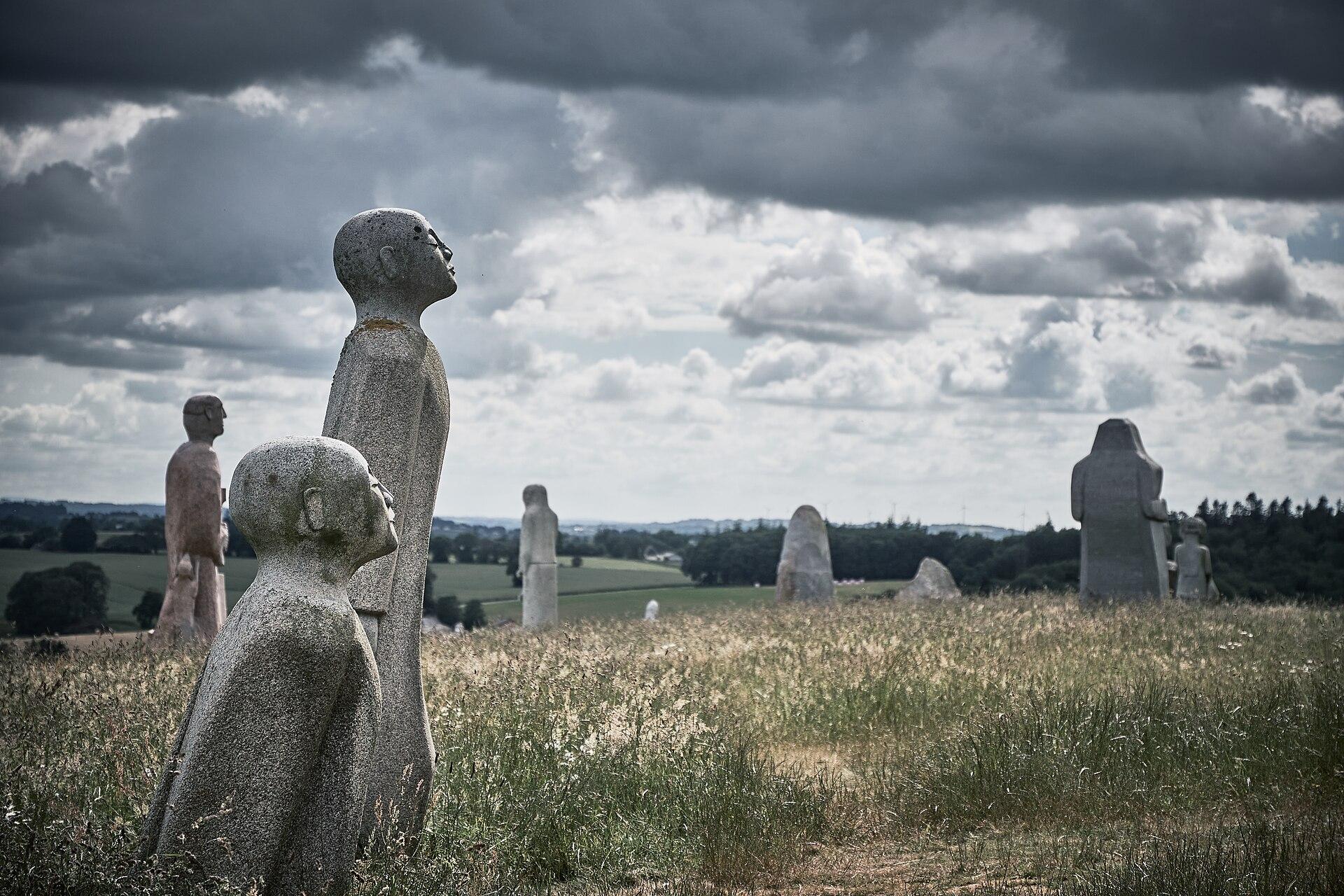 Heritage siteValley of the SaintsCarnoët · Two hoursMore than 200 monumental statues in Breton granite on a hill in Central Brittany, in a contemporary project that aims for a thousand.
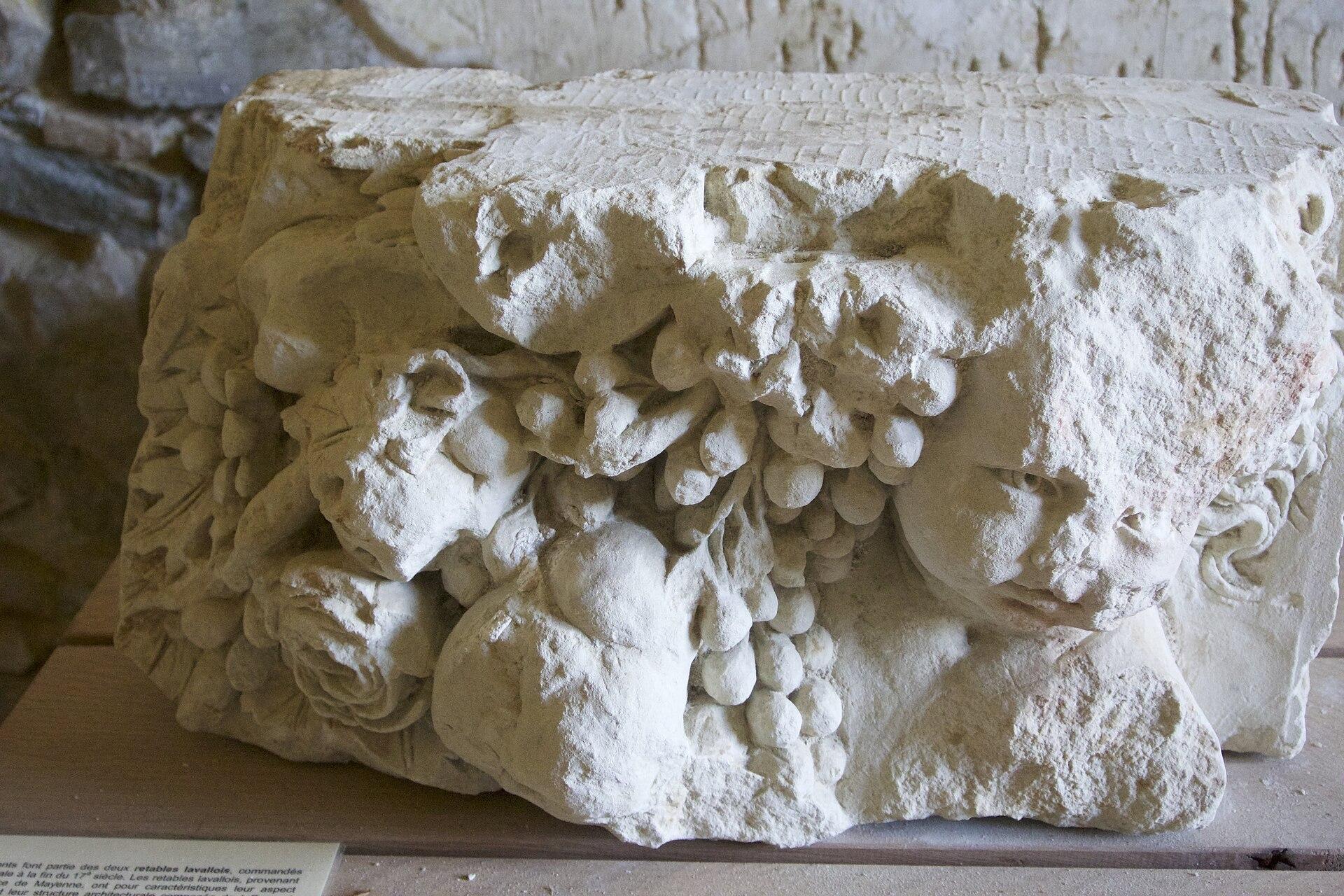 Heritage siteAbbaye de BeauportPaimpol · 1 h 30 to 2 hours, half a day with the estateFounded around 1202 on the bay of Paimpol, the only Premonstratensian abbey in Brittany: a roofless church, cloister, chapter house, orchards and a free 120-hectare natural estate.
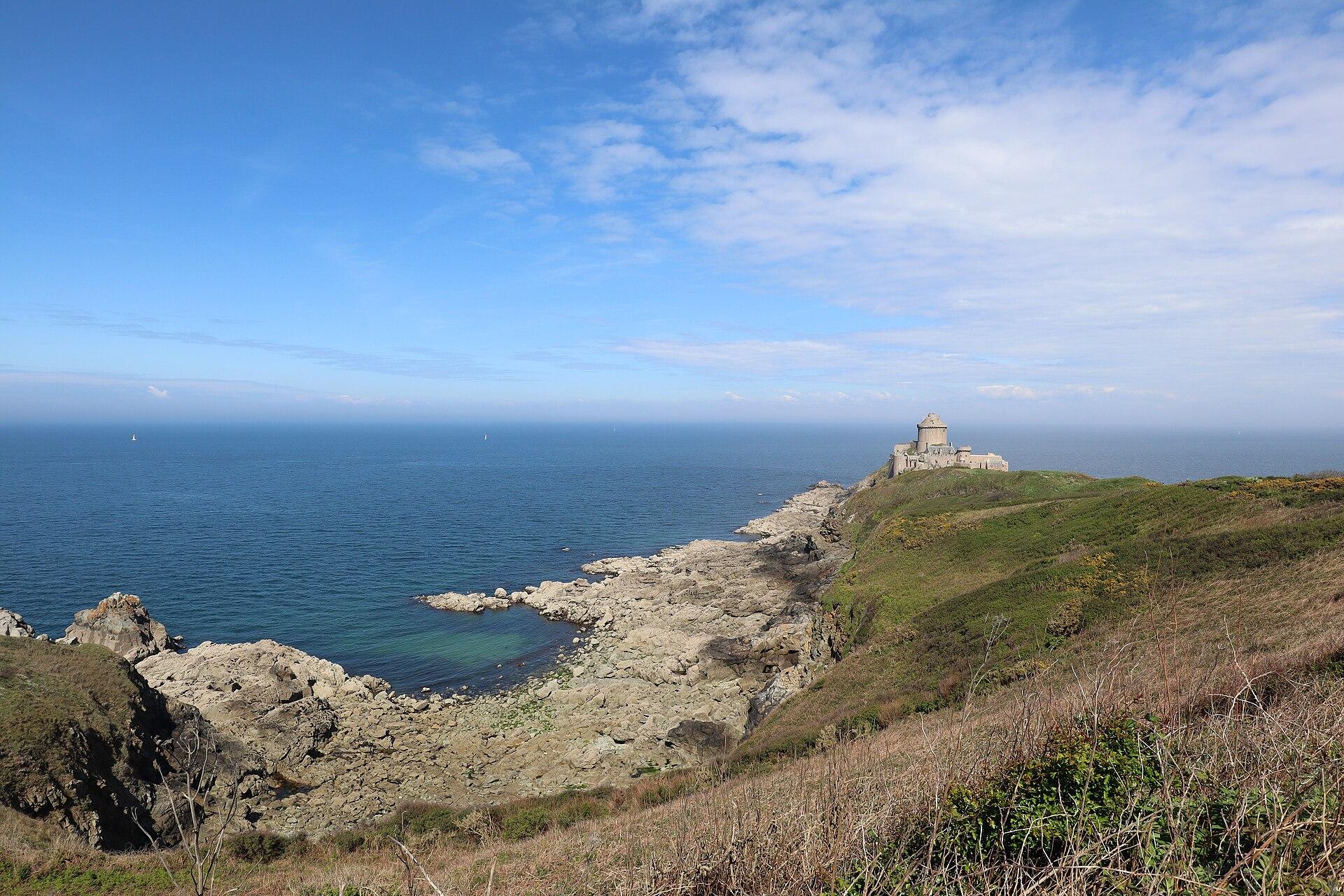 CastleFort La LattePlévenon · 1 h 30 to 2 hoursOn a rocky headland facing the sea, Fort La Latte is one of the most spectacular fortresses in Brittany, with a medieval keep, a drawbridge and panoramas over the Emerald Coast.
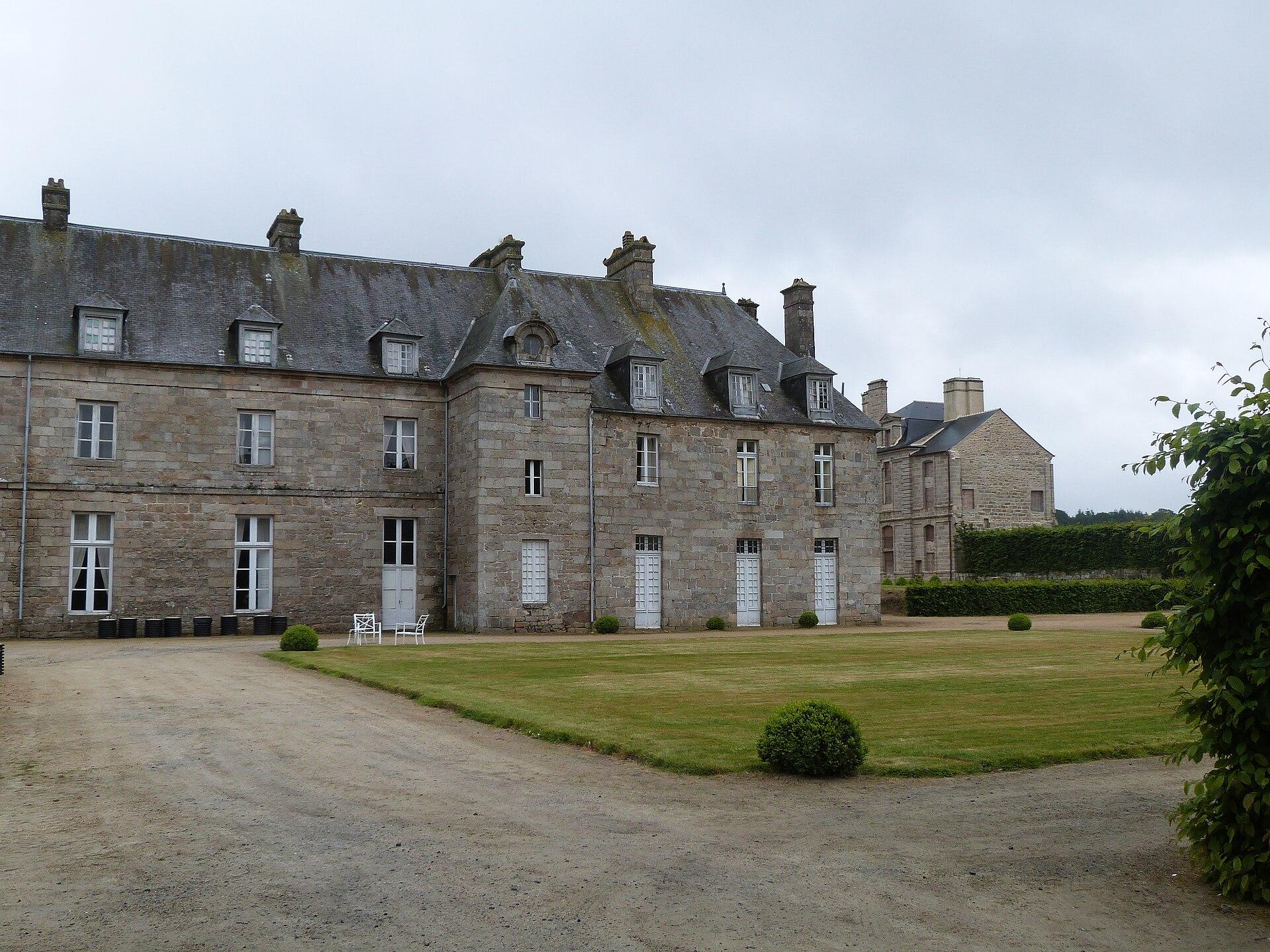 CastleChâteau de QuintinQuintin · 1 h 30 to 2 hoursIn the heart of Quintin, a single estate brings together medieval ramparts, the Tour des Archives, a 17th-century château, an 18th-century mansion and a French-style park.
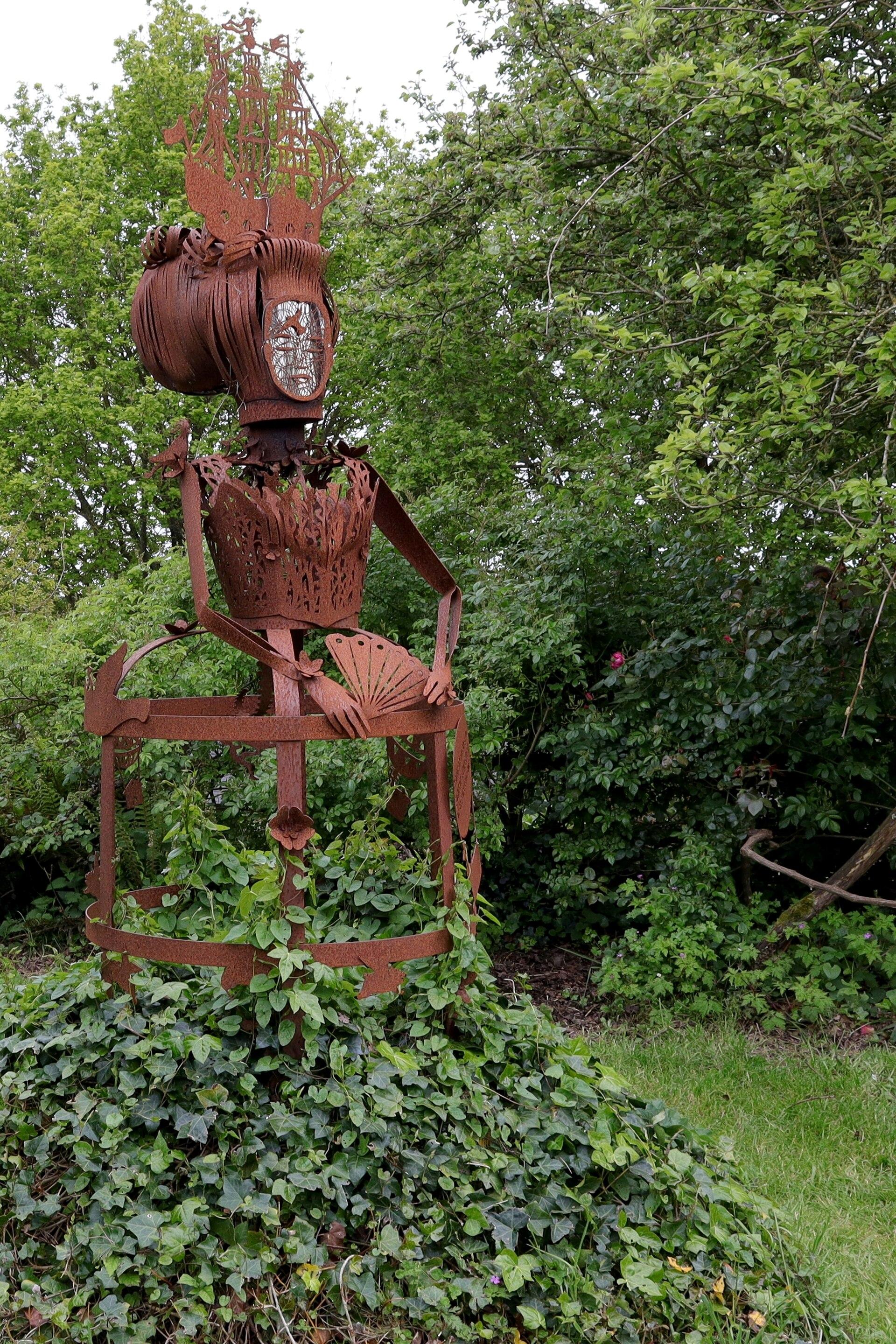 CastleDomaine de la Roche-JaguPloëzal · 2 h 30 to 4 hoursAbove the Trieux, La Roche-Jagu combines a 15th-century fortified manor, exhibitions and a 64-hectare landscaped park open all year round.
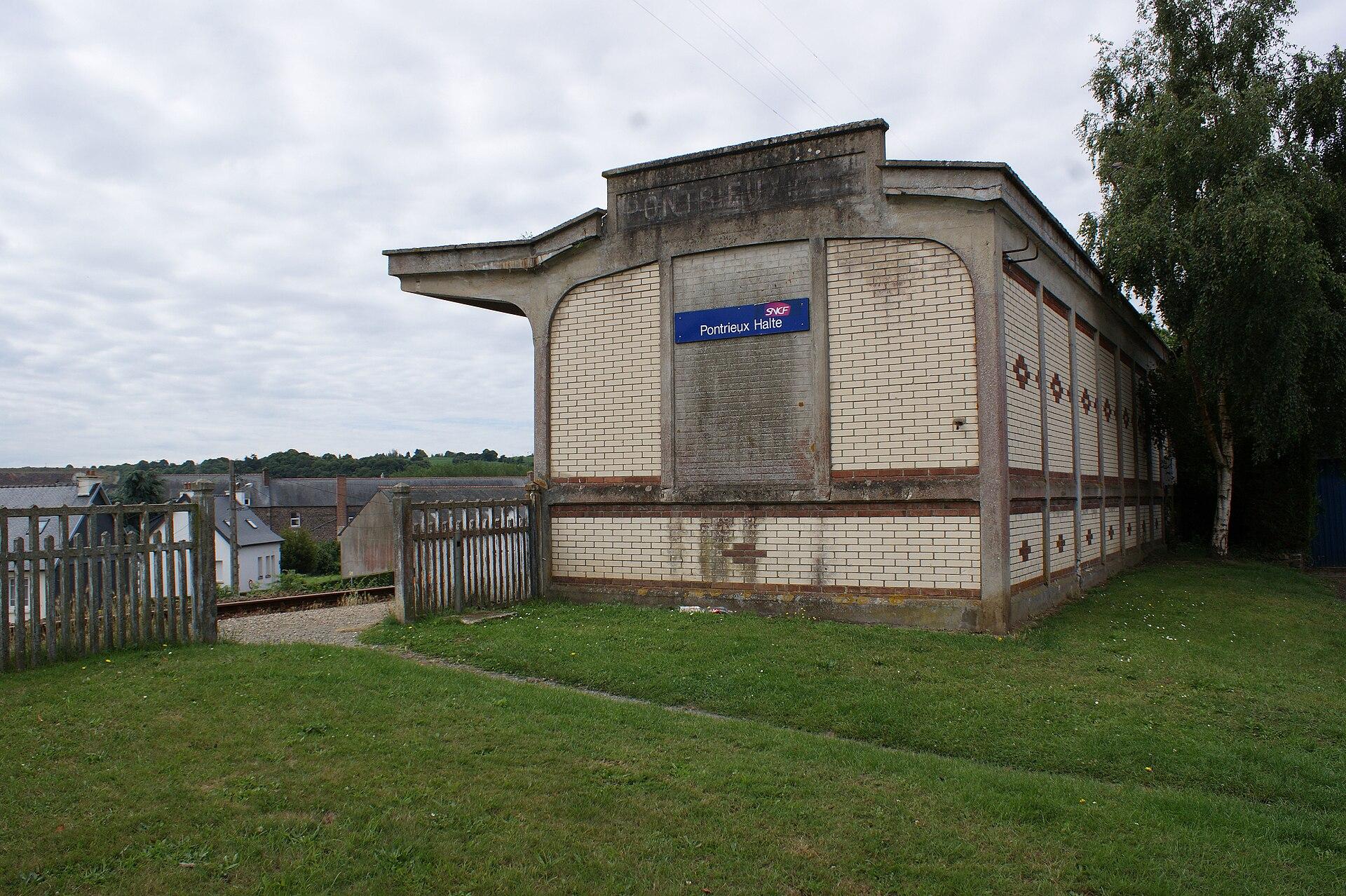 VillagePontrieuxPontrieux · 2 hours to half a day, longer with the boat tripPontrieux unfolds old houses, bridges, flowery quays and nearly fifty wash houses along the Trieux, best discovered from a small boat.
The Île de Bréhat
Ten minutes by boat from the Pointe de l’Arcouest, and cars are banned. The island is in fact two, linked by a bridge: to the south, hydrangeas, mimosas and fig trees; to the north, heathland and pink granite. The blue hydrangeas flower in May and June. The island is three and a half kilometres long, so it can be explored on foot in a day.
Walking
The GR 34 runs along the whole department, and this is one of its most beautiful sections. Short loops around the capes let you see the essentials in half a day.
Hikes in Côtes-d’Armor
- WalkÀ la rencontre de la FloraSaint-Alban · 3 hoursAn 11.9 km loop in Saint-Alban, from the heights of the hilltop village to the Flora valley, with a series of views.
- WalkAu-delà du Menez Bré et du géant de pierre de PergatLouargat · 2 h 30A 9.6 km loop in Louargat: the climb up the Menez Bré and its chapel, a view over the Trégor, then the Pergat menhir, a giant more than 7 m high.
- WalkAu fil du MeuLoscouët-sur-Meu · 3 hoursA 14.6 km loop in Loscouët-sur-Meu, approved by the Hiking Federation: a pond, the banks of the Meu and a Moorish-style bell tower in the countryside.
- WalkAu Pays de Saint-GuihenLandéhen · 3 h 15A 9.8 km loop in Landéhen, between history and nature: places of worship dedicated to Saint Guihen and the green Gouëssant valley.
- WalkAutour de l'étang de BeffouLoguivy-Plougras · 1 hourAn easy 3.4 km loop around the Beffou pond, on the edge of the Monts d’Arrée: heathland, legends and a feudal motte of the Dukes of Brittany.
- WalkAutour de LancieuxBeaussais-sur-Mer · 3 hoursAn 11.8 km loop around Lancieux: the Ébihens archipelago, the Frémur reed beds and the salt marshes of the bay of Beaussais.
- WalkAutour de PlouaretPlouaret · 2 hoursA short, shady 5.1 km loop around Plouaret, along sunken lanes lined with hedges and beeches, ideal for families.
- WalkBalade au pays des TorsPlougrescant · 2 hoursAn easy 5.7 km loop around the Gouffre site in Plougrescant: geology, wildlife, plants, uses of the shore and legends.
Where to stay
Campsites and hotels
- HotelCastel Beau SitePloumanac’h / Perros-Guirec · 1 night to several daysOn Saint-Guirec beach in Ploumanac’h, Castel Beau Site is a 4-star hotel with 33 rooms and suites, spectacular views of the Pink Granite Coast and a gastronomic restaurant.See prices and bookPartner link Booking.com
- HotelL'Agapa Hôtel SpaPerros-Guirec · 2 to 3 nights minimum to enjoy the spa and the Pink Granite Coast.A 5-star hotel with 45 rooms spread over three buildings in Perros-Guirec, with a 400 m² CODAGE Spa, pool, sauna, hammam, hot tub, fitness and Le Bélouga restaurant.See prices and bookPartner link Booking.com
- HotelManoir de Lan-KerellecTrébeurden · 2 to 3 nights for the hotel, the food and the Pink Granite Coast.A 4-star Relais & Châteaux with 18 rooms in Trébeurden, almost all facing the sea, with a Michelin-starred restaurant and panoramas over the islands of the Pink Granite Coast.See prices and bookPartner link Booking.com
- CampsiteCamping Paradis Les CapucinesTrédrez-Locquémeau · 1 night or moreIn Trédrez-Locquémeau, Les Capucines is a 4-hectare flower-filled park 1 km from the Saint-Michel strand, with an indoor pool and a slide.
- HotelHôtel Ker MoorSaint-Quay-Portrieux · 1 to 5 nightsIn Saint-Quay-Portrieux, Ker Moor is a 4-star hotel of 30 rooms facing the sea, with a heated outdoor pool, a panoramic rooftop, secure parking and electric bike hire.See prices and bookPartner link Booking.com
- HotelChâteau de BoisgelinPléhédel · 1 night to several daysIn Pléhédel, the Château de Boisgelin is an intimate 4-star hotel of 14 rooms set in a vast wooded estate, with Mathieu Kergourlay’s restaurant and a 12-hole golf course.See prices and bookPartner link Booking.com
- HotelHôtel de DianeSables-d’Or-les-Pins / Fréhel · 1 to 4 nightsIn Sables-d’Or-les-Pins, the Hôtel de Diane is a historic 4-star hotel of 45 rooms, 100 m from the beach, with Le 1925 bistronomic restaurant, a lounge bar, a hot tub, sauna, treatments, free parking and two accessible rooms.See prices and bookPartner link Booking.com
- CampsiteCamping Les Hauts de Port BlancPenvénan · 1 night or moreIn Penvénan, facing the Sept-Îles, Les Hauts de Port Blanc has heated indoor and outdoor pools and a wellness chalet with a sauna.
Prices and opening dates change from one season to the next: check with the establishment.
Going further
Côtes-d’Armor, in the journal
- What to do in Côtes-d’Armor during the Christmas holidays
- What to do in Saint-Brieuc during the Christmas holidays
- What to do in Côtes-d’Armor at All Saints’
- What to do in Saint-Brieuc during the All Saints’ holidays
- What to do in Dinan: the complete guide
- What to do in Perros-Guirec: the complete guide
- What to do in Saint-Brieuc: the complete guide
- What to do in Paimpol: the complete guide