Heritage
The castles of Brittany
Fortresses of the dukes, border strongholds and manor houses: which ones to visit, and what they tell us about an independent duchy.
7 min read
Breton castles do not look like those of the Loire, and it is a matter of history: Brittany was an independent duchy until 1532, surrounded by a more powerful neighbour. Its castles are therefore fortresses before they are homes, built of granite, squat, and often set on a border or a coast.
The most visible line of defence runs along the Vilaine and the Rennes area: Fougères, Vitré and Châteaubriant watched over the march between Brittany and France. To the west, it was the coasts that had to be held, against the English and then against everyone.
The fortresses of the march
Fougères is the most impressive: thirteen towers over two hectares, encircled by the Nançon, and the largest medieval fortress in Europe in this state of preservation. The towers tell of three periods: the oldest are square, the next round, the last horseshoe shaped. It takes two hours to visit, wall walk included, and you can see it from above from the public garden, which is worth the trip on its own.
Vitré, thirty kilometres away, is better preserved within its town: the castle stands at the end of a whole street of half timbered houses, making one of the most complete medieval ensembles in Brittany.
The coastal castles
Fort La Latte, near Cap Fréhel, sits on its own rock, separated from the land by a chasm crossed on a drawbridge. Suscinio, on the Rhuys peninsula, was the summer residence of the dukes, on the edge of the marshes. The castle in Saint-Malo now houses the town hall and a museum.
The castles in our guide
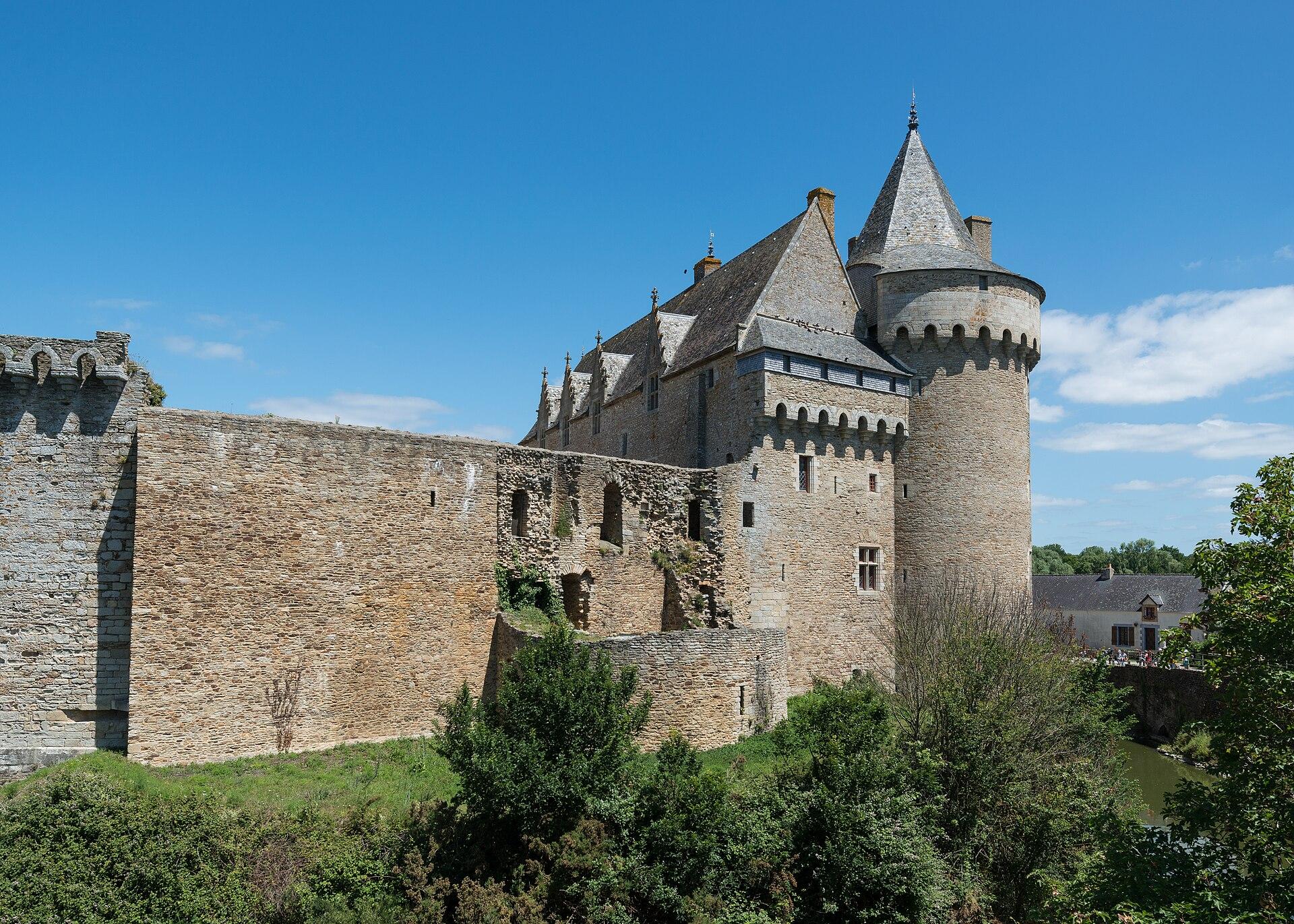 CastleSuscinio CastleSarzeau · 2 to 3 hoursBetween marshes and ocean, Suscinio was one of the great residences of the Dukes of Brittany; restored, it now combines a medieval castle, immersive displays and a natural estate.
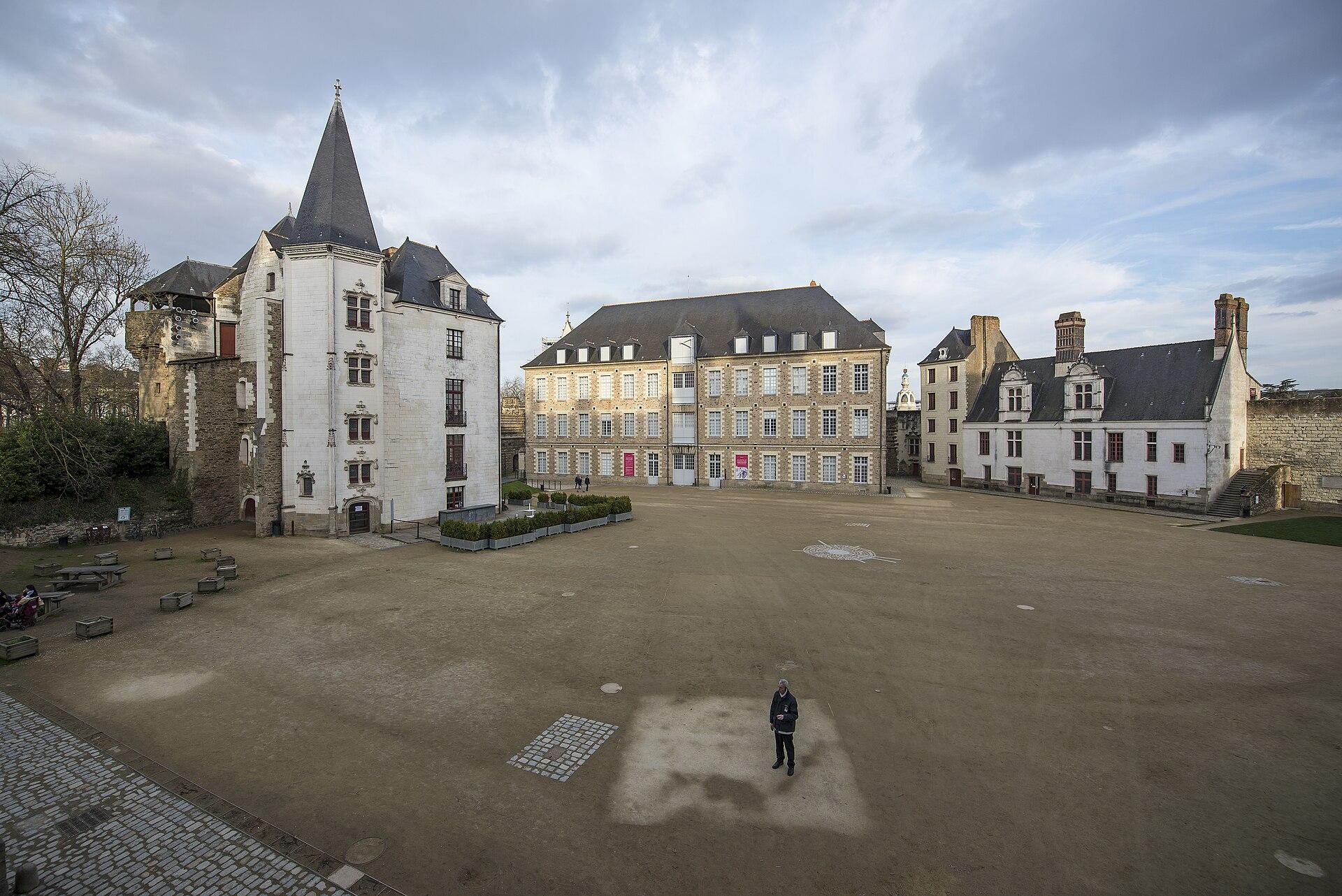 CastleChâteau des ducs de BretagneNantes · 2 h 30 to 3 h 30In the heart of Nantes, the Château des ducs de Bretagne combines medieval ramparts, a ducal palace in white tufa stone and a large museum devoted to the history of the city.
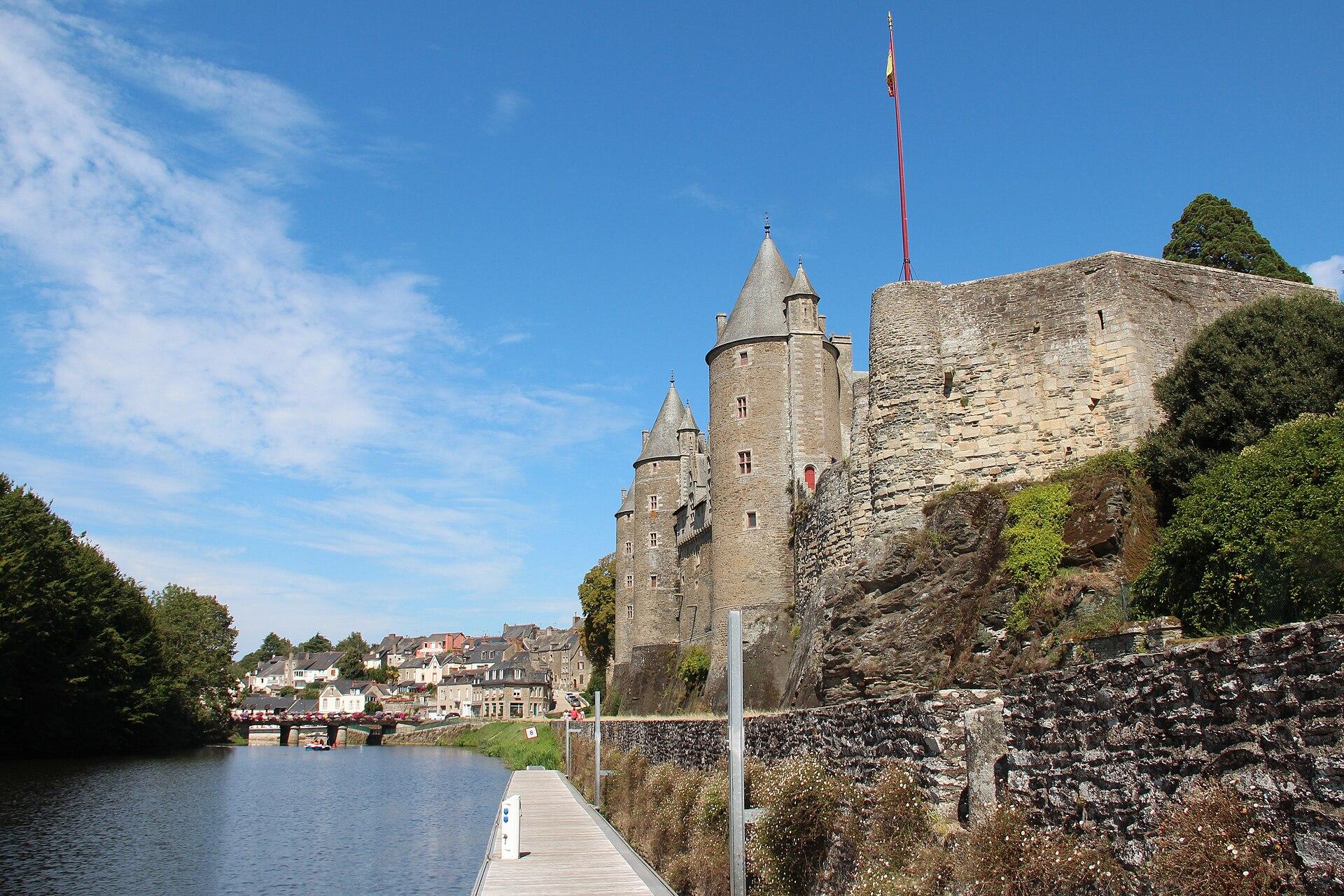 CastleChâteau de JosselinJosselin · 2 to 3 hoursAbove the Oust, Josselin combines powerful feudal towers, a finely carved Renaissance facade, furnished interiors and ten centuries of Rohan family history.
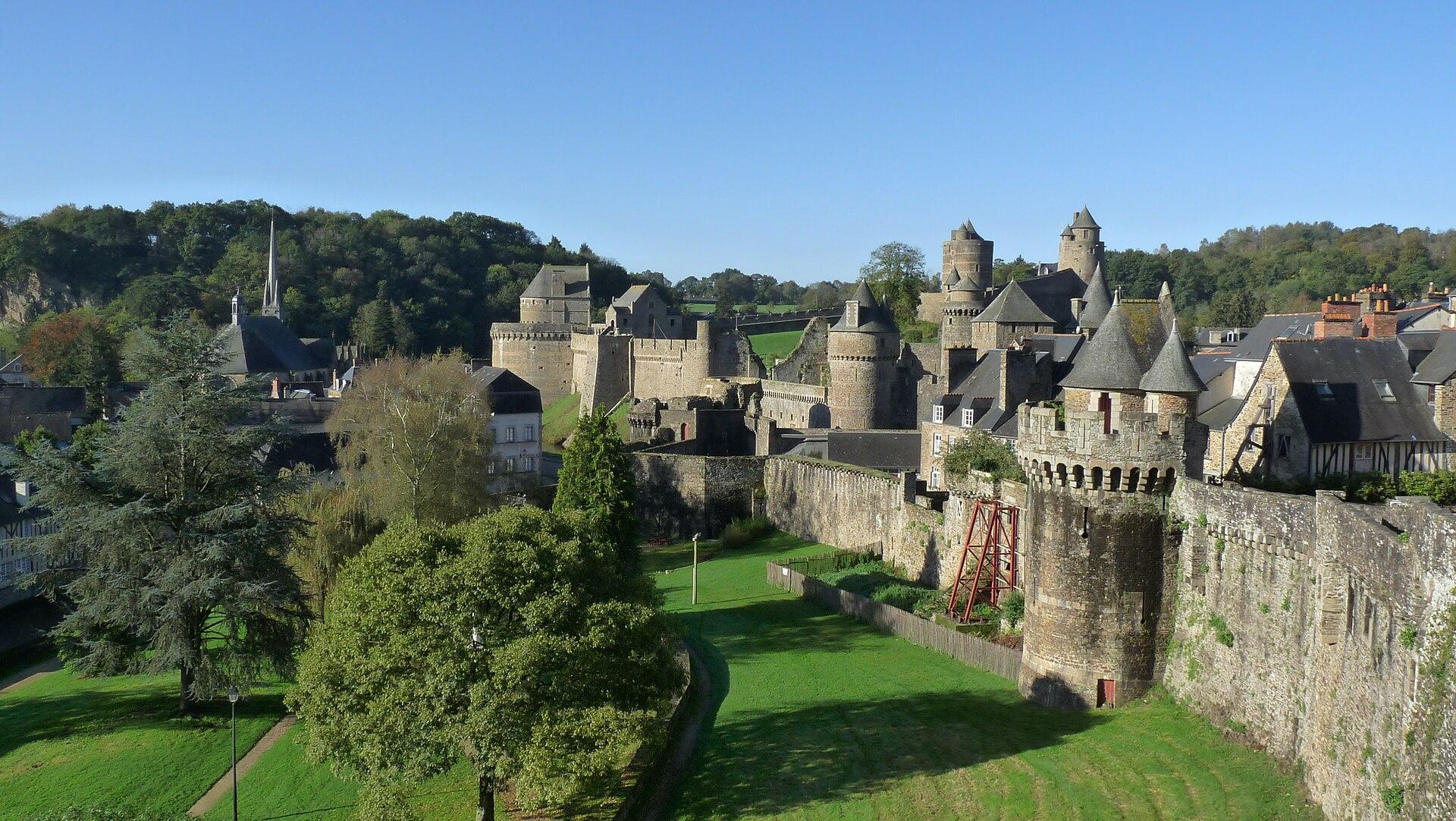 CastleChâteau de FougèresFougères · 2 to 2 h 30With its towers and three walled enclosures, Fougères has one of the most impressive medieval fortresses in Europe, in the heart of the former Marches of Brittany.
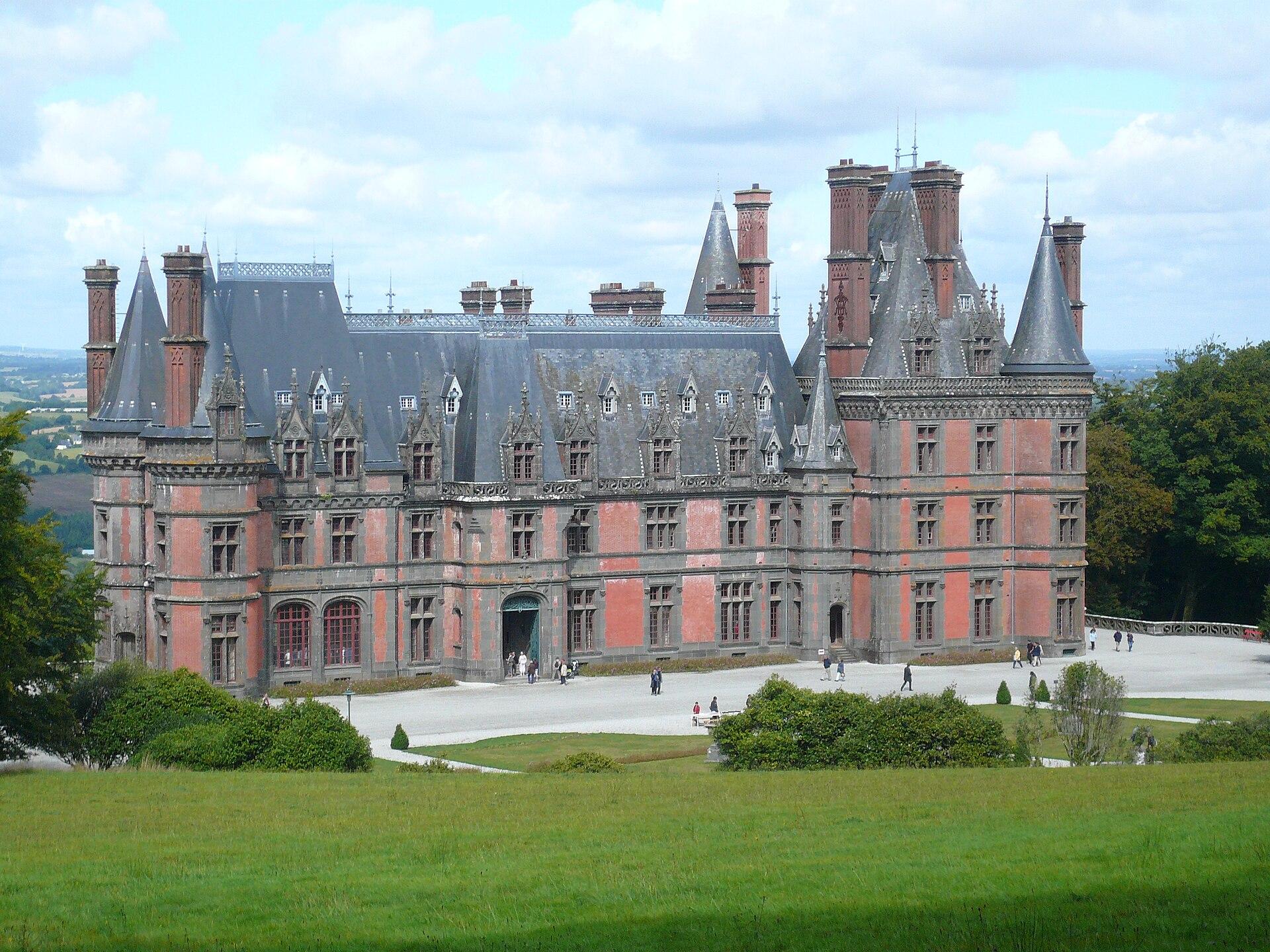 CastleChâteau de TrévarezSaint-Goazec · 2 h 30 to 3 h 30In Saint-Goazec, Trévarez is a Belle Époque château of pink brick and stone, surrounded by a vast park with the Jardin remarquable label and marked by the bombing of 1944.
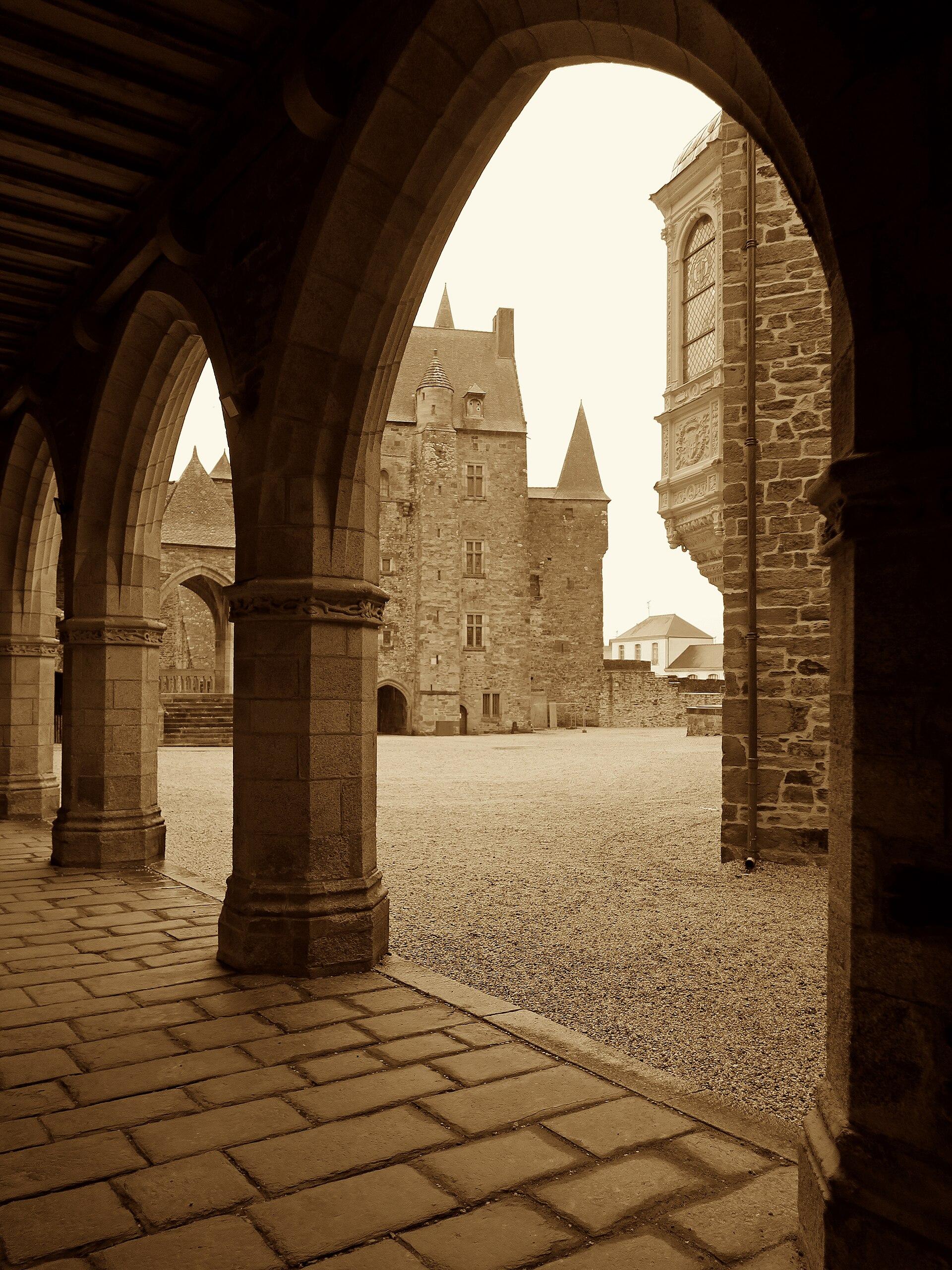 CastleChâteau de VitréVitré · 1 h 30 to 2 hoursOn its rocky spur, the Château de Vitré is a spectacular triangular fortress housing a museum and the town hall, in the heart of a remarkably well-preserved medieval town.
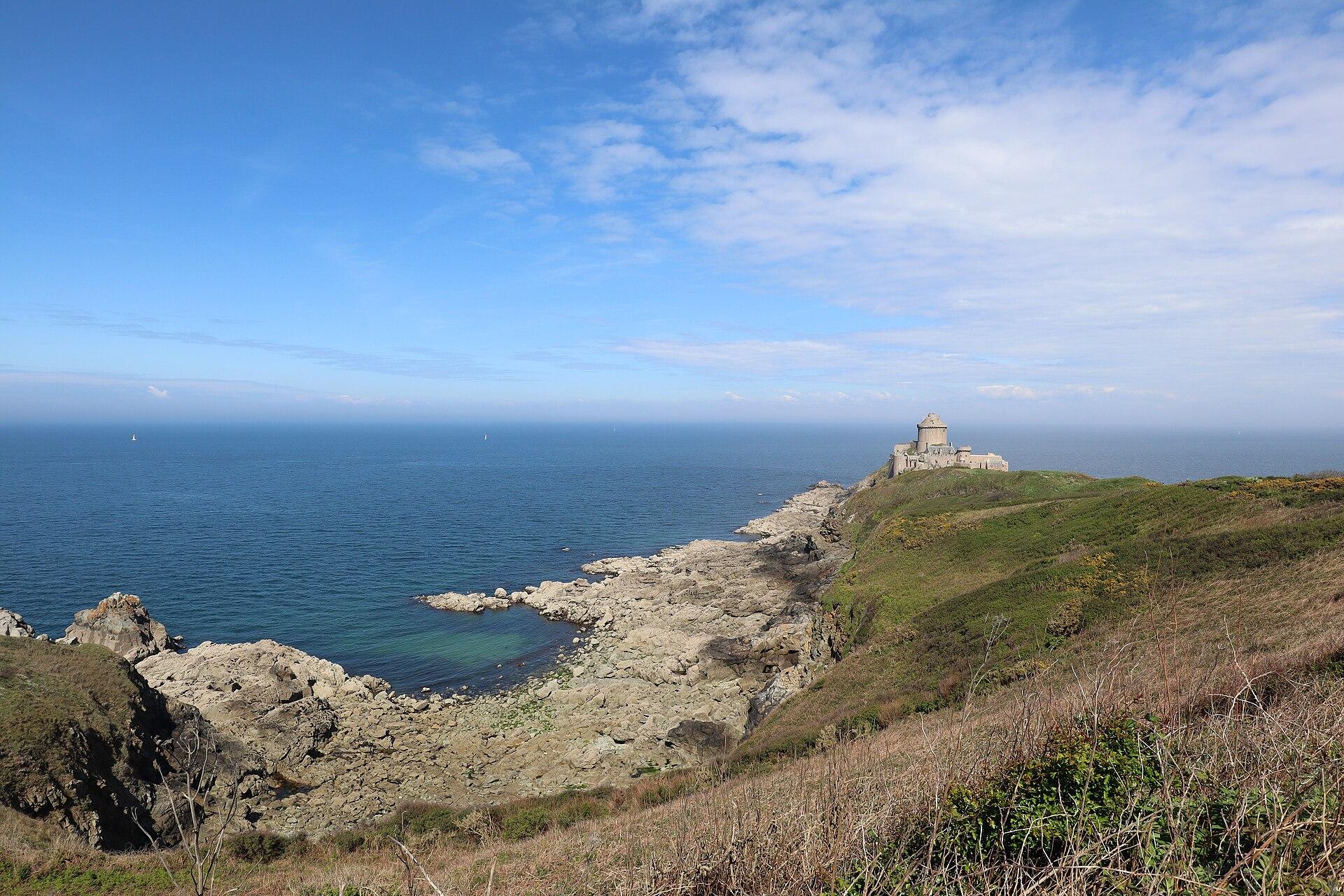 CastleFort La LattePlévenon · 1 h 30 to 2 hoursOn a rocky headland facing the sea, Fort La Latte is one of the most spectacular fortresses in Brittany, with a medieval keep, a drawbridge and panoramas over the Emerald Coast.
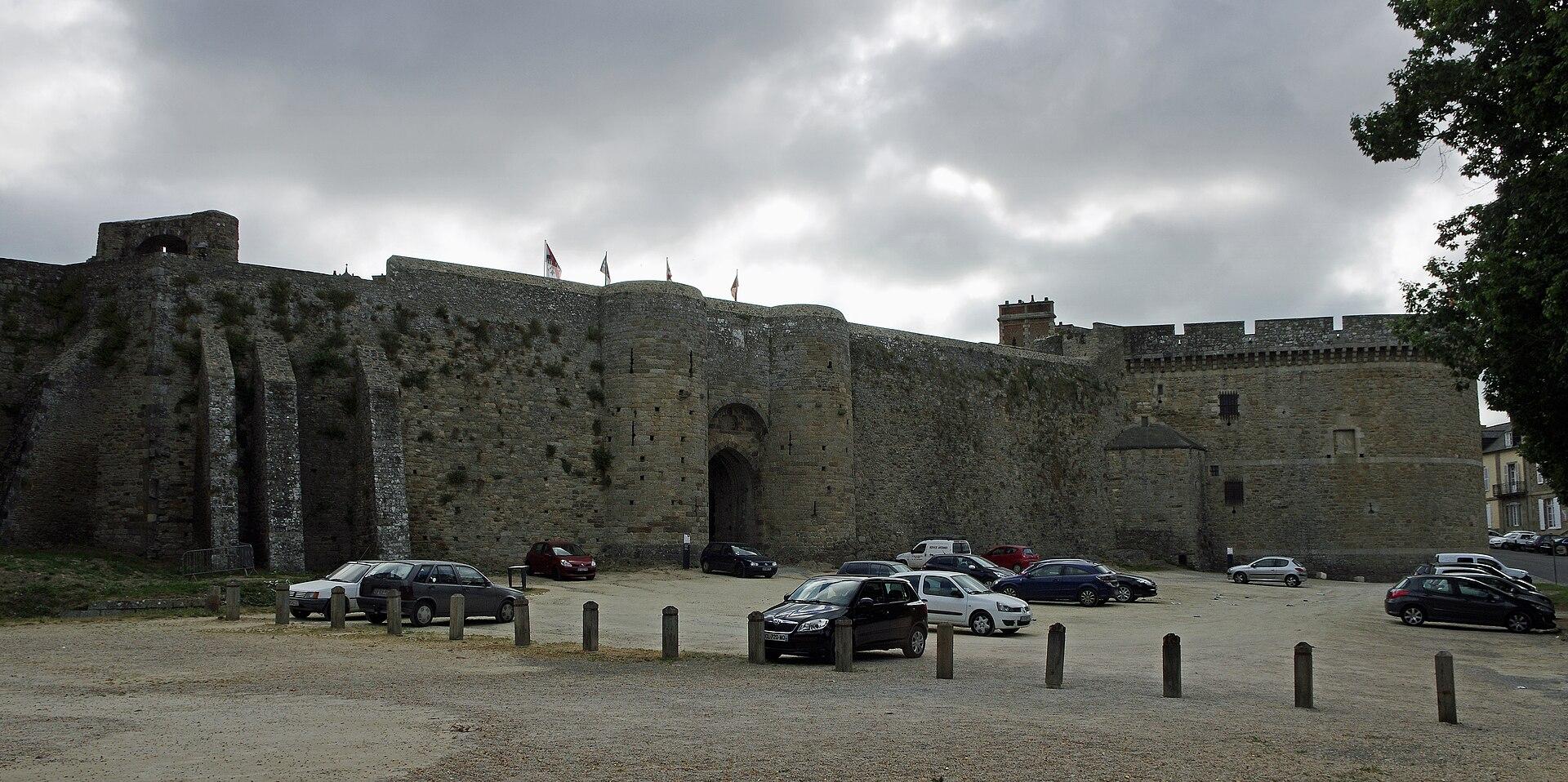 CastleChâteau de DinanDinan · 1 h 30The Château de Dinan is a 14th-century tower palace where “ghost” furniture and experimental archaeology bring the life of a princely residence back to life.
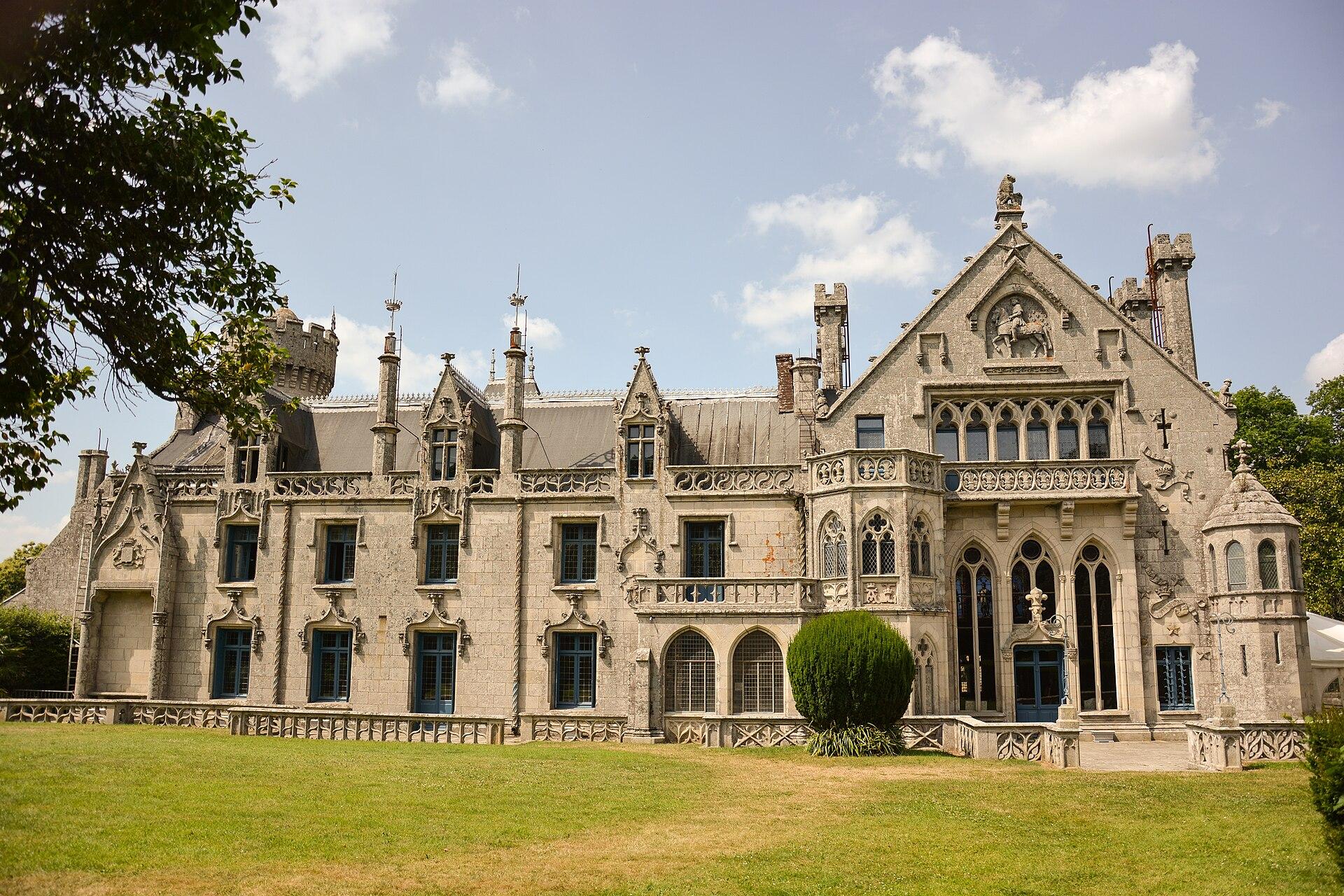 CastleChâteau de KérioletConcarneau · 1 to 1 h 30In Concarneau, Kériolet is a 19th-century neo-Gothic fantasy mixing granite, Breton symbols, sculpted decoration and a story worthy of a novel.
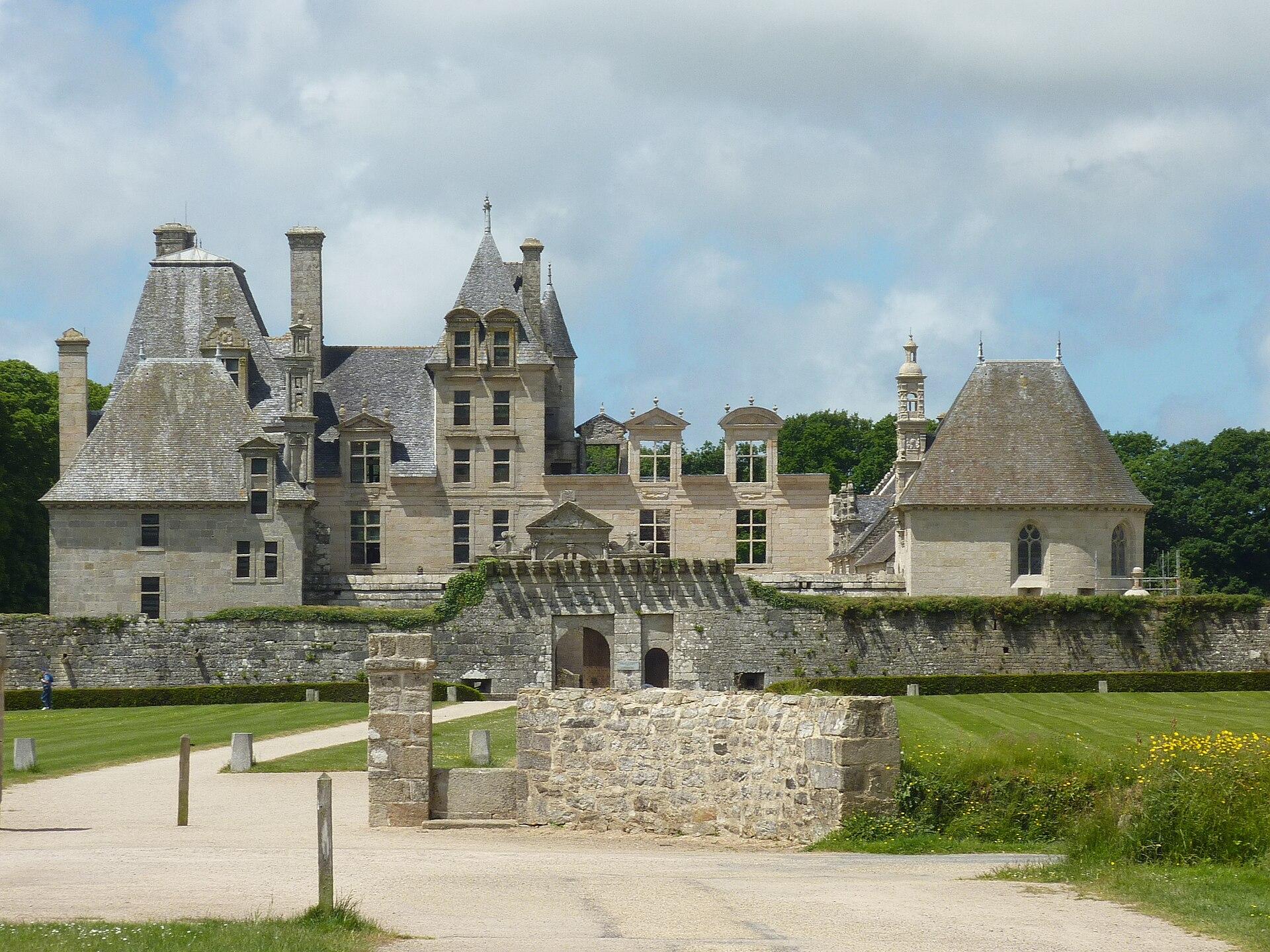 CastleChâteau de KerjeanSaint-Vougay · 2 to 2 h 30In Saint-Vougay, Kerjean combines a great Renaissance mansion with a fortified enclosure, dry moats and an ambitious cultural programme.
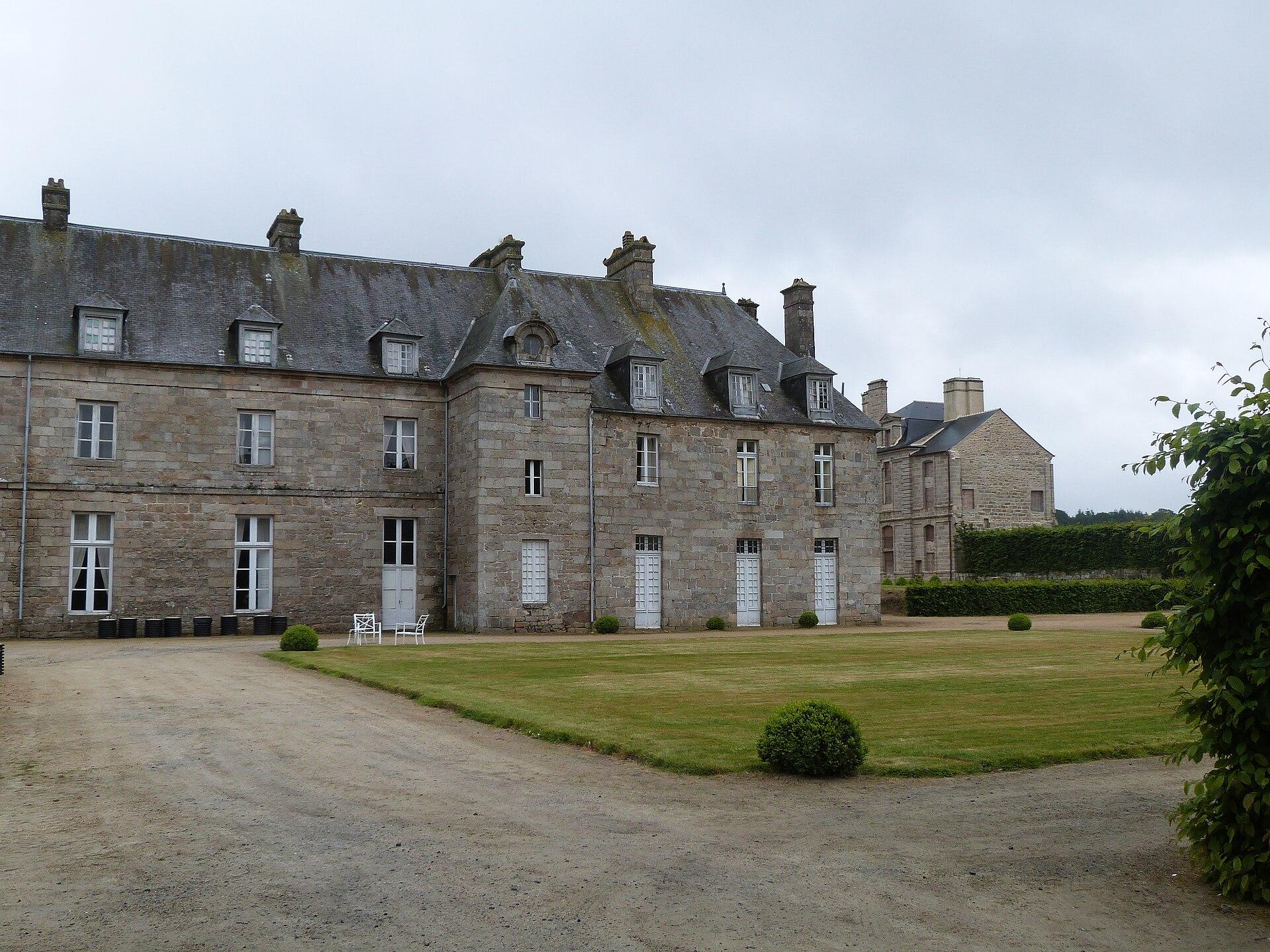 CastleChâteau de QuintinQuintin · 1 h 30 to 2 hoursIn the heart of Quintin, a single estate brings together medieval ramparts, the Tour des Archives, a 17th-century château, an 18th-century mansion and a French-style park.
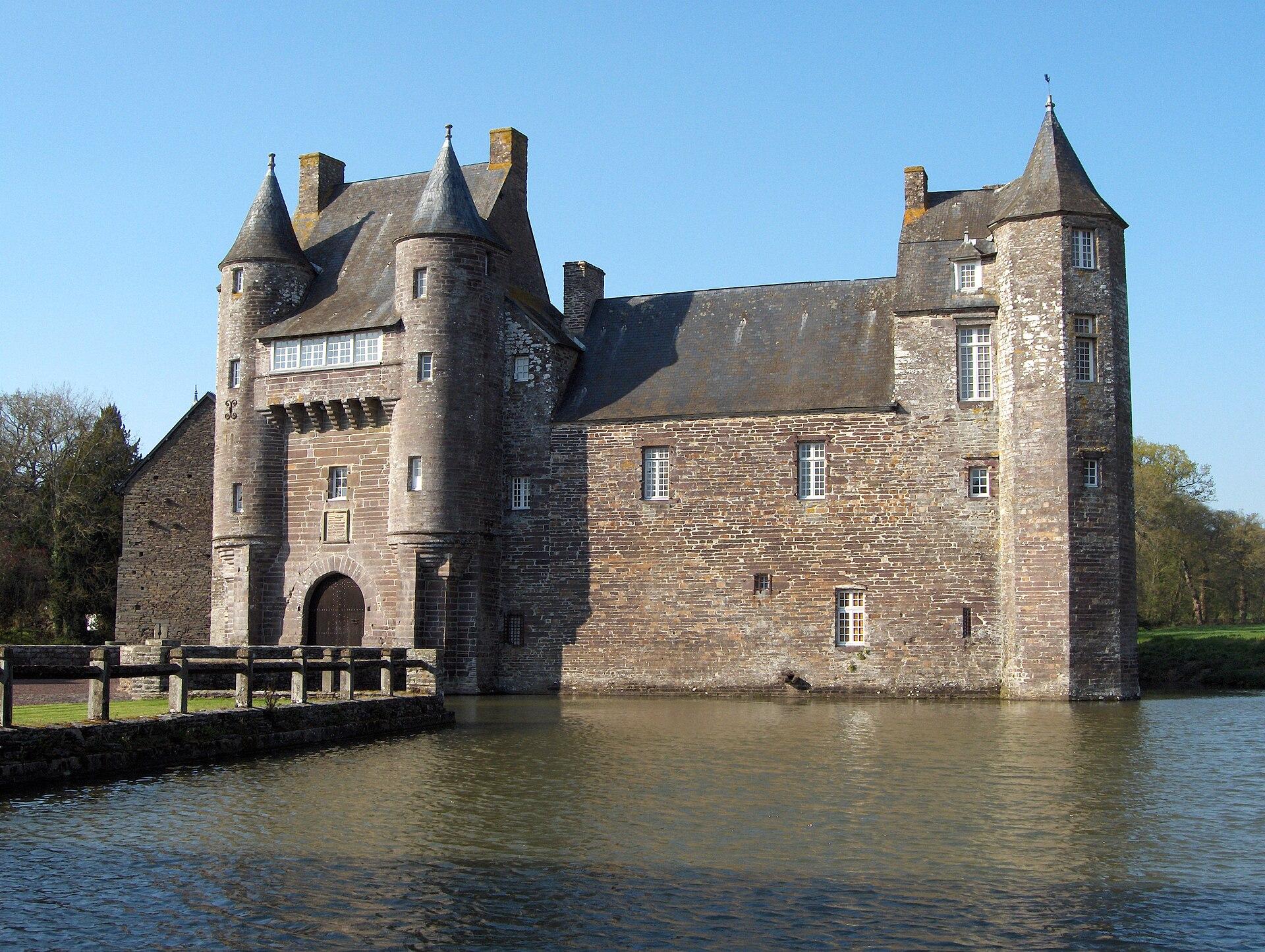 CastleChâteau de TrécessonCampénéac · 20 to 40 minutes to see it from outsideBy the water, in the world of Brocéliande, Trécesson is a private château of red schist surrounded by moats and legends.
Opening hours and prices change with the season, and many close from November to March: check before you go.
What to know before you visit
The heritage around them
A castle is never visited alone: it has a town around it, and that is often what makes the trip worthwhile. The parish closes of Finistère, the medieval towns of Dinan and Guérande, and the manor houses of the Trégor complete what the fortresses tell.
Heritage and villages of character
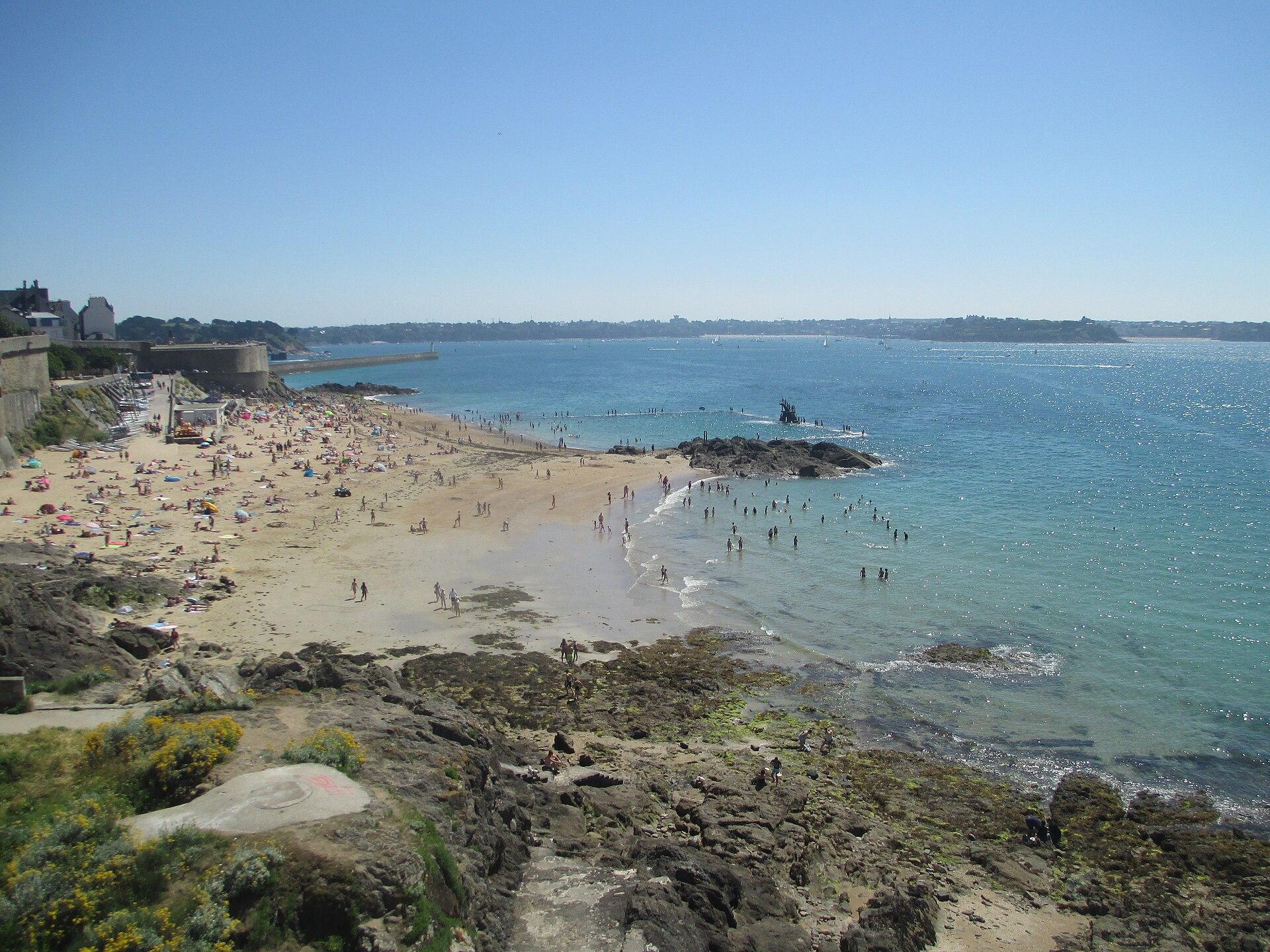 Heritage siteSaint-Malo Intra-MurosSaint-Malo · A dayA walled city entirely encircled by 1,754 metres of granite ramparts, facing the Channel, to the rhythm of the highest tides in Europe.
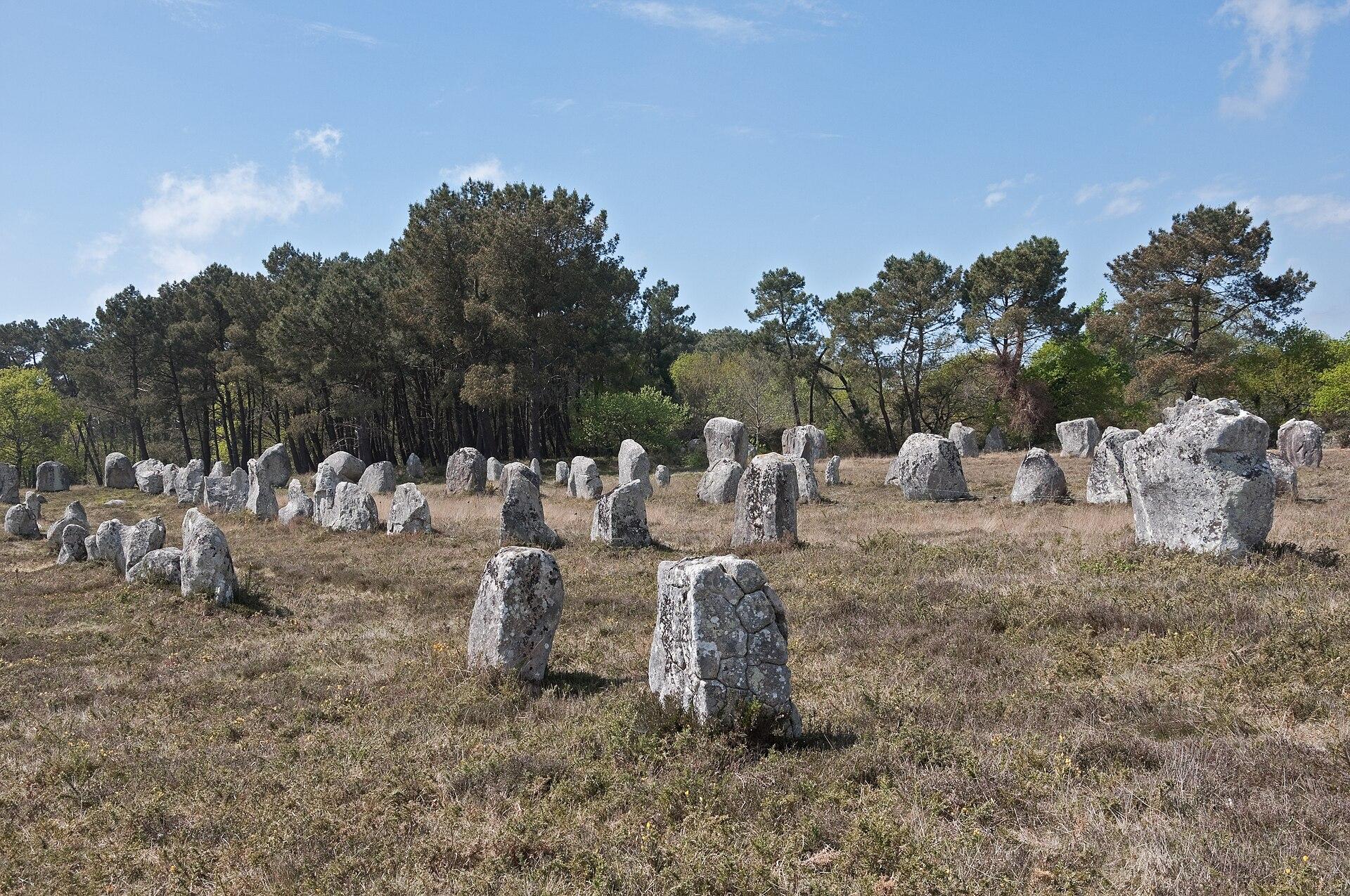 Heritage siteCarnac StonesCarnac · 1 h 30 to half a dayNearly 3,000 standing stones over four kilometres, raised more than six thousand years ago, at Le Ménec, Kermario, Le Manio and Kerlescan. Inscribed as a UNESCO World Heritage Site on 12 July 2025.
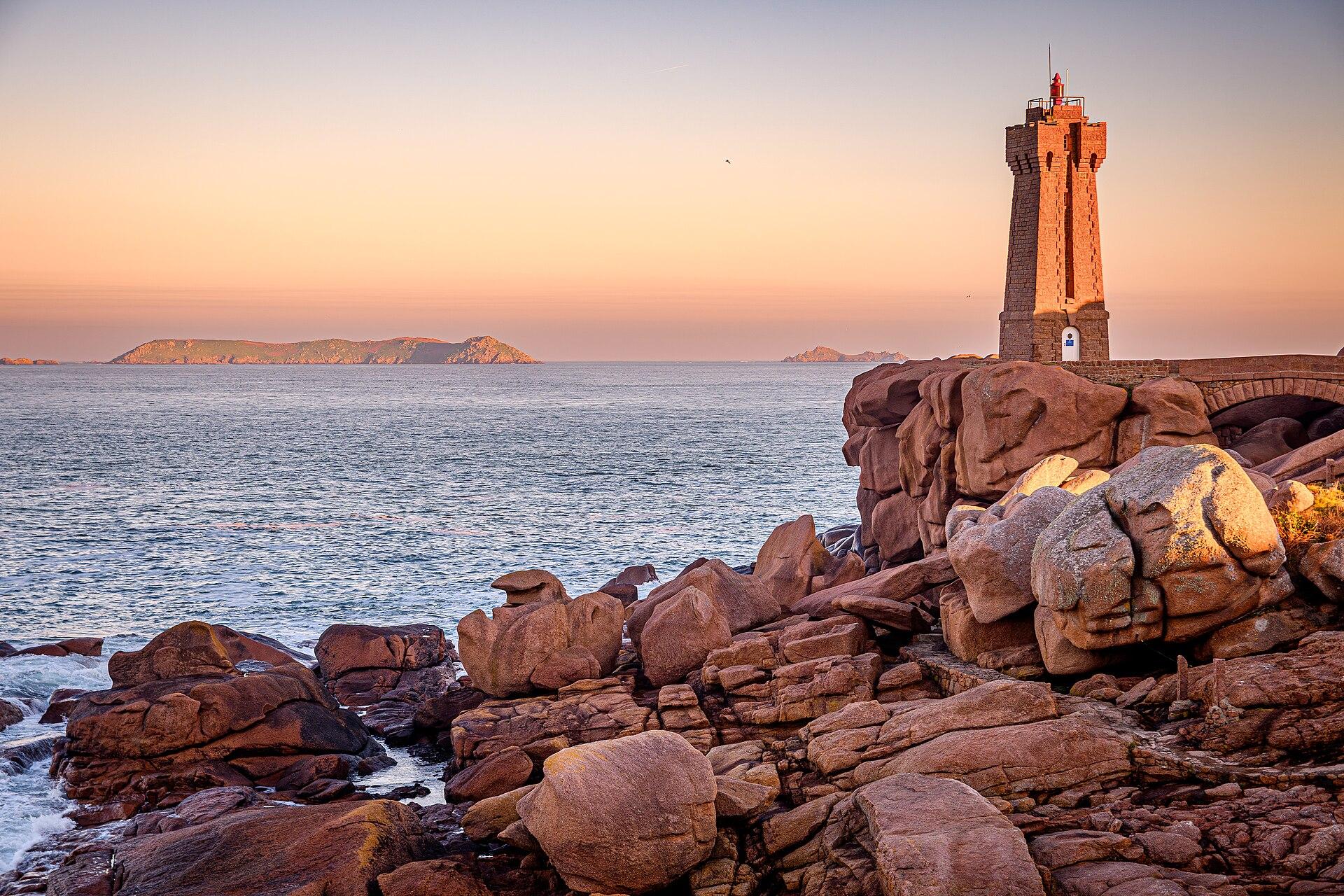 VillagePloumanac’hPerros-Guirec · 2 hours minimum, half a day to a full day with a walk to TrégastelPloumanac’h brings together a natural harbour, Saint-Guirec beach, an oratory, the Mean Ruz lighthouse and huge jumbles of pink granite along one of the finest stretches of the GR34.
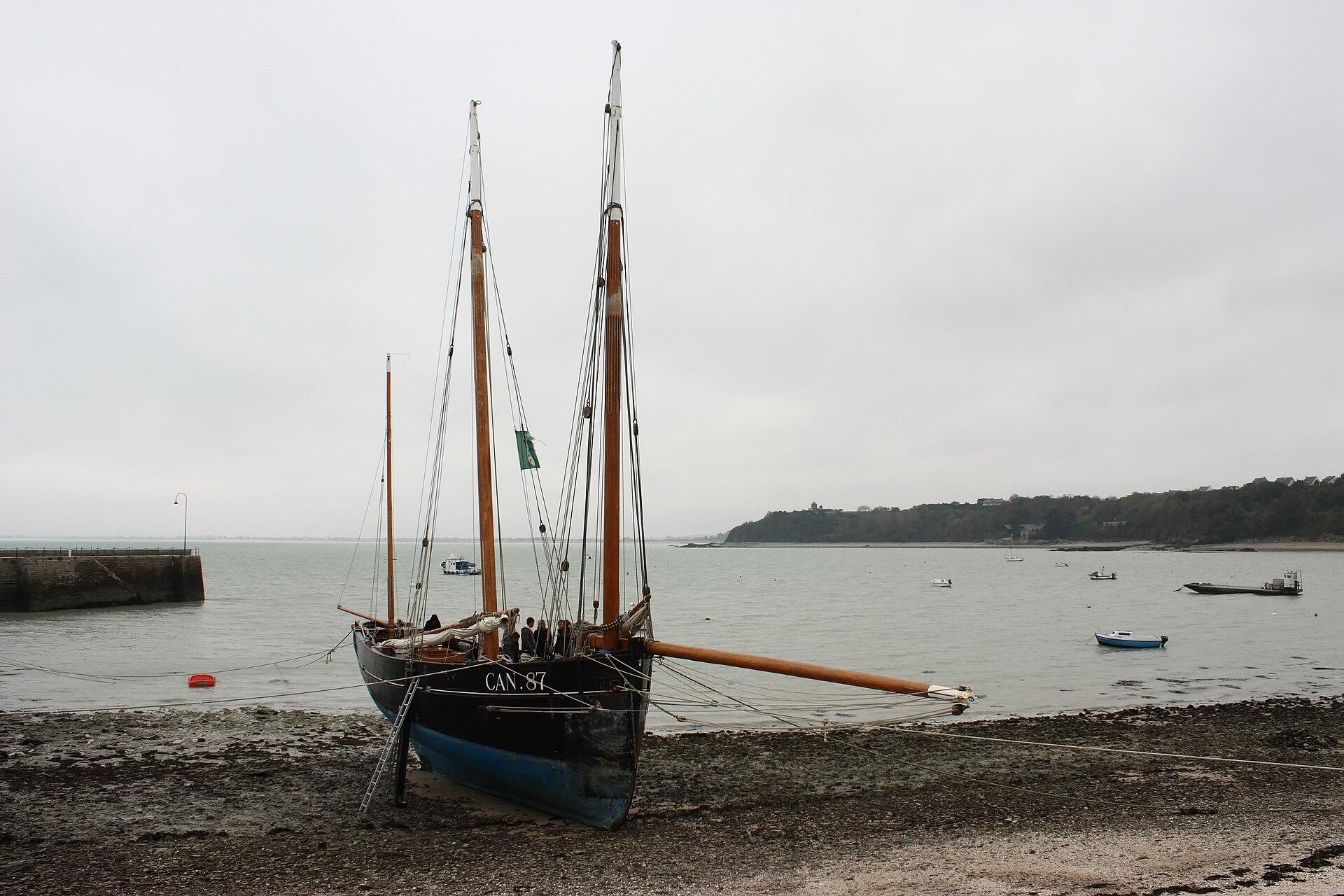 VillageCancaleCancale · 2 hours minimum, ideally half a day. A full day with the Pointe du GrouinFacing the bay of Mont-Saint-Michel, Cancale brings together the Port de la Houle, an oyster market open all year round, fishermen’s houses, oyster beds and a coastal path to the Pointe du Grouin.
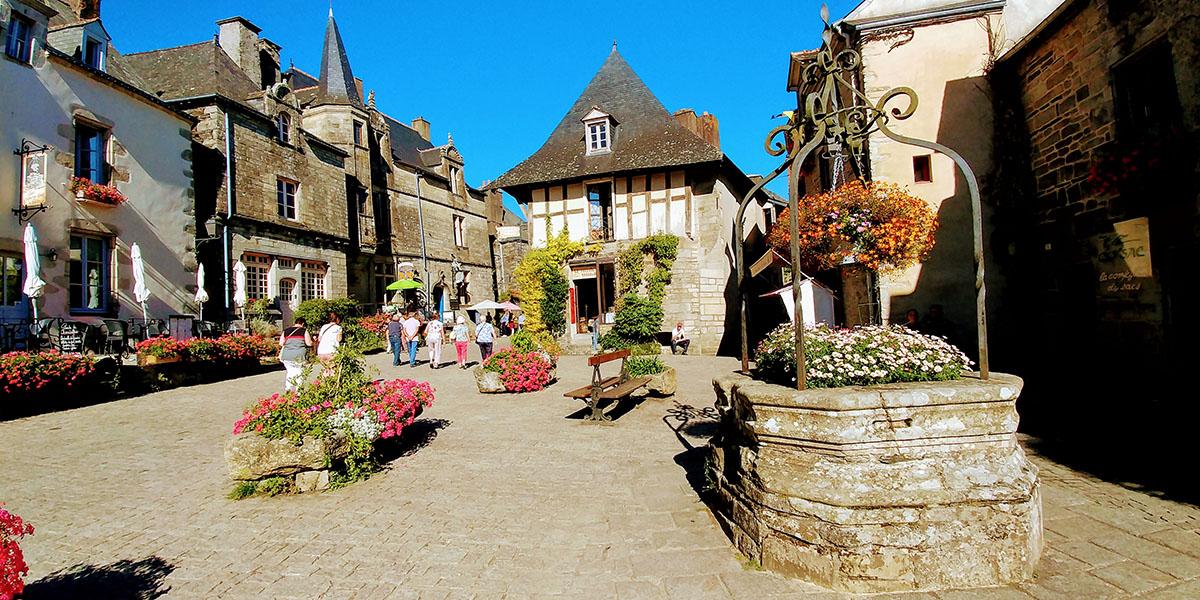 VillageRochefort-en-TerreRochefort-en-Terre · 2 hours to half a day, more during the Christmas eventsRochefort-en-Terre creates an almost theatrical setting of granite houses, half-timbering, flowers, craftspeople and a castle perched on a rocky spur.
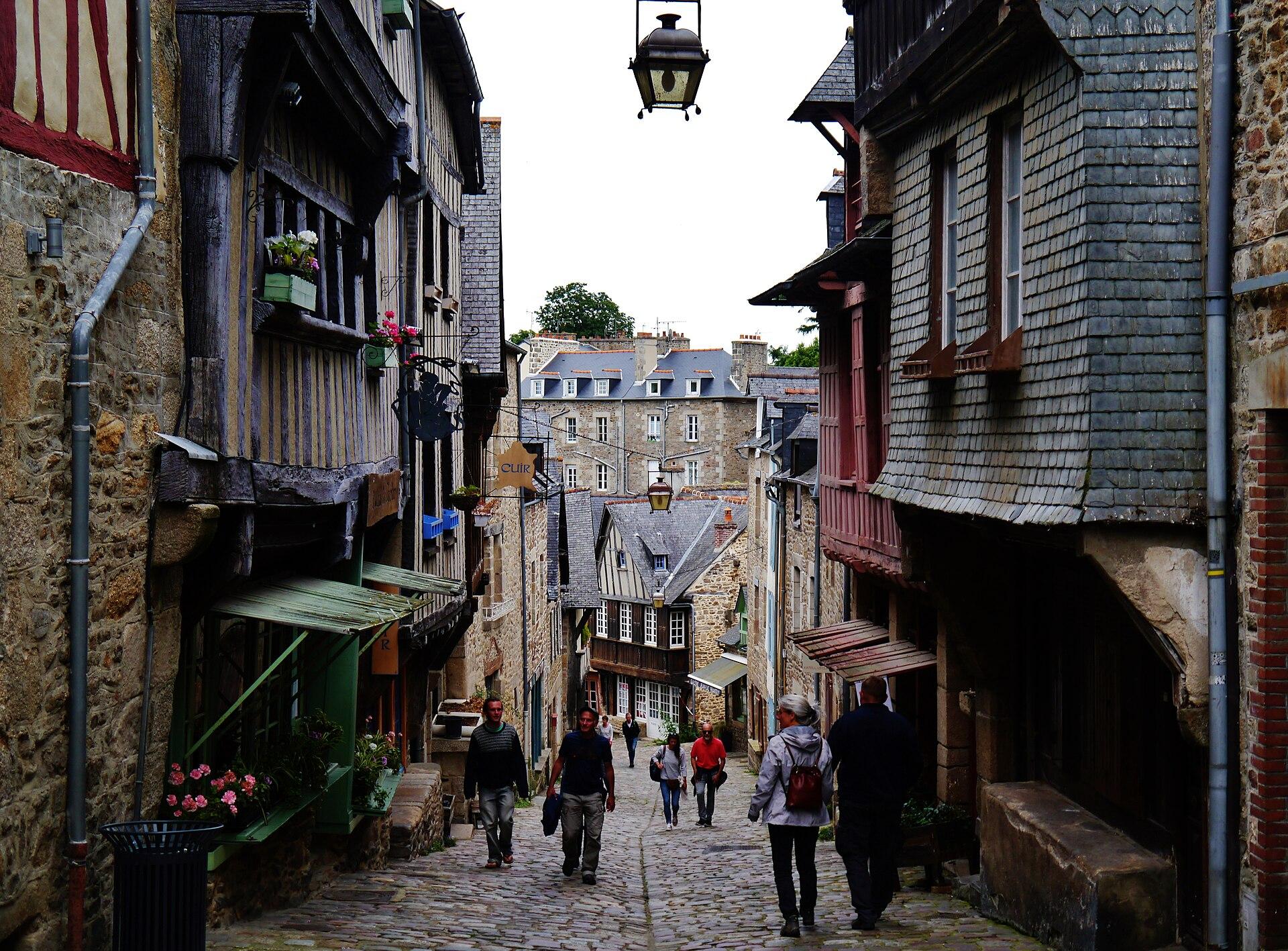 VillageDinan, historic centreDinan · A full day recommended, half a day minimumDinan unfolds more than two kilometres of ramparts, half-timbered houses, a castle, a basilica, the Rue du Jerzual and a port on the Rance, in one of the most spectacular medieval ensembles in Brittany.
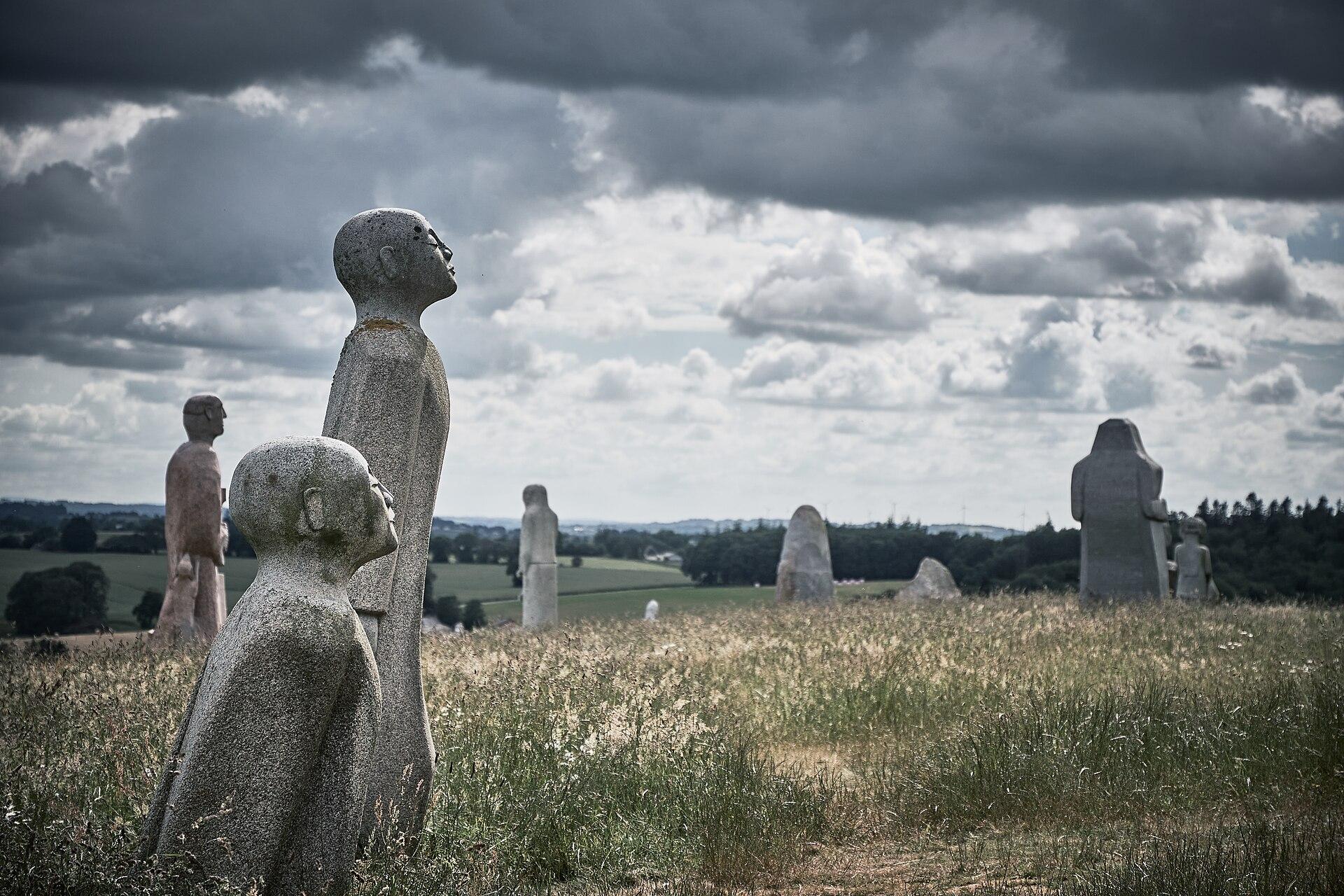 Heritage siteValley of the SaintsCarnoët · Two hoursMore than 200 monumental statues in Breton granite on a hill in Central Brittany, in a contemporary project that aims for a thousand.
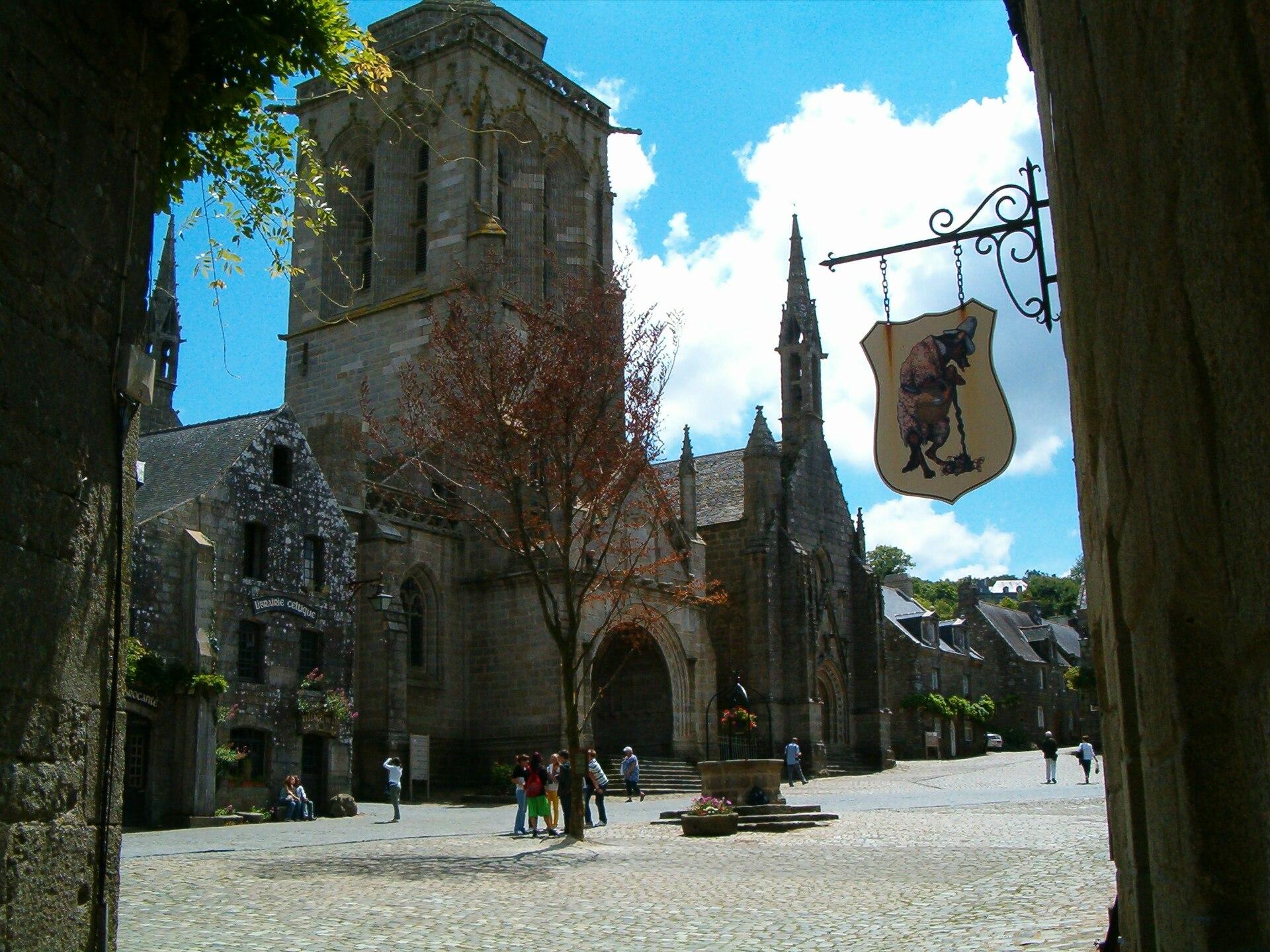 VillageLocronanLocronan · 2 hours to half a day, a full day with a hike or DouarnenezLocronan lines up granite mansions, cobbles, a Gothic church and art workshops around an almost untouched square, the legacy of a town made rich by sailcloth and the Troménie.
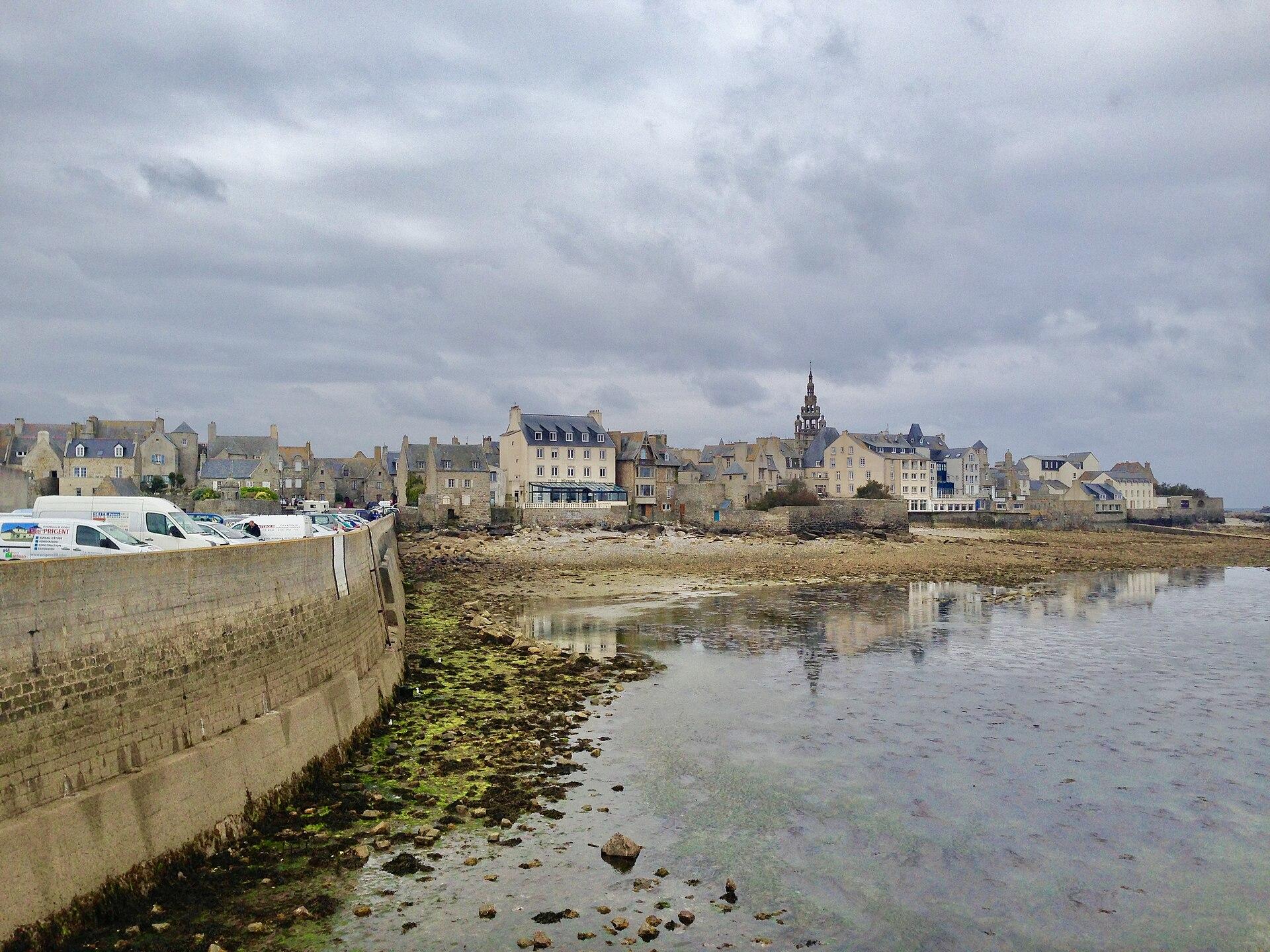 VillageRoscoffFinistère · Half a day minimum, a full day with the exotic garden or the Île de BatzRoscoff combines an old harbour, granite shipowners’ houses, a Flamboyant church, an exotic garden and boats to the Île de Batz, in the unique maritime light of north Finistère.
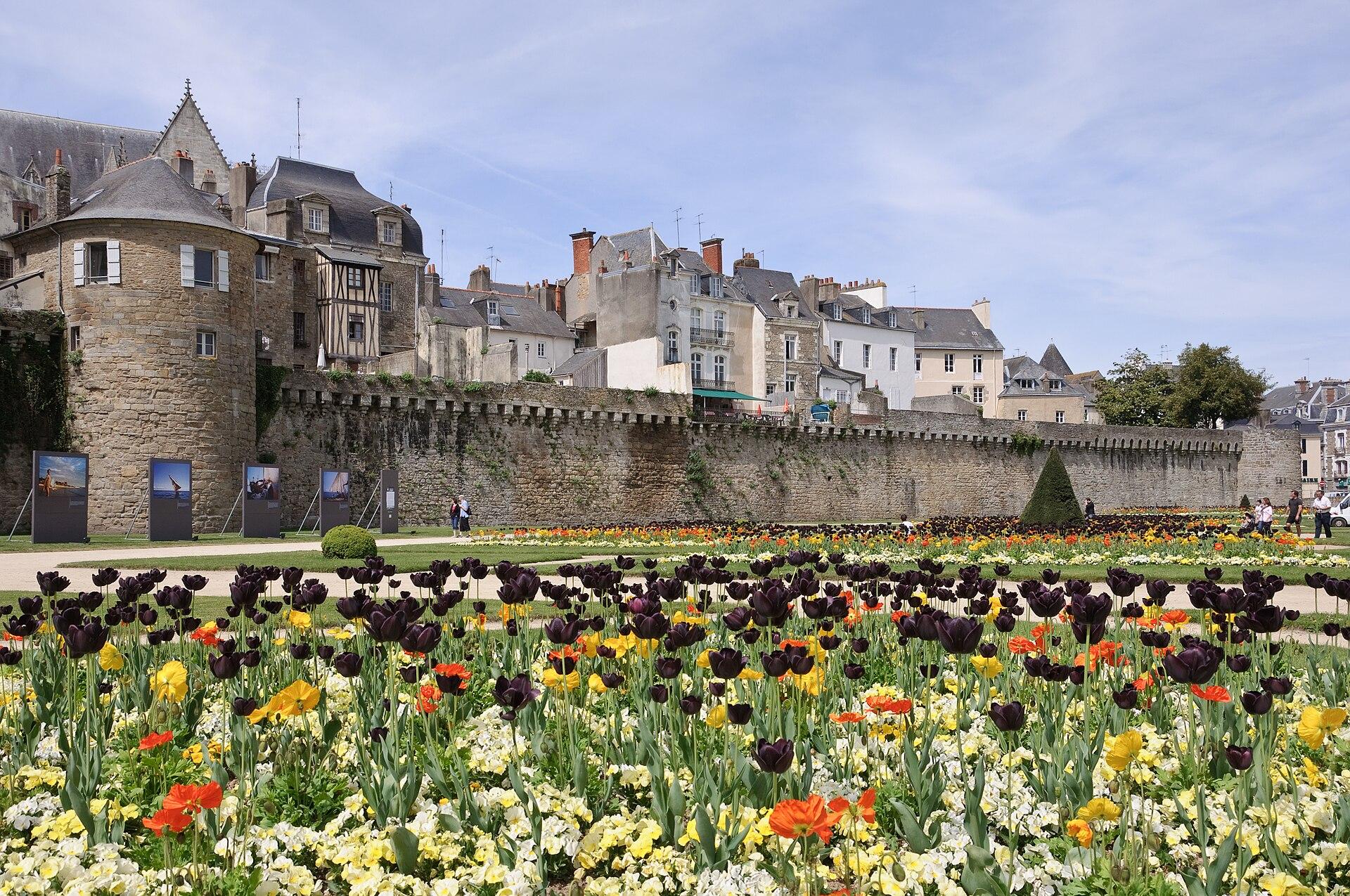 Heritage siteVannes walled townVannes · Half a dayA walled town in Morbihan that keeps nearly a kilometre of ramparts, five of its seven gates and two thousand years of continuous urban history.
1532, the date that explains everything
The 1532 treaty of union joined the duchy to the kingdom of France, in exchange for keeping its privileges: its Estates, its Parliament, and exemption from the gabelle, the salt tax, which still explains salted butter today. The fortresses then lost their military purpose, and many were dismantled or left in ruins, which is the form in which you visit half of them.